
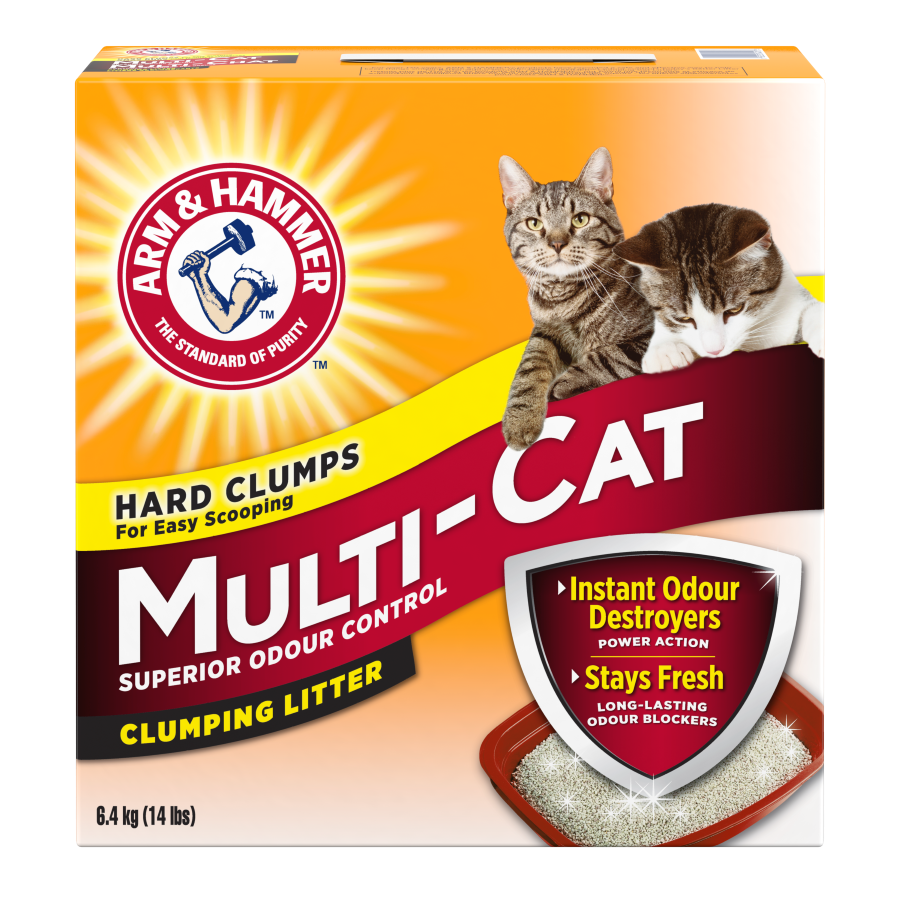
Have you ever wondered why some cat litters form tight clumps while others don’t? Understanding what makes cat litter clump can change the way you care for your furry friend and keep your home fresher for longer.
If you want to make cleaning easier and smell less, knowing the secret behind clumping litter is key. Keep reading, and you’ll discover exactly what happens inside that litter box and how you can choose the best option for you and your cat.
Clumping Mechanism
The clumping mechanism in cat litter is what helps make cleaning easier and keeps the litter box fresh. This process depends on how the litter absorbs moisture and binds it together. When a cat urinates, the litter quickly reacts to form solid clumps. These clumps can be scooped out, leaving the rest of the litter dry and ready to use.
Role Of Absorbent Materials
Absorbent materials are the base of clumping cat litter. Common materials include bentonite clay, silica gel, and natural fibers. These substances soak up liquid fast. They trap moisture to prevent it from spreading. This keeps the litter box dry and odor-free.
How Moisture Triggers Clumping
Moisture is the key trigger for clumping. When urine touches the absorbent particles, it causes them to swell. This swelling pulls the particles together. The particles stick and form solid lumps. This makes it easy to scoop out the waste quickly.
Binding Agents In Litter
Binding agents help hold the clumps together. They act like glue between the absorbent particles. These agents improve the strength of the clumps. Without them, the clumps would break apart easily. This keeps the litter box cleaner and reduces waste.
Types Of Clumping Litters
Clumping cat litters come in several types, each designed to make cleaning your cat’s litter box easier and more efficient. The way these litters form clumps depends on their base materials and how they react to moisture. Understanding the differences can help you pick the one that fits your lifestyle and your cat’s needs.
Clay-based Litters
Clay-based clumping litters are the most common and widely used. They contain bentonite clay, which swells and sticks together when it gets wet, forming solid clumps that are easy to scoop out.
You might notice that these litters are quite dusty, which can bother sensitive cats or people with allergies. However, their strong clumping power and affordability make them popular. Have you ever struggled with a litter that doesn’t hold together well? Clay litters usually solve that problem.
Natural And Biodegradable Options
If you want something eco-friendly, natural clumping litters are worth trying. These use materials like corn, wheat, or walnut shells to form clumps when wet.
They tend to be lighter and less dusty than clay and break down safely in the environment. A bonus is that some cats prefer their natural texture and scent. Does your cat react differently to natural litters? It’s worth experimenting to see if it improves their comfort.
Silica Gel Crystals
Silica gel crystal litters work differently from clay and natural types. Instead of clumping, they absorb moisture and trap odors inside tiny crystals.
While they don’t form clumps, some brands combine silica with clumping agents to offer the best of both worlds. These litters last longer between changes and reduce smell effectively. If odor control is your top priority, have you considered giving silica a try?
Factors Affecting Clumping
Clumping depends on the type of litter material and moisture level. Finer particles usually create stronger clumps. Temperature and litter freshness also play important roles.
Understanding what makes cat litter clump can be tricky. Various factors influence the clumping ability of cat litter. These factors include granule size, moisture levels, and litter box upkeep. Each of these plays a crucial role in ensuring your litter box remains clean and odor-free.Litter Granule Size And Texture
Granule size impacts how well litter clumps. Smaller granules form tighter clumps. This makes them easier to scoop. The texture also matters. Rough-textured litter holds moisture better. This enhances clumping ability. Finer granules provide a softer feel for cats. This encourages regular use of the litter box.Moisture Levels And Cat Behavior
Moisture triggers clumping in cat litter. The amount of moisture can vary. It depends on your cat’s habits. Cats that drink more often may urinate more. This increases moisture levels. Litter with high moisture absorption clumps better. Cats’ digging behavior also affects clumping. Vigorous digging breaks clumps apart.Litter Box Maintenance
Regular cleaning affects clumping efficiency. A clean litter box encourages clumping. Remove waste daily to maintain freshness. Overfilled boxes hinder clumping. Use the recommended amount of litter. Too little litter prevents effective clumping. Regularly check and refill the litter box. This keeps the clumping process efficient and reliable.
Credit: cen.acs.org
Benefits Of Effective Clumping
Effective clumping in cat litter offers many benefits for cat owners. It makes the cleaning process faster and less messy. Clumps form quickly, so waste is easy to remove. This keeps the litter box clean and fresh for longer. Proper clumping also helps control bad smells. It traps moisture and odors inside the clumps. This stops smells from spreading around the house. Using clumping litter can save money too. Less litter is wasted, so you buy it less often. These benefits improve life for both cats and owners.
Ease Of Cleaning
Clumping litter creates solid lumps that are easy to scoop. This means cleaning the litter box takes less time. Scooping out clumps leaves the rest of the litter clean. It stops the litter from sticking to the box. Cleaning is less messy and more hygienic. Cats prefer a clean litter box, so they use it more.
Odor Control
Clumps trap urine and waste tightly. This reduces bad smells in the litter box. The litter absorbs moisture quickly, stopping odor from spreading. A fresh-smelling litter box makes your home more pleasant. It also keeps the cat comfortable and happy.
Cost Efficiency
Clumping litter lasts longer because you remove only the waste. The clean litter stays in the box and can be reused. This means you buy litter less often. Less litter waste also means less mess around the box. Saving money and keeping the area clean at the same time.
Common Clumping Issues
Clumping cat litter is designed to make cleaning easier by forming solid clumps when it comes into contact with moisture. However, many cat owners face common issues that reduce its effectiveness. Understanding these problems can help you choose the right product and maintain a cleaner litter box.
Non-clumping Or Weak Clumps
Sometimes, the litter fails to form strong clumps or doesn’t clump at all. This often happens if the litter is old, damp, or mixed with non-clumping types. Using fresh, dry litter and avoiding mixing brands can improve clumping performance.
Have you noticed weak clumps breaking apart when scooping? That usually means the litter’s absorbency is compromised, leading to more mess and odor.
Litter Dust And Tracking
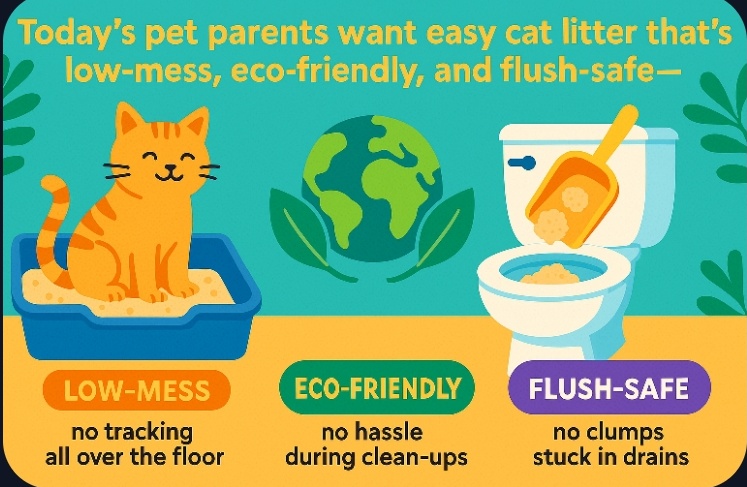
Litter dust is a common annoyance that can create a mess around the box and affect air quality. Some clumping litters produce more dust, especially those made from fine clay particles. Dust can also cause tracking, where litter sticks to your cat’s paws and spreads across the floor.
To reduce dust and tracking, try litters labeled as low-dust or dust-free. You might also consider a litter mat outside the box to catch stray granules before they travel.
Impact Of Multiple Cats
Having more than one cat can complicate clumping litter’s effectiveness. Multiple cats produce more waste, which means the litter needs to absorb and clump quickly and consistently. If your litter box isn’t cleaned often enough, clumps can break down, and odors may build up.
Do you provide enough litter boxes for your cats? The general rule is one box per cat plus one extra. Keeping boxes clean and using high-quality clumping litter can make a big difference in multi-cat households.
Credit: purrfectinsights.com
Tips For Perfect Clumping
Perfect clumping makes cleaning your cat’s litter box easier and more effective. It helps trap moisture and odors quickly. Strong clumps prevent waste from scattering, keeping the box fresh longer. Follow these tips to improve clumping and maintain a cleaner space for your cat.
Choosing The Right Litter
Pick litter made from bentonite clay for strong clumps. This clay absorbs moisture and forms tight clumps fast. Avoid non-clumping litters if you want easy cleaning. Check the packaging for “clumping” label and customer reviews. Some litters mix natural materials like corn or wheat with clay to boost clumping. Experiment with small bags to find what works best for your cat.
Proper Litter Box Setup
Use a box size suitable for your cat’s comfort. Fill the box with 2 to 3 inches of litter. Too little litter stops clumps from forming well. Too much litter wastes material and can be hard to clean. Place the box in a quiet, dry area to keep litter dry. Wet or humid spots reduce clumping efficiency.
Regular Maintenance Routines
- Scoop waste daily to keep litter dry and clumping strong.
- Replace all litter every 1 to 2 weeks depending on use.
- Wash the box with mild soap and water during litter changes.
- Keep litter box away from moisture to avoid soggy clumps.
- Stir litter occasionally to break up clumps and freshen the surface.

Credit: www.animates.co.nz
Frequently Asked Questions
What Causes Cat Litter To Clump Effectively?
Cat litter clumps due to absorbent materials like bentonite clay. These materials soak up moisture and form solid clumps. This makes cleaning easier and controls odors efficiently.
Which Materials Are Best For Clumping Cat Litter?
Bentonite clay is the most common clumping material. Other options include natural clays and plant-based fibers. These materials quickly absorb moisture and form solid clumps.
How Does Moisture Trigger Cat Litter Clumping?
Moisture activates the absorbent particles in the litter. These particles bind together when wet, creating firm clumps. This prevents urine from spreading and keeps the litter box clean.
Does Clumping Cat Litter Control Odors Better?
Yes, clumping litter traps odors inside the solid clumps. This limits the spread of ammonia smells. It helps maintain a fresher environment in your home.
Conclusion
Clumping cat litter works by absorbing moisture quickly. The litter forms solid clumps to trap waste. This makes cleaning easier and keeps odors down. Clay-based litters clump best because of their texture. Some litters add ingredients to improve clumping. Choosing the right litter helps keep your cat’s area clean.
Understanding how clumping works saves time and effort. Clean litter boxes mean happy cats and owners. Simple science makes cat care smoother every day.

Lily Purrington is the founder of MyKittyPicks.com, a cozy corner of the web dedicated to helping cat lovers discover the best cat products, furniture, toys, and home decor ideas.
A lifelong cat enthusiast, Lily shares trusted tips, honest product recommendations, and stylish inspiration designed to keep kitties happy and homes beautiful.
Her mission is simple: to bring together practical advice and purr-fect picks that make life better for cats and the people who love them.


