
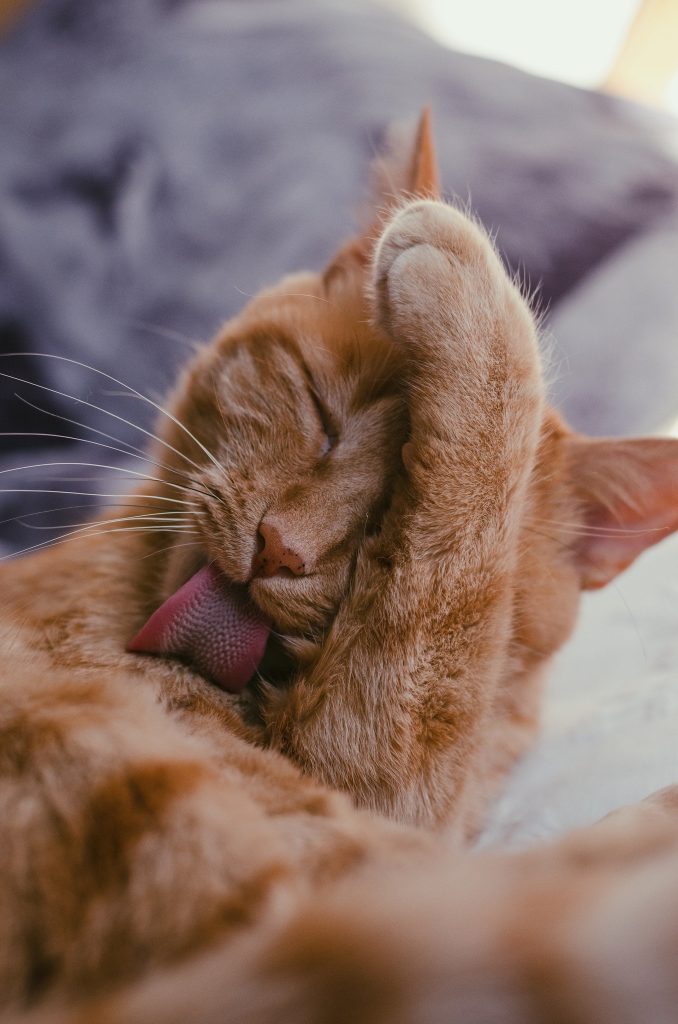
Have you ever wondered if your cat is really as clean as it seems? You might be surprised to learn just how hygienic cats can be—and why that matters for your home and health.
Understanding your cat’s cleanliness habits can help you feel more confident about sharing your space with them. Keep reading to discover the truth about cats and hygiene, and learn simple tips to keep both you and your furry friend happy and healthy.
Cats And Natural Cleanliness
Cats are known for their clean habits. They spend a lot of time grooming themselves every day.
This natural behavior helps cats stay healthy and free from dirt and parasites.
Self-grooming Habits
Cats groom themselves by licking their fur with their tongues. This removes dust and loose hair.
They also use their teeth to clean hard-to-reach spots and remove dirt or tangles.
Role Of Tongue In Cleaning
A cat’s tongue has tiny, hook-like structures. These help pull dirt and loose fur away.
The rough tongue also spreads natural oils over the fur. This keeps the coat shiny and waterproof.
Frequency Of Grooming
Cats groom themselves many times each day. Some cats spend up to half their waking hours cleaning.
- Short-haired cats groom less than long-haired cats
- Older cats may groom less often
- Stress or illness can change grooming habits

Credit: www.reddit.com
Comparing Cats To Other Pets
Cats are popular pets around the world. Many people wonder if cats are clean compared to other animals. Understanding how cats compare to other pets can help answer this question.
This article looks at cats versus dogs, small mammals, and birds in terms of hygiene habits and cleanliness.
Cats Vs Dogs
Cats usually groom themselves by licking their fur many times a day. This keeps their coat clean and reduces odors. Dogs also groom but often need baths from their owners to stay clean.
- Cats use their tongue to clean their fur frequently.
- Dogs rely more on owner baths and brushing.
- Cats bury their waste in a litter box, which controls smell.
- Dogs need walks and outdoor bathroom breaks.
Cats Vs Small Mammals
Small mammals like hamsters, guinea pigs, and rabbits have different hygiene habits. They do not groom as much as cats. Their cages need regular cleaning by owners.
| Pet | Self-Grooming | Owner Cleaning Needed |
| Cat | High | Moderate |
| Hamster | Low | High |
| Guinea Pig | Low | High |
| Rabbit | Moderate | High |
Cats Vs Birds
Birds clean themselves by preening their feathers with their beaks. They also bathe in water or dust. Cage hygiene is very important to keep birds healthy.
Key points about bird and cat hygiene:
- Cats groom using their tongue.
- Birds preen and bathe to stay clean.
- Both need owner help to keep their living spaces clean.
- Cats use litter boxes; birds need clean cages.
Health Benefits Of Cat Hygiene
Cats clean themselves often to stay healthy and comfortable. Their grooming helps keep many health problems away.
Good hygiene in cats benefits not only the cat but also the people around them. Clean cats are less likely to spread germs.
Reducing Parasites
Cats groom to remove fleas, ticks, and other parasites from their fur. This helps prevent skin irritation and illness.
Regular self-cleaning lowers the chance of parasite infestations. This keeps cats happier and healthier.
- Parasites can cause itching and infections
- Grooming removes parasite eggs and larvae
- Clean fur makes it harder for parasites to live
Preventing Infections
When cats lick their fur, they clean wounds and remove dirt. This stops bacteria from growing on their skin.
Good hygiene reduces the risk of infections in cuts or scratches. It helps cats heal faster and stay safe.
- Cleaning helps remove harmful bacteria
- Less dirt means fewer infections
- Healthy skin protects against disease
Maintaining Fur Quality
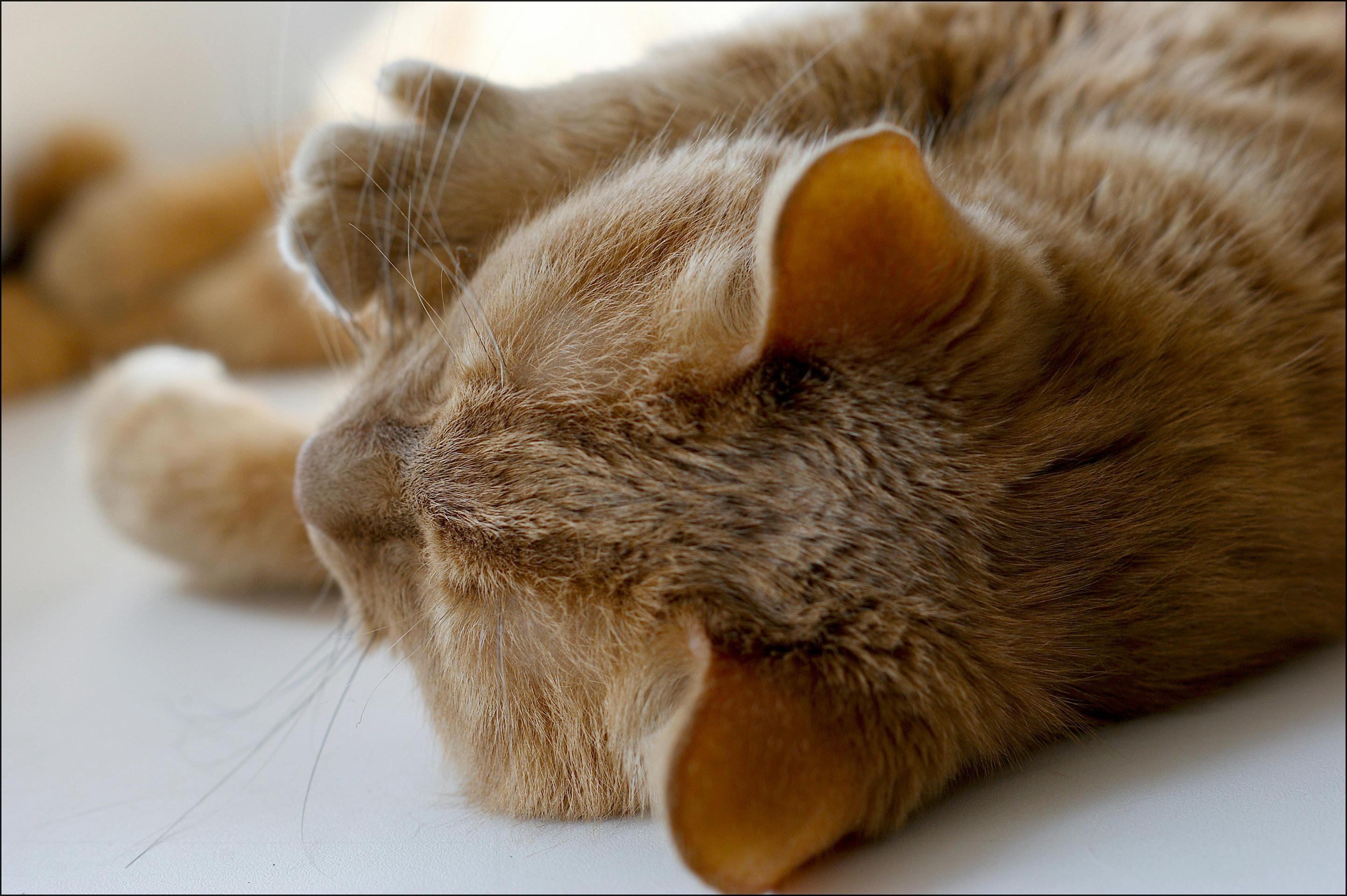
Cats keep their fur smooth and soft by licking it regularly. This also spreads natural oils that protect their skin.
Well-maintained fur prevents matting and keeps cats warm. It also makes them look clean and healthy.
- Natural oils keep fur shiny and soft
- Grooming removes loose hairs and dirt
- Good fur health helps regulate body temperature
Credit: www.ingleside.com
Common Misconceptions About Cats’ Cleanliness
Many people wonder if cats are clean animals. Some think cats are messy or carry lots of germs. It is important to know the facts about cats and hygiene.
Cats spend a lot of time grooming themselves. This helps keep their fur clean and free of dirt. Still, there are some myths about cats that need to be cleared up.
Cats And Litter Boxes
Cats usually use litter boxes to do their business. They cover their waste, which helps keep the area clean. This behavior shows they like to stay tidy.
It is important to clean the litter box often. Dirty boxes can cause bad smells and attract germs. A clean box helps keep both cats and homes healthy.
Do Cats Carry More Germs?
People sometimes think cats carry more germs than other pets. Cats groom themselves and usually stay clean. They do not carry more germs than dogs or other animals.
Cats can carry some germs like any animal. Washing your hands after petting cats helps reduce any risk. Regular vet visits keep cats healthy and safe for people.
Cats And Allergies
Some people are allergic to cats. This is not about dirt or germs. Allergies happen because of proteins in cat saliva, skin, and fur.
Cleaning your home and grooming cats can lower allergy problems. Allergies do not mean cats are unhygienic. They just cause reactions in some people.
How Owners Can Support Cat Hygiene
Cats are naturally clean animals. They spend much time grooming themselves. Owners can help keep their cats healthy and clean.
Supporting good hygiene helps prevent illness and makes cats feel comfortable. There are simple ways to care for your cat’s cleanliness.
Regular Vet Checkups
Taking your cat to the vet regularly is important. The vet checks for skin problems and parasites. They also advise on how to keep your cat clean and healthy.
Proper Litter Box Maintenance
Cleaning the litter box often keeps your cat’s environment fresh. A clean box helps prevent infections and bad smells. It also encourages your cat to use it properly.
- Scoop waste daily
- Change litter weekly
- Wash the box with mild soap
- Place the box in a quiet, clean area
- Use unscented, clumping litter for best results
Bathing And Brushing Tips
Bathing cats is not always needed but can help if they get dirty. Brushing removes loose fur and dirt. It also prevents hairballs and keeps skin healthy.
| Task | How Often | Notes |
| Brushing | 2-3 times per week | Use a soft brush for short-haired cats |
| Bathing | Once every few months | Use cat-safe shampoo and warm water |
Surprising Facts About Cats’ Cleanliness
Cats are known for being clean animals. They spend a lot of time grooming themselves. This behavior helps keep them healthy and happy.
Many people are surprised to learn how cats maintain their cleanliness. Let’s explore some fascinating aspects of their hygiene habits.
Cats’ Grooming And Stress Relief
Cats groom themselves by licking their fur. This helps remove dirt and loose hair. Grooming is not just about cleanliness; it also reduces stress.
When cats groom, it releases endorphins. These chemicals make them feel relaxed and calm. Grooming helps cats manage anxiety and feel more comfortable.
Cats’ Use Of Saliva For Healing
Cats often lick their wounds. Their saliva has healing properties. It contains enzymes that help clean and heal cuts.
Licking can prevent infections. Saliva acts like a natural antiseptic. This helps wounds heal faster and keeps cats healthy.
Pica And Its Impact On Hygiene
Pica is a condition where cats eat non-food items. This can include things like fabric or plastic. Pica can affect a cat’s hygiene and health.
Eating non-food items can lead to digestive issues. It may also cause them to ingest harmful substances. Monitoring and managing pica is important for a cat’s well-being.
- Pica can cause blockages in the digestive tract
- It can lead to poor nutrition
- Regular vet check-ups can help manage pica

Credit: www.reddit.com
Frequently Asked Questions
Are Cats Naturally Clean Animals?
Yes, cats are naturally clean animals. They groom themselves regularly using their tongue. This behavior keeps their fur free from dirt and parasites. Cats also bury their waste to avoid attracting predators. Their grooming habits help maintain hygiene and reduce odors in their living space.
How Often Do Cats Groom Themselves Daily?
Cats groom themselves several times a day. On average, a cat spends 30-50% of its waking hours grooming. This frequent cleaning removes loose fur, dirt, and parasites. Grooming also regulates body temperature and reduces stress. It is a vital part of their hygiene routine.
Can Cat Grooming Prevent Diseases?
Yes, grooming helps prevent diseases by removing dirt and parasites. It reduces the risk of skin infections and flea infestations. Grooming also promotes healthy skin and fur. However, regular vet check-ups are essential to catch health issues early. Good grooming supports a cat’s overall well-being.
Do Indoor Cats Groom Less Than Outdoor Cats?
Indoor cats may groom less frequently but still maintain hygiene. They face fewer dirt and parasite challenges than outdoor cats. However, indoor cats may groom more out of boredom or stress. Both indoor and outdoor cats rely on grooming to keep clean and healthy.
Conclusion
Cats clean themselves often and keep their fur tidy. They use their tongues to remove dirt and germs. This helps them stay fresh and healthy. Cats also bury their waste, which controls bad smells. Good hygiene makes cats pleasant pets to have.
Regular grooming and a clean litter box support their cleanliness. Cats show natural habits that keep them hygienic animals. Taking care of your cat helps maintain their health and comfort. Clean cats are happy cats.

Lily Purrington is the founder of MyKittyPicks.com, a cozy corner of the web dedicated to helping cat lovers discover the best cat products, furniture, toys, and home decor ideas.
A lifelong cat enthusiast, Lily shares trusted tips, honest product recommendations, and stylish inspiration designed to keep kitties happy and homes beautiful.
Her mission is simple: to bring together practical advice and purr-fect picks that make life better for cats and the people who love them.


