
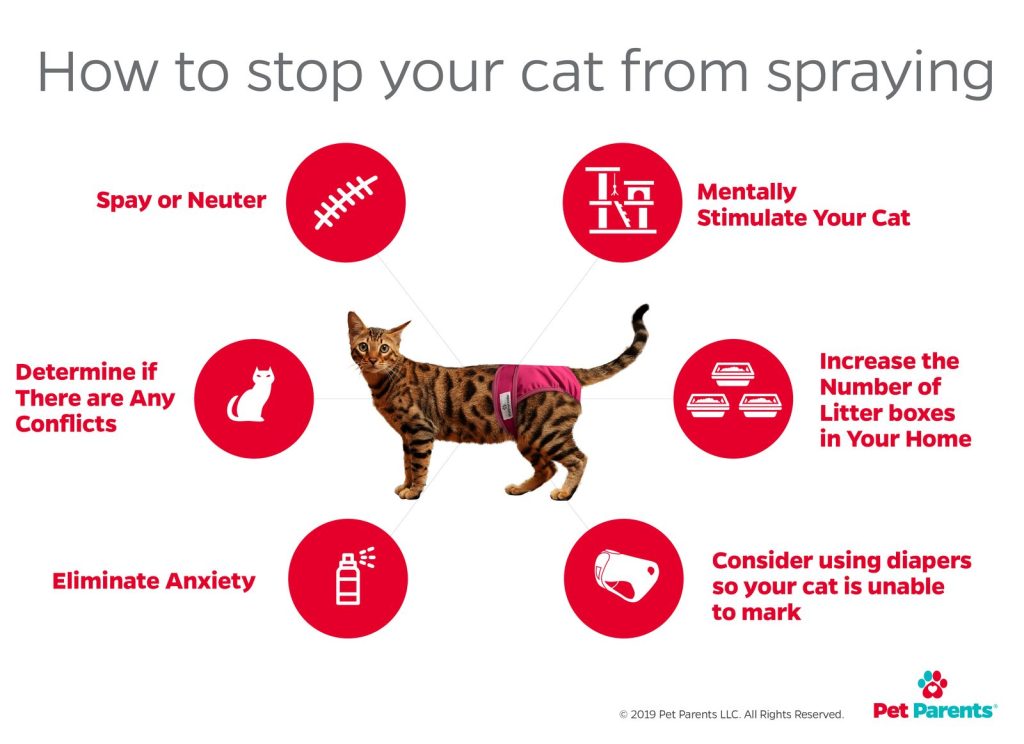
Is your cat spraying around the house and leaving unwanted marks? You’re not alone, and it can be frustrating to deal with this behavior.
But don’t worry—there are simple and effective ways to stop your cat from spraying. You’ll discover clear steps that can help you protect your home and keep your furry friend happy. Keep reading, because understanding why your cat sprays is the key to putting an end to it for good.

Credit: us.feliway.com
Causes Of Cat Spraying
Cat spraying is a common problem for many pet owners. It is different from regular urination. Spraying means cats mark surfaces with small amounts of urine.
Understanding why cats spray helps prevent this behavior. Spraying often shows a cat’s stress or need to mark territory.
Territorial Behavior
Cats spray to mark their territory. This is more common in male cats but can happen in females too. They use urine to tell other cats this is their space.
Territorial spraying happens when new pets or people enter the home. Cats want to keep control of their area.
- New cats in the house
- Outdoor cats nearby
- Changes in home environment
Stress And Anxiety
Cats spray when they feel stressed or anxious. Loud noises, moving to a new home, or changes in routine can cause this stress.
Spraying helps cats feel safer by marking their scent. It is a way to calm themselves in a stressful place.
- Loud sounds or construction
- New people or animals
- Changes in feeding or playtime
Medical Issues
Sometimes cats spray because of health problems. Urinary tract infections or bladder issues can cause this behavior.
If a cat sprays suddenly, a visit to the vet is important. Treating medical problems can stop the spraying.
- Urinary tract infection (UTI)
- Bladder stones
- Other urinary problems
Recognizing Spraying Behavior
Cats use different ways to mark their territory. Spraying is one of these behaviors. It can cause problems if you do not understand it.
Knowing the signs of spraying helps you stop it early. It also helps you know if your cat is stressed or needs help.
Difference Between Spraying And Marking
Spraying and marking look similar but mean different things. Spraying is when a cat sprays urine on vertical surfaces. Marking is when a cat scratches or rubs its face on objects.
- Spraying:Urine on walls, doors, or furniture.
- Marking:Scratching or rubbing scent glands on objects.
- Spraying:Often done by unneutered males but can be done by any cat.
- Marking:Happens during play, greeting, or feeling safe.
- Spraying:Strong smell and hard to clean.
- Marking:No urine, just scent from glands.
Common Signs
| Sign | Description |
|---|---|
| Urine Spots | Small wet areas on vertical surfaces like walls or furniture |
| Strong Smell | Sharp and strong urine odor in certain places |
| Repeated Areas | Spraying happens in the same spots often |
| Body Posture | Cat stands tail up, quivers, and sprays backward |
| Stress Signs | Hiding, meowing more, or changes in eating habits |
Environmental Changes To Reduce Spraying
Cats spray to mark their territory or when they feel stressed. Changing their environment can help lower this behavior.
Small changes at home can make your cat feel safer and less likely to spray.
Create A Calm Space
Give your cat a quiet area to relax. This space should be away from loud noises and busy parts of the house.
- Place a soft bed or blanket in the calm space.
- Keep fresh water and food nearby.
- Include toys that your cat likes to play with.
- Make sure the space has a clean litter box.
- Allow your cat to enter and leave freely.
Limit Access To Triggers
Identify what makes your cat anxious or upset. These triggers often cause spraying.
| Trigger | How to Limit Access |
| Strange animals outside | Close windows or use curtains |
| New pets in the home | Separate spaces for each pet |
| Loud noises | Use soundproofing or quiet rooms |
| Visitors or strangers | Keep cat in a safe room during visits |
Use Pheromone Diffusers
Pheromone diffusers release scents that calm cats. These scents help reduce stress and spraying.
Here is how to use pheromone diffusers safely:
- Plug the diffuser into a room your cat uses often.
- Keep it on for several weeks to see results.
- Replace the diffuser as directed on the package.
- Do not place near food or water bowls.
Litter Box Management
Stopping your cat from spraying starts with good litter box care. Cats use their litter box to feel safe and clean. Keeping the box well-managed helps reduce spraying.
Focus on cleaning, choosing the right litter, and placing the box in the best spot. These steps make your cat more comfortable and less likely to spray.
Proper Cleaning Routine
Clean the litter box every day to remove waste. A dirty box can cause your cat to spray outside it. Wash the box with mild soap once a week to keep it fresh.
- Scoop waste twice daily
- Change litter completely every week
- Use warm water and mild detergent for cleaning
- Dry the box fully before refilling
Choosing The Right Litter
Select a litter type your cat likes. Some cats prefer clumping litter, while others like natural or unscented options. Avoid strong scents that may bother your cat.
| Litter Type | Pros | Cons |
| Clumping | Easy to clean, controls odor | Can be dusty |
| Non-Clumping | Less dusty, softer texture | Needs frequent changing |
| Natural (wood, corn) | Eco-friendly, low dust | May not clump well |
| Silica Gel | Good odor control, low dust | More expensive |
Optimal Litter Box Placement
Place the litter box in a quiet, low-traffic area. Cats need privacy to feel safe. Avoid noisy spots like near washing machines or busy hallways.
Keep these tips in mind for placement:
- Use a spot with easy access
- Keep away from food and water bowls
- Provide multiple boxes if you have many cats
- Ensure good ventilation
Behavioral Training Techniques
Training your cat to prevent spraying involves understanding their behavior. Use simple techniques to guide them.
Consistency and patience are key to successful training. Use positive methods to encourage desired actions.
Positive Reinforcement
Reward your cat for good behavior. Give them treats or affection when they use the litter box.
- Offer treats immediately after correct behavior
- Use a clicker to mark the moment of success
- Provide verbal praise with a gentle tone
Redirecting Attention
If your cat starts to spray, redirect them. Offer toys or playtime to shift their focus.
Consistency In Routine
Cats thrive on routine. Keep feeding and play times consistent each day.
| Time of Day | Activity |
| Morning | Feeding |
| Afternoon | Play Session |
| Evening | Quiet Time |
Credit: www.amazon.ca
Medical Solutions
Cat spraying is a common problem that many owners face. Medical solutions can help reduce or stop this behavior. Understanding these options is important for your cat’s health and comfort.
Talking to a vet can guide you to the best treatment. Some medical steps are simple, like surgery. Others may need special medicines to calm your cat.
Spaying And Neutering Benefits
Spaying or neutering your cat lowers the chance of spraying. These surgeries remove the organs that cause strong hormones. This helps calm your cat’s urge to mark territory.
- Reduces sexual behaviors that cause spraying
- Decreases stress and aggression
- Helps prevent some health problems
- Improves your cat’s overall behavior
When To Consult A Vet
See a vet if spraying continues after spaying or neutering. Also consult if your cat shows signs of illness or discomfort. A vet can find medical causes and suggest treatments.
| Reason to See Vet | What Vet Checks |
| Persistent spraying | Hormone levels, infections |
| Changes in behavior | Stress, anxiety, pain |
| Physical symptoms | Urinary tract issues, injuries |
Medications For Anxiety
Some cats spray due to anxiety. Medicines can help calm your cat’s nerves. These drugs reduce stress and lower the chance of spraying again.
- Anti-anxiety pills prescribed by vets
- Natural supplements to ease stress
- Medications to balance brain chemicals
- Regular checkups to adjust doses
Cleaning And Deodorizing Sprayed Areas
Cat spraying can be a challenge in households. Quick cleaning is key to prevent odors.
Using the right products helps eliminate smells and reduces the chance of re-marking.
Effective Cleaning Products
Choosing the right cleaning products is crucial to remove cat spray effectively.
- Enzymatic cleaners break down urine proteins.
- Vinegar solutions neutralize odors naturally.
- Baking soda absorbs lingering smells.
Preventing Re-marking
Preventing your cat from spraying the same area can save time and effort.
Consider blocking access to sprayed areas with barriers or furniture.
| Method | Effectiveness |
| Use of diffusers | High |
| Adding litter boxes | Medium |
| Behavioral training | Variable |

Credit: www.amazon.ca
Frequently Asked Questions
Why Is My Cat Spraying Indoors?
Cats spray indoors to mark territory, reduce stress, or signal mating readiness. It often happens due to anxiety or conflicts with other pets. Identifying triggers helps address the behavior and create a calm environment, reducing the chances of spraying inside your home.
How Can I Stop My Cat From Spraying?
To stop spraying, clean marked areas thoroughly with enzymatic cleaners. Provide multiple litter boxes and reduce stress with play and attention. Neutering your cat also helps prevent spraying by reducing territorial urges and hormones that trigger this behavior.
Does Neutering Prevent Cat Spraying?
Yes, neutering significantly reduces spraying by lowering hormone levels. It decreases territorial and mating behaviors that cause spraying. However, some cats may still spray due to stress or environmental factors, so additional management may be needed alongside neutering.
What Cleaning Products Remove Cat Spray Smell?
Use enzymatic cleaners designed for pet urine to remove spray odors. These break down urine molecules, eliminating the smell completely. Avoid ammonia-based cleaners, as their scent can encourage cats to spray again in the same spot.
Conclusion
Preventing your cat from spraying takes patience and care. Give your cat a calm and safe space to relax. Clean any sprayed areas quickly and thoroughly. Use a litter box that is clean and easy to access. Spend quality time playing and bonding with your cat daily.
Watch for stress signs and try to reduce them. With steady effort, your cat will spray less often. Keep trying different methods until you find what works best. Small changes can lead to a happier home for both of you.

Lily Purrington is the founder of MyKittyPicks.com, a cozy corner of the web dedicated to helping cat lovers discover the best cat products, furniture, toys, and home decor ideas.
A lifelong cat enthusiast, Lily shares trusted tips, honest product recommendations, and stylish inspiration designed to keep kitties happy and homes beautiful.
Her mission is simple: to bring together practical advice and purr-fect picks that make life better for cats and the people who love them.


