
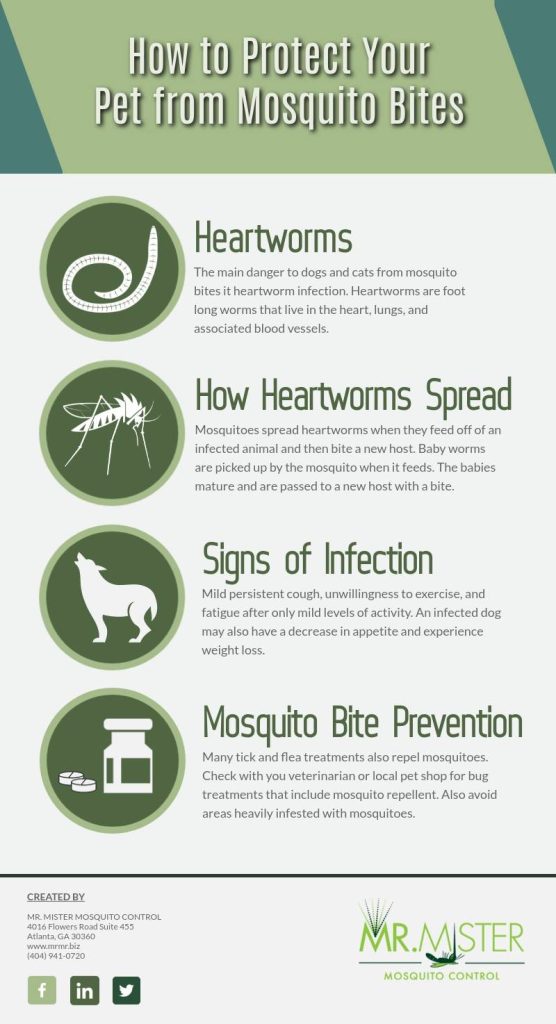
Are you worried about your cat getting itchy, uncomfortable mosquito bites? Mosquitoes don’t just bother humans—they can cause serious trouble for your furry friend too.
Imagine your cat scratching nonstop, or worse, catching diseases carried by these tiny pests. You want to keep your pet safe and happy, but where do you start? You’ll discover simple, effective ways to protect your cat from mosquito bites.
Keep reading to learn how easy it is to create a mosquito-free zone for your beloved pet.

Credit: justcatsclinic.com
Mosquito Risks For Cats
Mosquitoes are not just annoying pests. They can harm cats in many ways. Cats often get bitten when they spend time outside or near water.
Mosquito bites can cause itching and swelling. They also carry diseases that affect cats’ health. It is important to know the risks and protect cats from bites.
Health Issues From Bites
Mosquito bites can cause skin irritation and allergic reactions in cats. Some cats may scratch a lot, leading to wounds and infections.
Mosquitoes can spread serious diseases to cats. Heartworm is one of the most dangerous illnesses spread by mosquitoes. It affects the heart and lungs and can be fatal if untreated.
- Skin irritation and itching
- Allergic reactions
- Secondary infections from scratching
- Heartworm disease
- Other mosquito-borne diseases
Common Mosquito Species
Several mosquito species bite cats and spread diseases. Knowing common species helps in prevention.
The Culex mosquito is a common carrier of heartworm. Aedes mosquitoes also bite cats and can spread diseases. Anopheles mosquitoes are less common but still a risk in some areas.
- Culex:spreads heartworm
- Aedes:bites and spreads viruses
- Anopheles:less common but possible risk

Credit: menforsan.com
Safe Repellents For Cats
Mosquito bites can be uncomfortable and dangerous for cats. Using safe repellents helps protect them without harm.
It is important to choose repellents that do not contain chemicals toxic to cats. Natural options are a good choice.
Natural Repellent Options
Natural repellents use plant-based ingredients that mosquitoes dislike. These are usually safe for cats.
Some natural options include oils and sprays made from herbs. They keep mosquitoes away gently.
- Lavender oil
- Citronella oil
- Lemon eucalyptus oil
- Neem oil
- Rosemary
Avoiding Harmful Chemicals
Many mosquito repellents contain chemicals that are toxic to cats. Avoid these to keep your cat safe.
Do not use repellents with DEET, permethrin, or pyrethroids. These can cause illness or worse.
- DEET
- Permethrin
- Pyrethroids
- Essential oils toxic to cats like tea tree oil
Home Protection Strategies
Mosquito bites can harm cats and cause discomfort. Protect your cat by making your home less inviting to mosquitoes.
Using simple methods can reduce mosquitoes inside your home and keep your cat safe.
Installing Screens And Nets
Put screens on windows and doors to stop mosquitoes from entering. Use nets around sleeping areas or resting spots for your cat.
- Check screens regularly for holes and repair them.
- Install fine mesh nets to block small mosquitoes.
- Use door sweeps to close gaps under doors.
- Keep doors and windows closed when not in use.
Using Fans And Air Circulation
Mosquitoes dislike strong air flow. Using fans helps keep them away from your cat’s area.
| Type of Fan | Best Use | Benefit for Mosquito Control |
| Ceiling Fan | Living rooms, large areas | Creates steady airflow to reduce mosquito landing |
| Table Fan | Near cat resting places | Directs air to keep mosquitoes away |
| Exhaust Fan | Bathrooms, kitchens | Removes moist air that attracts mosquitoes |
Credit: justcatsclinic.com
Outdoor Precautions
Keeping your cat safe from mosquito bites is important. Mosquitoes can carry diseases that harm pets. Taking steps to protect your cat outdoors is vital.
Simple precautions help reduce the risk of mosquito bites. By adjusting outdoor habits, you can keep your cat safer and healthier.
Limiting Evening Exposure
Mosquitoes are most active in the evening. Keeping cats indoors during these times reduces their risk of bites.
- Bring your cat inside before dusk.
- Close windows and doors in the evening.
- Use screens to keep mosquitoes out.
Creating Mosquito-free Zones
Designing areas free from mosquitoes helps protect your cat. Remove standing water and maintain your yard to deter mosquitoes.
Consider using natural mosquito repellents like citronellaor lavenderplants in your garden.
| Action | Effect |
| Remove standing water | Reduces mosquito breeding |
| Trim grass and bushes | Minimizes mosquito habitats |
| Install outdoor fans | Disrupts mosquito flight |
Regular Grooming And Inspection
Keeping your cat well-groomed helps protect it from mosquito bites. Mosquitoes can hide in thick fur and bite unnoticed. Regular checks and grooming reduce this risk.
Inspecting your cat’s skin and fur often helps catch bites early. Clean fur also makes your cat less attractive to mosquitoes. These habits keep your pet safe and comfortable.
Checking For Bites
Look closely at your cat’s skin for signs of mosquito bites. Bites may appear as red bumps or small wounds. Check hidden areas like behind ears and under the legs.
- Part the fur to see the skin clearly
- Watch for redness or swelling
- Notice if your cat scratches or licks a spot often
- Check ears, neck, belly, and paws carefully
- Use a gentle light to improve visibility
Maintaining Clean Fur
Clean fur helps keep mosquitoes away and lowers bite risks. Bathing your cat regularly removes dirt and pests. Brushing fur also keeps it free of debris and tangles.
| Grooming Activity | Frequency | Benefit |
| Brushing | Every 2-3 days | Removes loose hair and dirt |
| Bathing | Monthly or as needed | Keeps skin clean and healthy |
| Inspecting Skin | Weekly | Detects bites or irritation early |
| Cleaning Ears | Biweekly | Prevents infections that attract pests |
Consulting A Veterinarian
Mosquito bites can cause discomfort and health risks for cats. A veterinarian is the best source for advice on protecting your pet. They can guide you on safe prevention methods and treatments.
Visiting a vet ensures your cat gets proper care if bitten. Early consultation helps avoid serious problems from mosquito bites.
Professional Advice On Prevention
Your veterinarian can recommend safe repellents and preventive products. Some human products are harmful to cats, so professional advice is important.
- Ask about cat-safe mosquito repellents
- Learn about environmental controls like mosquito nets
- Get tips on reducing standing water near your home
- Discuss your cat’s lifestyle and exposure risks
Treatment Options For Bites
If your cat is bitten, a vet can examine the site and suggest treatments. This prevents infection and reduces itching and swelling.
| Treatment | Description |
| Topical ointments | Reduce itching and inflammation |
| Antihistamines | Control allergic reactions |
| Antibiotics | Prevent or treat infections |
| Follow-up visits | Monitor healing and health |
Frequently Asked Questions
How Can I Protect My Cat From Mosquito Bites?
Use pet-safe mosquito repellents and keep cats indoors during peak mosquito times. Remove standing water near your home. Use screens on windows and doors to prevent mosquito entry.
What Are The Risks Of Mosquito Bites For Cats?
Mosquito bites can cause allergic reactions and transmit heartworm disease in cats. Infected cats may experience itching, swelling, or serious health issues. Prevention is crucial to avoid these risks.
Are Natural Mosquito Repellents Safe For Cats?
Some natural repellents like citronella and eucalyptus can be toxic to cats. Always use products specifically designed for pets. Consult your vet before applying any mosquito repellent to your cat.
When Is Mosquito Activity Highest Around Cats?
Mosquitoes are most active during dawn and dusk. Keep your cat indoors during these times to reduce bite risk. Use additional protective measures if your cat must be outside.
Conclusion
Protecting your cat from mosquito bites keeps them healthy and happy. Use safe repellents and keep your home clean. Close windows or use screens to block mosquitoes. Check your cat for bites after outdoor time. These small steps help avoid itchy skin and disease.
Stay alert and care for your pet daily. Your cat will thank you with more play and purrs. Simple actions make a big difference in their well-being. Keep mosquitoes away and enjoy peaceful moments together.

Lily Purrington is the founder of MyKittyPicks.com, a cozy corner of the web dedicated to helping cat lovers discover the best cat products, furniture, toys, and home decor ideas.
A lifelong cat enthusiast, Lily shares trusted tips, honest product recommendations, and stylish inspiration designed to keep kitties happy and homes beautiful.
Her mission is simple: to bring together practical advice and purr-fect picks that make life better for cats and the people who love them.


