
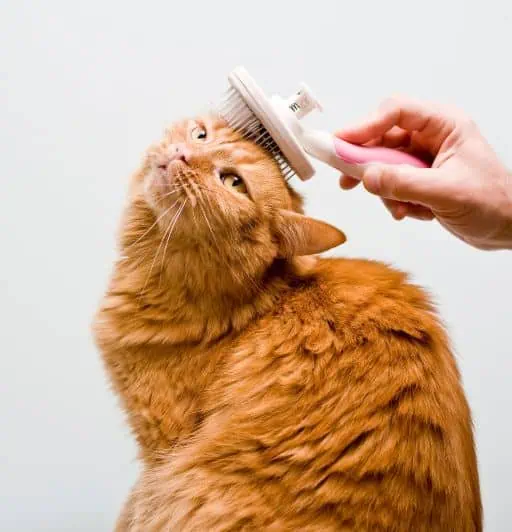
Are you tired of dealing with those stubborn mats in your cat’s fur? Mats can cause discomfort and even pain for your furry friend, but the good news is you can stop them before they start.
By learning simple, effective steps, you’ll keep your cat’s coat soft, shiny, and mat-free. Keep reading to discover easy tips that will make grooming stress-free for both you and your cat—because a happy cat means a happy you.
Causes Of Cat Mats
Mats form when a cat’s fur tangles and clumps together. These mats can be painful and trap dirt and moisture.
Understanding what causes mats helps you stop them from forming. Many factors can lead to matted fur.
Common Triggers
Some daily habits and health issues can cause mats on cats. Poor grooming is a main trigger.
If cats do not groom themselves well, their fur tangles easily. Illness or pain can stop grooming too.
- Not grooming regularly
- Skin problems causing discomfort
- Inactivity or obesity limiting movement
- Fur getting wet and not drying
Breed Factors
Some cat breeds have fur that mats more quickly. Long-haired cats need extra care to prevent mats.
Thick and dense fur can tangle easily. Breeds with fine or soft fur also face matting risks.
- Persian cats have long, thick coats
- Maine Coons have dense undercoats
- Ragdolls have soft, silky fur
- Any cat with double coats can mat
Environmental Influences
The cat’s environment can affect how mats form. Dirt and moisture make fur stick together.
Outdoor cats face more debris and wet conditions. Indoor cats may also get mats from lack of movement.
- Humidity causes fur to clump
- Dirt and leaves get caught in fur
- Sleeping in tight spaces can tangle fur
- Lack of daily brushing indoors

Credit: www.reddit.com
Daily Grooming Habits
Keeping your cat’s coat free of mats is important for their comfort. Daily grooming helps prevent tangles and skin problems.
Simple grooming routines can keep your cat happy and healthy. Let’s look at brushing techniques, tools, and timing.
Brushing Techniques
Start brushing gently from the head and move toward the tail. Use short strokes to reach the undercoat.
Pay close attention to areas where mats form often, like behind the ears and under the legs. Use your fingers to loosen any knots before brushing.
Best Grooming Tools
- Wide-toothed comb to detangle mats safely
- Soft bristle brush for sensitive skin areas
- Undercoat rake for thick or long fur
- Dematting tool for stubborn knots
Choose tools that match your cat’s fur type. Clean tools regularly to avoid spreading dirt or oil.
Timing And Frequency
| Cat Type | Brushing Frequency |
| Short-haired | 2-3 times per week |
| Medium-haired | Every other day |
| Long-haired | Daily brushing |
Brush your cat when they are calm and relaxed. Short sessions work best to keep grooming pleasant.
Diet And Hydration Effects
Proper diet and hydration play a big role in keeping your cat’s fur smooth. Good nutrition helps prevent mats and tangles. Water keeps the skin and coat healthy.
Feeding your cat the right food and ensuring they drink enough water supports a soft, shiny coat. This reduces the chance of mats forming.
Nutritional Impact On Fur
A balanced diet provides essential nutrients for strong, healthy fur. Protein, vitamins, and fatty acids make fur less likely to mat. Poor nutrition can cause dry, brittle hair.
Omega-3 and Omega-6 fatty acids improve fur texture. Vitamins A and E support skin health. These nutrients keep fur soft and easier to groom.
- High-quality protein helps hair grow strong
- Fatty acids reduce dryness and irritation
- Vitamins improve skin and coat condition
Hydration Tips For Healthy Coat
Water keeps your cat’s skin hydrated and fur smooth. Dehydration can cause dry skin, which leads to mats. Offer fresh water daily to encourage drinking.
Wet cat food adds moisture to your pet’s diet. This helps maintain hydration and supports a healthy coat. Monitor water intake, especially in older cats.
- Provide clean, fresh water every day
- Use water fountains to attract cats to drink
- Include wet food to increase moisture intake

Credit: freshlybailey.com
Professional Grooming Benefits
Professional grooming helps keep your cat's coat healthy and clean. Groomers use special tools to remove mats safely.
Regular grooming reduces the risk of painful mats and skin problems. It also improves your cat’s comfort and appearance.
When To Seek Experts
Look for professional help if mats cover a large area or are very tight. Do not try to cut mats yourself, it can hurt your cat.
Also, seek experts if your cat has sensitive skin or medical issues. Groomers can handle these cases with care and skill.
Services Offered
Professional groomers offer various services to prevent and remove mats. They tailor care to your cat’s needs and coat type.
- Brushing and dematting with special combs
- Bathing with gentle shampoos
- Trimming fur around problem areas
- Checking skin for irritations or infections
- Advice on home grooming routines
Handling Difficult Mats
Mats on cats can cause pain and skin problems if not handled well. Some mats are hard to remove and need careful attention.
Knowing how to deal with tough mats safely helps protect your cat and keeps its coat healthy.
Safe Removal Methods
Remove mats gently to avoid hurting your cat. Use the right tools and take breaks if your cat feels stressed.
- Use a wide-toothed comb to loosen the mat’s edges.
- Try a mat splitter or dematting tool carefully.
- If needed, trim mats with rounded-tip scissors.
- Keep your cat calm by speaking softly and petting it.
- Cut mats only if they do not pull on the skin.
Avoiding Common Mistakes
Some mistakes can make mats worse or hurt your cat. Avoid these to keep grooming safe and easy.
| Common Mistake | Why to Avoid |
| Pulling mats hard | Causes pain and skin injury |
| Using dull scissors | Increases risk of cuts |
| Ignoring small mats | Mats get worse over time |
| Skipping grooming sessions | Leads to heavy matting |
| Not calming your cat | Cat may scratch or run away |
Preventing Mats In Special Cases
Mats in cats’ fur can be uncomfortable and unhealthy. Special cases need extra care.
Different cats have different needs. Learn how to prevent mats in senior cats, long-haired breeds, and outdoor cats.
Senior Cats
Senior cats may have trouble grooming themselves. They need help to prevent mats.
Brush them gently every day. Use soft brushes to avoid hurting their skin.
- Check for mats around their neck and back
- Trim nails to prevent scratching
- Keep their sleeping area clean
Long-haired Breeds
Long-haired cats have more fur, which can tangle easily. Regular grooming is important.
Use a wide-tooth comb to remove loose fur. Pay extra attention to their belly and legs.
| Tools | Frequency |
| Wide-tooth comb | Daily |
| Soft brush | Every other day |
| Detangling spray | As needed |
Outdoor Cats
Outdoor cats are exposed to dirt and debris. This can lead to mats forming quickly.
Check their fur for leaves or twigs after they come inside. Regular baths can help remove dirt.
- Inspect their fur after outdoor play
- Use a pet-friendly shampoo
- Provide a dry, clean shelter
Regular Health Checks
Regular health checks are vital for your cat’s well-being. They help spot issues like mats early.
Health checks make sure your cat’s skin and coat are in top condition. This prevents mats from forming.
Skin Conditions And Mats
Skin conditions can lead to mats in your cat’s fur. Dry skin or allergies might cause this problem.
Check your cat’s skin during grooming sessions. Look for redness, flakes, or bumps.
- Use a soft brush to keep fur smooth
- Consult a vet if you find skin issues
- Choose a shampoo suitable for your cat’s skin
Parasite Prevention
Parasites like fleas can cause your cat to scratch. This may lead to mats.
Prevent parasites by using flea treatments. Keep your cat’s environment clean.
- Use vet-recommended flea treatments
- Wash bedding regularly
- Vacuum your home often to reduce fleas

Credit: www.amazon.com
Frequently Asked Questions
How Often Should I Groom My Cat To Prevent Mats?
Groom your cat daily or at least several times a week. Regular brushing removes loose fur and prevents tangles. This routine minimizes mat formation, especially in long-haired breeds.
What Tools Work Best For Preventing Cat Mats?
Use a slicker brush, metal comb, or grooming rake. These tools help detangle fur gently and reach the undercoat. Choose based on your cat’s fur type for best results.
Can Diet Affect Mat Formation In Cats?
Yes, a balanced diet improves coat health. Proper nutrition keeps fur shiny and strong, reducing mat risks. Omega-3 fatty acids and hydration support skin and hair condition.
How Do I Safely Remove Mats From My Cat?
Use a mat splitter or detangling spray carefully. Work slowly to avoid hurting your cat. For severe mats, seek professional grooming assistance.
Conclusion
Keeping your cat’s fur smooth takes regular care and attention. Brush your cat gently and often to stop mats from forming. Check their fur for tangles after play or naps. Use proper tools made for your cat’s coat type. Healthy skin and fur start with good food and hydration.
Remember, patience helps your cat enjoy grooming time. Avoid mats to keep your cat happy and comfortable. Simple steps can make a big difference every day. Caring for your cat’s coat shows love and keeps them healthy.

Lily Purrington is the founder of MyKittyPicks.com, a cozy corner of the web dedicated to helping cat lovers discover the best cat products, furniture, toys, and home decor ideas.
A lifelong cat enthusiast, Lily shares trusted tips, honest product recommendations, and stylish inspiration designed to keep kitties happy and homes beautiful.
Her mission is simple: to bring together practical advice and purr-fect picks that make life better for cats and the people who love them.


