
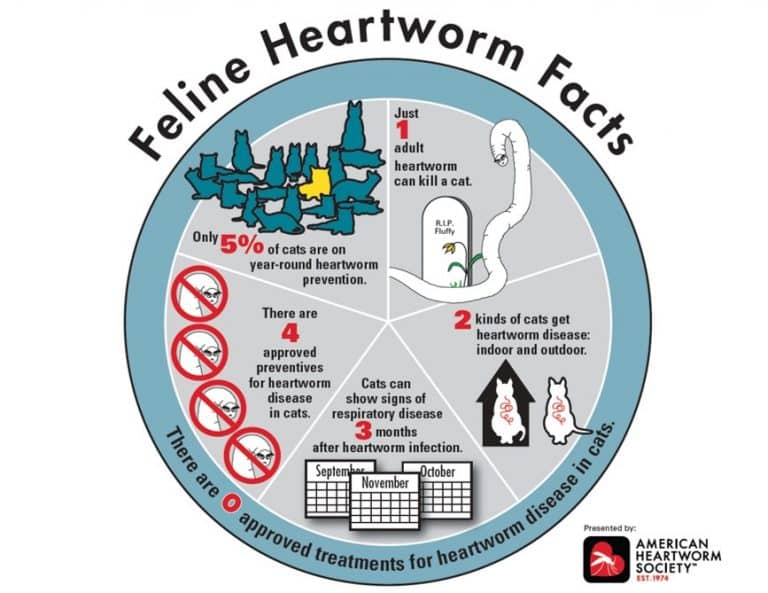
Heartworm is a serious threat that many cat owners don’t think about until it’s too late. But what if you could protect your furry friend from this dangerous parasite before it becomes a problem?
Understanding how to prevent heartworm in cats is easier than you might think—and it could save your cat’s life. You’ll discover simple, effective steps you can take right now to keep your cat safe and healthy. Don’t wait until you’re facing a crisis—read on to learn how to take control and protect your beloved pet today.
Heartworm Risks For Cats
Heartworm disease affects many pets, but cats face unique risks. It is important to understand how heartworms can harm your cat.
Knowing the dangers helps you keep your cat safe and healthy. This guide covers how cats get infected, symptoms, and prevention reasons.
How Cats Get Infected
Heartworms spread through mosquito bites. Mosquitoes carry tiny larvae that enter a cat’s body when they bite.
- Mosquito bites transfer heartworm larvae to cats
- Larvae grow into adult worms inside the cat’s heart and lungs
- Adult worms cause damage to vital organs
- Cats are less likely than dogs to have many worms, but even a few can cause illness
Symptoms To Watch For
Heartworm symptoms in cats may look like other illnesses. Watch for signs that need a vet’s attention.
| Symptom | What It Means |
| Coughing | Irritation or damage in lungs |
| Difficulty Breathing | Blocked airways or heart stress |
| Vomiting | Reaction to infection or stress |
| Loss of Appetite | Discomfort or illness |
| Weight Loss | Long-term health effects |
Why Prevention Matters
Preventing heartworm is safer than treating it. There is no approved treatment for cats like there is for dogs.
- Use vet-recommended heartworm preventives year-round
- Keep cats indoors to reduce mosquito exposure
- Remove standing water to limit mosquito breeding areas
- Check your cat often for signs of illness
- Visit the vet regularly for heartworm testing and care
Choosing The Right Preventive
Heartworm is a serious risk for cats. Choosing the right preventive keeps your cat safe. Knowing the types of medicines helps you pick the best one.
Preventive medicines kill heartworm larvae before they grow. Giving your cat regular medicine is key to prevention.
Types Of Heartworm Medications
There are different heartworm medicines for cats. Some also protect against other parasites. Choosing depends on your cat’s needs and lifestyle.
- Monthly preventives that kill larvae
- Medicines that protect against fleas and ticks
- Combination treatments for multiple parasites
Prescription Options
Heartworm preventives require a vet’s prescription. Your vet checks your cat’s health first. They decide the right medicine and dose.
Never give your cat medicine without a vet’s advice. The vet will also guide you on how often to give the medicine.
Topical Vs Oral Treatments
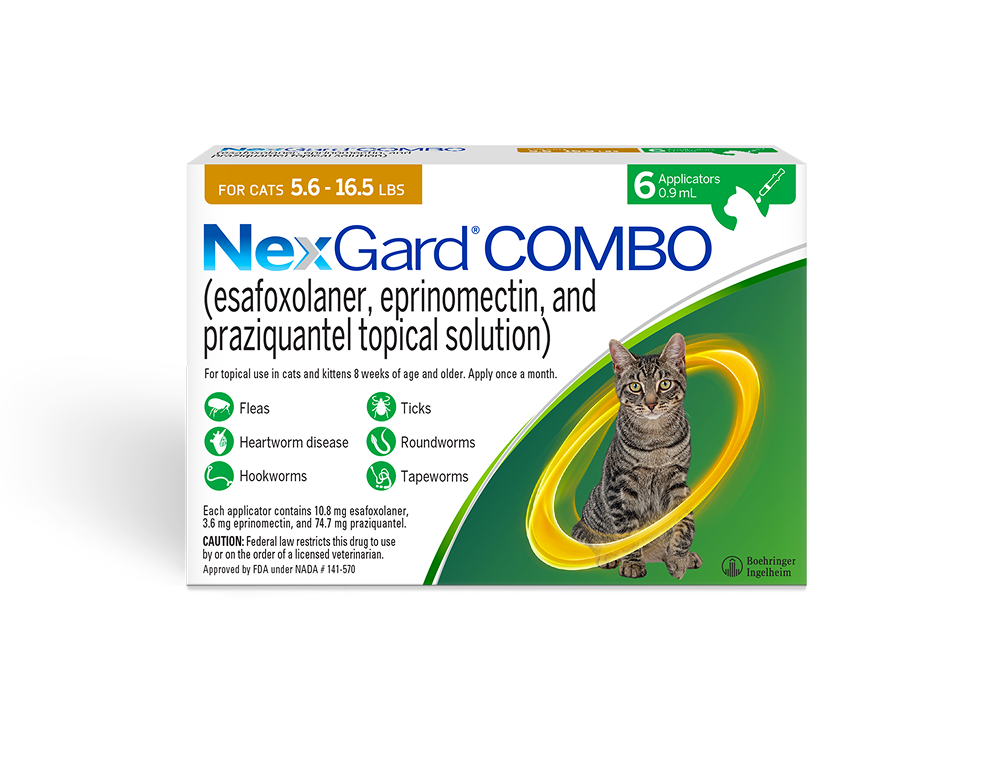
Topical treatments are liquids applied to the skin. Oral treatments are pills or chewables your cat eats. Both work well to prevent heartworm.
Some cats prefer pills, others tolerate topical better. Choose based on your cat’s comfort and ease of giving medicine.
- Topical:Applied once a month on the skin
- Oral:Given by mouth once a month
- Both protect against heartworm larvae
- Some topical options also kill fleas and ticks
Administering Heartworm Prevention
Giving your cat heartworm prevention medicine is key to keeping them safe. You need to follow the correct steps for best results.
This guide covers how to give the right dose, tips for easy medication, and common mistakes to avoid.
Proper Dosage And Timing
Always use the dose recommended by your vet. Too little medicine may not protect your cat well. Too much can cause harm.
| Age of Cat | Dosage | Frequency |
| Kittens (under 6 months) | Half dose | Every 30 days |
| Adult Cats (6 months and older) | Full dose | Every 30 days |
| Senior Cats | Full dose (check with vet) | Every 30 days |
Tips For Giving Medication
Giving medicine to cats can be hard. Try these tips to make it easier and less stressful for your cat and you.
- Use treats to hide the pill or chewable tablet
- Give medicine after a meal to avoid stomach upset
- Use a pill dispenser to place medicine at the back of the throat
- Stay calm and gentle while giving the medicine
- Reward your cat with praise or play afterward
Avoiding Common Mistakes
Skipping doses or giving the wrong amount can put your cat at risk. Watch out for these common errors.
- Do not skip doses, even if your cat seems healthy.
- Do not give medicine meant for dogs to cats.
- Do not store medicine in warm or damp places.
- Do not delay the next dose beyond the recommended date.
- Consult your vet if you miss a dose or notice side effects.

Credit: telyrx.com
Lifestyle Changes To Reduce Risk
Heartworm is a serious disease that can affect cats. Making simple lifestyle changes helps protect your pet from this risk. These changes focus on reducing contact with mosquitoes that carry heartworm larvae.
Below are key ways to keep your cat safe through everyday habits and care.
Keeping Cats Indoors
Keeping cats indoors limits their exposure to mosquitoes and other dangers. Indoor cats have a lower chance of getting heartworm.
- Provide toys and climbing spaces inside
- Keep windows screened to prevent mosquito entry
- Spend quality time playing indoors with your cat
Controlling Mosquito Exposure
Reducing mosquitoes in and around your home lowers the risk of heartworm. You can take several steps to control mosquitoes safely.
| Method | Description |
| Remove standing water | Empty bowls, plant saucers, and gutters often |
| Use mosquito screens | Install on doors and windows to keep mosquitoes out |
| Use safe repellents | Only use pet-safe mosquito repellents recommended by vets |
Regular Vet Checkups
Routine veterinary visits help detect heartworm early and keep cats healthy. Your vet can recommend tests and preventive medicine.
- Schedule yearly heartworm testing
- Ask about heartworm prevention treatments
- Discuss any unusual symptoms with your vet
Monitoring And Early Detection
Heartworm disease can harm your cat’s heart and lungs. Watching your cat closely helps catch problems early.
Early detection improves the chance to treat heartworms successfully. Regular checks are very important.
Recognizing Early Signs
Look for coughing, trouble breathing, or less energy. These signs may mean heartworms are present.
Other signs include vomiting, weight loss, or fainting. Notice any changes in your cat’s behavior.
- Coughing or wheezing
- Less activity or tiredness
- Vomiting or loss of appetite
- Weight loss
- Fainting or weakness
Routine Testing
Schedule regular vet visits for heartworm tests. Tests help find infections before symptoms appear.
Blood tests check for heartworm larvae or antibodies. Follow your vet’s advice on testing frequency.
- Annual blood tests recommended
- More frequent tests if outdoors often
- Testing before starting prevention medicine
When To Seek Veterinary Care
Contact your vet if your cat shows any early signs. Quick action helps prevent serious damage.
Emergency care is needed for breathing trouble or fainting. Never ignore sudden or severe symptoms.
- Coughing lasting more than a few days
- Difficulty breathing or rapid breathing
- Sudden weakness or collapse
- Loss of appetite or vomiting

Credit: www.zoetispetcare.com
Credit: nexgardforpets.com
Frequently Asked Questions
What Are The Common Symptoms Of Heartworm In Cats?
Symptoms include coughing, difficulty breathing, vomiting, weight loss, and lethargy. Some cats show no signs until severe damage occurs. Early detection is crucial for effective treatment and prevention.
How Can I Prevent Heartworm Infection In My Cat?
Use veterinarian-prescribed monthly heartworm preventatives. Keep your cat indoors to reduce mosquito exposure. Regular vet check-ups help monitor health and catch early signs of heartworm.
Are Heartworm Preventatives Safe For All Cats?
Yes, most heartworm preventatives are safe for healthy cats. Always consult your veterinarian before starting any medication. They will recommend the best, safest option tailored to your cat’s needs.
Why Is Heartworm Prevention Important For Indoor Cats?
Mosquitoes can enter homes and infect indoor cats. Indoor cats are not immune to heartworm disease. Prevention is essential regardless of your cat’s lifestyle to avoid severe health risks.
Conclusion
Preventing heartworm in cats keeps them healthy and happy. Use vet-approved preventives every month without missing a dose. Avoid areas with many mosquitoes, especially at dawn and dusk. Check your cat regularly for any signs of illness. Early care can stop serious health problems later.
Protect your cat with simple steps and regular vet visits. A little effort now saves many worries in the future. Keep your cat safe from heartworm all year round.

Lily Purrington is the founder of MyKittyPicks.com, a cozy corner of the web dedicated to helping cat lovers discover the best cat products, furniture, toys, and home decor ideas.
A lifelong cat enthusiast, Lily shares trusted tips, honest product recommendations, and stylish inspiration designed to keep kitties happy and homes beautiful.
Her mission is simple: to bring together practical advice and purr-fect picks that make life better for cats and the people who love them.


