
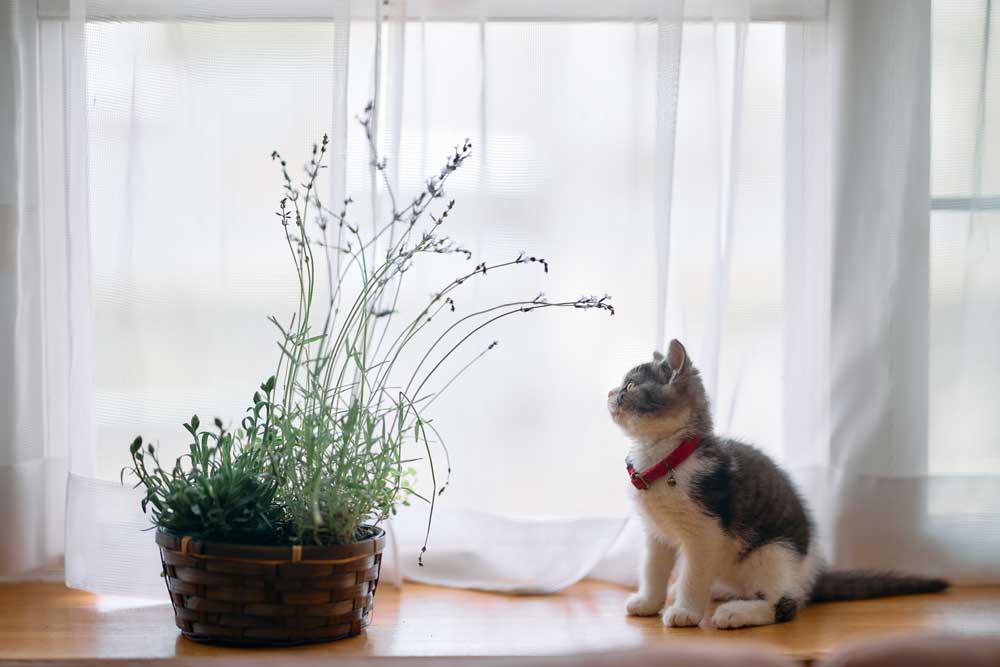
Are you wondering if lavender is safe for your cat? You want the best for your furry friend, but sometimes what seems natural can be risky.
Lavender is popular for its calming scent and beauty, but is it really harmless around your pet? Understanding the facts can protect your cat from harm and give you peace of mind. Keep reading to discover what you need to know about lavender and your cat’s safety.
Lavender And Cats
Many cat owners love the calming scent of lavender in their homes, but you might wonder if this fragrant plant is safe for your feline friends. Understanding how lavender interacts with cats is key to keeping your pets healthy and happy. Let’s look closer at what lavender is and how it’s commonly used, so you can make informed choices around your pets.
What Is Lavender?
Lavender is a flowering plant known for its beautiful purple blooms and soothing aroma. It belongs to the mint family and grows in many parts of the world. People often use lavender for its relaxing scent and natural healing properties.
Its essential oil is extracted from the flowers and has a strong fragrance. This oil is highly concentrated and can affect animals differently than the plant itself. Have you noticed how your cat reacts when you bring lavender inside?
Common Uses Of Lavender
Lavender is popular in many homes due to its versatility. You might find it in:
- Essential oils for aromatherapy
- Soaps and shampoos
- Sachets for freshening up closets and drawers
- Herbal teas and natural remedies
- Gardens as ornamental plants
Many people use lavender to reduce stress or improve sleep, but it’s important to remember that your cat’s body reacts differently. Have you ever wondered if your cat’s curiosity about that lavender sachet could be harmful? Understanding these uses helps you decide how to safely include lavender in your home environment around your pets.
Credit: www.kwikpets.com
Toxicity Of Lavender To Cats
Lavender is a popular plant known for its calming scent. Many people use it in homes and gardens. But its safety around cats is a concern. Lavender contains oils that can affect a cat’s health. Understanding this toxicity helps keep pets safe.
How Lavender Affects Cats
Lavender has essential oils like linalool and linalyl acetate. These oils can be harmful to cats. Cats cannot break down these oils well. When a cat smells, licks, or eats lavender, toxins enter their body. These toxins affect the nervous system and organs. Even small amounts can cause problems.
Symptoms Of Lavender Poisoning
Signs of poisoning can show quickly or take time. Watch for:
- Drooling or excessive licking
- Vomiting or diarrhea
- Weakness or unsteady walking
- Tremors or shaking
- Difficulty breathing
- Loss of appetite
These symptoms need immediate veterinary care. Early treatment helps prevent serious harm.
Safe Use Of Lavender Around Cats
Lavender is popular for its calming scent and beauty. Many pet owners wonder if it is safe around cats. Knowing how to use lavender safely can protect your furry friend from harm.
Some forms of lavender can be risky, while others are safer. Understanding the differences helps keep cats healthy and happy.
Lavender Essential Oil Risks
Lavender essential oil is very strong. It can cause problems for cats if they breathe it in or lick it. Cats lack certain liver enzymes to break down oil compounds. This can lead to:
- Vomiting
- Drooling
- Difficulty breathing
- Weakness or tremors
Always avoid applying lavender oil directly on cats. Use oil diffusers in well-ventilated areas and never leave cats alone with diffusers on. Keep oil bottles out of reach to prevent accidental spills.
Using Dried Lavender Safely
Dried lavender is much safer than the oil form. It can freshen rooms and provide a mild scent without strong chemicals. Place dried lavender in sachets or bowls where cats cannot eat it.
Monitor your cat’s reaction to dried lavender. Some cats may be curious and try to chew on it. Remove the lavender immediately if you see signs of irritation or unusual behavior.
Never mix dried lavender with essential oil. Keep lavender products away from cat food and water bowls to avoid contamination.

Credit: www.hbnobulk.com
Alternatives To Lavender For Pets
Finding safe alternatives to lavender for your pets is essential if you want to keep their environment both pleasant and secure. While lavender is popular for its calming scent, it can pose risks to cats. Luckily, there are other aromatic plants and essential oils that are gentle and safe for your furry friends.
Pet-friendly Aromatic Plants
You might be surprised how many plants offer a lovely aroma without harming your pets. Some safe options include:
- Chamomile:Known for its soothing properties, chamomile is safe and can even help calm anxious cats.
- Rosemary:This herb adds a fresh scent and is non-toxic to cats when kept in small amounts.
- Basil:Besides its culinary uses, basil is safe for cats and offers a subtle, sweet fragrance.
Have you noticed how your cat reacts differently to various plants? Observing their behavior can guide you in choosing the best options.
Safe Essential Oils For Cats
Essential oils must be used cautiously around cats since many can be harmful. However, some oils are considered safer when diluted properly:
- Frankincense:Used sparingly, it can promote relaxation without adverse effects.
- Myrrh:Known for its gentle scent and safety in low concentrations.
- Cedarwood:Often used to repel pests and generally safe for cats.
Always remember to use essential oils in well-ventilated spaces and never apply them directly to your pet. How do you ensure your home smells nice without risking your cat’s health?
First Aid For Lavender Exposure
Knowing how to act quickly after your cat is exposed to lavender can protect its health. Lavender contains oils that may cause mild to moderate reactions in cats. Early care can reduce risks and ease symptoms. This section explains the right first aid steps to take and when professional help is necessary.
Immediate Steps To Take
Remove your cat from the area with lavender to stop further contact.
Check your cat’s body for any signs of irritation or unusual behavior.
Rinse your cat’s skin or fur with lukewarm water to wash away oils.
Do not use soaps or shampoos unless approved by a vet.
Offer fresh water to encourage drinking and help flush toxins.
Keep your cat calm and in a quiet place to monitor its condition.
When To See A Vet
- If your cat shows vomiting, diarrhea, or drooling.
- Signs of difficulty breathing or wheezing.
- Unusual lethargy or weakness.
- Swelling or redness on the skin that worsens.
- If your cat ingested a large amount of lavender.
- Any sudden, severe change in behavior or movement.
Contact a vet immediately if any of these symptoms appear. Prompt care can prevent serious problems and keep your cat safe.
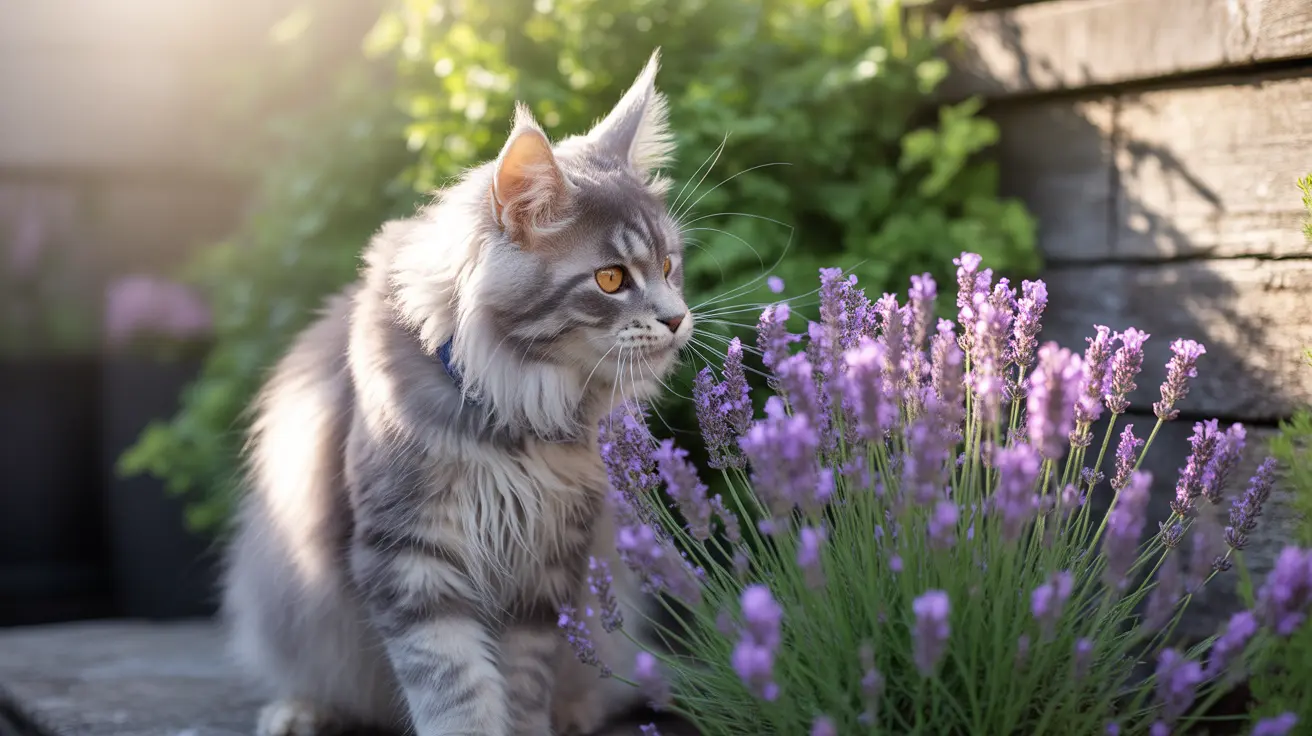
Credit: www.petscare.com
Preventing Lavender-related Incidents
Preventing incidents related to lavender and cats is key to keeping pets safe. Lavender contains oils that can harm cats if ingested or touched. Careful handling and awareness reduce risks in the home.
Safe Storage Tips
- Keep lavender products out of reach of cats at all times.
- Store essential oils and dried lavender in sealed containers.
- Avoid placing lavender near places where cats like to rest or play.
- Use childproof or pet-proof cabinets for all scented items.
- Clean up any spills immediately to prevent accidental contact.
Educating Household Members
- Inform everyone in the home about lavender’s risks for cats.
- Teach children not to touch or play with lavender plants.
- Remind guests to avoid using lavender products around cats.
- Discuss signs of lavender poisoning with family members.
- Encourage quick action if a cat shows unusual symptoms.
Frequently Asked Questions
Is Lavender Safe For Cats To Inhale?
Lavender is mildly toxic to cats if inhaled in large amounts. Small exposure may cause mild respiratory irritation. Avoid using strong lavender oils or diffusers around cats for safety.
Can Cats Eat Lavender Plants Safely?
No, cats should not eat lavender plants. Ingesting lavender can cause stomach upset, vomiting, or diarrhea. Keep lavender out of your cat’s reach.
What Are Symptoms Of Lavender Poisoning In Cats?
Symptoms include drooling, vomiting, diarrhea, weakness, and difficulty breathing. Immediate vet care is essential if lavender poisoning is suspected.
How To Use Lavender Safely Around Cats?
Use lavender products sparingly and in well-ventilated areas. Avoid direct contact or ingestion by cats. Opt for cat-safe alternatives if unsure.
Conclusion
Lavender is generally safe for cats in small amounts. Always monitor your cat’s reaction. Some cats may be sensitive. If any signs of discomfort appear, consult your vet. Keep lavender out of reach to prevent ingestion. Essential oils are more potent and should be avoided.
Using lavender around cats requires caution and awareness. A pet-safe home is important. Always prioritize your cat’s health and safety. Research and consult experts if uncertain. Happy and healthy cats bring joy to every home.

Lily Purrington is the founder of MyKittyPicks.com, a cozy corner of the web dedicated to helping cat lovers discover the best cat products, furniture, toys, and home decor ideas.
A lifelong cat enthusiast, Lily shares trusted tips, honest product recommendations, and stylish inspiration designed to keep kitties happy and homes beautiful.
Her mission is simple: to bring together practical advice and purr-fect picks that make life better for cats and the people who love them.


