
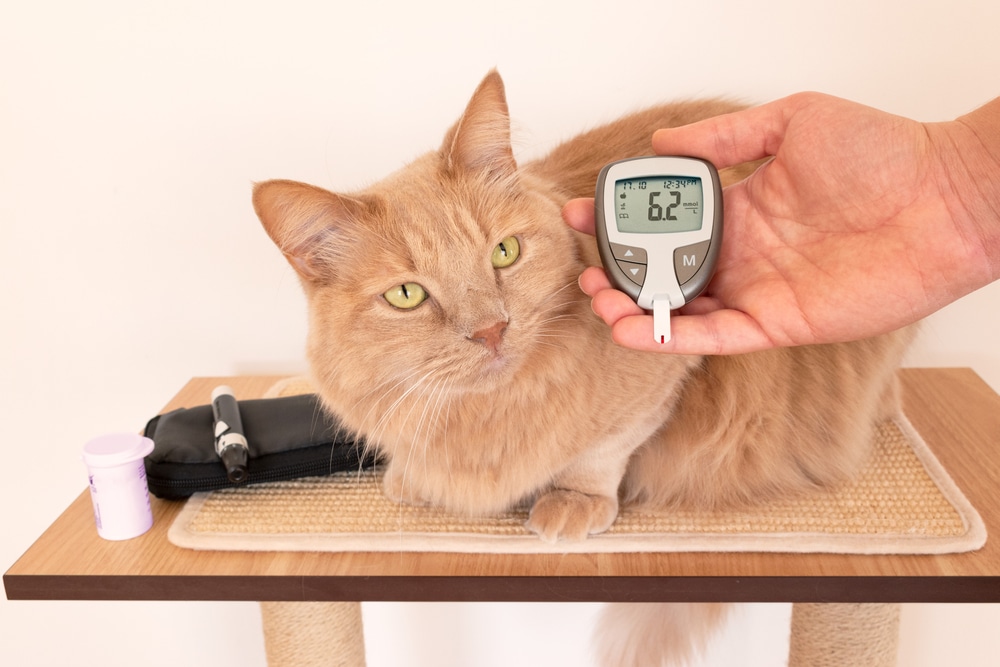
If you love your cat, keeping them healthy is your top priority. Diabetes in cats can be serious, but the good news is you have the power to prevent it.
By making a few simple changes in your cat’s daily routine, you can protect them from this condition and ensure they live a happy, active life. You’ll discover easy and effective ways to lower your cat’s risk of diabetes. Keep reading—you owe it to your furry friend to learn how to keep them safe and healthy.
Causes Of Diabetes In Cats
Diabetes in cats happens when their body cannot control blood sugar. This problem can make cats very sick. Understanding the causes helps owners keep cats healthy.
Many things can lead to diabetes in cats. Some causes are linked to their body, while others come from their lifestyle or food.
Genetic Factors
Some cats get diabetes because of their genes. Certain breeds have a higher chance of diabetes. If a cat’s parents had diabetes, the cat might get it too.
Obesity And Weight Issues
Fat cats are more likely to get diabetes. Extra weight makes the body less able to use insulin. This causes blood sugar to rise and can lead to diabetes.
- Overfeeding your cat can cause weight gain.
- Some cats gain weight with age.
- Neutered cats may gain weight faster.
- Heavy cats have higher diabetes risk.
Diet And Nutrition
What cats eat affects their diabetes risk. Foods high in sugar or carbohydrates can cause problems. A poor diet makes it hard for the body to control blood sugar.
| Food Type | Effect on Diabetes Risk |
| High Carbohydrate | Increases risk |
| High Sugar | Increases risk |
| High Protein | Better for control |
| Balanced Diet | Helps prevent diabetes |
Lack Of Exercise
Cats that do not move enough can get diabetes. Exercise helps the body use insulin better. Without enough activity, cats can gain weight and raise blood sugar.
Tips for more cat exercise:
- Play with toys daily
- Use laser pointers
- Provide climbing trees
- Encourage outdoor time if safe
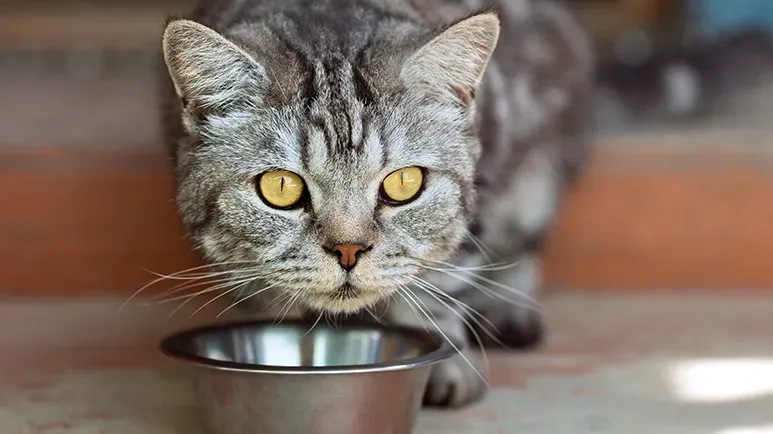
Credit: www.barkandwhiskers.com
Recognizing Early Signs
Diabetes in cats can be hard to spot at first. Early signs help you protect your pet.
Knowing what to watch for lets you get care sooner. This keeps your cat healthier.
Increased Thirst And Urination
Cats with diabetes often drink more water than usual. This makes them pee more often too.
Look for these signs at home. They may seem small but are important clues.
- Water bowl empties quickly
- Cat visits the litter box more often
- Urine may look diluted or more frequent
Weight Loss Despite Eating
Even if your cat eats well, diabetes can cause weight loss. The body cannot use sugar properly.
- Loose skin or visible ribs
- Smaller waist size
- Less muscle tone
Lethargy And Weakness
Diabetes can make cats tired and weak. They may sleep more and move less than usual.
| Behavior | What to Watch For |
| Lethargy | Less active, sleeps more than normal |
| Weakness | Struggles to jump or climb |
| Unusual Resting | Hides or stays in one place |
Healthy Diet Choices
Cats need special diets to stay healthy. Choosing the right foods can help prevent diabetes.
Focus on meals that support balanced blood sugar levels.
Low-carbohydrate Foods
Cats thrive on diets low in carbohydrates. These foods help keep blood sugar stable.
- Meat-based meals like chicken or turkey
- High-protein fish such as salmon
- Eggs for added protein and nutrients
Balanced Nutrients
A diet with balanced nutrients supports a cat’s overall health. Include essential vitamins and minerals.
| Nutrient | Source |
| Protein | Chicken, Fish |
| Omega-3 | Fish Oil |
| Vitamin A | Liver |
Avoiding Sugary Treats
Sugary treats can lead to health problems in cats. It is important to limit these in their diet.
Exercise And Activity
Exercise is important to keep cats healthy and prevent diabetes. Active cats burn calories and stay at a good weight.
Regular activity helps control blood sugar and keeps your cat’s body strong.
Daily Playtime
Set aside time every day to play with your cat. Play helps your cat move and stay fit.
Use toys like balls or feather wands to keep your cat interested and active.
Interactive Toys
Interactive toys make cats think and move. They encourage your cat to chase, pounce, and jump.
Examples include puzzle feeders and laser pointers that keep your cat busy and moving.
- Puzzle feeders slow down eating and add fun
- Laser pointers encourage running and jumping
- Battery-operated toys move on their own
Encouraging Movement
Place your cat’s food and water in different spots. This makes your cat walk more during the day.
Use climbing trees or shelves to give your cat places to jump and explore.
- Move feeding bowls to new locations
- Add cat trees for climbing and resting
- Hide toys for your cat to find
Regular Vet Checkups
Regular vet visits help keep your cat healthy. They catch problems early before they get worse.
Routine checkups are key to preventing diabetes in cats. Vets can guide you on care and tests.
Blood Sugar Monitoring
Checking your cat’s blood sugar helps track its health. Your vet can teach you how to do this.
- Regular blood tests at the vet
- Home glucose monitoring with vet advice
- Watch for signs like increased thirst or urination
Weight Management Plans
Keeping your cat at a healthy weight lowers diabetes risk. Your vet can design a plan for food and exercise.
| Weight Category | Recommended Action |
| Underweight | Check for illness, adjust diet |
| Ideal Weight | Maintain with balanced diet and play |
| Overweight | Create a weight loss plan with vet |
Early Detection Strategies
Early signs of diabetes include weight loss and tiredness. Regular vet visits help spot these signs fast.
Tips for early detection:
- Watch for changes in appetite
- Note any unusual behavior
- Keep track of your cat’s energy levels

Credit: www.youtube.com
Managing Stress Levels
Stress can affect a cat’s health and may increase the risk of diabetes. Keeping your cat calm helps control their blood sugar levels. It is important to manage stress through a peaceful home and good habits.
Reducing stress supports your cat’s overall well-being. Simple changes can make a big difference in preventing diabetes.
Calm Environment
A quiet and safe space helps cats feel relaxed. Loud noises and sudden changes can cause stress. Provide a cozy area where your cat can rest undisturbed.
Soft bedding and hiding spots make cats feel secure. Avoid overcrowded rooms and keep pets separated if they don’t get along well.
Routine And Stability
Cats thrive on routine. Feeding, playtime, and cleaning should happen at the same times each day. This predictability lowers stress and keeps cats calm.
Try to keep your cat’s daily schedule steady, even during travel or changes at home. Consistency helps maintain healthy habits and reduces anxiety.
Reducing Anxiety Triggers
Identify what causes your cat to feel anxious. Common triggers include loud noises, strangers, and other pets. Minimizing these helps prevent stress.
Use calming products like pheromone diffusers if needed. Spend time comforting your cat and giving gentle attention to ease anxiety.
- Keep loud sounds low or away from your cat
- Limit visitors or introduce them slowly
- Provide safe spaces to escape stressful moments
- Use calming sprays or diffusers in your home
Medication And Treatment Options
Cats can get diabetes just like humans. Knowing treatment options helps manage their health. Proper care can improve their quality of life.
Understanding medication options is key. This guide covers insulin therapy, oral medications, and ongoing monitoring.
Insulin Therapy
Insulin therapy is common for diabetic cats. It helps regulate blood sugar levels. Most cats need daily injections.
- Consult your vet for proper dosage.
- Administer injections at the same time each day.
- Monitor your cat’s response to treatment.
Oral Medications
Oral medications can be an option for some cats. They help manage diabetes without injections. Not all cats respond to oral meds.
Ongoing Monitoring
Regular monitoring is essential. Keep track of blood sugar levels and adjust treatments as needed.
| Monitoring Task | Frequency |
| Blood Sugar Test | Daily |
| Vet Check-up | Quarterly |
| Diet Review | Monthly |

Credit: lodianimalhospital.com
Frequently Asked Questions
What Are Early Signs Of Diabetes In Cats?
Early signs include increased thirst, frequent urination, weight loss, and increased appetite. Watch for lethargy and poor coat condition. Detecting these early helps start treatment sooner and prevent complications.
How Can Diet Prevent Diabetes In Cats?
Feeding a balanced, low-carb diet helps maintain healthy blood sugar. Avoid high-carb foods and treats. Consult your vet for a suitable diet plan to reduce diabetes risk.
Does Exercise Reduce Diabetes Risk In Cats?
Yes, regular play and activity help control weight and improve insulin sensitivity. Encourage daily interactive play to keep your cat active and healthy.
Can Obesity Cause Diabetes In Cats?
Obesity is a major risk factor for feline diabetes. Excess fat affects insulin function. Maintaining a healthy weight through diet and exercise lowers diabetes chances.
Conclusion
Preventing diabetes in cats starts with good daily care. Feed them healthy food and avoid too many treats. Keep your cat active with play and exercise. Regular vet visits help catch problems early. Watch for signs like extra thirst or weight loss.
Small changes make a big difference for your cat’s health. Stay consistent and patient. Your cat will thank you with a happy, long life. Simple steps today protect your furry friend tomorrow.

Lily Purrington is the founder of MyKittyPicks.com, a cozy corner of the web dedicated to helping cat lovers discover the best cat products, furniture, toys, and home decor ideas.
A lifelong cat enthusiast, Lily shares trusted tips, honest product recommendations, and stylish inspiration designed to keep kitties happy and homes beautiful.
Her mission is simple: to bring together practical advice and purr-fect picks that make life better for cats and the people who love them.


