
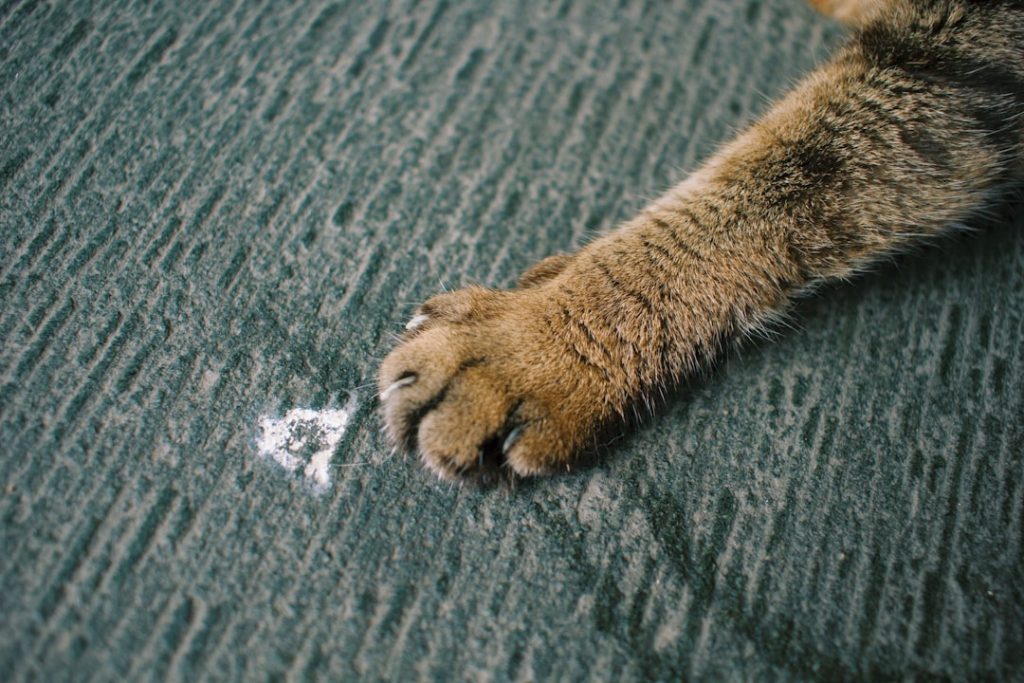
Is your carpet becoming a target for your cat’s unwanted bathroom trips? You’re not alone, and the frustration is real.
Cat urinating on carpet can damage your home and create lingering odors that are hard to ignore. But what if you could stop this behavior before it starts or quickly fix it when it does? You’ll discover simple, effective steps to protect your carpet and keep your home fresh.
Keep reading, because the solution is easier than you think—and your cat will thank you too.
Credit: www.amazon.ca
Causes Of Carpet Urination
Cats may urinate on carpets for many reasons. Knowing the cause helps stop this problem.
Some causes come from health, behavior, or the cat’s surroundings. Each reason needs different care.
Medical Issues
Illness can make cats urinate outside their litter box. Pain or discomfort may cause this behavior.
- Urinary tract infections cause urgent and frequent urination.
- Kidney problems can increase urination volume.
- Diabetes may lead to more urine and accidents.
- Bladder stones cause pain when urinating.
- Arthritis makes it hard to reach the litter box.
Behavioral Factors
Cats use urine to mark territory or react to stress. These behaviors can cause carpet urination.
| Behavior | Why It Happens |
| Marking territory | Feeling threatened by other pets |
| Stress urination | Changes like new people or moving |
| Litter box avoidance | Dirty or hard-to-reach boxes |
| Attention seeking | Wanting owner’s focus |
Environmental Triggers
Some cats urinate on carpet due to changes or problems in their environment.
Common environmental triggers include:
- New furniture or carpet scents
- Other animals nearby
- Loud noises or household changes
- Unclean litter areas
- Restricted access to the litter box
Immediate Actions To Take
If your cat urinates on the carpet, act fast. Quick action helps stop stains and bad smells.
Cleaning right away makes it easier to remove the mess. It also helps prevent repeat accidents.
Cleaning Techniques
Start by blotting the wet urine with paper towels. Press firmly to absorb as much liquid as possible.
Next, use cold water to dampen the area lightly. Avoid hot water because it can set the stain.
- Blot urine with paper towels immediately
- Apply cold water to the spot
- Use a clean cloth to gently scrub the area
- Repeat blotting until no more urine transfers
Removing Odors Completely
Use an enzyme cleaner made for pet urine. Enzymes break down urine molecules that cause smells.
After applying cleaner, let it sit for 10 to 15 minutes. Then blot or rinse the area with water.
- Choose an enzyme-based cleaner
- Apply cleaner generously to the spot
- Let it soak for recommended time
- Blot or rinse with cold water
- Dry the area completely
Litter Box Solutions
Cats may urinate on carpets if their litter box needs are not met. Using the right litter box solutions helps prevent this problem. Good litter box habits keep your home clean and your cat happy.
This guide covers how to choose the right litter, place the litter box well, and keep it clean. These steps make your cat more likely to use the litter box properly.
Choosing The Right Litter
Choose litter that your cat likes to use. Soft, clumping litter is often best. Avoid strong smells that can bother your cat.
Try different types of litter to see which one your cat prefers. Some cats like unscented litter or natural materials.
- Clumping litter helps remove waste easily
- Unscented litter avoids strong odors
- Natural litter is gentle on paws
Optimal Litter Box Placement
Place the litter box in a quiet, low-traffic area. Cats need privacy to feel safe when using their box.
Avoid placing the box near food or loud appliances. Keep it easy to reach but not in busy spots.
- Choose a calm, quiet room
- Keep the box away from food bowls
- Make sure the box is easy to access
Maintaining Cleanliness
Clean the litter box daily to remove waste. Cats avoid dirty boxes and may urinate elsewhere.
Change the litter completely and wash the box weekly. Use mild soap and water to clean it well.
- Scoop waste at least once a day
- Replace litter fully once a week
- Wash the box with mild soap weekly
Behavioral Training Tips
Stopping a cat from urinating on the carpet takes patience and care. Understanding your cat’s behavior helps you train it better.
These tips focus on changing your cat’s habits using kind and safe methods. Training can reduce stress for both you and your pet.
Positive Reinforcement
Praise your cat when it uses the litter box. Reward with treats or gentle petting to encourage good habits.
Use a calm voice and offer rewards right after the desired action. This helps your cat link good behavior with positive results.
- Give treats immediately after litter box use
- Use calm, happy tones for praise
- Keep rewards consistent and fair
- Avoid punishment, as it may cause fear
Discouraging Carpet Access
Limit your cat’s time on carpeted areas where it urinates. Close doors or use baby gates to block access.
Provide alternative comfortable spots with soft bedding to keep your cat happy and away from the carpet.
- Close doors to rooms with carpet
- Use gates to block access
- Place cozy beds in safe areas
- Keep litter box clean and nearby
Using Deterrents Safely
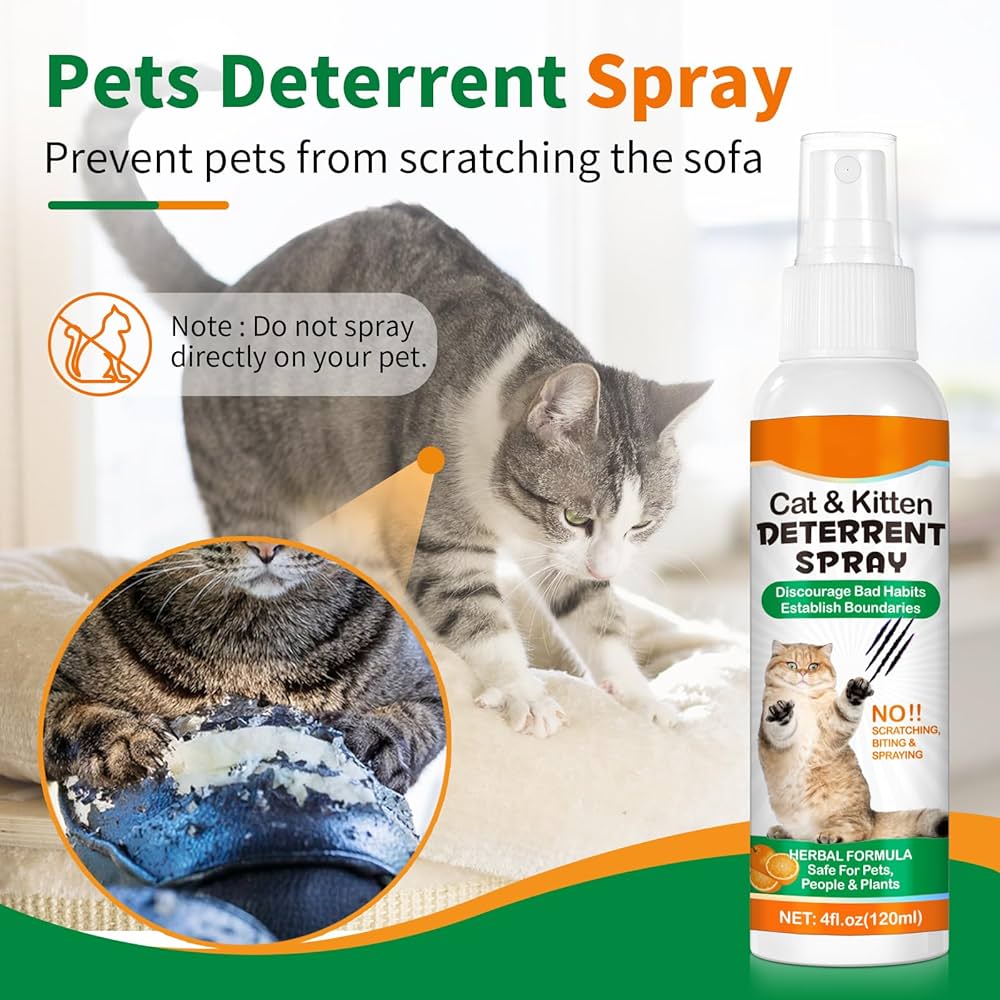
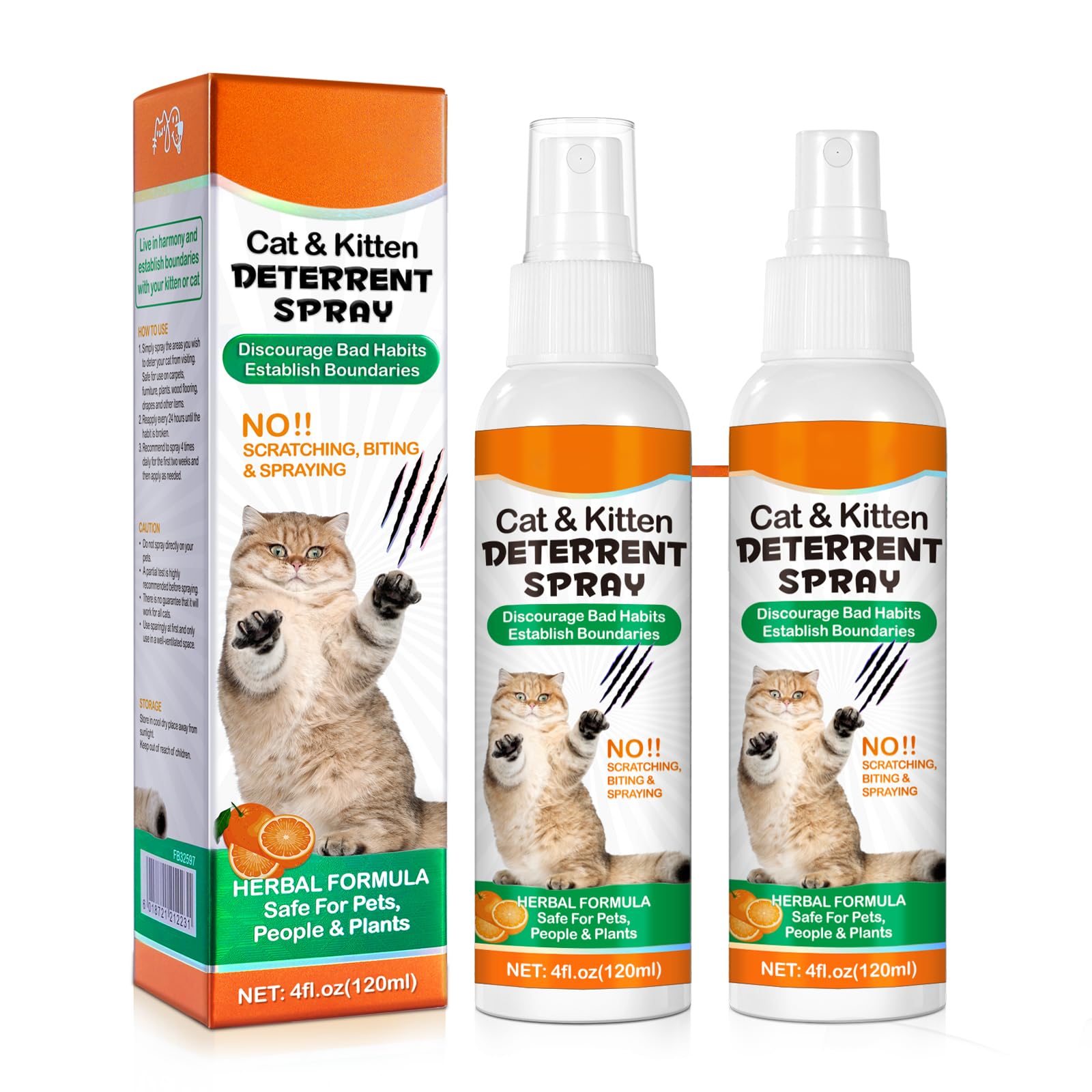
Use safe deterrents to discourage carpet urination. Avoid harsh chemicals or sprays that could harm your cat.
Try natural scents or textures cats dislike, like citrus or aluminum foil, placed on the carpet temporarily.
- Use citrus peels or sprays near carpet edges
- Place aluminum foil sheets on problem spots
- Try double-sided tape to change carpet texture
- Always check for cat safety before use
Environmental Adjustments
Stopping your cat from urinating on the carpet needs changes in their environment. Cats need safe and clean places to go.
Changing the environment helps your cat feel comfortable and reduces accidents. Two main ways are giving them alternative spots and lowering stress.
Providing Alternative Spots
Give your cat good places to urinate other than the carpet. Clean litter boxes are a must. Place boxes in quiet, easy to reach areas.
- Use multiple litter boxes in different rooms.
- Choose litter that your cat likes.
- Keep boxes clean and scoop daily.
- Try different box types like covered or open.
- Place boxes away from food and water bowls.
Reducing Stress Factors
Stress makes cats urinate outside the box. Find and reduce things that upset your cat.
| Stress Factor | How to Reduce |
| New pets | Introduce slowly and supervise |
| Loud noises | Use quiet spaces and soft music |
| Changes in routine | Keep feeding and playtime regular |
| Dirty litter box | Clean often and replace litter |
| Limited space | Provide hiding spots and climbing areas |

Credit: www.amazon.ca
When To Consult A Vet
Cats sometimes urinate on carpets due to health issues. It’s important to know when to seek professional help.
Consulting a vet can prevent serious health problems for your cat. Watch for signs that indicate a vet visit is needed.
Recognizing Health Symptoms
Health symptoms can be subtle but important. Recognizing them early helps in treating your cat effectively.
- Frequent urination outside the litter box
- Blood in urine
- Excessive licking of the genital area
- Changes in eating or drinking habits
Professional Treatment Options
Vets can offer various treatments. They focus on diagnosing the underlying cause of the problem.
Options may include medication, dietary changes, or lifestyle adjustments. Early intervention is key for effective treatment.
- Antibiotics for urinary tract infections
- Special diets to prevent bladder stones
- Behavioral therapies for stress-related issues
Credit: www.amazon.ca
Frequently Asked Questions
Why Is My Cat Urinating On The Carpet?
Cats often urinate on carpets due to stress, medical issues, or dirty litter boxes. It can also be a territorial behavior. Identifying the cause helps in applying the right solution to prevent this behavior effectively.
How Can I Clean Cat Urine From Carpet?
Use an enzymatic cleaner designed for pet urine to break down odor-causing proteins. Avoid ammonia-based cleaners, as they may attract cats back to the spot. Blot the area thoroughly and allow it to dry completely.
What Changes Help Stop Cats Urinating Indoors?
Provide clean litter boxes, reduce stress, and keep a consistent routine. Adding more litter boxes and using unscented litter can also help prevent indoor urination issues. Regular vet checkups ensure no health problems cause this behavior.
Can Behavior Training Prevent Carpet Urination?
Yes, positive reinforcement and redirecting cats to litter boxes work well. Avoid punishment, as it may increase anxiety and worsen the problem. Reward good behavior with treats and affection to encourage proper bathroom habits.
Conclusion
Preventing your cat from urinating on the carpet takes patience and care. Keep the litter box clean and in a quiet spot. Watch for signs of stress or health problems in your cat. Use special cleaners to remove any urine smell from carpets.
Offer your cat plenty of attention and playtime. Small changes can make a big difference in behavior. A happy cat means a clean home. Stay consistent and gentle throughout the process. Your efforts will help keep both your cat and carpet safe.

Lily Purrington is the founder of MyKittyPicks.com, a cozy corner of the web dedicated to helping cat lovers discover the best cat products, furniture, toys, and home decor ideas.
A lifelong cat enthusiast, Lily shares trusted tips, honest product recommendations, and stylish inspiration designed to keep kitties happy and homes beautiful.
Her mission is simple: to bring together practical advice and purr-fect picks that make life better for cats and the people who love them.


