
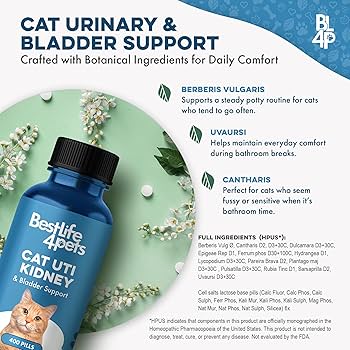
If you’re a cat owner, you know how important it is to keep your furry friend healthy and happy. One common but painful problem cats face is bladder stones.
These tiny crystals can cause discomfort, frequent urination, and serious health issues if left untreated. The good news? You can take simple steps right now to help prevent bladder stones from forming. You’ll learn easy and effective ways to protect your cat’s bladder health, so you can avoid those stressful vet visits and keep your pet feeling great.
Keep reading to discover how to make a real difference in your cat’s well-being.

Credit: www.amazon.com
Causes Of Bladder Stones
Bladder stones in cats form when minerals build up in their urine. These stones can cause pain and block urine flow. Knowing the causes helps prevent them.
Several factors contribute to bladder stones. These include diet, water intake, genetics, and infections. Each plays a role in stone formation.
Diet And Nutrition
What a cat eats affects the chances of bladder stones. Foods high in certain minerals can increase risks. Balanced nutrition keeps the urinary system healthy.
- Diets high in magnesium and phosphorus may cause stones.
- Low-quality dry food can concentrate minerals in urine.
- Proper protein levels support bladder health.
- Special diets can help dissolve some stones.
Hydration Levels
Water intake is very important. Cats that drink little water have concentrated urine. This creates a good environment for stones to form.
| Hydration Level | Effect on Urine | Risk of Stones |
|---|---|---|
| High | Diluted urine | Low |
| Moderate | Normal concentration | Medium |
| Low | Concentrated urine | High |
Genetic Factors
Some cat breeds inherit risks for bladder stones. Genetics can affect urine chemistry and stone formation. Knowing breed risks helps with early care.
Breeds like Persians and Himalayans often face higher chances. Genetic traits may cause abnormal mineral levels in urine.
Urinary Tract Infections
Infections in the urinary tract can lead to stones. Bacteria change urine pH and cause crystals to form. Treating infections quickly is key.
- Infections increase mineral buildup in urine.
- Bacterial byproducts can cause crystal formation.
- Untreated infections raise stone risks.
- Regular vet checkups detect infections early.
Recognizing Symptoms Early
Bladder stones can cause serious problems for cats. Catching symptoms early helps prevent pain and infection. Watch your cat closely for any changes.
Early signs often show in how your cat urinates, acts, and feels. Knowing these signs helps you get veterinary care fast.
Changes In Urination
Bladder stones can make urination hard or painful. Your cat may pee more often or have accidents outside the litter box.
Look for signs like straining, blood in urine, or small amounts of urine. These changes mean your cat needs help.
- Frequent trips to the litter box
- Straining or crying while urinating
- Blood or cloudy urine
- Accidents outside the litter box
Behavioral Signs
Your cat may act differently if bladder stones cause pain. They might hide more or seem less active.
Watch for changes like irritability or loss of appetite. These behaviors show your cat is not feeling well.
- Hiding or avoiding people
- Less play and activity
- Irritability or restlessness
- Loss of interest in food
Physical Discomfort
Bladder stones cause pain in your cat’s belly or lower back. They may lick the area often or seem stiff.
Look for signs like a tense belly or trouble jumping. These signs mean your cat may have bladder stones.
- Frequent licking of the lower belly
- Stiff or hunched posture
- Difficulty jumping or moving
- Whining or vocalizing in pain
Dietary Strategies
Bladder stones in cats cause pain and health problems. Feeding the right diet helps keep stones away. Good food choices support your cat’s bladder health.
This guide covers how to pick food and what to avoid. It also explains why wet food is helpful for your cat.
Choosing The Right Food
Select foods that help keep your cat’s urine healthy. Diets low in magnesium and high-quality protein support bladder health. Foods made for urinary care are good options.
- Choose foods labeled for urinary health
- Pick high protein, low carbohydrate formulas
- Avoid generic low-cost cat foods
- Consult your vet for the best diet
Avoiding High Mineral Content
Minerals like magnesium, phosphorus, and calcium can form stones. Watch the mineral content in your cat’s food. Lower levels reduce stone risk.
| Mineral | Effect on Bladder Stones | Recommended Limit |
| Magnesium | Can cause struvite stones | Less than 0.1% |
| Phosphorus | May form calcium phosphate stones | Moderate levels advised |
| Calcium | High levels risk calcium oxalate stones | Balanced intake recommended |
Incorporating Wet Food
Wet food adds moisture to your cat’s diet. More water intake helps flush the bladder. This lowers the chance of stones forming.
- Feed wet food daily to increase hydration
- Mix wet and dry food for balance
- Choose wet food with low mineral levels
- Fresh water should always be available
Hydration Tips
Keeping your cat hydrated is key to preventing bladder stones. Water helps flush out the urinary system. Cats that drink enough water have fewer bladder problems.
Some cats do not like to drink much water. You can try simple ways to encourage more water intake. This helps keep their bladder healthy and stones away.
Encouraging Water Intake
Try feeding your cat wet food instead of dry kibble. Wet food contains more moisture. This adds to their daily water intake without extra effort.
You can also add a little water to dry food. Change the water often to keep it fresh. Some cats like water flavored with low-sodium broth.
Using Water Fountains
Many cats prefer running water. Water fountains keep water moving and cool. This can encourage cats to drink more often.
Fountains also keep water cleaner. They filter out dust and hair. This makes the water more appealing for cats.
Multiple Water Sources
Place water bowls in different rooms. Cats like to drink in quiet, safe places. More water spots mean more chances to drink.
Use different types of bowls. Some cats prefer ceramic or glass over plastic. Keep all bowls clean and filled with fresh water.
Regular Veterinary Care
Regular veterinary visits help keep your cat healthy. They can find problems early before they become serious.
Preventing bladder stones needs careful and steady health checks. Your vet can guide you on what to watch for.
Routine Urinalysis
Routine urinalysis helps detect early signs of bladder stones. It shows crystals, blood, or infection in your cat’s urine.
- Collect urine samples as your vet advises
- Regularly test the urine for crystals and pH levels
- Discuss results with your vet to adjust diet or treatment
Monitoring Health Changes
Watch your cat’s behavior and body closely. Changes may signal bladder issues.
| Sign | What It May Mean |
| Frequent urination | Possible irritation or stones |
| Blood in urine | Infection or injury |
| Straining to urinate | Blockage or pain |
| Excessive licking | Discomfort around the urinary area |
Early Intervention
Act quickly if you notice any bladder stone signs. Early treatment stops stones from growing or causing harm.
- Contact your vet immediately with any symptoms
- Follow prescribed treatments fully
- Schedule follow-up visits for urine checks
- Adjust your cat’s diet as recommended
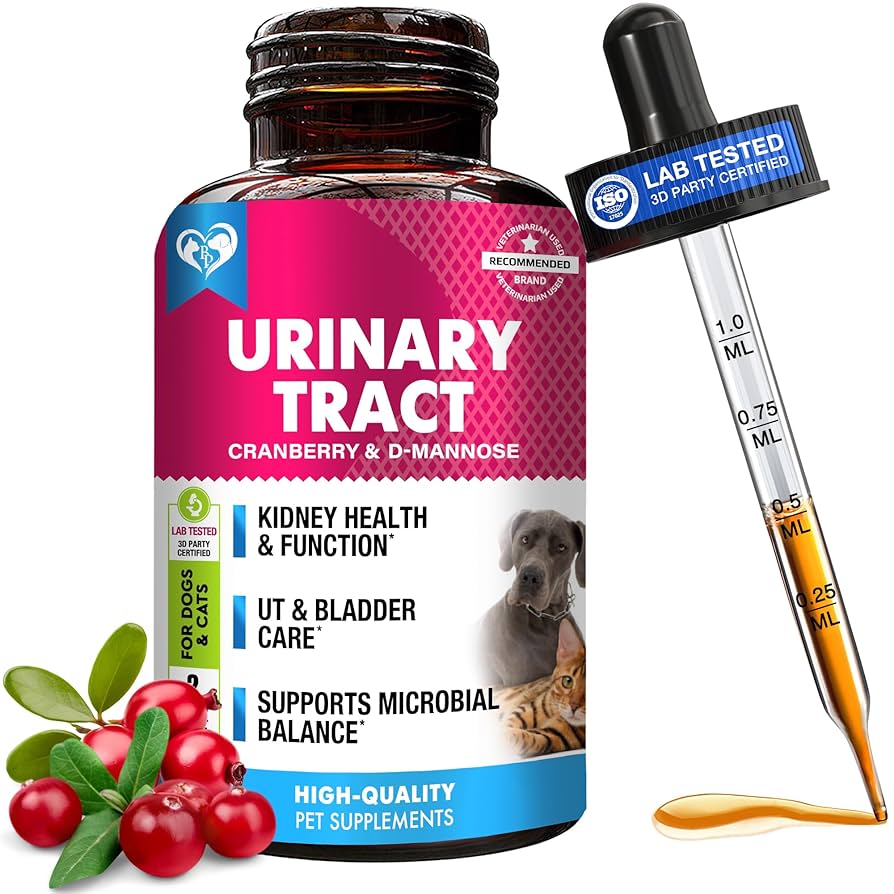
Credit: www.amazon.com
Environmental And Lifestyle Factors
Cats can develop bladder stones due to various factors. Understanding these can help prevent the problem.
Environmental and lifestyle choices play a big role in a cat’s health. Keeping an eye on certain factors can reduce the risk of bladder stones.
Stress Reduction
Stress can affect a cat’s health and may lead to bladder stones. Keeping your cat stress-free is important.
Provide a calm environment with safe spaces for your cat. Regular playtime can also help reduce stress levels.
- Offer quiet areas for relaxation
- Engage in daily interactive play
- Maintain a routine for feeding and activities
Litter Box Hygiene
A clean litter box is essential for preventing bladder stones. Cats prefer clean spaces to relieve themselves.
Regular cleaning of the litter box can prevent infections. This reduces the risk of bladder stones.
- Scoop the litter box daily
- Change the litter frequently
- Wash the litter box weekly
Maintaining A Healthy Weight
Being overweight can increase the risk of bladder stones in cats. Keeping your cat at a healthy weight is important for their well-being.
Provide a balanced diet and regular exercise. Monitor your cat’s weight and adjust food portions as necessary.
- Feed a nutritious diet
- Encourage physical activity
- Consult a vet for weight management
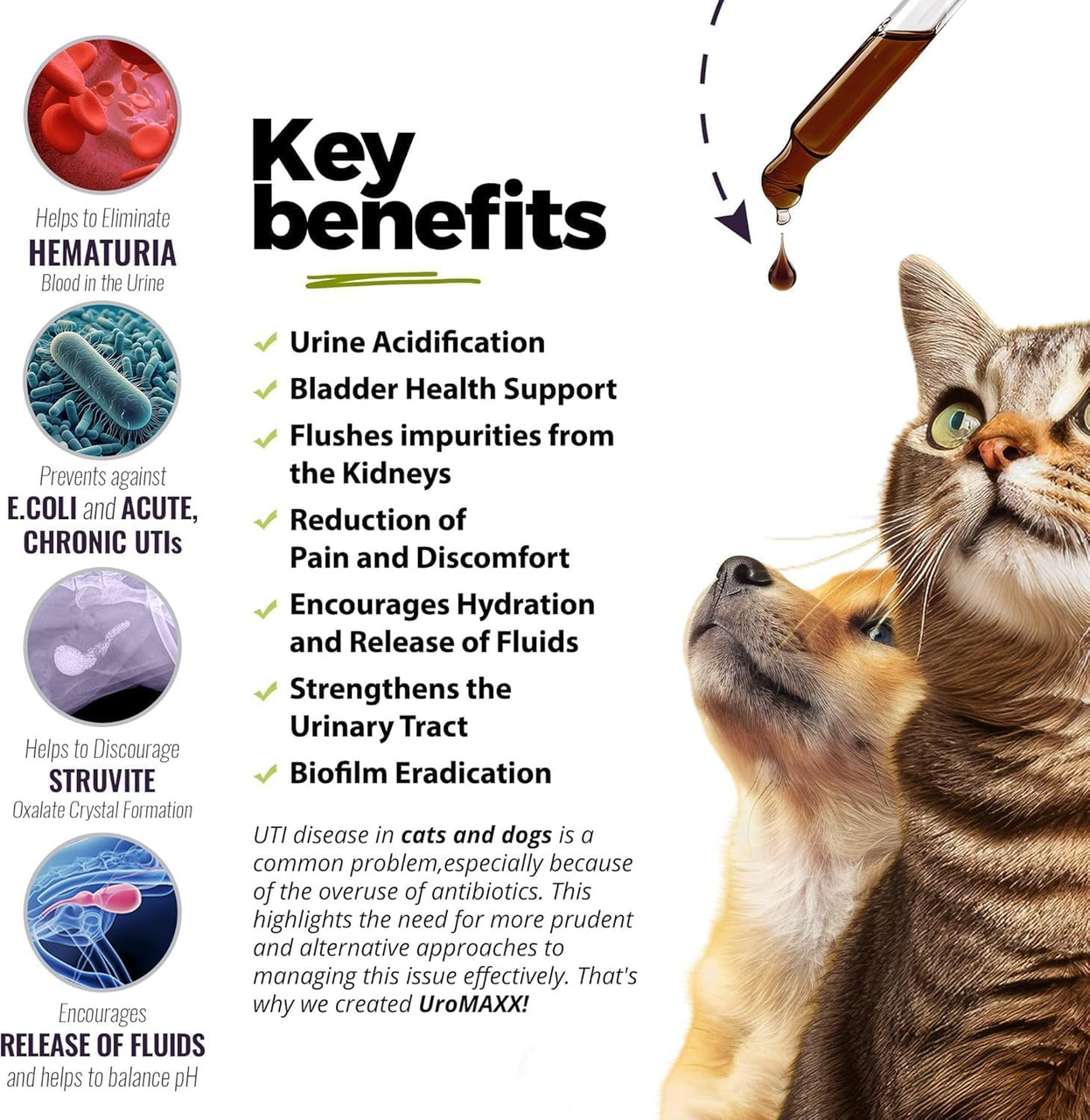
Credit: www.abetterwaypetcare.com
Frequently Asked Questions
What Causes Bladder Stones In Cats?
Bladder stones form due to mineral buildup in urine. Factors include dehydration, diet, and urinary tract infections. Poor water intake concentrates urine, increasing stone risk. Certain breeds and age groups are more prone. Regular vet checkups help identify risks early.
How Can Diet Prevent Bladder Stones In Cats?
Feeding a balanced, low-magnesium diet helps prevent stone formation. Wet food increases water intake, diluting urine. Avoid high-protein or high-mineral foods. Specialized prescription diets may dissolve certain stones. Always consult your vet before changing your cat’s diet.
Why Is Hydration Important To Avoid Bladder Stones?
Hydration dilutes urine, reducing mineral concentration and stone risk. Cats often drink less water naturally. Offering fresh water and wet food encourages drinking. Proper hydration supports urinary tract health. Dehydration is a leading cause of bladder stone development.
Can Regular Vet Visits Prevent Bladder Stones?
Yes, regular vet visits detect early signs of stones. Vets can perform urine tests and ultrasounds. Early diagnosis allows timely treatment and prevention. Routine checkups help manage dietary and hydration advice. This proactive care reduces complications and improves cat health.
Conclusion
Preventing bladder stones in cats starts with good care. Offer fresh water often to keep them hydrated. Feed a balanced diet made for urinary health. Watch for signs like trouble peeing or blood in urine. Regular vet visits help catch problems early.
Clean litter boxes encourage healthy bathroom habits. Small steps make a big difference in your cat’s health. Keep these tips in mind to help your cat stay happy and stone-free. Taking action today protects your furry friend tomorrow.

Lily Purrington is the founder of MyKittyPicks.com, a cozy corner of the web dedicated to helping cat lovers discover the best cat products, furniture, toys, and home decor ideas.
A lifelong cat enthusiast, Lily shares trusted tips, honest product recommendations, and stylish inspiration designed to keep kitties happy and homes beautiful.
Her mission is simple: to bring together practical advice and purr-fect picks that make life better for cats and the people who love them.


