

Is your home starting to smell like a litter box? Cat spraying indoors can be frustrating and stressful for you and your furry friend.
But don’t worry—you’re not alone, and there are simple steps you can take to stop this behavior. Imagine a fresh-smelling home where your cat feels safe and happy. You’ll discover practical tips that work to prevent cat spraying indoors, helping you protect your space and strengthen the bond with your pet.
Keep reading—you’re closer than you think to a cleaner, calmer home.

Credit: www.amazon.com
Causes Of Cat Spraying
Cat spraying is when cats mark surfaces with urine. It is different from normal urination. Understanding why cats spray helps prevent it.
There are several reasons cats spray indoors. These reasons include behavior, health, and changes in their world.
Territorial Behavior
Cats spray to mark their territory. They use scent to tell other cats this area belongs to them. This is common in male cats but can happen in females too.
Spraying helps cats feel safe in their space. It warns other cats to stay away and reduces fights.
Stress And Anxiety
Cats may spray when they feel stressed or anxious. Loud noises, new people, or other pets can cause this stress. Spraying helps them calm down.
Stress makes cats feel unsure. Spraying is a way to control their environment and feel safer.
Medical Issues
Sometimes cats spray because of health problems. Urinary tract infections or bladder stones can cause this behavior. Pain makes cats avoid the litter box.
Seeing a vet helps find health issues. Treating these problems can stop the spraying.
Changes In Environment
Changes at home can cause cats to spray. Moving to a new house or adding new furniture may confuse them. New pets or people also affect their comfort.
- New smells or sounds
- Different furniture or rooms
- New animals or family members
- Changes in routine

Credit: www.amazon.ca
Identifying Spraying Vs. Marking
Cats often leave scents indoors. This helps them feel safe or warn others. Two common ways are spraying and marking. Knowing the difference helps you stop the problem.
Both behaviors look similar but have different causes. Learning the signs can protect your home and keep your cat happy.
Differences In Behavior
Spraying means a cat uses a small amount of urine to mark a vertical surface. Marking usually happens on walls or furniture. Marking is a way to claim territory or show stress.
Marking is different from normal urination. Normal urination is done in a litter box or on horizontal surfaces. Spraying is quick and the cat often backs up to the spot.
- Spraying: Cat stands and sprays urine on vertical surfaces.
- Marking: Cat leaves scent to warn or attract other cats.
- Normal urination: Cat squats and pees on horizontal surfaces like litter boxes.
- Spraying often happens when a cat feels threatened or stressed.
Common Signs To Watch For
| Sign | Spraying | Marking |
| Location | Vertical surfaces like walls or doors | Usually same as spraying, but can include objects |
| Amount of urine | Small amount | Small to moderate amount |
| Cat’s posture | Tail raised, backing up to spot | Similar to spraying posture |
| Frequency | Often repeated in same spots | May vary with stress or changes |
| Smell | Strong, pungent scent | Strong scent but less intense |
Creating A Cat-friendly Space
Preventing cat spraying indoors starts with making your home comfortable for your cat. Cats spray to mark their space when they feel stressed or unsafe. Creating a cat-friendly space helps reduce this behavior.
Provide areas where your cat feels safe and secure. This lowers stress and helps stop spraying. Focus on litter boxes, hiding spots, and vertical spaces.
Litter Box Setup
Keep litter boxes clean and easy to access. Cats avoid dirty or hard-to-reach boxes. Place boxes in quiet areas with low foot traffic.
Use unscented litter and scoop daily. Offer one box per cat plus one extra. This prevents competition and stress.
- Place litter boxes in calm, private spots
- Use unscented, clumping litter
- Scoop at least once a day
- Have enough boxes for all cats
Safe Hiding Spots
Cats feel safe when they have places to hide. Provide cozy spots where your cat can rest and watch quietly.
Use covered beds, boxes, or quiet corners. This helps your cat relax and lowers the chance of spraying.
- Offer covered beds or boxes
- Choose quiet, low-traffic areas
- Keep hiding spots clean and cozy
Vertical Spaces
Cats like to climb and watch from above. Vertical spaces make them feel safe and in control. This reduces stress and marking behavior.
Install cat shelves, trees, or window perches. These areas give your cat a place to explore and rest off the ground.
- Provide cat shelves or trees
- Use window perches for sun and views
- Ensure vertical spaces are stable and safe
Cleaning And Odor Removal
Cat spraying indoors can leave strong odors that are hard to remove. Cleaning these areas well stops cats from spraying again.
Use the right products and methods to clean and remove smells. This helps keep your home fresh and your cat comfortable.
Effective Cleaning Products
Choose cleaning products made for pet urine. These products break down the chemicals that cause the smell.
- Enzyme cleaners work by breaking down urine proteins.
- Vinegar mixed with water can neutralize odors.
- Baking soda helps absorb moisture and smells.
- Hydrogen peroxide can be used on some surfaces to remove stains.
Removing Lingering Scents
Lingering scents can make cats spray again. Use these tips to fully remove all traces of urine.
| Cleaning Step | What to Do |
| Blot the Area | Use paper towels to soak up fresh urine. |
| Apply Cleaner | Use enzyme cleaner or vinegar solution. |
| Let It Sit | Wait 10 to 15 minutes for the cleaner to work. |
| Rinse and Dry | Wipe with clean water and dry completely. |
| Use Baking Soda | Sprinkle on dry area, then vacuum after 30 minutes. |
Behavioral Training Techniques
Cat spraying indoors can be frustrating for pet owners. Training your cat using behavior techniques helps reduce this problem.
These techniques focus on changing your cat’s habits in positive ways. You can teach your cat to feel safe and avoid spraying.
Positive Reinforcement
Positive reinforcement means rewarding good behavior. When your cat uses the litter box, give it a treat or praise.
This encourages your cat to repeat the good behavior. Avoid punishment because it can cause stress and more spraying.
- Give treats after litter box use
- Use calm, happy tones to praise
- Offer petting as a reward
- Keep rewards consistent and timely
Redirecting Attention
Redirecting attention means guiding your cat away from spraying spots. Use toys or playtime to distract your cat.
This helps your cat focus on fun activities instead of marking territory. Replace old habits with new, positive ones.
- Offer a favorite toy near spraying areas
- Use interactive play to engage your cat
- Remove objects that trigger spraying
- Create new safe spaces for your cat
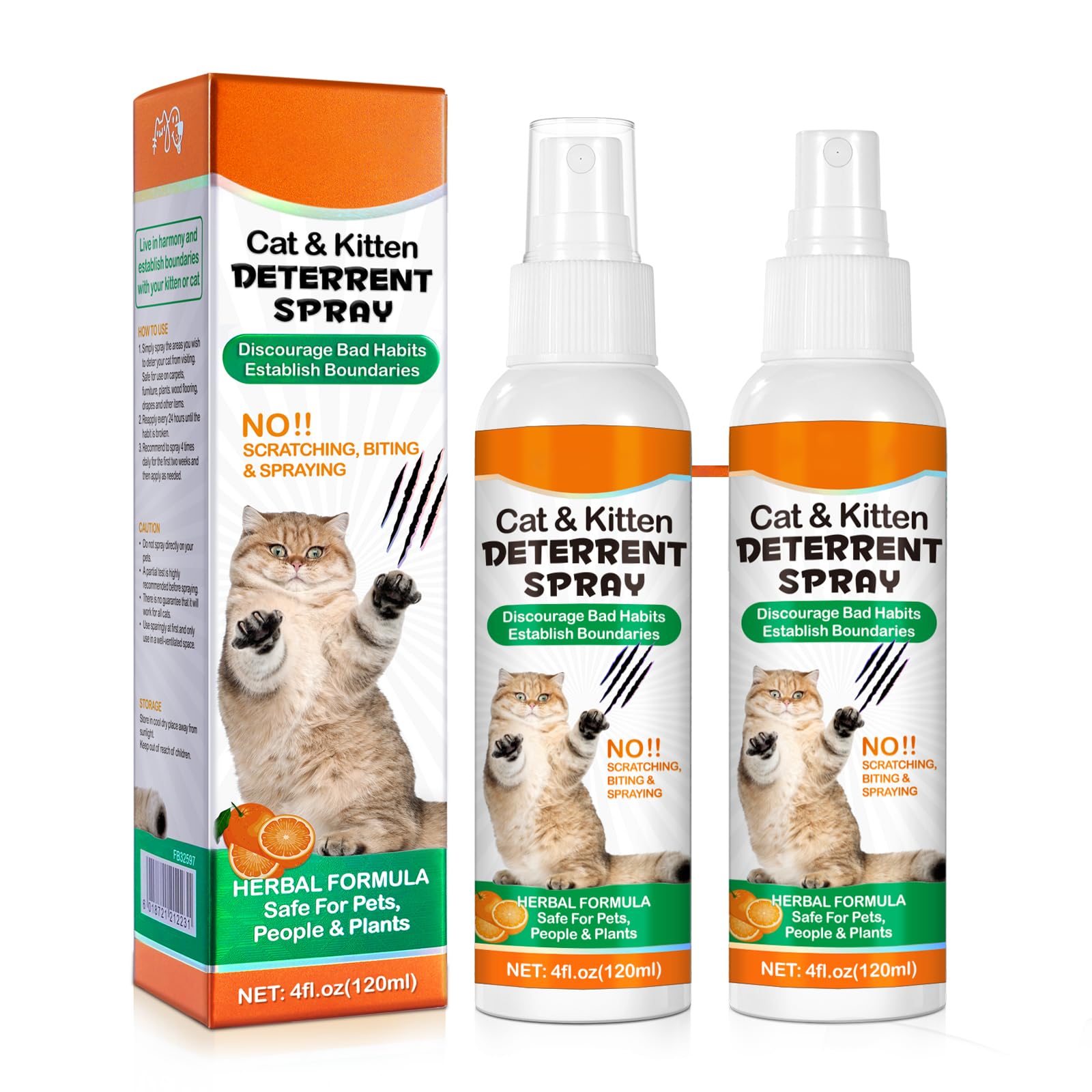
Credit: www.amazon.ca
Managing Stress And Anxiety
Managing stress and anxiety in cats can prevent indoor spraying. Cats often spray indoors when they feel threatened or anxious.
Understanding your cat’s needs helps create a calm environment. Let’s explore ways to reduce stress and prevent spraying.
Environmental Enrichment
Cats need stimulation to stay happy. Enriching their environment reduces stress.
Provide toys, scratching posts, and climbing structures. A busy cat is a happy cat.
- Interactive toys keep cats engaged
- Scratching posts offer stress relief
- Climbing structures satisfy natural instincts
Pheromone Products
Pheromone products can calm anxious cats. These products mimic natural cat scents.
They are available as sprays, diffusers, or collars. They help make cats feel safe.
- Sprays for targeted areas
- Diffusers for whole rooms
- Collars for continuous comfort
Routine And Consistency
Cats thrive on routine. Consistent schedules reduce anxiety.
Feed and play with your cat at the same times each day. This builds trust and security.
- Regular feeding times
- Scheduled play sessions
- Consistent sleeping areas
When To Consult A Veterinarian
Cat spraying indoors can be a troubling issue. It’s important to know when to seek professional help. A veterinarian can determine if there’s a medical reason for your cat’s behavior.
They will help rule out health problems. Understanding the cause can lead to the right solution.
Medical Causes
Medical issues are common causes of cat spraying. A veterinarian will conduct tests to find the root cause. Health problems like urinary tract infections can lead to spraying.
| Medical Condition | Symptoms |
| Urinary Tract Infection | Frequent urination, pain |
| Bladder Stones | Blood in urine, straining |
| Kidney Disease | Increased thirst, weight loss |
Professional Behavioral Help
If medical issues are ruled out, a cat behaviorist might help. They can identify stressors affecting your cat. Behavioral experts use techniques to correct spraying.
- Identify sources of stress
- Provide enrichment activities
- Use positive reinforcement
Frequently Asked Questions
Why Do Cats Spray Indoors?
Cats spray indoors to mark territory, reduce stress, or signal mating readiness. It’s a natural behavior but can be triggered by changes or conflicts at home.
How Can I Stop My Cat From Spraying?
Clean marked areas thoroughly, reduce stress, and provide multiple litter boxes. Consult a vet for behavioral advice or medical issues.
Does Neutering Prevent Cat Spraying?
Yes, neutering often reduces spraying by lowering hormone-driven marking behaviors, especially in male cats.
What Cleaning Products Remove Cat Spray Odor?
Use enzymatic cleaners designed for pet urine. These break down odor molecules, preventing cats from re-marking.
Conclusion
Stopping cat spraying indoors takes patience and care. Keep your cat’s area clean and fresh. Provide enough litter boxes in quiet spots. Give your cat attention and reduce stress. Watch for changes in behavior or health. These small steps help create a calm home.
Your cat will feel safe and happy. A peaceful space means fewer problems. Try these tips to protect your home today.

Lily Purrington is the founder of MyKittyPicks.com, a cozy corner of the web dedicated to helping cat lovers discover the best cat products, furniture, toys, and home decor ideas.
A lifelong cat enthusiast, Lily shares trusted tips, honest product recommendations, and stylish inspiration designed to keep kitties happy and homes beautiful.
Her mission is simple: to bring together practical advice and purr-fect picks that make life better for cats and the people who love them.


