

Are you tired of your cat suddenly biting you out of nowhere? It can be frustrating and even painful when a pet you love turns on you like that.
But don’t worry—understanding why your cat bites and learning simple ways to stop it can make a huge difference. You’ll discover easy, proven steps to keep your cat calm and prevent those unwanted bites. Keep reading, and you’ll soon enjoy a happier, safer bond with your furry friend.
Reasons Cats Bite
Cats bite for many reasons. Understanding why helps you stop biting behavior.
Some bites are playful, while others show fear or pain. Learning these signs is key.
Playful Biting
Kittens and cats often bite during play. It is a way to practice hunting skills.
They may bite your fingers or toes as if they were toys. This is normal but can hurt.
- Playful biting usually does not break the skin.
- Cats often pounce or chase before biting.
- They stop if the play ends or you say no firmly.
Fear And Anxiety
Cats bite when scared or anxious. Biting is their way to protect themselves.
Sudden noises, strangers, or new places can make cats feel unsafe and bite.
- Fear bites are quick and sharp.
- Cats may hiss or growl before biting.
- They try to escape after biting.
Overstimulation
Cats can get overstimulated by too much petting or rough play. This causes biting.
Signs of overstimulation include tail flicking, ears turning back, and restlessness.
- Overstimulation bites may be sudden and unexpected.
- Cats may stop purring and become tense.
- Short breaks in play can prevent this behavior.
Medical Issues
Pain or illness can make cats bite. It is their way to say something is wrong.
Injuries, dental problems, or infections may cause sudden biting without warning.
- Watch for changes in mood or behavior.
- Visit a vet if biting starts suddenly or increases.
- Medical treatment can reduce pain-related biting.
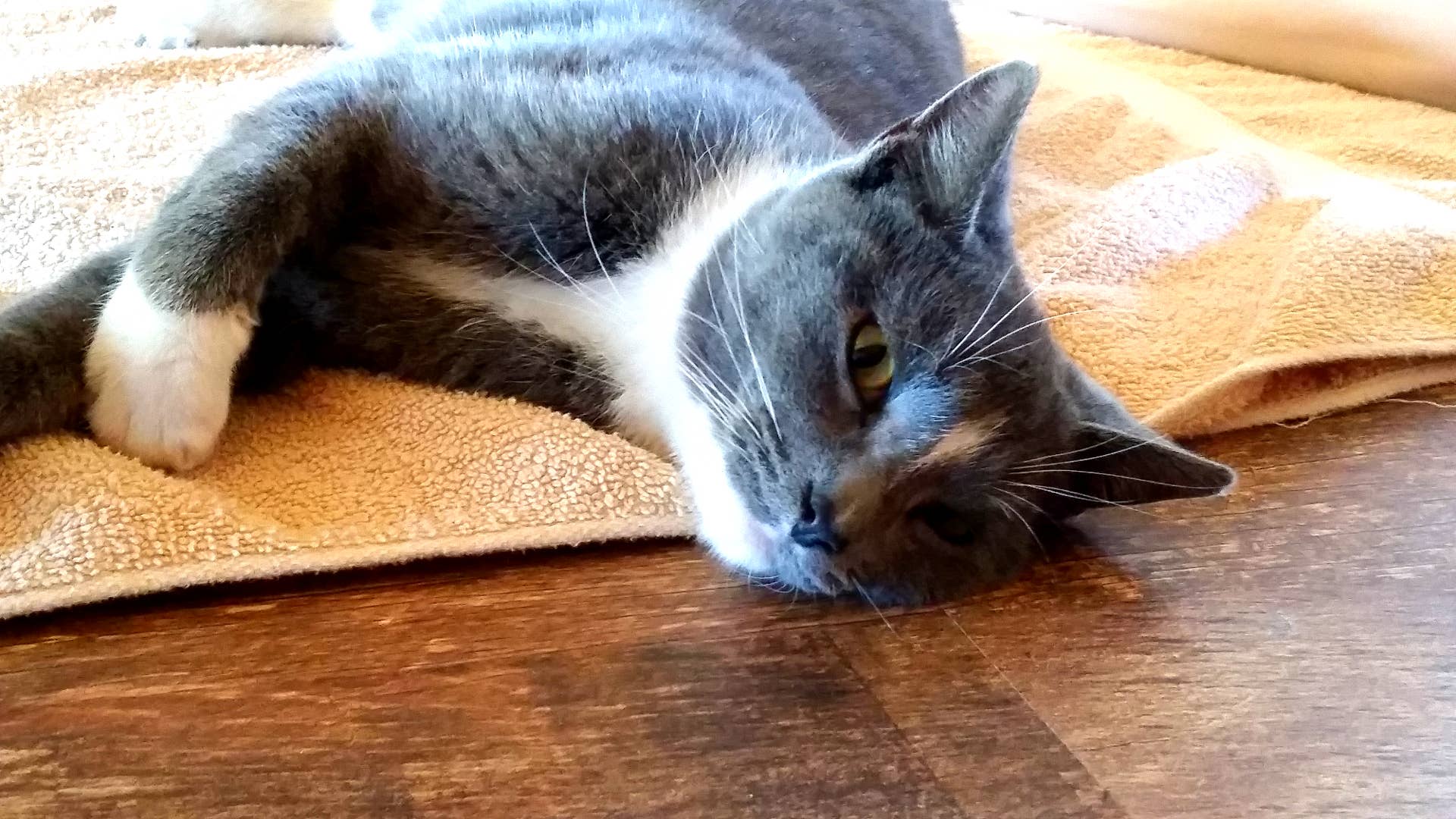
Credit: pethelpful.com
Signs Your Cat Might Bite
Cats use body language and sounds to show how they feel. Watching these signs helps you avoid bites.
Understanding your cat’s signals keeps you safe and helps build trust between you both.
Body Language
A cat’s body can tell you if it feels scared or angry. Stiff muscles or sudden movements can mean a bite is coming.
Look for signs like raised fur or a crouched position. These show the cat is upset and may bite.
- Stiff, tense body
- Raised fur along the back
- Crouched low to the ground
- Sudden quick movements
Tail Movements
The tail shows a cat’s mood. A flicking or twitching tail often means the cat is annoyed or stressed.
A tail that is lashing or puffed up warns that the cat might bite if bothered.
- Quick flicking or twitching
- Tail puffed up and thick
- Lashing side to side
- Tail held low and stiff
Ear Positions
Cat ears show how the cat feels. Ears that turn back or flatten mean the cat is upset.
Flattened ears are a clear sign the cat may bite soon if you keep touching or bothering it.
- Ears turned backward
- Ears flattened against the head
- Ears twitching quickly
Vocal Cues
Cats use sounds to warn you. Growling, hissing, or spitting are signs the cat feels threatened.
Listen for sharp meows or sudden loud sounds. These can mean the cat may bite if pushed further.
- Growling or low rumbling
- Hissing or spitting
- Sharp, loud meows
- Sudden yowls or screeches
Safe Handling Techniques
Handling a cat safely helps stop biting. Cats bite when they feel scared or hurt. Learning how to touch and play with them right will keep you safe.
Use gentle actions and respect your cat’s feelings. This creates trust and stops biting behavior.
Gentle Touching
Touch your cat softly and slowly. Use your hands to pet areas they like. Watch their reaction to know if they enjoy it.
Gentle strokes calm your cat. Avoid sudden movements that may startle them.
Avoiding Sensitive Areas
Some parts of a cat’s body are sensitive. Avoid touching their belly, tail, and paws unless they show comfort.
- Belly is vulnerable and may cause biting if touched
- Tails are sensitive and can cause stress
- Paws are sensitive and cats may pull away
Respect their limits to keep them relaxed and less likely to bite.
Using Toys For Interaction
Use toys to play with your cat instead of your hands. Toys help your cat use their natural hunting skills safely.
- Feather wands keep your hands away
- Laser pointers let cats chase without biting
- Small balls encourage gentle play
Toys reduce biting by giving your cat a safe way to have fun and release energy.
Training To Reduce Biting
Cats may bite for many reasons, like play, fear, or stress. Training helps your cat learn better behavior.
Using clear and calm training techniques can reduce biting over time. Patience and consistency are key.
Positive Reinforcement
Positive reinforcement means rewarding good behavior. It teaches your cat what you want them to do.
Give treats, petting, or praise when your cat plays gently or stops biting. This makes them repeat good actions.
- Offer a small treat after gentle play
- Use calm praise like “Good cat!”
- Give attention when your cat is calm
Redirecting Behavior
If your cat tries to bite, give them a toy instead. This helps them use their energy in a safe way.
Use toys like wand teasers or balls to keep your cat busy and away from biting your hands or feet.
- Keep toys ready during playtime
- Change toys often to keep interest
- Ignore biting and offer a toy
Consistent Responses
Always respond the same way when your cat bites. This helps them understand biting is not okay.
Say “No” firmly or stop playing right away. Do not yell or hit, as this can scare your cat.
- Use a firm but calm “No”
- Stop play when biting happens
- Wait for calm behavior before playing again
Creating A Comfortable Environment
Cats bite when they feel scared or stressed. Creating a calm space helps them feel safe.
A comfortable environment can reduce biting by making your cat relaxed and happy.
Providing Hiding Spots
Cats need places to hide. Hiding spots help them feel secure and less stressed.
Offer boxes, cat tunnels, or covered beds in quiet corners of your home.
- Use cardboard boxes with soft blankets inside
- Place cat tunnels near windows or walls
- Choose covered beds for extra privacy
Maintaining Routine
Cats like regular schedules. Feeding, play, and rest at the same times each day.
Routine helps cats feel safe and reduces sudden stress that can cause biting.
- Feed your cat at consistent times daily
- Keep play sessions regular and predictable
- Provide quiet time in the same spot each day
Ensuring Proper Playtime
Play lets cats use their energy in a fun way. It stops boredom and biting.
Use toys that mimic hunting to keep your cat engaged and happy.
- Use feather wands or laser pointers for chasing
- Provide puzzle toys that hide treats
- Play daily for at least 15 minutes

Credit: www.reddit.com
When To Seek Veterinary Help
If your cat bites you often, it might be time to visit the vet. Cats sometimes bite due to health or behavior problems. Knowing when to get professional help is key.
Let’s explore some common signs that your cat needs a vet’s attention. These include changes in behavior, ongoing aggression, and health issues.
Behavioral Changes
Notice any sudden changes in your cat’s behavior? This could mean they are stressed or sick. Pay close attention if your cat starts hiding more or stops being playful.
Persistent Aggression
Constant biting or hissing is not normal. If your cat often shows aggression, it might be a sign of pain or anxiety. This should not be ignored.
- Frequent biting during play
- Growling or hissing without reason
- Swatting at people or other pets
Health Concerns
Health problems can make your cat act out. Look for signs like weight loss, changes in appetite, or coughing. These may indicate that your cat is not well.
| Symptom | Possible Cause |
| Weight loss | Thyroid issues |
| Limping | Injury or arthritis |
| Excessive scratching | Allergies or parasites |

Credit: www.youtube.com
Frequently Asked Questions
Why Does My Cat Suddenly Start Biting Me?
Cats bite due to overstimulation, fear, or play aggression. Understanding their body language helps prevent bites. Provide toys and avoid rough play to reduce biting behavior.
How Can I Stop My Cat From Biting During Play?
Use interactive toys instead of hands for play. Redirect biting to toys and reward gentle behavior. Consistency helps your cat learn appropriate play habits.
What Are Signs My Cat Is About To Bite?
Watch for tail twitching, ears flattening, and dilated pupils. These signals indicate agitation or overstimulation. Stop interaction calmly to avoid bites.
Can Stress Cause My Cat To Bite More Often?
Yes, stress increases biting and aggressive behavior in cats. Identify stressors like changes or loud noises and create a calm environment. Provide hiding spots and regular routines.
Conclusion
Preventing your cat from biting takes patience and care. Watch your cat’s body language closely. Give gentle, calm attention to build trust. Use toys to keep your cat busy and happy. Avoid sudden movements that might scare your cat. Reward good behavior with treats or praise.
Remember, biting is often a sign of stress or play. Stay consistent and kind to see the best results. Your cat will learn to interact gently in time. Enjoy a happier, safer bond with your feline friend.

Lily Purrington is the founder of MyKittyPicks.com, a cozy corner of the web dedicated to helping cat lovers discover the best cat products, furniture, toys, and home decor ideas.
A lifelong cat enthusiast, Lily shares trusted tips, honest product recommendations, and stylish inspiration designed to keep kitties happy and homes beautiful.
Her mission is simple: to bring together practical advice and purr-fect picks that make life better for cats and the people who love them.


