
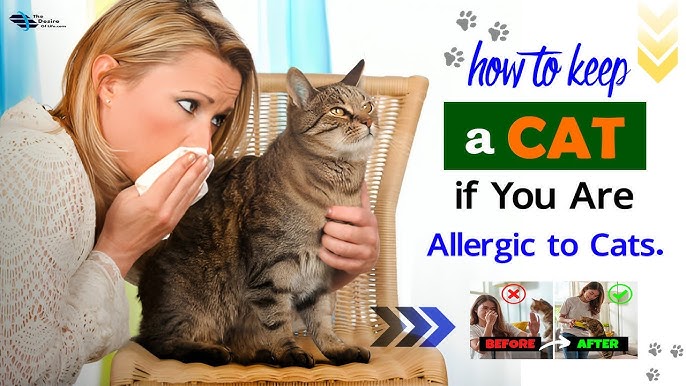
Do you love cats but suffer from sneezing, itching, or watery eyes whenever you’re around them? Allergic reactions to cats can make it hard to enjoy their company.
But what if you could reduce or even prevent these symptoms and still have a furry friend by your side? You’ll discover simple and effective ways to protect yourself from cat allergies. Keep reading to learn how to breathe easier and enjoy your time with cats without the discomfort.
Causes Of Cat Allergies
Cat allergies happen when the immune system reacts to proteins from cats. These proteins are called allergens. They can cause sneezing, itching, and other symptoms.
Understanding what causes cat allergies helps people avoid reactions. It also guides ways to reduce allergy symptoms around cats.
Common Allergens From Cats
Cats produce several allergens that affect people. These come from their skin, saliva, and urine. The allergens spread easily in the air and on surfaces.
- Fel d 1:The main allergen found in cat saliva and skin glands.
- Fel d 4:Found in cat saliva and can cause reactions.
- Cat dander:Tiny flakes of skin that carry allergens.
- Urine proteins:Allergens that stick to fur and surfaces.
How Allergens Affect The Body
When allergens enter the body, the immune system treats them as threats. It releases chemicals to fight these proteins. This causes allergy symptoms.
Common reactions include sneezing, runny nose, itchy eyes, and skin rashes. Some people may have more severe breathing problems like asthma.
- Allergens enter the nose or mouth and trigger immune cells.
- Immune cells release histamine and other chemicals.
- These chemicals cause swelling, itching, and mucus production.
- Repeated exposure can make symptoms worse over time.

Credit: medium.com
Symptoms To Watch For
Allergic reactions to cats can vary from mild to severe. It is important to know what signs to look for. Early detection helps you manage symptoms better.
Watch your body’s response after being near cats. Some symptoms may be easy to miss but still need attention.
Mild Signs
Mild allergic reactions usually affect the eyes, nose, and skin. These symptoms can be uncomfortable but are not life-threatening.
- Itchy or watery eyes
- Runny or stuffy nose
- Sneezing
- Red or irritated skin
- Mild coughing or wheezing
Severe Reactions
Severe allergic reactions require immediate care. These symptoms affect breathing and can be very dangerous.
| Symptom | Description |
|---|---|
| Difficulty breathing | Shortness of breath or tight chest |
| Swelling | Face, lips, tongue, or throat swelling |
| Severe coughing or wheezing | Persistent and hard to control |
| Dizziness or fainting | Feeling lightheaded or losing consciousness |
| Rapid heartbeat | Heart racing or pounding |
Creating An Allergy-friendly Home
Living with cats can cause allergies for some people. Making your home allergy-friendly helps reduce symptoms. Small changes in cleaning and furniture can make a big difference.
Using the right air purifiers also helps keep the air clear of allergens. This guide covers ways to create a safe space for both you and your cat.
Cleaning Tips To Reduce Allergens
Keeping your home clean lowers the amount of cat allergens in the air and on surfaces. Regular cleaning removes dander and dust that trigger allergies.
- Vacuum floors and furniture at least twice a week using a HEPA filter vacuum.
- Wash pet bedding and blankets weekly in hot water.
- Use damp cloths to dust surfaces instead of dry dusters.
- Clean litter boxes daily and keep them in well-ventilated areas.
- Keep pets out of bedrooms and off upholstered furniture.
Choosing Cat-friendly Furniture
Selecting the right furniture helps reduce allergens on soft surfaces. Some materials are easier to clean and do not trap dander as much.
| Furniture Type | Material | Allergy Benefit |
| Sofa | Leather or Faux Leather | Easy to wipe clean and does not trap allergens |
| Chair | Wood or Metal Frame | Less surface for dander to settle on |
| Rugs | Low Pile or Washable | Easier to clean and less allergen buildup |
| Cushions | Removable Covers | Wash covers regularly to remove allergens |
Air Purification Methods
Using air purifiers helps remove airborne cat allergens. Choose devices with HEPA filters for best results.
Tips for air purification:
- Place purifiers in common rooms and bedrooms.
- Run purifiers continuously for steady allergen control.
- Open windows occasionally to allow fresh air flow.
- Replace filters as recommended by the manufacturer.

Credit: www.manhattanentdoctor.com
Cat Care Practices To Minimize Allergens
Allergic reactions to cats happen because of proteins in their skin, saliva, and urine. Taking good care of your cat can lower these allergens at home.
Simple cat care habits help reduce allergens. These habits keep both you and your cat healthier.
Regular Grooming Techniques
Brushing your cat often lowers the amount of loose fur and dander. Use a soft brush to avoid hurting your cat’s skin.
Bathing your cat can remove allergens from their fur. Use a gentle shampoo made for cats and bathe them every few weeks.
- Brush your cat at least 3 times a week
- Wipe your cat with a damp cloth to catch loose allergens
- Give baths every 3 to 4 weeks if your cat tolerates water
- Clean bedding and toys regularly to remove dander
Diet And Health Impact
A healthy diet keeps your cat’s skin and coat strong. Good skin means less shedding and fewer allergens.
Some special diets can reduce skin inflammation. Talk to your vet about foods that help lower allergen production.
- Feed high-quality cat food with nutrients for skin health
- Include omega-3 fatty acids to reduce skin dryness
- Keep your cat hydrated to support healthy skin
- Check with a vet about allergy-friendly diets
Personal Protection Strategies
Many people love cats but suffer from allergies. Protecting yourself can help reduce reactions.
Simple personal actions make living with cats easier and safer for allergy sufferers.
Using Allergy Medications
Allergy medicines reduce sneezing, itching, and watery eyes. They help control symptoms quickly.
Use antihistamines, nasal sprays, or eye drops as advised by your doctor. Take them before contact.
- Antihistamines block allergy chemicals in your body.
- Nasal sprays ease a stuffy or runny nose.
- Eye drops soothe red, itchy eyes.
Managing Exposure
Limit how much time you spend near cats to lower allergy risks. Avoid touching your face after contact.
Keep cats out of your bedroom. Use air purifiers to reduce allergens in the air.
- Wash your hands after petting cats.
- Clean surfaces often where cats stay.
- Use HEPA filters to trap allergens.
- Remove carpets or rugs that trap dander.
Washing Hands And Clothes
Wash your hands after touching cats to remove allergens. Use soap and warm water.
Change and wash clothes that have cat hair or dander. This stops allergens from spreading.
- Wash clothes in hot water to kill allergens.
- Dry clothes fully to remove dander.
- Keep a separate laundry basket for cat-exposed clothes.
When To Seek Medical Advice
If you suspect you have a cat allergy, knowing when to seek medical advice is crucial. Allergies can cause discomfort and impact daily life. Pay attention to your symptoms.
Consult a healthcare professional if your symptoms persist or worsen over time. Early intervention can prevent complications.
Allergy Testing Options
Testing can confirm if cats are causing your symptoms. This helps in managing and reducing allergic reactions effectively.
- Skin Prick Test: A small amount of allergen is placed on your skin.
- Blood Test: Measures the level of antibodies in your blood.
- Patch Test: Identifies delayed allergic reactions.
Treatment Choices
Various treatments can help you manage cat allergies. Consult your doctor for the best options based on your needs.
| Treatment | Description |
| Antihistamines | Reduce allergy symptoms like sneezing and itching. |
| Decongestants | Help relieve nasal congestion. |
| Allergy Shots | Gradually reduce your sensitivity to allergens. |
Alternatives For Cat Lovers With Allergies
Many people love cats but are allergic to them. Fortunately, there are ways to enjoy feline company without constant sneezing.
Explore hypoallergenic breeds or consider other pets. Here are some options to think about.
Hypoallergenic Cat Breeds
Some cat breeds produce fewer allergens. They might be better for people with allergies.
- Siberian
- Balinese
- Bengal
- Oriental Shorthair
- Russian Blue
Other Pet Options
If cats still cause reactions, try other pets. Small animals or fish might be a good choice.
| Pet Type | Benefits |
| Hamsters | Low maintenance, small space |
| Rabbits | Friendly, can be litter trained |
| Fish | Calming, easy to care for |
| Reptiles | Unique, minimal allergens |

Credit: nusentia.com
Frequently Asked Questions
What Are Common Cat Allergens Causing Reactions?
Common cat allergens include proteins found in cat saliva, skin flakes (dander), and urine. These proteins trigger immune responses. When cats groom, allergens spread on their fur and skin. These allergens become airborne, causing sneezing, itching, and watery eyes in sensitive individuals.
How Can I Reduce Cat Allergens At Home?
Regular cleaning helps reduce cat allergens. Vacuum carpets and furniture often using a HEPA filter. Wash cat bedding weekly in hot water. Groom your cat regularly to minimize shedding. Using air purifiers with HEPA filters also traps airborne allergens effectively.
Are Hypoallergenic Cats Safe For Allergy Sufferers?
Hypoallergenic cats produce fewer allergens but are not allergy-proof. People with mild allergies may tolerate them better. However, some allergens are still present. Spending time with a specific cat before adoption helps assess allergic reactions accurately.
What Medications Help Prevent Cat Allergy Symptoms?
Over-the-counter antihistamines reduce sneezing and itching. Nasal corticosteroids relieve congestion and inflammation. Decongestants ease nasal swelling. Consult a healthcare provider before starting medication to ensure proper use and avoid side effects.
Conclusion
Preventing allergic reactions to cats takes small, smart steps. Keep your home clean and well-ventilated. Wash your hands after petting your cat. Use air purifiers and allergy-friendly bedding. Regular grooming helps reduce allergens on your pet. Choose hypoallergenic cat breeds if allergies are severe.
These actions create a healthier space for both you and your cat. Enjoy the company of your furry friend without discomfort. Simple changes make a big difference in allergy control. Stay consistent and patient for the best results.

Lily Purrington is the founder of MyKittyPicks.com, a cozy corner of the web dedicated to helping cat lovers discover the best cat products, furniture, toys, and home decor ideas.
A lifelong cat enthusiast, Lily shares trusted tips, honest product recommendations, and stylish inspiration designed to keep kitties happy and homes beautiful.
Her mission is simple: to bring together practical advice and purr-fect picks that make life better for cats and the people who love them.


