

Are you a cat lover who sneezes at the mere thought of a feline friend? If allergies have kept you from enjoying the purrs and cuddles of a cat, you’re not alone.
Many people dream of having a pet cat, but their allergies hold them back. The good news? Some cat breeds are known to be hypoallergenic, meaning they may produce fewer allergens and be easier on your immune system. Imagine the joy of welcoming a furry companion into your home without the constant sniffles and itchy eyes.
We’ll explore which cat breeds might just be the perfect match for you and your allergy-free lifestyle. Dive in to discover your potential feline friend who won’t have you reaching for the tissue box.
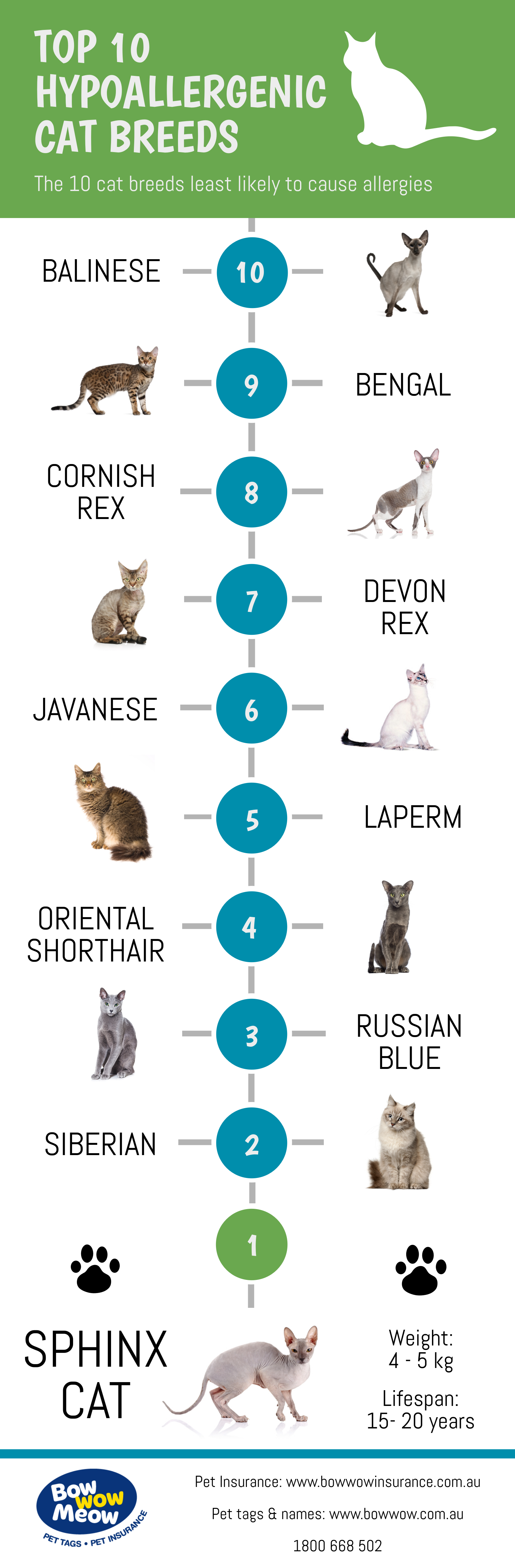
Credit: bowwowinsurance.com.au
Understanding Cat Allergies
Many people love cats. Yet, allergies can be a real issue. Understanding cat allergies helps manage symptoms better. Knowing the causes and signs is key. It can help you enjoy time with your furry friend.
Common Causes Of Allergies
Cat allergies often stem from proteins. These proteins are in cat saliva, skin, and urine. Fel d 1 is the main protein causing issues. It sticks to fur and skin, spreading around the home. Even short-haired cats can trigger allergies. Dust and pollen on cat fur can also cause reactions.
Symptoms Of Cat Allergies
Symptoms can vary. Many people experience sneezing and runny noses. Itchy eyes are also common. Some might develop a rash or hives. Breathing issues can occur in severe cases. Symptoms can start minutes after contact. They might also develop slowly over time.
Credit: www.petmd.com
Hypoallergenic Cats Explained
Are you a cat lover who sneezes every time a feline friend enters the room? You’re not alone. Many people adore cats but dread the allergy symptoms that come with them. Hypoallergenic cats might be the solution you’ve been looking for. These breeds are less likely to trigger allergies, making them ideal for sensitive households. But what exactly makes a cat hypoallergenic?
What Makes A Cat Hypoallergenic
Hypoallergenic cats produce fewer allergens. It’s not about fur length or shedding. Allergies are caused by proteins in cat saliva, urine, and skin flakes. Some breeds have less of these proteins.
Consider the Siberian or Balinese. They have lower levels of Fel d 1 protein, a common allergen. This means less sneezing and itching for you. It’s a game changer for allergy sufferers.
However, no cat is completely free of allergens. It’s about minimizing exposure. Think of it as reducing the risk rather than eliminating it.
Benefits Of Choosing Hypoallergenic Breeds
Imagine living with a cat without constantly reaching for tissues. Hypoallergenic breeds can make that dream a reality. They allow you to enjoy the companionship of a cat without the hassle of allergy symptoms.
These cats are often known for their friendly personalities. The Russian Blue, for instance, is not only hypoallergenic but also affectionate and loyal. You get the best of both worlds.
Opting for hypoallergenic breeds can improve your quality of life. You can focus on bonding rather than battling allergies. Isn’t it worth exploring this option?
Have you ever wondered how a hypoallergenic cat could fit into your life? If allergies have been holding you back, maybe it’s time to consider these breeds. Your perfect feline friend might be waiting.
Top Hypoallergenic Cat Breeds
Are you searching for a hypoallergenic cat? Many people love cats but worry about allergies. Fortunately, some cat breeds produce fewer allergens. These breeds can be a better choice for allergy sufferers. Let’s explore the top hypoallergenic cat breeds that might suit your home.
Siberian Cats
Siberian cats have a thick, long coat. Surprisingly, they produce less of the allergen Fel d 1. Many people with allergies find them tolerable. Their playful nature also makes them great companions.
Balinese Cats
Balinese cats are often called the “long-haired Siamese.” They have a luxurious coat but low allergen levels. Their affectionate and social behavior makes them family-friendly.
Bengal Cats
Bengal cats boast a striking appearance with their spotted coat. They are low-shedding, which helps reduce allergens in the home. Their energetic nature means they love to play and explore.
Oriental Shorthair
The Oriental Shorthair has a sleek coat and elegant look. They produce lower amounts of allergens. Known for being intelligent, they enjoy engaging with their owners.
Russian Blue
Russian Blue cats are famous for their plush, blue-gray coat. They have a gentle and reserved nature. With lower allergen levels, many find them allergy-friendly.
Factors To Consider
Selecting a hypoallergenic cat breed involves considering factors like fur length, grooming needs, and allergy sensitivities. Breeds such as Siberians and Balinese often produce fewer allergens. It’s essential to spend time with different cats to gauge personal reactions.
When considering which hypoallergenic cat breed might be right for you, several factors come into play. It’s not just about finding a breed that produces fewer allergens. You also need to think about how this new feline friend will fit into your life. Understanding these factors can help you make a more informed decision that benefits both you and your future pet.Lifestyle Compatibility
Your lifestyle is a crucial element to consider. Are you often away from home or do you work long hours? Some hypoallergenic breeds, like the Russian Blue, are more independent and can handle alone time better. On the other hand, if you work from home or enjoy spending time with your pet, you might opt for a more social breed like the Balinese. Ask yourself: Will your cat be part of a bustling household with kids and other pets, or a quiet retreat?Maintenance And Grooming
Hypoallergenic doesn’t mean maintenance-free. While breeds like the Sphynx are known for being low in allergens, they require regular skin care since they lack fur. Do you have the time and patience for grooming routines? Cats like the Siberian, despite their long coats, can be surprisingly low in allergens, but they still need regular brushing to prevent matting. Consider whether you’re prepared to engage in daily grooming activities or prefer a breed with a more hands-off approach. By considering these factors, you can better decide which hypoallergenic breed will mesh well with your lifestyle and grooming preferences. What matters most is that both you and your new pet are comfortable and happy together.Living With Hypoallergenic Cats
Living with hypoallergenic cats offers relief to allergy sufferers. These cats produce fewer allergens. Their presence in your home can make life more comfortable. Choosing the right breed is crucial. Some breeds are naturally hypoallergenic. They allow you to enjoy feline companionship without sneezing.
Managing Allergies At Home
Proper management of allergies is essential. Regular cleaning reduces allergens. Vacuum carpets and furniture weekly. Use air purifiers in rooms where your cat spends time. Groom your cat frequently. This keeps shedding under control. Bathing your cat every few weeks helps too. It minimizes dander.
Creating An Allergy-free Environment
Creating a low-allergy environment is key. Choose hypoallergenic bedding and curtains. These materials trap fewer allergens. Wash your cat’s bedding often. Keep windows closed during pollen season. Use covers for couches and chairs. They prevent allergens from settling. Avoid heavy drapes that collect dust.
These changes make a big difference. They help maintain a comfortable space. You can enjoy your hypoallergenic cat more. Less sneezing and fewer watery eyes. It’s a win-win situation for you and your pet.

Credit: www.purewow.com
Tips For Selecting A Cat
Considering a hypoallergenic cat? Breeds like Siberian, Balinese, and Russian Blue produce fewer allergens. Their unique coats and skin properties reduce reactions.
Selecting a cat, especially if you’re concerned about allergies, requires a thoughtful approach. You want a feline friend that doesn’t leave you sneezing every time they purr. While no cat is completely hypoallergenic, some breeds are known to cause fewer allergic reactions. But how do you choose the right one for your home? Here are some practical tips to guide you on your journey to finding a hypoallergenic cat.Meeting The Breeds
Begin by familiarizing yourself with breeds known for their hypoallergenic qualities. Siberian, Balinese, and Bengal cats often top the list. These breeds produce fewer allergens, making them ideal candidates for allergy sufferers. Take the time to meet these cats in person, if possible. Attend local pet shows or visit shelters to see how your allergies react. You might find that one breed affects you less than others, even within the hypoallergenic category. Ask yourself: Does this breed’s personality fit your lifestyle? A cat’s temperament is just as important as its hypoallergenic nature. You want a companion that complements your home environment.Consulting With Breeders And Veterinarians
Breeders can provide valuable insights into the allergy-friendly traits of specific cat breeds. They often have firsthand experience with how their cats affect people with allergies. Veterinarians are another excellent resource. They can offer advice based on your allergy history and suggest breeds that might be a better fit for your situation. They can also guide you on managing potential allergic reactions. Consider asking: What steps can I take to minimize allergens in my home? Breeders and veterinarians can suggest practical measures, like frequent grooming and air purifiers, to help you coexist peacefully with your new pet.Frequently Asked Questions
Are Hypoallergenic Cats Completely Allergy-free?
Hypoallergenic cats aren’t entirely allergy-free, but produce fewer allergens. Proteins in saliva, skin, and dander cause allergies. Breeds like Siberians and Balinese have lower allergen levels. Regular grooming and cleaning can help reduce allergens further.
Which Cats Are Best For Allergy Sufferers?
Siberian, Balinese, and Russian Blue are ideal for allergy sufferers. They produce fewer allergens compared to other breeds. Regular grooming and cleaning can minimize allergens. Each cat’s allergen levels vary, so spending time with the breed is recommended.
Do All Hypoallergenic Breeds Work For Everyone?
Not all hypoallergenic breeds work for every allergy sufferer. Allergens vary among cats and individuals react differently. Spending time with a breed helps assess compatibility. Regular grooming and cleaning can reduce allergens and improve comfort.
How Can I Reduce Cat Allergens At Home?
Reducing cat allergens requires regular grooming and cleaning. Vacuum frequently and use air purifiers to minimize allergens. Wash hands after handling cats. Keep cats out of bedrooms and use allergen-proof bedding. These steps can help manage allergy symptoms.
Conclusion
Choosing a hypoallergenic cat can be a rewarding decision. Breeds like the Balinese and Russian Blue are great options. They produce fewer allergens, making them suitable for allergy sufferers. Spend time with these cats before adopting. Observe your reactions. Each person’s sensitivity varies.
Research and patience are key in finding the perfect match. Remember, no cat is completely hypoallergenic. Regular grooming and cleaning help minimize allergens. This ensures a happier home for both you and your feline friend. Enjoy your journey to finding a lovable, hypoallergenic companion!

Lily Purrington is the founder of MyKittyPicks.com, a cozy corner of the web dedicated to helping cat lovers discover the best cat products, furniture, toys, and home decor ideas.
A lifelong cat enthusiast, Lily shares trusted tips, honest product recommendations, and stylish inspiration designed to keep kitties happy and homes beautiful.
Her mission is simple: to bring together practical advice and purr-fect picks that make life better for cats and the people who love them.


