

If you’re a plant lover and a cat owner, you’ve probably faced the frustrating problem of cat urine in your potted plants. It can damage your plants and leave a strong, unpleasant smell that’s hard to get rid of.
But don’t worry—there are simple and effective ways to neutralize cat urine and save your plants. You’ll discover easy steps you can take right now to protect your green friends and keep your home smelling fresh. Keep reading to find out how you can tackle this common issue and enjoy both your cats and your plants without stress.

Credit: www.yahoo.com
Why Cat Urine Affects Plants
Cat urine can be surprisingly harmful to your potted plants. You might wonder why a small spill of urine from your curious feline causes your plants to wilt or soil to become unhealthy. Understanding why cat urine affects plants is key to fixing the problem and protecting your indoor garden.
Chemical Impact On Soil
Cat urine contains high levels of nitrogen, salts, and ammonia. These chemicals can quickly change the soil’s balance. Excess nitrogen acts like a fertilizer overdose, burning plant roots instead of helping them grow.
Salts in the urine build up in the soil and draw moisture away from roots, leaving your plant thirsty even when watered. Ammonia raises the soil’s pH, making it more alkaline, which many plants dislike.
Have you noticed soil that looks crusty or smells strong after your cat’s visit? That’s the chemical residue altering the soil environment, making it hard for your plant to thrive.
Effects On Plant Health
When your plant is exposed to cat urine, the damage shows quickly. Leaves may yellow and curl, and stems can weaken. Root damage happens underground before you see visible signs above soil.
Over time, repeated exposure can stunt growth and even kill your plant. The stress caused by toxic chemicals interrupts nutrient absorption and water uptake. Plants become vulnerable to pests and diseases because they are weakened.
Think about your last experience with a plant that suddenly declined. Could cat urine have been the hidden culprit? Protecting your plants means understanding how this common household issue affects their health and acting fast to neutralize the problem.
Identifying Cat Urine In Plants
Cat urine in potted plants can harm both the plant and your home’s smell. Knowing how to spot it helps you act fast. Cats may choose plants as a bathroom spot. This can cause damage and odors that affect your space.
Recognizing cat urine signs early protects your plants and keeps your home fresh. Look closely for unusual changes in your plants and soil. Detecting urine quickly allows you to clean and save your greenery.
Signs Of Urine Damage
- Leaves turn yellow or brown at the edges.
- Soil looks discolored or crusty on top.
- Plants wilt even after watering.
- New growth slows or stops.
- Soil may become hard and dry.
These signs show stress caused by urine’s chemicals. Damage often starts near the soil surface where urine hits.
Detecting Odor And Stains
- Strong, sharp ammonia-like smell from soil or leaves.
- Wet patches on soil that do not dry quickly.
- White or yellow salt-like stains on soil surface.
- Unpleasant smell lingers even after watering.
Urine odor is a clear clue. Stains may look like mineral deposits or mold. Smell testing helps confirm urine presence.
Immediate Actions To Take
Act quickly to remove cat urine from the soil by flushing it with water. Gently remove any affected topsoil to reduce odor and damage. Use a mild vinegar solution to neutralize the area and prevent plant harm.
Dealing with cat urine in potted plants can be a frustrating scenario, especially if your beloved feline has chosen your greenery as its new restroom. Immediate actions are crucial to prevent damage to your plants. The quicker you act, the better chance you have of saving your plant and maintaining a fresh environment in your home.Removing Contaminated Soil
Begin by carefully removing the contaminated soil from the pot. Use a small trowel or even a spoon to scoop out the top layer of soil where the urine has soaked in. Ensure you remove enough to get rid of all the affected areas, typically around two inches deep. Dispose of the contaminated soil in a sealed plastic bag to prevent any lingering odor. This step is essential as cat urine can be particularly potent and damaging to plant roots. Once the contaminated soil is gone, replace it with fresh potting soil. Choose a high-quality potting mix to give your plant the best chance to recover and thrive.Flushing The Plant
After removing the contaminated soil, it’s time to flush the plant. This helps wash away any urine residue that might have seeped deeper into the soil. Place your plant in a sink or bathtub where excess water can drain away easily. Gently pour lukewarm water over the soil until it starts to drain from the bottom of the pot. Continue this process for a few minutes to ensure thorough flushing. This action dilutes any remaining urine and helps prevent root burn from the acidic nature of cat urine. Have you ever noticed how plants perk up after a good watering? This is similar, but crucial for removing contaminants. Once you’ve flushed the plant, allow it to drain completely before moving it back to its usual spot. Taking these immediate actions not only helps your plant but also maintains a harmonious living environment for you and your furry friend.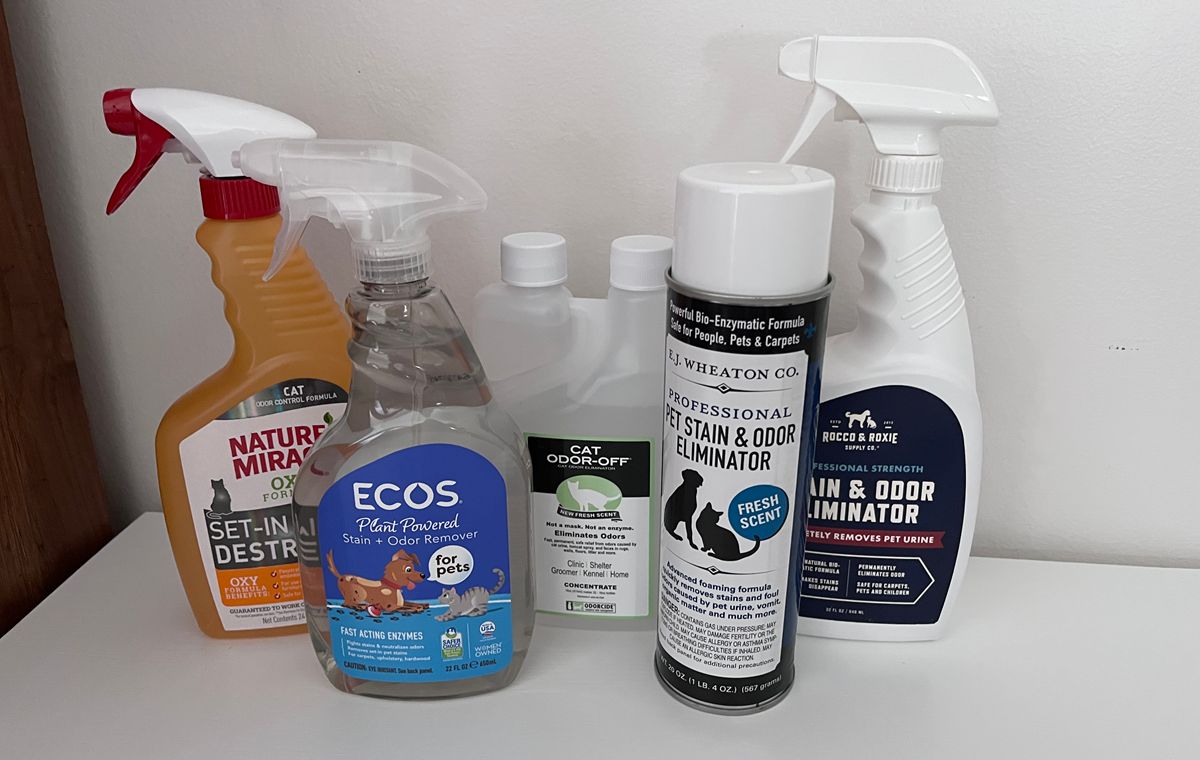
Credit: cats.com
Natural Neutralizing Agents
Dealing with cat urine in your potted plants can feel frustrating, but natural neutralizing agents offer simple and effective solutions. These agents not only help eliminate odors but also protect your plants from harm. Using everyday household items, you can restore your plants without harsh chemicals.
Baking Soda Solutions
Baking soda is a fantastic natural deodorizer. Sprinkle a small amount of baking soda on the soil surface and gently water it in to neutralize the urine’s acidity.
It helps absorb moisture and odors, making your plant environment fresher. Have you noticed how baking soda works wonders in your fridge? It can do the same for your plants.
Vinegar Treatments
White vinegar is a powerful natural cleaner and neutralizer. Mix one part vinegar with three parts water, then spray or pour lightly on the affected soil area.
Its acidity balances the alkaline nature of cat urine, reducing smell and preventing soil damage. Be careful not to overdo it—too much vinegar can harm your plants.
Activated Charcoal Benefits
Activated charcoal is excellent at trapping odors and toxins. Placing a small amount on the soil surface or mixing it lightly into the soil can keep your plant’s environment healthy.
It also improves soil drainage and air flow, which your plants love. Have you tried adding charcoal to your garden before? It’s a simple way to keep the soil fresh and odor-free.
Commercial Products For Neutralization
Dealing with cat urine in your potted plants can be frustrating, but commercial products designed for neutralization can make the cleanup easier and more effective. These products target the odor and stain at the source, helping your plants recover and keeping your home smelling fresh. Choosing the right product depends on the severity of the issue and the type of plant you have.
Enzyme Cleaners
Enzyme cleaners break down the proteins and compounds in cat urine that cause odor and stains. They work by using natural enzymes to digest the urine, eliminating both the smell and the residue.
These cleaners are safe for most plants and soil types, making them a practical choice for your potted plants. When I used an enzyme cleaner on my spider plant, the smell disappeared within hours, and the soil looked healthy again.
Look for enzyme cleaners labeled for pet stains, and follow the instructions carefully to avoid over-wetting the soil, which can harm your plant roots.
Odor Neutralizers
Odor neutralizers don’t just mask the smell; they chemically neutralize the odor molecules in cat urine. These products often come in spray or powder form and can be applied directly to the soil surface.
They are great for quick fixes and can be used alongside enzyme cleaners for a more thorough approach. One trick I found useful is spraying the neutralizer outside the plant pot too, especially if your cat tends to revisit the same spot.
Check the product’s safety information to ensure it won’t affect your plant’s health. Some odor neutralizers also contain ingredients that help condition the soil, which can be an added benefit.
Preventing Future Incidents
Stopping your cat from urinating in potted plants again is key to keeping your home fresh and your plants healthy. It’s not just about cleaning up after the fact; preventing future incidents saves you time and frustration. Let’s look at ways you can protect your plants and guide your cat to better habits.
Physical Barriers
Adding physical barriers around your plants can make a big difference. Consider placing decorative stones or pine cones on the soil surface—cats dislike walking on uneven textures. You might also try using a small wire mesh or garden fencing to block access without ruining your plant’s look.
I once placed a shallow tray filled with marbles over the soil, and my cat quickly learned to avoid that pot. It’s a simple step, but it sends a clear message to your pet.
Using Deterrents
Deterrents rely on your cat’s sensitive nose or dislike of certain sensations. Spraying a mixture of diluted vinegar or citrus-scented water near the plant can keep cats at bay, but avoid spraying directly on the plant. Commercial cat repellents also work well if you prefer a ready-made solution.
Many cats dislike the feel of aluminum foil or double-sided tape around their favorite spots. Placing these materials around your pots might make your cat think twice before jumping in.
Training Your Cat
Training your cat to avoid potted plants takes patience but pays off in the long run. Use positive reinforcement by praising or rewarding your cat when it uses its litter box properly. You can also gently redirect your cat if you catch it near the plants, using a firm “no” and moving it away.
Have you tried offering alternative play or scratching areas? Sometimes cats target plants out of boredom or curiosity. Providing engaging toys or a scratching post can shift their focus, reducing unwanted behavior.
Maintaining Healthy Potted Plants
Maintaining healthy potted plants is essential to keep them thriving and looking their best. Potted plants often face challenges like limited nutrients and water retention issues. Taking care of the soil, watering habits, and plant choice plays a big role in their health. These simple steps help your plants recover from stress and resist damage from cat urine.
Regular Soil Replacement
Changing the soil often prevents build-up of harmful substances. Cat urine leaves salts and chemicals that harm roots. Fresh soil restores nutrients and improves drainage. Replace the top layer or repot plants every few months. This keeps the soil clean and plants growing strong.
Proper Watering Techniques
Water plants deeply but less often to encourage strong roots. Avoid overwatering, which can cause root rot and weaken plants. Use room temperature water to protect roots from shock. Water early in the day to allow soil to dry before night. Good watering habits help plants stay healthy and resist odors.
Choosing Resistant Plant Varieties
Some plants tolerate cat urine better than others. Look for hardy species that survive in tough conditions. Plants like spider plants, snake plants, and herbs often resist damage. Choosing the right plants reduces stress and saves time on repairs. Hardy plants keep your pots green and fresh longer.
Credit: www.amazon.com
Frequently Asked Questions
How Can I Remove Cat Urine Smell From Potted Plants?
To remove cat urine smell, rinse the soil thoroughly with water. Use an enzymatic cleaner safe for plants to break down urine compounds. Avoid harsh chemicals that may harm your plant.
What Natural Remedies Neutralize Cat Urine In Soil?
Baking soda and white vinegar are natural options. Sprinkle baking soda on soil, let it sit, then water it. Vinegar diluted with water can help neutralize odor without damaging plants.
How Do I Prevent Cats From Urinating In My Plants?
Place citrus peels or coffee grounds on the soil surface. Cats dislike these smells. You can also use physical barriers like mesh or plant deterrent sprays.
Can Cat Urine Harm Potted Plants?
Yes, cat urine contains ammonia and salts that can damage plant roots. It may cause leaf yellowing, wilting, or soil nutrient imbalance.
Conclusion
Cat urine can harm your potted plants, but you can fix it. Act quickly to remove the smell and clean the soil. Use safe cleaning solutions like vinegar or baking soda. Keep your plants healthy by watering well after cleaning.
Prevent future problems by placing barriers or using scents cats dislike. Small steps make a big difference for your plants. Stay patient and consistent with care. Your plants will recover and grow strong again. Enjoy a fresh, clean space without worrying about cat urine.

Lily Purrington is the founder of MyKittyPicks.com, a cozy corner of the web dedicated to helping cat lovers discover the best cat products, furniture, toys, and home decor ideas.
A lifelong cat enthusiast, Lily shares trusted tips, honest product recommendations, and stylish inspiration designed to keep kitties happy and homes beautiful.
Her mission is simple: to bring together practical advice and purr-fect picks that make life better for cats and the people who love them.


