

Have you ever noticed crystals in your cat’s urine and wondered what’s behind it? If you have, you’re not alone—and understanding this can be key to keeping your furry friend healthy.
These tiny crystals might seem harmless, but they can signal discomfort or more serious problems for your cat. You’ll discover what causes these crystals, why they matter, and what you can do to help your pet feel better. Keep reading to learn how to protect your cat and avoid common mistakes that many pet owners make.
Types Of Crystals In Cat Urine
Crystals in cat urine form from minerals that clump together. These crystals differ in shape and composition. Identifying the type helps in treating and preventing urinary issues. Two common types cause most problems in cats.
Struvite Crystals
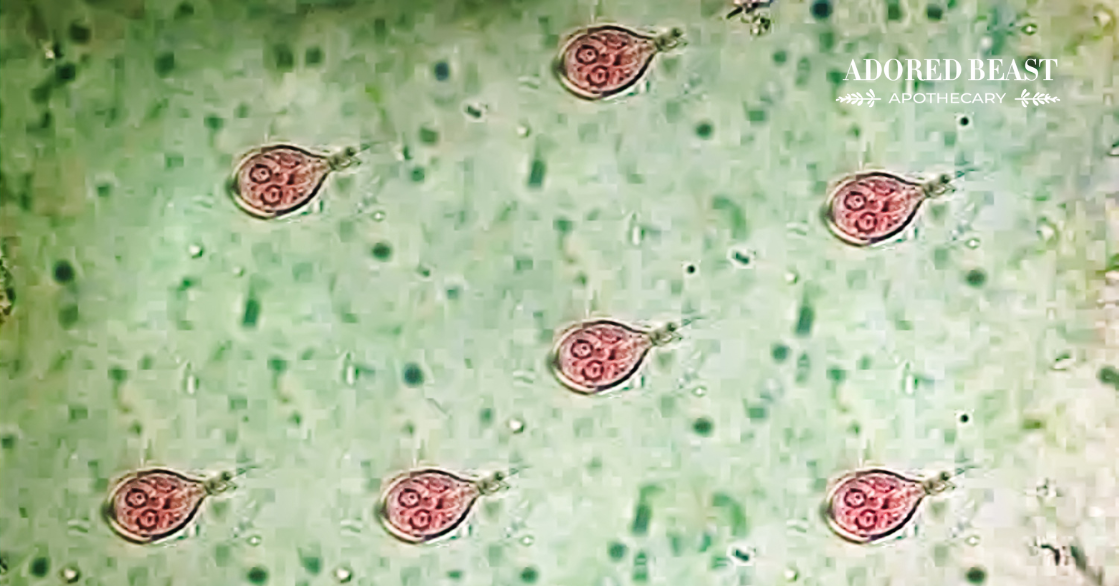
Struvite crystals are made of magnesium, ammonium, and phosphate. They often form in alkaline urine. Cats with a diet high in magnesium may develop these crystals. Struvite crystals can cause blockages and pain. They appear as coffin-shaped or rectangular crystals under a microscope.
Calcium Oxalate Crystals
Calcium oxalate crystals form in acidic to neutral urine. These crystals consist of calcium and oxalate compounds. They often appear as small, envelope-shaped crystals. Diets high in calcium or oxalate can increase risk. Calcium oxalate crystals can lead to kidney stones and urinary discomfort.
Credit: www.purina.com
Common Causes Of Crystal Formation
Crystal formation in cat urine happens due to several common causes. These factors affect the urine’s chemical balance. When this balance shifts, crystals can form and cause discomfort or health problems for cats. Understanding these causes helps in preventing and managing crystal issues effectively.
Diet And Nutrition
Diet plays a big role in crystal formation. Certain foods can change the urine’s pH level. High mineral content in food, especially magnesium and phosphorus, increases crystal risk. Dry food diets often have less moisture, which can concentrate urine. A balanced diet with proper hydration reduces the chance of crystals forming.
Dehydration Effects
Dehydration thickens the urine. Thick urine has a higher concentration of minerals. These minerals can clump together and form crystals. Cats that drink less water or have health issues causing dehydration are more vulnerable. Encouraging water intake helps keep urine diluted and lowers crystal risks.
Urinary Tract Infections
Infections in the urinary tract disrupt normal urine flow. Bacteria can change urine chemistry and increase crystal formation. Infected urine often becomes more alkaline or acidic, encouraging crystals. Treating infections promptly prevents further crystal buildup and urinary problems.
Genetic Factors
Some cats inherit traits that make crystal formation more likely. Certain breeds have a higher risk due to genetic predisposition. These cats may produce urine that favors crystal development. Knowing a cat’s breed can help monitor and manage potential crystal issues early.
Symptoms Of Urinary Crystals
Detecting urinary crystals in cats can be challenging, especially since our feline friends are masters at hiding discomfort. Understanding the symptoms can help you take timely action. Keep an eye on these key indicators to ensure your cat’s urinary health stays in check.
Changes In Urination Habits
One of the first signs you might notice is a change in your cat’s urination habits. This could mean more frequent trips to the litter box or, conversely, fewer visits. You might also find your cat urinating in unusual places, like your bed or a rug, which could indicate discomfort or urgency.
Signs Of Discomfort
Cats with urinary crystals often show visible signs of discomfort. You may hear them vocalizing more, especially when using the litter box. Another sign is excessive licking of the genital area, which is a cat’s way of trying to soothe irritation.
Behavioral Changes
Behavioral changes can also signal the presence of urinary crystals. If your normally playful cat seems lethargic or irritable, it might be time to investigate further. Some cats might also become more reclusive, hiding away in quiet corners of the house.
Have you noticed any of these symptoms in your cat? If so, it’s crucial to consult with a veterinarian. Early detection can prevent more serious health issues and keep your furry friend happy and healthy. Your cat depends on you to notice these subtle signs. Are you ready to take action for their well-being?
Diagnostic Methods
Understanding what causes crystals in your cat’s urine starts with accurate diagnosis. Identifying the exact type of crystals and underlying issues helps tailor the right treatment. Various diagnostic methods give vets clear insights into your cat’s urinary health.
Urinalysis Tests
Urinalysis is the most common and effective test to detect crystals in cat urine. It involves collecting a urine sample and examining it under a microscope for crystals, bacteria, and blood cells.
This test also measures urine pH and concentration, which influence crystal formation. Have you noticed changes in your cat’s litter box habits? A simple urinalysis might reveal hidden problems before they worsen.
Imaging Techniques
X-rays and ultrasounds help visualize the urinary tract and detect stones or blockages caused by crystal buildup. These imaging tools provide a clearer picture of your cat’s bladder and kidneys without invasive procedures.
Ultrasound is especially useful for spotting small crystals or early signs of inflammation. When was the last time your cat had an imaging checkup? It could catch problems that urinalysis alone might miss.
Veterinary Examination
A thorough physical exam allows your vet to check for pain, swelling, or discomfort in your cat’s abdomen. Palpating the bladder can sometimes reveal enlargement or blockages linked to crystals.
Your vet will also ask about your cat’s diet, water intake, and behavior to find possible causes. Have you noticed signs like frequent urination or straining? Sharing these details can speed up diagnosis and improve care.
Treatment Options
Dealing with crystals in your cat’s urine can be stressful, but knowing your treatment options can make a huge difference in managing their health. Treatment varies depending on the type and severity of the crystals, as well as your cat’s overall condition. Let’s dive into practical ways you can help your furry friend feel better and prevent future issues.
Dietary Adjustments
Changing your cat’s diet is often the first step in treating urine crystals. Specialized prescription diets can help dissolve crystals and prevent new ones from forming by balancing the urine’s pH level.
Have you noticed how some cats prefer wet food over dry? Wet food increases water intake, which dilutes urine and reduces crystal concentration. Adding moisture to your cat’s meals could be a simple, effective change.
Medications
Your vet may prescribe medications to address underlying causes or to help dissolve crystals. These can include antibiotics if an infection is present or drugs to alter urine acidity.
It’s important to administer medications exactly as directed. Missing doses or stopping treatment early can lead to recurrence and prolonged discomfort for your cat.
Hydration Therapy
Encouraging your cat to drink more water is crucial for flushing out crystals. Some cats might benefit from subcutaneous fluids, especially if they are dehydrated or reluctant to drink enough.
Have you tried multiple water bowls or fountains? Sometimes just changing the water source can increase your cat’s water intake significantly. Hydration therapy supports kidney function and helps clear the urinary tract.
Surgical Interventions
In severe cases where crystals cause blockages, surgery might be necessary. This can involve removing obstructive crystals or correcting anatomical issues that contribute to urine crystal formation.
Surgery is usually a last resort but can be lifesaving. It’s important to follow up with your vet on post-surgery care and preventive measures to avoid recurrence.
Credit: blog.adoredbeast.com
Preventing Crystal Formation
Preventing the formation of crystals in cat urine is key to maintaining your cat’s health. Crystals can cause discomfort and lead to urinary tract problems. Simple care steps can make a big difference. These steps focus on diet, hydration, and health monitoring.
Balanced Diet Tips
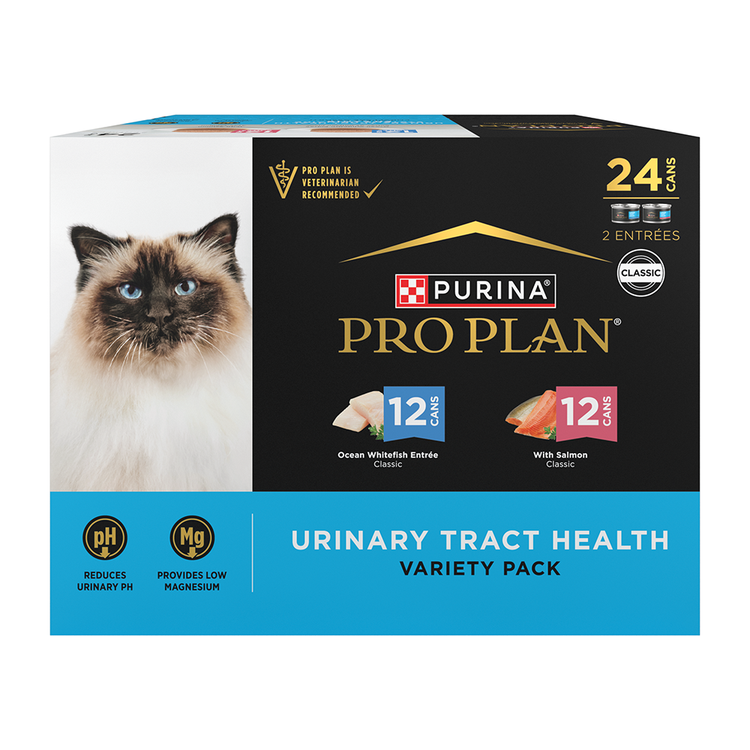
Choose food that supports urinary health. Wet food is often better than dry because it has more moisture. Look for diets low in magnesium and phosphorus. These minerals can contribute to crystal formation. Avoid giving your cat too many treats or table scraps. Consistency in diet helps keep urine balanced.
Encouraging Water Intake
Hydration dilutes urine and reduces crystal risks. Provide fresh water in multiple bowls around the house. Some cats prefer running water, so consider a cat water fountain. Add water or broth to your cat’s food to increase fluid intake. Monitor how much your cat drinks daily to spot changes early.
Regular Vet Checkups
Frequent vet visits catch problems before they worsen. Your vet can test urine for crystals or infections. Early detection leads to easier treatment and prevention. Discuss any changes in your cat’s bathroom habits with the vet. Follow the vet’s advice on diet and medication strictly.
Credit: www.purina.com
Frequently Asked Questions
What Causes Crystals In Cat Urine?
Crystals in cat urine form due to high mineral levels like magnesium or calcium. Poor hydration and diet also contribute. These crystals can irritate the urinary tract, causing discomfort or blockages.
How Does Diet Affect Cat Urine Crystals?
Certain diets high in minerals increase crystal formation risk. Wet food and balanced nutrition help reduce crystals. Avoiding high magnesium or phosphate foods is essential for prevention.
Can Dehydration Lead To Crystals In Cat Urine?
Yes, dehydration concentrates urine, increasing mineral buildup. Cats need fresh water to dilute urine and prevent crystals. Encouraging water intake can reduce urinary issues.
Are Male Cats More Prone To Urine Crystals?
Male cats have narrower urinary tracts, making crystal blockages more dangerous. They are more prone to urinary problems caused by crystals. Early detection and treatment are crucial.
Conclusion
Crystals in cat urine often result from diet and water intake. Poor hydration can lead to concentrated urine. Certain foods may increase crystal formation. Stress and infections also play a role. Regular vet check-ups help catch problems early. Feeding balanced food supports urinary health.
Always provide fresh water to your cat. Watching for changes in urination is important. Taking these steps keeps your cat comfortable. Healthy cats mean happy homes.

Lily Purrington is the founder of MyKittyPicks.com, a cozy corner of the web dedicated to helping cat lovers discover the best cat products, furniture, toys, and home decor ideas.
A lifelong cat enthusiast, Lily shares trusted tips, honest product recommendations, and stylish inspiration designed to keep kitties happy and homes beautiful.
Her mission is simple: to bring together practical advice and purr-fect picks that make life better for cats and the people who love them.


