
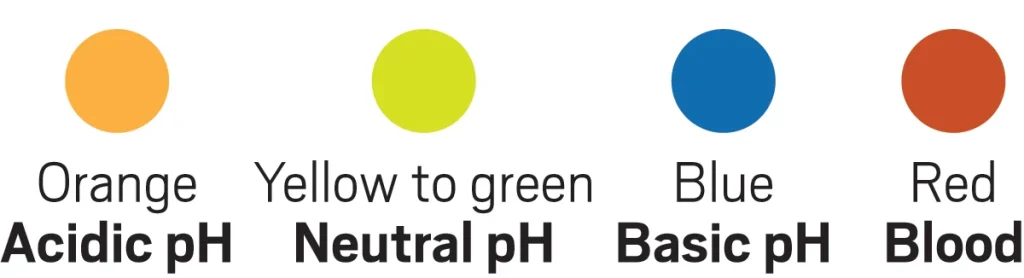
Have you ever wondered what color cat urine really is? If you’ve noticed a strange spot or smell in your home, understanding the color of cat urine can help you figure out if your furry friend is healthy or if something might be wrong.
Knowing this simple detail can save you from costly vet visits and keep your home fresh and clean. Keep reading, because what you learn here could make a big difference for you and your cat’s well-being.

Credit: cen.acs.org
Cat Urine Colors
Cat urine colors can tell a lot about your cat’s health. Knowing what different colors mean helps you spot problems early. Normal urine color is usually easy to recognize. But sometimes, urine changes color due to diet, hydration, or illness. Understanding these color changes can guide you to take proper action for your cat.
Normal Urine Color
Healthy cat urine is typically pale yellow to amber. This color shows proper hydration and kidney function. The shade may vary slightly depending on how much water your cat drinks. Clear urine can mean overhydration, while dark yellow suggests mild dehydration. Normal urine should be transparent without cloudiness or particles.
Common Color Variations
Sometimes cat urine changes color due to various reasons. Here are common variations and their possible causes:
- Dark Yellow or Orange:Dehydration or high concentration of waste.
- Red or Pink:Blood in urine, possible infection or injury.
- Brown:Possible liver issues or old blood.
- Green or Blue:Rare, may indicate medication or infection.
- Cloudy or Milky:Infection or crystals in urine.
Changes in urine color need attention. Consult a vet if unusual colors appear or if your cat shows other symptoms.
Causes Of Color Changes
Cat urine color can vary for several reasons. Changes in color often signal something about a cat’s health or lifestyle. Understanding these causes helps pet owners notice when something is off. The color can shift due to diet, hydration, health issues, or medications. Each factor influences the urine’s appearance differently.
Diet And Hydration Effects
What a cat eats affects urine color a lot. A diet rich in certain foods can make urine darker or lighter. For example, foods with high moisture content usually produce lighter urine. Dehydration leads to concentrated, darker urine. Cats that drink less water have stronger-smelling and darker urine. Fresh water intake is key to keeping urine normal.
Medical Conditions
Some illnesses change urine color noticeably. Urinary tract infections can cause pink or red urine due to blood. Liver problems may turn urine dark amber or brown. Kidney disease often results in pale or cloudy urine. Diabetes can cause sweet-smelling, diluted urine. Noticing these changes early can help catch health issues fast.
Medications Impact
Certain medicines alter urine color in cats. Antibiotics might tint urine yellow or orange. Some vitamins, especially B-complex, cause bright yellow urine. Chemotherapy drugs can make urine darker. Always follow vet advice on medications and watch for color shifts. Reporting unusual urine colors helps vets adjust treatments safely.
Signs From Unusual Colors
Cat urine’s color can reveal a lot about your feline friend’s health. While a pale yellow color is normal, deviations might signal something unusual. Understanding these signs can help you take timely action for your pet’s well-being.
Red Or Pink Urine
Noticing red or pink in your cat’s urine can be alarming. This color often indicates the presence of blood, possibly due to urinary tract infections, kidney stones, or even tumors. If you spot this, it’s crucial to consult your vet promptly to address the underlying cause.
Dark Yellow Or Orange
Dark yellow or orange urine might suggest dehydration. Cats often hide their thirst, especially if they’re on a dry food diet. Ensure your cat has access to fresh water and consider wet food to boost their hydration levels.
Cloudy Or Murky Appearance
Cloudy urine can imply the presence of crystals, bacteria, or mucus. These substances may indicate infections or other health issues. Have you noticed this in your cat? A vet visit is advisable to identify and treat potential problems early.

Credit: biochemazone.com
Health Risks And Concerns
Noticing changes in your cat’s urine color can be alarming, and it’s important to understand the health risks behind these changes. Cat urine color can signal serious health problems that require immediate attention. Ignoring these signs might lead to more severe complications for your furry friend.
Urinary Tract Infections
Urinary tract infections (UTIs) can cause your cat’s urine to appear darker or cloudier than usual. These infections often make your cat strain while urinating or visit the litter box more frequently. If you see blood or an unusual odor in the urine, it’s a clear sign that your cat needs a vet checkup.
Kidney Problems
Kidney issues may cause the urine to turn very dark or even brownish. Your cat might also drink more water and urinate more often. Kidney disease is serious, and early detection through urine color changes can help manage the problem before it worsens.
Dehydration Warning
Concentrated, amber-colored urine often points to dehydration in cats. Dehydration can quickly lead to other health issues, especially if your cat isn’t drinking enough water. Have you checked if your cat’s water bowl is always full and fresh? Encouraging hydration is key to preventing this risk.
When To See A Vet
Noticing a change in your cat’s urine color can be unsettling. Sometimes, it’s a one-time issue, but other times it signals something more serious. Knowing when to see a vet is crucial for your cat’s health and your peace of mind.
Persistent Color Changes
If your cat’s urine color stays unusual for more than a day or two, don’t ignore it. Colors like dark yellow, orange, pink, or even red could mean blood or infection. I once waited too long to check my cat’s orange-tinted urine, which turned out to be a urinary tract infection that needed antibiotics.
Take note if the color shifts frequently or worsens. This persistence usually means your cat needs professional attention quickly. Waiting can lead to pain or complications your cat can avoid with early treatment.
Other Symptoms To Watch
Color changes alone might not tell the whole story. Pay close attention to symptoms like:
- Frequent or painful urination
- Straining or crying when urinating
- Lethargy or loss of appetite
- Vomiting or excessive thirst
These signs combined with unusual urine color are a clear signal to contact your vet. They help diagnose the problem faster and get your cat relief sooner.
Diagnostic Tests
Your vet will likely run several tests to find the cause of the urine color change. Common tests include:
- Urinalysis:Checks for infection, blood, crystals, or other abnormalities.
- Blood tests:Evaluate kidney function and detect systemic issues.
- Ultrasound or X-rays:Look for bladder stones or tumors.
These tests provide a clear picture of your cat’s urinary health. They also guide effective treatment plans, ensuring your cat gets the care it truly needs.

Credit: www.reddit.com
Preventive Tips
Preventing unusual changes in your cat’s urine color starts with simple everyday habits. Paying attention to hydration, diet, and health can make a big difference. These tips help you spot problems early and keep your feline friend comfortable and healthy.
Hydration Strategies
Keeping your cat well-hydrated is key to normal urine color and overall health. Try offering fresh water multiple times a day and consider a pet fountain to encourage drinking. Wet cat food is also a great way to boost water intake without forcing your cat to drink more.
Have you noticed your cat drinking less water? It might be time to change the water bowl location or try different types of bowls. Small adjustments often increase their interest in drinking more.
Diet Adjustments
Your cat’s diet directly affects the color and smell of their urine. Foods with artificial colors or excessive minerals can cause changes that might worry you. Switching to high-quality, balanced cat food with natural ingredients supports urinary health.
Adding a bit of pumpkin or cranberries, known for urinary benefits, can also help maintain proper urine color. Always check with your vet before making changes to avoid upsetting your cat’s digestion.
Regular Health Checks
Routine vet visits catch issues before they become serious. Urine color changes can signal infections, kidney problems, or dehydration. Getting regular urine tests and physical exams keeps you informed about your cat’s health.
Think about how often you schedule these checks. Could more frequent visits help you notice problems sooner? Early detection saves your cat discomfort and costly treatments.
Frequently Asked Questions
What Color Is Normal Cat Urine?
Normal cat urine is usually light yellow to amber. Its color depends on hydration and diet. Darker urine may signal dehydration or illness.
Why Does Cat Urine Sometimes Look Cloudy?
Cloudy cat urine can indicate infection or crystals. It may also result from dehydration. Consult a vet if cloudiness persists.
Can Cat Urine Color Indicate Health Problems?
Yes, urine color changes can signal health issues. Dark, red, or brown urine may suggest infection or internal bleeding. Prompt veterinary care is advised.
How Does Diet Affect Cat Urine Color?
Diet influences urine color by altering urine concentration and pH. High-protein diets can darken urine. Proper hydration helps maintain normal color.
Conclusion
Cat urine color can tell you a lot about your pet’s health. Normal urine is usually pale yellow. Dark or strange colors may signal illness or dehydration. Watching the color helps catch problems early. Clean your cat’s litter box regularly to spot changes fast.
Always consult a vet if you see unusual urine color. This simple step keeps your cat healthy and happy. Taking care of your cat starts with knowing these small signs. Stay alert, and your cat will thank you.

Lily Purrington is the founder of MyKittyPicks.com, a cozy corner of the web dedicated to helping cat lovers discover the best cat products, furniture, toys, and home decor ideas.
A lifelong cat enthusiast, Lily shares trusted tips, honest product recommendations, and stylish inspiration designed to keep kitties happy and homes beautiful.
Her mission is simple: to bring together practical advice and purr-fect picks that make life better for cats and the people who love them.


