

Have you ever noticed a strange smell in your home but just can’t pinpoint where it’s coming from? If you have a cat, there’s a good chance it could be cat urine hiding in unexpected spots.
Finding it isn’t always easy because it’s often invisible to the naked eye. But don’t worry—you’re about to learn simple, effective ways to track down those hidden spots quickly. Knowing exactly where the problem is will save you time, protect your furniture, and keep your home fresh and clean.
Ready to uncover the secrets your cat might be hiding? Let’s dive in and find that elusive cat urine together.
Signs Of Cat Urine
Identifying cat urine in your home can be tricky, but knowing the signs makes it easier to tackle the problem quickly. Cat urine doesn’t always show up clearly, especially on carpets or furniture. Recognizing the visual, odor, and behavioral clues can help you find the exact spots and address the issue before it becomes a bigger mess.
Visual Clues On Surfaces
Look closely for yellowish or slightly discolored patches on carpets, hardwood floors, or tiles. These spots might be faint, especially if the urine has dried. Using a black light in a dark room can reveal hidden stains, as cat urine glows under UV light.
Don’t forget to check corners, under furniture, and along baseboards where cats often hide their mess. You might also notice dampness or a sticky texture on the surface. If your cat has a favorite resting spot, that area is worth inspecting thoroughly.
Odor Characteristics
Cat urine has a strong ammonia-like smell that can be sharp and unpleasant. The longer it sits, the more pungent it becomes, often lingering in the air or sticking to fabrics. If you detect an unusual, sour smell in any room, it’s a red flag for hidden urine.
Sometimes the odor is subtle, especially if you’ve cleaned before without using the right products. Ask yourself if you notice a persistent smell that doesn’t go away with regular cleaning. That lingering odor can point directly to where the urine is hiding.
Behavioral Indicators In Cats
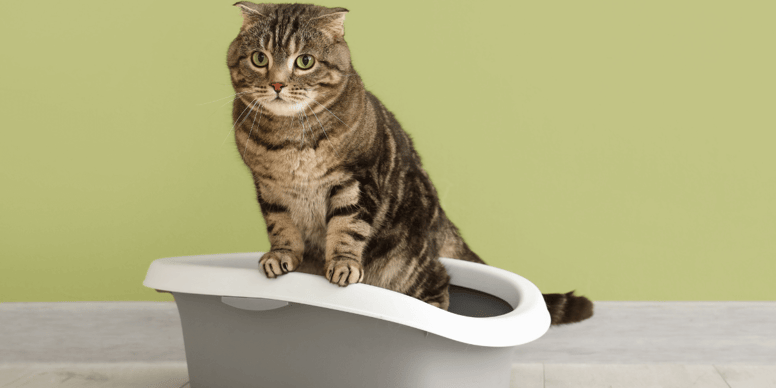
Has your cat started avoiding its litter box or scratching around unusual spots? These behaviors often signal discomfort or an attempt to cover up a previous accident. Pay attention if your cat keeps returning to the same area or seems restless in certain rooms.
Sometimes cats urinate outside their box due to stress, health issues, or territorial marking. Watch for sudden changes in behavior like frequent sniffing, licking of specific areas, or agitation. These clues from your cat can guide you to the problem zones faster than any tool.
Credit: wamiz.co.uk
Tools For Detection
Detecting cat urine can be tricky. The stains are often invisible to the naked eye. Using the right tools helps find hidden spots. These tools make cleaning easier and more effective. Here are some common tools to detect cat urine.
Black Light Usage
Black lights reveal urine stains by making them glow. Cat urine often glows yellow or green under UV light. Dark rooms work best for this method. Slowly scan floors, walls, and furniture. Mark glowing spots for cleaning later.
Scent Detection Methods
Your nose can detect strong urine odors. Some cats urinate in hidden places with a strong smell. Smell around corners, carpets, and upholstery. A trained sniffer dog can also find urine. This method works well for stubborn spots.
Cleaning Products With Indicators
Certain cleaning products change color when they contact urine. These products contain special chemicals to highlight stains. Spray the cleaner on suspect areas. Watch for color changes to confirm urine presence. It saves time by targeting exact spots.
Locating Hidden Spots
Hidden cat urine spots often smell faint or go unnoticed. Use a blacklight in dark rooms to reveal glowing stains on carpets or furniture. Checking corners and under cushions helps find these secret areas quickly.
Finding cat urine can be a tricky task, especially when your feline friend has chosen to be discreet. You might notice an unpleasant odor but struggle to pinpoint its source. Locating these hidden spots is crucial to maintaining a fresh and clean home. Here’s how you can zero in on those sneaky spots and tackle them effectively.Common Problem Areas
Start by identifying common areas where your cat might mark territory. Cats often choose places that are secluded or have soft surfaces. The back of closets, behind couches, and near windows are popular choices. These spots can sometimes be overlooked during routine cleaning. Be on the lookout for any discoloration on walls or floors. Cats tend to return to the same spots, so if you’ve found a problem area before, check it again. Use a flashlight to inspect dark corners, as urine stains can be hard to see with the naked eye.Checking Fabrics And Carpets
Fabrics and carpets are notorious for absorbing odors. Gently sniff around rugs, curtains, and upholstered furniture. Don’t be shy—get close to the fabric. The scent will be strongest where the urine is concentrated. A blacklight can be a handy tool for this task. Under its glow, urine stains appear as a bright, neon yellow. It’s an inexpensive gadget that can save you a lot of time and guesswork. Once you locate a stain, mark it with a small piece of tape to ensure you don’t lose track of it.Inspecting Furniture And Corners
Cats can squeeze into the most unexpected places. Check under and behind furniture where they might have sneaked in unnoticed. Move furniture away from walls to see if any spots have been covered up. Corners of rooms are another hotspot for hidden urine. Cats often choose these areas for privacy. Carefully inspect baseboards and the edges of walls. Using a tissue, you can dab suspect areas to test for moisture, which might indicate a fresh spot. Taking the time to thoroughly inspect these areas can make a significant difference in maintaining a clean-smelling home. Have you ever been surprised by a hidden spot in your house? What strategies helped you uncover it? Share your experiences and let’s keep the conversation going!Effective Cleaning Techniques
Cleaning cat urine effectively is key to keeping your home fresh and preventing repeat accidents. It’s not just about removing the stain but eliminating the odor completely. This ensures your cat won’t be tempted to mark the same spot again.
Choosing The Right Cleaners
Not all cleaners work well on cat urine. Avoid ammonia-based products because they smell like urine to your cat and may encourage more marking. Instead, look for enzymatic cleaners specifically designed to break down urine molecules.
These cleaners attack the source of the odor rather than masking it. You can find them in most pet stores or online. Using the right cleaner makes a huge difference in stopping lingering smells.
Natural Remedies For Odor Removal
If you prefer natural solutions, white vinegar is a strong ally. Its acidity neutralizes the alkaline salts in cat urine. Mix equal parts vinegar and water, then spray the area and blot it dry.
Baking soda is another great option. After cleaning with vinegar, sprinkle baking soda on the spot, let it sit for a few hours, and vacuum it up. Have you ever noticed how baking soda absorbs odors in your fridge? It works the same way here.
Steps For Deep Cleaning
- Locate the spot:Use a UV blacklight to find all urine stains, even hidden ones.
- Blot the area:Absorb as much urine as possible with paper towels or a cloth. Avoid rubbing, which spreads the stain.
- Apply enzymatic cleaner:Generously spray the affected area and let it sit for at least 10 minutes to break down the urine components.
- Blot again:Remove excess moisture with a clean cloth.
- Use vinegar solution:Spray a mix of equal parts water and white vinegar, let dry naturally.
- Sprinkle baking soda:Cover the area and leave it for several hours or overnight, then vacuum thoroughly.
Have you ever cleaned a spot only to find the smell returning later? These steps help prevent that by ensuring a deep and thorough cleanse. Your home will feel fresher, and your cat will be less likely to revisit the same spot.
Preventing Future Accidents
Stopping cat urine accidents takes effort and care. Prevention helps keep your home fresh and your cat happy. Focus on good habits and a comfortable space. Small changes can make a big difference.
Litter Box Maintenance
Clean the litter box every day. Cats dislike dirty boxes and may avoid them. Use unscented, clumping litter to attract your cat. Place the box in a quiet, easy-to-access spot. Have one more litter box than the number of cats. This prevents crowding and reduces stress.
Behavioral Training Tips
Reward your cat for using the litter box. Use treats or gentle praise to encourage good habits. Avoid punishing your cat for accidents. This can cause fear and worsen the problem. Observe your cat’s routine and patterns. Address stress or changes that might cause accidents. Play with your cat regularly to reduce anxiety.
Environmental Adjustments
- Provide cozy resting spots away from the litter box.
- Keep food and water bowls separate from the bathroom area.
- Use calming sprays or diffusers designed for cats.
- Block access to favorite accident spots with furniture or barriers.
- Ensure your cat has enough vertical space like shelves or cat trees.

Credit: www.embracepetinsurance.com
Credit: www.diamondpet.com
Frequently Asked Questions
How Can I Detect Cat Urine Smell Effectively?
Use a blacklight in a dark room to spot glowing urine stains. Clean areas thoroughly to remove lingering odors and prevent repeat marking.
What Are The Common Signs Of Cat Urine Spots?
Look for yellowish stains, damp patches, or strong ammonia-like smells on carpets and furniture. Cats often urinate in hidden or repeated spots.
Which Cleaning Products Remove Cat Urine Best?
Enzymatic cleaners specifically break down urine proteins and odors. Avoid ammonia-based cleaners, as they can attract cats to urinate again.
Why Does Cat Urine Have A Strong Ammonia Smell?
Cat urine contains urea that breaks down into ammonia over time. This causes the pungent smell, which signals the need for prompt cleaning.
Conclusion
Finding cat urine quickly helps keep your home clean and fresh. Use your eyes, nose, and special lights to spot it. Act fast to stop stains and smells from spreading. Clean the area well with safe products to remove all traces.
Regular checks prevent surprises and protect your furniture. Remember, patience and care make the job easier. Keep your cat happy and your home smelling nice. Small steps lead to big results in keeping your space tidy.

Lily Purrington is the founder of MyKittyPicks.com, a cozy corner of the web dedicated to helping cat lovers discover the best cat products, furniture, toys, and home decor ideas.
A lifelong cat enthusiast, Lily shares trusted tips, honest product recommendations, and stylish inspiration designed to keep kitties happy and homes beautiful.
Her mission is simple: to bring together practical advice and purr-fect picks that make life better for cats and the people who love them.


