

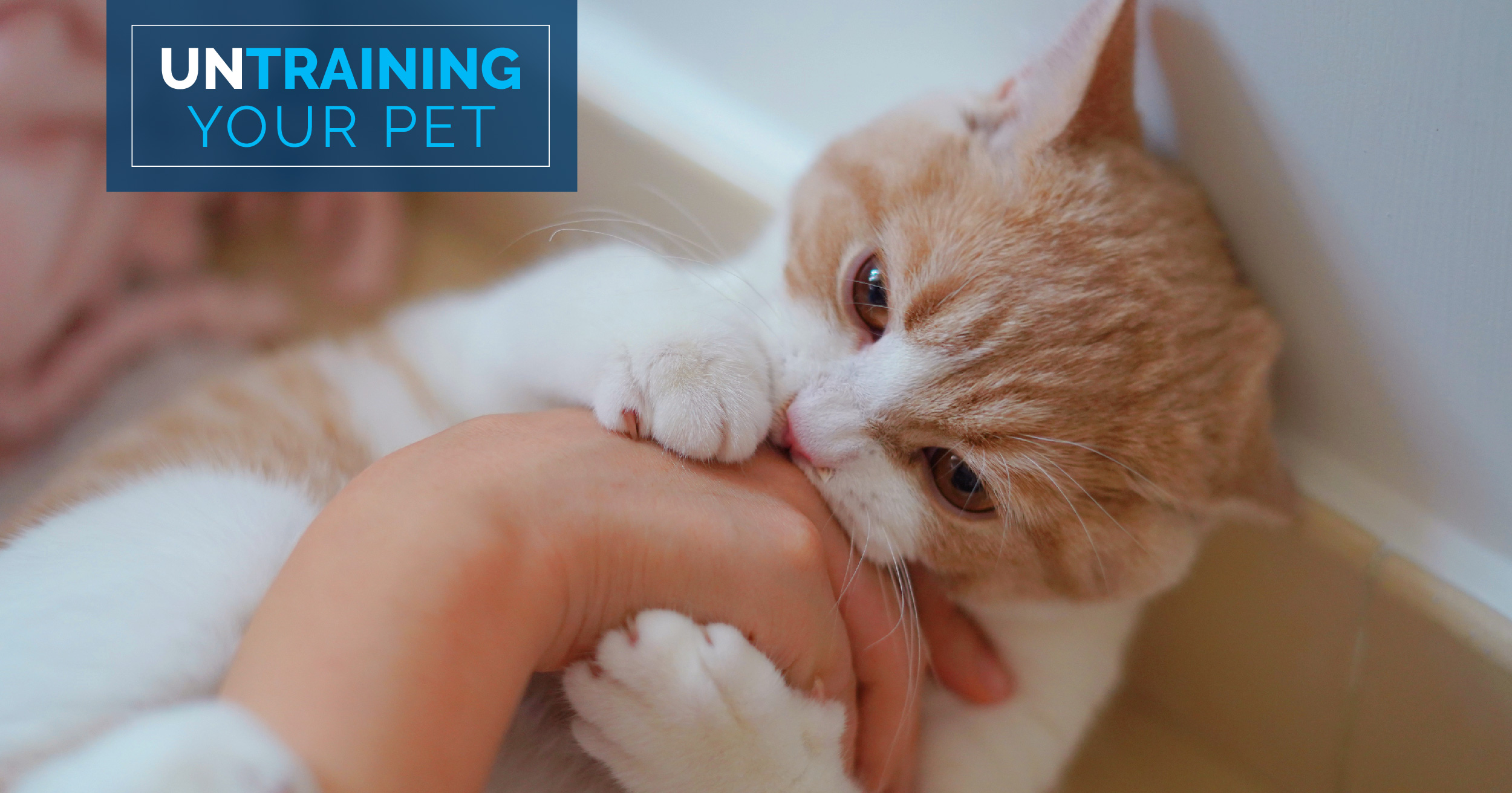
Does your cat nip or bite when you least expect it? It can be frustrating and even painful, but the good news is you can teach your furry friend to stop this behavior.
Imagine enjoying playtime without worrying about scratches or bites. You’ll discover simple and effective ways to train your cat not to bite—methods that respect your cat’s nature while keeping you safe. Ready to transform your relationship with your cat and enjoy peaceful moments together?
Let’s dive in.
Credit: www.diamondpet.com
Why Cats Bite
Understanding why cats bite is key to changing this behavior. Cats use biting as a form of communication and defense. Sometimes, they bite out of playfulness, fear, or even pain. Recognizing the reasons behind the bite helps you respond in a way that stops it from happening again.
Common Triggers
Many cats bite because they feel threatened or overstimulated. Loud noises, sudden movements, or unfamiliar people can set off a bite. Even gentle petting can become too much if your cat reaches its limit.
Stress and anxiety are also big triggers. A cat that is scared or anxious might bite to protect itself. Imagine your cat hiding and suddenly feeling cornered—that bite is a warning to give it space.
- Rough play that excites your cat too much
- Sudden changes in the environment
- Health issues causing pain
- Feeling trapped or cornered
Body Language Clues
Before a bite, cats often show clear signs. Watch for twitching tails, flattened ears, or a stiff body. These signals tell you your cat is uncomfortable or ready to defend itself.
Sometimes a cat will give you a warning nip—a quick, gentle bite. This is their way of saying “back off” without causing harm. Ignoring these signs can lead to a harder, more painful bite later.
| Body Language | What It Means | How You Should React |
|---|---|---|
| Tail flicking or lashing | Agitation or overstimulation | Stop petting and give space |
| Ears flattened back | Fear or irritation | Calm environment, avoid eye contact |
| Hissing or growling | Warning of a possible bite | Step away immediately |
Have you noticed your cat’s subtle warnings before a bite? Paying attention to these clues helps you respect their boundaries and build trust. What small changes can you make today to recognize your cat’s body language better?
Preparing For Training
Gather necessary supplies like treats and toys before training your cat. Find a quiet place without distractions to help focus your cat’s attention. Patience and consistency are key to teaching your cat not to bite.
Preparing your cat for training is the foundation of a successful and stress-free experience. Before you dive into teaching your feline friend not to bite, it’s crucial to set the stage for effective learning. A well-prepared environment and the right tools can make a significant difference in how quickly and smoothly your cat adapts to the new behavior.Choosing The Right Environment
The training environment should be calm and quiet. Cats are sensitive creatures, and a noisy or chaotic setting can distract them easily. Choose a room where your cat feels safe and comfortable, away from loud noises or other pets that might cause anxiety. Consider the lighting and temperature too. A well-lit area helps you observe your cat’s behavior more clearly, while a comfortable temperature keeps your cat from getting restless. Personal experience taught me that training my cat in a sunlit corner of the living room made him more attentive and relaxed.Gathering Training Tools
Having the right tools on hand can streamline the training process. Essential items include treats, toys, and a clicker if you're using clicker training. Treats serve as positive reinforcement, encouraging your cat to repeat desired behaviors. Toys are not just for play; they can be instrumental in redirecting your cat’s biting habits. Opt for toys that your cat can bite instead of your fingers. A feather wand or a small stuffed animal could do wonders in diverting their attention. A clicker can be a valuable asset in marking the moment your cat performs the desired behavior. If you don’t have a clicker, a simple “yes” or a gentle clap can serve the same purpose. What tools do you find indispensable when training your cat?Gentle Training Techniques
Training a cat not to bite requires patience and kindness. Harsh punishments often backfire, making your cat more fearful or aggressive. Gentle training techniques focus on building trust and guiding your cat toward better behavior without stress.
Positive Reinforcement
Reward your cat immediately when it shows calm behavior or stops biting. Use treats, soft petting, or a soothing voice to let your cat know it did something good. This helps your cat connect good behavior with positive outcomes.
Instead of saying “no” harshly, try to catch your cat in the act of being gentle and reward that moment. Have you noticed how your cat perks up when you bring out its favorite snack? That’s your chance to reinforce peaceful behavior.
Redirecting Attention
If your cat starts to bite, calmly redirect its focus to something acceptable. You can gently move your hand away and offer a toy or a scratching post instead. This teaches your cat what is okay to bite and what is not.
Think about how your cat responds when you suddenly stop playing and offer a toy. Does it switch interest? That shift is key to preventing biting from becoming a habit.
Using Toys Effectively
Toys are your best friends in teaching your cat not to bite your hands or feet. Use interactive toys like wand teasers or balls to keep your cat’s energy focused on play, not on biting you.
Try rotating toys to keep your cat engaged and avoid boredom, which often leads to biting. Have you ever seen your cat’s eyes light up when chasing a feather toy? That excitement is a great way to channel biting instincts safely.
Setting Boundaries
Setting boundaries is a crucial part of teaching your cat not to bite. Cats need to understand which behaviors are acceptable and which are not. By clearly defining these limits, you help your cat feel secure and reduce biting incidents.
Recognizing Warning Signs
Before your cat bites, there are usually clear signals. Look for twitching tails, flattened ears, or sudden staring. These signs tell you that your cat is feeling stressed or overstimulated.
Noticing these early can save you from an unexpected nip. Have you ever missed these cues and ended up with a scratch? Learning to read your cat’s body language can change your interaction completely.
Consistent Responses
Consistency is key when setting boundaries. If your cat bites, respond the same way every time. For example, say a firm “No” and gently remove your hand.
Mixed signals confuse cats and make training harder. I once allowed gentle biting during play but stopped it elsewhere, which made my cat unsure of the rules. Be clear and stick to your response to help your cat learn faster.
Handling Biting Incidents
Handling biting incidents is a key part of training a cat to stop biting. How you react shapes your cat’s behavior. Calm and clear responses teach your cat what is acceptable. Avoid actions that might scare or confuse your pet. Consistency helps your cat learn faster. Understanding safe reactions and avoiding negative reinforcement makes training smoother.
Safe Reactions
Stay calm when your cat bites. Sudden loud noises can frighten your cat. Instead, use a firm but gentle voice to say “No” or “Ouch.” This signals your cat that biting is not okay. Immediately stop playing or touching your cat to show that biting ends fun. Give your cat space to calm down. Use toys to redirect their energy away from your hands. Reward your cat with treats or petting when it plays gently.
Avoiding Negative Reinforcement
Never hit or yell at your cat for biting. Punishment can cause fear and worsen biting. Avoid squirting water or using sprays. These may make your cat anxious or aggressive. Do not push your cat’s face or paws after biting. This can confuse your cat about what behavior you want. Focus on teaching good behavior with patience. Positive reinforcement helps your cat learn faster and enjoy training.

Credit: www.outdoorbengal.com
Encouraging Calm Behavior
Encouraging calm behavior helps reduce biting in cats. Calm cats feel safe and relaxed. They are less likely to bite out of fear or stress. Creating a peaceful environment supports this calmness. Playtime can also guide your cat’s energy in a positive way.
Creating A Relaxing Space
Design a quiet area where your cat can rest. Use soft bedding and keep it away from loud noises. Cats like high places, so add shelves or a cat tree. Provide hiding spots like boxes or covered beds.
Keep the space clean and free from clutter. Avoid sudden movements or loud voices near this spot. This safe zone helps your cat calm down after play or stress.
Interactive Playtime
Play helps your cat use its energy well. Choose toys that mimic prey, like feather wands or laser pointers. Play with your cat daily for 10 to 15 minutes.
Stop play before your cat gets too excited. This prevents over-stimulation and biting. Use calm, gentle movements during play to keep your cat relaxed.
End play sessions with treats or petting to create positive feelings. Interactive play builds trust and reduces biting behavior.
When To Seek Professional Help
Training a cat not to bite requires patience and consistency. Sometimes, despite best efforts, biting behavior persists. Knowing when to seek professional help can save frustration and keep your cat happy and safe. Early intervention often leads to better results.
Identifying Persistent Issues
Persistent biting means the problem lasts for weeks or months. Your cat bites even after gentle correction. The biting causes injury or distress to people. The behavior appears suddenly or becomes worse over time. Persistent biting may signal fear, pain, or stress. Recognizing these signs helps decide if expert help is needed.
Finding A Cat Behaviorist
A cat behaviorist understands feline habits and emotions. They provide personalized advice based on your cat’s needs. Look for certified professionals with good reviews. A behaviorist observes your cat’s actions in detail. They suggest training methods and environmental changes. Their guidance improves your cat’s behavior safely and effectively.

Credit: zigly.com
Frequently Asked Questions
How Can I Stop My Cat From Biting Instantly?
Redirect your cat’s attention to toys when biting starts. Use firm “no” commands and reward gentle play to reinforce good behavior.
Why Does My Cat Bite During Playtime?
Cats bite during play to mimic hunting instincts. Providing appropriate toys helps channel this energy safely and reduces biting on hands.
Can Positive Reinforcement Help Train Cats Not To Bite?
Yes, rewarding calm and gentle behavior encourages cats to avoid biting. Treats and praise strengthen positive actions and improve training success.
Is It Normal For Kittens To Bite A Lot?
Kittens explore with their mouths and bite frequently. Gentle redirection and socialization teach them acceptable bite limits as they grow.
Conclusion
Training a cat not to bite takes time and patience. Stay calm and use gentle, clear signals. Reward good behavior with treats or praise. Avoid harsh punishments; they can cause fear. Remember, every cat learns at its own pace. Consistency helps your cat understand what is okay.
Soon, you will enjoy a calmer, happier pet. Keep practicing and stay positive. Your efforts will pay off in a loving, bite-free friendship.

Lily Purrington is the founder of MyKittyPicks.com, a cozy corner of the web dedicated to helping cat lovers discover the best cat products, furniture, toys, and home decor ideas.
A lifelong cat enthusiast, Lily shares trusted tips, honest product recommendations, and stylish inspiration designed to keep kitties happy and homes beautiful.
Her mission is simple: to bring together practical advice and purr-fect picks that make life better for cats and the people who love them.


