

If your cat has kidney disease, you’ve likely noticed how hard it is for them to keep their weight up. Watching your furry friend lose weight can be heartbreaking and worrying.
You want to help, but it’s not always clear what steps to take. This guide will show you simple, effective ways to help your cat gain weight safely and feel better. By understanding your cat’s needs and making a few key changes, you can support their health and bring back their energy.
Keep reading to discover how you can make a real difference in your cat’s life.

Credit: www.amazon.ca
Signs Of Kidney Disease In Cats
Kidney disease is common in older cats. Early signs can be hard to see. Knowing what to watch for helps your cat get care fast.
Look for changes in behavior or health. These changes may signal kidney problems. Catching symptoms early can improve your cat’s comfort.
Common Symptoms
Cats with kidney disease often show signs that affect their daily life. You might notice more drinking and urinating than usual. Bad breath and poor coat quality can also appear. Appetite loss and vomiting are other common symptoms.
- Increased thirst and urination
- Bad breath with a chemical smell
- Vomiting and nausea
- Poor coat condition
- Loss of appetite
Weight Loss Indicators
Weight loss is a key sign of kidney disease in cats. The kidneys fail to filter waste properly, causing poor nutrient absorption. This leads to muscle loss and a thin body. Watch for sudden or steady weight loss.
| Weight Loss Sign | What to Look For |
| Visible ribs and spine | Cat’s bones show through skin |
| Loss of muscle mass | Cat feels less strong and lean |
| Decreased body fat | Less padding over hips and tail |
| Change in eating habits | Eating less or refusing food |
Nutritional Needs For Cats With Kidney Disease
Caring for a cat with kidney disease means paying close attention to their diet. The right nutrition can help them stay stronger and gain weight safely.
Kidney disease affects how a cat’s body processes food. Adjusting their meals supports their health and comfort.
Protein Requirements
Cats with kidney disease need protein but in controlled amounts. Too much protein can strain the kidneys, while too little can cause weight loss.
High-quality protein helps maintain muscle without overworking the kidneys. Look for foods with easily digestible proteins like chicken or fish.
Hydration Importance
Keeping your cat hydrated is key to supporting kidney function. Water helps flush toxins and keeps the kidneys working better.
- Offer fresh water several times a day
- Use wet cat food to increase fluid intake
- Consider water fountains to encourage drinking
- Discuss fluids with your vet for severe cases
Calorie Boosting Foods
Cats with kidney disease often lose weight. Adding calorie-rich foods can help them gain weight safely.
| Food Type | Benefits | Examples |
| Healthy Fats | Increase calories without extra volume | Fish oil, chicken fat |
| Protein Snacks | Support muscle maintenance | Boiled chicken, egg yolk |
| Energy-Dense Wet Food | Easier to eat and digest | Special kidney care formulas |
Feeding Strategies To Promote Weight Gain
Helping a cat with kidney disease gain weight needs careful feeding plans. Cats with this condition often lose appetite and weight.
Using the right feeding methods can improve their food intake and support their health.
Meal Frequency And Portions
Feed your cat smaller meals more often through the day. This helps if your cat feels full quickly or has low appetite.
- Divide the daily food into 4 to 6 small meals.
- Offer food at regular times to build a routine.
- Adjust portion size if your cat eats less or more.
- Watch for signs of fullness or discomfort.
Palatability Enhancements
Make meals more attractive to encourage eating. Cats with kidney disease may reject bland food.
| Method | Tip |
| Warm the food | Heat slightly to release smell and flavor |
| Add broth | Use low-sodium chicken or beef broth |
| Mix textures | Combine wet and dry food for variety |
| Use strong-smelling food | Try tuna or sardines in small amounts |
Using Supplements
Supplements can help improve nutrition and encourage weight gain. Always check with your vet before use.
- Appetite stimulants may help some cats eat better.
- High-calorie gels or pastes add extra nutrients.
- Omega-3 fatty acids support kidney health and coat condition.
- Probiotics may improve digestion and nutrient absorption.

Credit: ziggyfamily.com
Medical Treatments Supporting Weight Gain
Caring for a cat with kidney disease requires special attention to their diet and health. Medical treatments can help your cat gain weight safely. These treatments focus on improving appetite, managing symptoms, and regular vet visits.
Understanding these treatments helps you support your cat better. Each section below explains key methods to help your cat stay healthier and gain weight.
Medications To Stimulate Appetite
Loss of appetite is common in cats with kidney disease. Vets can prescribe medicines that encourage eating. These medications help your cat feel hungry and enjoy food again.
- Mirtazapine: Increases appetite and reduces nausea.
- Cyproheptadine: Helps stimulate hunger in cats.
- Megestrol acetate: Used in some cases to boost appetite.
- Vitamin B12 injections: Can improve energy and appetite.
Managing Symptoms
Kidney disease causes symptoms that affect eating and weight. Treating these symptoms helps cats feel better and eat more. Common symptom treatments include:
| Symptom | Treatment |
| Nausea | Antiemetic drugs like ondansetron |
| Dehydration | Fluids given by injection or drip |
| High blood pressure | Medication to control blood pressure |
| Protein loss | Diet adjustments and supplements |
Regular Vet Checkups
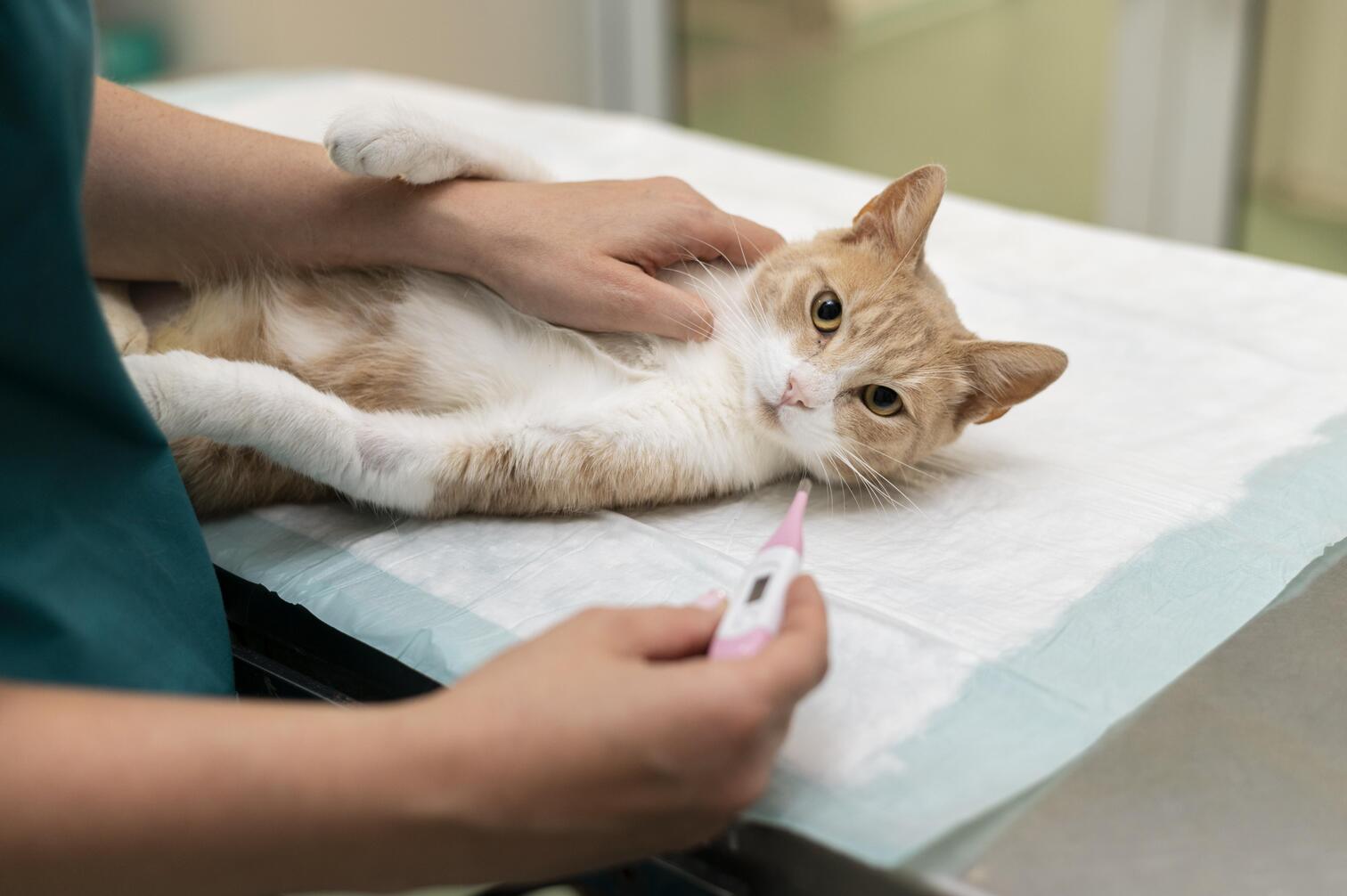
Frequent vet visits are important for cats with kidney disease. Vets monitor weight and kidney function closely. These visits help adjust treatments as needed.
- Check weight and body condition regularly.
- Run blood and urine tests to track kidney health.
- Update medications based on test results.
- Discuss diet changes and appetite improvements.
Environmental And Lifestyle Adjustments
Helping a cat with kidney disease gain weight needs more than just food changes. Adjusting their environment and daily habits is important. These changes reduce stress and make eating easier for your cat.
Simple steps at home can create a calm space and improve your cat’s appetite. Let’s look at two key areas: stress reduction and feeding comfort.
Stress Reduction Techniques
Stress can lower a cat’s desire to eat. Reducing stress helps your cat feel safe and relaxed. This can lead to better eating habits and weight gain.
- Keep a quiet and calm home environment
- Provide hiding spots like boxes or covered beds
- Maintain a consistent daily routine
- Use pheromone diffusers designed for cats
- Spend gentle, calm time petting or playing
- Limit loud noises and sudden changes around your cat
Comfortable Feeding Areas
Where your cat eats affects how much they will eat. A quiet, comfortable spot encourages eating and helps your cat feel safe during meal times.
| Tip | Why It Helps |
| Use a low, wide bowl | Prevents whisker stress and makes eating easier |
| Place food away from litter boxes | Reduces stress and keeps the area clean |
| Feed in a quiet, calm room | Limits distractions and noise during meals |
| Keep fresh water nearby | Encourages hydration and supports kidney health |
| Warm food slightly | Improves aroma and appeal to the cat |
Monitoring Progress And Adjustments
Helping a cat with kidney disease gain weight requires careful monitoring. Regular checks ensure your cat is on the right track to health.
Adjustments to their diet and lifestyle can be essential. Observing changes helps make informed decisions.
Tracking Weight Changes
Weigh your cat weekly to track progress. Use a reliable scale for accuracy.
Keep a record of their weight changes. This helps in making timely adjustments.
- Weigh at the same time of day
- Note any sudden weight loss
- Observe their energy levels
Adjusting Diet Plans
Consult your vet for diet changes. Special diets can help manage kidney disease.
Consider high-calorie options to aid weight gain. They provide necessary nutrients.
- Introduce new foods gradually
- Monitor for any adverse reactions
- Ensure fresh water is always available
Credit: medicanimal.com
Frequently Asked Questions
How Can Diet Improve Weight In Cats With Kidney Disease?
Feeding a high-quality, kidney-friendly diet helps maintain weight. Choose foods low in phosphorus and protein but rich in calories. Wet food is often preferred to ensure hydration and enhance appetite. Consult your vet for the best diet plan tailored to your cat’s needs.
What Supplements Aid Weight Gain In Cats With Kidney Disease?
Omega-3 fatty acids and appetite stimulants can support weight gain. These supplements reduce inflammation and improve kidney function. Always consult your veterinarian before adding supplements to your cat’s diet to ensure safety and effectiveness.
How Often Should I Feed A Cat With Kidney Disease?
Feed smaller, frequent meals throughout the day to boost calorie intake. This helps prevent nausea and encourages eating. Monitor your cat’s appetite and adjust meal times accordingly to maintain steady weight gain.
Can Hydration Affect Weight In Cats With Kidney Disease?
Yes, proper hydration supports kidney function and overall health. Offer fresh water and wet food to keep your cat hydrated. Dehydration can worsen kidney disease and cause weight loss, so encourage fluid intake consistently.
Conclusion
Helping a cat with kidney disease gain weight takes patience and care. Feed small, frequent meals with kidney-friendly foods. Keep your cat comfortable and stress-free. Watch their weight and health closely. Consult your vet regularly for advice and treatment updates.
Small steps can make a big difference. Your cat’s quality of life matters most. Keep showing love and support every day.

Lily Purrington is the founder of MyKittyPicks.com, a cozy corner of the web dedicated to helping cat lovers discover the best cat products, furniture, toys, and home decor ideas.
A lifelong cat enthusiast, Lily shares trusted tips, honest product recommendations, and stylish inspiration designed to keep kitties happy and homes beautiful.
Her mission is simple: to bring together practical advice and purr-fect picks that make life better for cats and the people who love them.


