

If your cat seems restless, hides often, or acts differently, they might be feeling anxious. As a caring pet owner, you want to help your furry friend feel safe and calm.
But how do you recognize anxiety in cats, and what can you do to ease their stress? You’ll discover simple, effective ways to support your cat’s emotional well-being. Keep reading to learn how to make your home a peaceful place where your cat can truly relax.
Your cat’s happiness is closer than you think.
Signs Of Cat Anxiety
Recognizing signs of anxiety in cats helps provide timely support. Cats cannot express feelings like humans. They show anxiety through actions and body language. Early detection improves their comfort and well-being.
Behavioral Changes
Watch for sudden changes in your cat’s behavior. A calm cat may become withdrawn or hide often. Some cats might show aggression or irritability. Pacing, restlessness, or excessive grooming are common signs. Loss of appetite or avoiding playtime also signals distress.
Physical Symptoms
Anxiety can affect a cat’s body too. Look for trembling or shaking. Heavy breathing or panting is unusual in cats but can occur. Dilated pupils and flattened ears indicate fear. Sometimes cats urinate outside the litter box. Hair loss from over-grooming may appear.
Triggers To Watch For
Identify what triggers your cat’s anxiety. Loud noises like fireworks or thunder often cause stress. Changes in environment, such as moving or new pets, can upset cats. Visitors or unfamiliar people may make them nervous. Even routine changes like new furniture might trigger anxiety.

Credit: www.amazon.com
Creating A Safe Space
Creating a safe space helps calm an anxious cat. Cats need a quiet, secure spot to relax. This space lowers stress and helps them feel safe. It also gives cats control over their surroundings. Here is how to make a safe space for your cat.
Quiet Areas
Choose a quiet corner or room with little noise. Avoid busy places like kitchens or living rooms. Keep the area away from loud appliances and heavy foot traffic. Soft lighting helps cats feel more at ease. A calm setting reduces anxiety and promotes rest.
Comfort Items
Place familiar items your cat loves in their safe space. Soft blankets, favorite toys, and beds provide comfort. The scent of their belongings reassures them. Use items with your cat’s scent or your own. These objects help your cat feel secure and relaxed.
Consistent Environment
Keep the safe space arrangement the same every day. Avoid moving furniture or changing bedding often. Consistency builds trust and reduces fear. Routine in feeding and playtime also supports calmness. A steady environment helps anxious cats feel safe and stable.
Calming Techniques
Gentle petting and soft voices help soothe a nervous cat. Creating a quiet, safe space reduces stress and promotes calm. Using familiar scents or calming sprays can ease anxiety effectively.
Cats can experience anxiety just like humans. This anxiety might stem from changes in the environment or routine. Helping your cat feel calm is vital for its well-being. Here are some effective techniques to soothe your anxious feline.Gentle Play
Engage your cat in gentle play sessions. Use toys that mimic the movement of prey. This can distract and calm your cat. Avoid overstimulation. Keep sessions short and sweet.Soothing Sounds
Play calming music or nature sounds. Sounds of rain or birds can relax your cat. Keep the volume low. Consistent background noise can ease anxiety.Pheromone Products
Use pheromone diffusers or sprays. These mimic natural cat chemicals. They create a sense of safety and relaxation. Place diffusers in areas your cat frequents. They’re effective in reducing stress.
Credit: www.youtube.com
Diet And Supplements
Diet and supplements can play a vital role in managing your cat’s anxiety. What your cat eats affects their mood and energy levels more than you might think. Adjusting their diet and adding the right supplements can create a calmer, happier feline.
Nutritional Support
Feeding your cat a balanced diet rich in essential nutrients supports brain health and reduces stress. Look for high-quality proteins and omega-3 fatty acids, which help regulate mood and inflammation.
Some cats respond well to diets formulated specifically for anxiety or stress relief. Have you noticed if certain foods make your cat more restless or uneasy? Keeping a food journal can reveal surprising triggers.
Natural Calming Aids
Natural supplements like L-theanine, valerian root, and chamomile can soothe anxious cats. These ingredients promote relaxation without causing drowsiness.
Adding a small amount of fish oil or hemp oil to your cat’s meals may also reduce anxiety symptoms. Always start with low doses and observe your cat’s reaction carefully.
Consulting A Veterinarian
Before making any changes, talk to your vet about your cat’s anxiety and diet. They can recommend safe supplements and ensure no underlying health issues are causing stress.
Your vet might suggest blood tests or prescribe prescription diets designed for behavioral health. Have you discussed your cat’s anxiety with a professional yet? Their guidance is essential for effective treatment.
Routine And Interaction
Creating a stable routine and offering gentle interaction can calm an anxious cat. Cats feel safer when their daily schedule stays the same. Quiet, kind moments with your cat build trust and reduce stress. Small changes in routine or rough play can make anxiety worse. Focus on steady habits and soft communication to ease your cat’s fears.
Regular Feeding Times
Feed your cat at the same times every day. Consistent meal times help your cat know what to expect. This reduces uncertainty and creates a calm environment. Use a quiet spot for feeding to avoid distractions. Avoid sudden changes in diet or feeding schedule. Your cat will feel safer with this predictability.
Positive Reinforcement
Reward calm behavior with gentle praise or treats. Use soft voices and slow movements during interaction. This shows your cat that calmness brings good things. Avoid punishment or loud noises; these increase anxiety. Positive reinforcement encourages your cat to stay relaxed around you.
Avoiding Stressful Situations
Keep your cat away from loud noises and sudden changes. Limit visitors and loud activity near your cat’s space. Watch for signs of stress like hiding or excessive grooming. Create a quiet safe spot where your cat can retreat. Preventing stress helps your cat feel more secure every day.
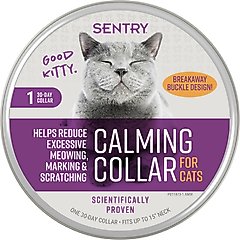
Credit: www.petmd.com
When To Seek Professional Help
Knowing when to seek professional help for your cat’s anxiety can make a big difference in their well-being. If your cat’s behavior changes suddenly or worsens despite your efforts, it’s time to reach out to experts. Early intervention can prevent more serious issues and improve your cat’s quality of life.
Veterinary Assessment
A veterinary checkup is essential to rule out any medical conditions that might cause anxiety-like symptoms. Sometimes pain or illness can make your cat act anxious or withdrawn. Your vet can perform tests and provide a clear diagnosis to guide the next steps.
Have you noticed your cat hiding more than usual or losing appetite? These signs may signal a need for a vet visit. Getting a professional opinion ensures you’re not missing underlying health problems.
Behavioral Therapy
Certified animal behaviorists specialize in understanding and modifying anxiety-driven behaviors. They can observe your cat’s actions and environment to create a tailored plan. This plan may include changes in your cat’s routine, training exercises, and environmental enrichment.
Imagine having a step-by-step guide designed specifically for your cat’s needs. Behavioral therapy often involves positive reinforcement and gradual desensitization to stressors. Such targeted support can lead to lasting improvements.
Medication Options
In some cases, medication prescribed by a veterinarian can help manage severe anxiety. These drugs can calm your cat and make behavioral therapy more effective. It’s important to use medication as part of a broader treatment plan, not as a standalone solution.
Are you worried about side effects? Discuss all concerns with your vet. They will choose the safest option and monitor your cat’s progress closely to adjust the treatment if needed.
Frequently Asked Questions
What Are Common Signs Of Cat Anxiety?
Common signs include excessive grooming, hiding, aggression, and vocalization. Cats may also refuse food or show restlessness. Recognizing these signs early helps in managing anxiety effectively.
How Can I Create A Calm Environment For My Anxious Cat?
Provide a quiet, safe space with familiar bedding and toys. Use calming pheromone diffusers and maintain a consistent routine. Avoid loud noises and sudden changes to reduce stress.
Are There Natural Remedies For Cat Anxiety?
Yes, natural remedies include herbal supplements like valerian and chamomile. Interactive play and puzzle feeders also help. Always consult your vet before starting any treatment.
When Should I Consult A Vet For My Cat’s Anxiety?
Consult a vet if anxiety affects your cat’s eating, behavior, or health. Persistent symptoms lasting more than two weeks need professional evaluation and possible medication.
Conclusion
Helping a cat with anxiety takes time and patience. Small changes make a big difference. Create a calm space where your cat feels safe. Use gentle tones and slow movements to build trust. Regular play and comfort help reduce stress.
Watch your cat’s behavior closely each day. Seek advice from a vet if anxiety stays high. Your care and love can bring peace to your cat’s life. Keep trying, and remember, every cat is unique.

Lily Purrington is the founder of MyKittyPicks.com, a cozy corner of the web dedicated to helping cat lovers discover the best cat products, furniture, toys, and home decor ideas.
A lifelong cat enthusiast, Lily shares trusted tips, honest product recommendations, and stylish inspiration designed to keep kitties happy and homes beautiful.
Her mission is simple: to bring together practical advice and purr-fect picks that make life better for cats and the people who love them.


