
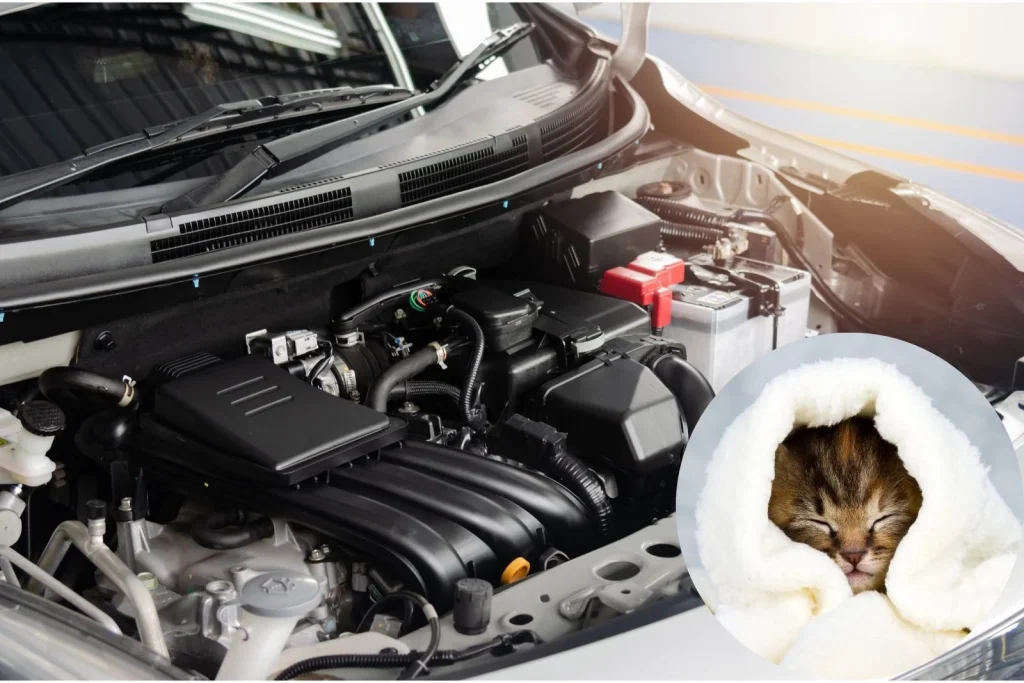
You’ve just parked your car and hear an unexpected meow coming from the engine. Panic sets in.
How did a cat get in there? More importantly, how can you safely get it out? You’re not alone in this predicament, and the good news is there’s a solution. This guide will walk you through simple, safe steps to rescue the curious feline from your car’s engine.
It’s a scenario many cat lovers face, and your quick thinking can make all the difference. Keep reading to discover the best strategies to ensure both your safety and the cat’s. Don’t let this stress you out—you’re about to learn exactly what to do.
Credit: supercarblondie.com
Signs A Cat Is In The Engine
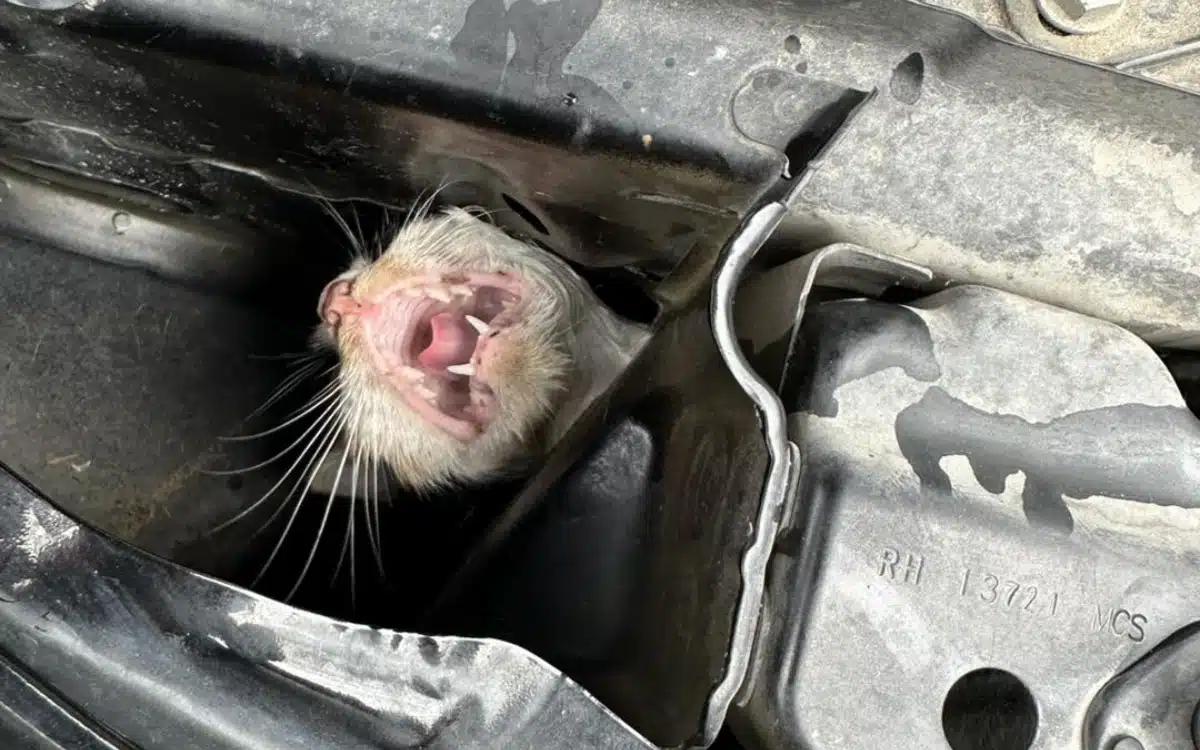
Noticing that a cat might be hiding in your car engine can save you from a stressful and potentially dangerous situation. Cats often seek warmth and shelter in the cozy spaces of an engine, especially during cold weather. But how can you tell if one has made your car its temporary home? Look out for these clear signs before you start the engine.
Unusual Noises From The Engine
If you hear strange sounds like scratching, meowing, or faint tapping when you turn the key or start the car, it could be a cat trapped inside. These noises might come from the movement or distress of the animal. Ignoring these sounds could harm the cat and damage your vehicle, so never start the engine without checking first.
Visible Movement Or Shadows
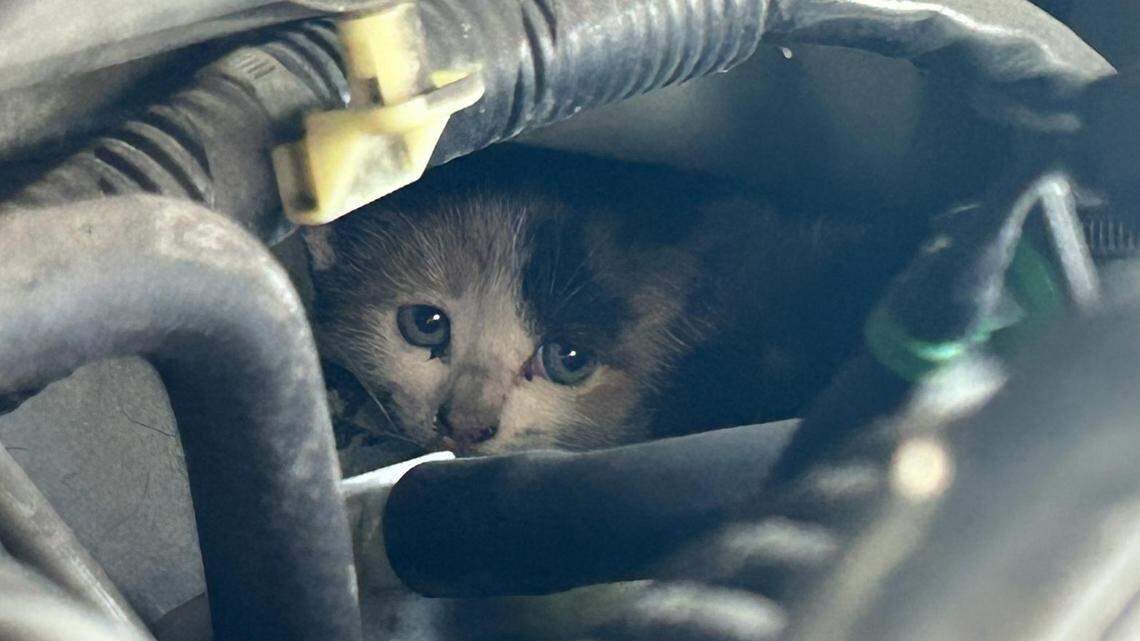
Peek under the hood or through the grille for any signs of movement or shadows. Cats sometimes poke their heads out or shift their position when they sense vibration or light. Using a flashlight can help you spot these subtle signs, especially in dim light or tight spaces where a quick glance might miss them.
Cat Behavior Near Your Car
Have you noticed a cat lingering around your vehicle, especially if it seems unusually calm or hesitant? This behavior can indicate that the cat is familiar with the car and might be hiding inside it. Pay attention if the cat repeatedly approaches or tries to climb into the engine area—it’s a red flag that you need to inspect more closely.

Credit: ktah.cs.lmu.edu
Precautions Before Rescue
Rescuing a cat stuck in a car engine requires careful preparation. Taking the right precautions protects both the cat and yourself. Acting too fast or without safety measures can cause harm.
Before attempting to help, ensure the environment is safe. Calmness and patience improve the chances of a successful rescue. Follow these key precautions to prepare for the task ahead.
Ensure Car Is Off And Cool
Turn off the car’s engine completely. Avoid any chance of the engine starting by accident. Allow the engine to cool down before opening the hood. Hot parts can burn the cat or you. Wait at least 30 minutes if the car was recently running.
Safety Gear To Wear
Wear thick gloves to protect your hands from scratches or bites. Use long sleeves and pants for extra skin protection. Eye protection helps against dust and debris. Carry a flashlight to see clearly inside dark engine spaces. These items reduce injury risk during the rescue.
Avoiding Sudden Movements
Move slowly and speak softly to avoid scaring the cat. Sudden actions may cause the cat to hide deeper. Sudden noises can make the cat panic and scratch. Patience and gentle motions encourage the cat to come out safely.
Methods To Safely Remove The Cat
Finding a cat hiding inside your car engine can be stressful, but it’s important to handle the situation with care. Cats often seek warmth and shelter in engines, especially during cold weather. Removing them safely ensures you protect the cat and avoid damage to your vehicle.
Using Food To Lure The Cat Out
Food is a powerful motivator for cats. Place some strong-smelling treats like tuna or wet cat food near the front of your car. The aroma can encourage the cat to come out on its own, avoiding the need to open the engine abruptly.
Try leaving the food in a quiet spot where the cat feels safe. You might want to step back and give it some space. Have you noticed how a little patience can work wonders in gaining a cat’s trust?
Tapping Or Gently Shaking The Hood
Sometimes, gentle noise can coax the cat to move. Lightly tap or shake the hood to create a sound that encourages the cat to leave. Be careful not to make loud or sudden noises that might scare the animal further inside the engine.
Keep your movements slow and calm. This approach works best when combined with using food. Have you ever tried softly calling the cat’s name while tapping? It might just guide them out.
Calling For Professional Help
If your attempts don’t work, it’s wise to contact animal control or a local rescue group. Professionals have the right tools and experience to safely extract the cat without harm. This step also ensures your car engine is checked for any hidden damage or debris after the rescue.
Remember, your safety and the cat’s well-being come first. Would you feel more comfortable letting experts handle this delicate situation?
Preventing Future Incidents
Preventing cats from hiding in car engines saves both pets and vehicles. Small animals often seek warmth and shelter in engine compartments. Taking simple steps keeps cats safe and avoids costly damage to cars. Regular care and attention reduce risks effectively.
Keeping The Engine Area Clean
Remove leaves, trash, and debris near the car. Clean areas under the hood regularly. A tidy engine space discourages cats from nesting there. Strong smells from food or trash attract animals. Avoid leaving pet food or garbage around the vehicle. Clean areas limit hiding spots and reduce appeal.
Using Engine Covers Or Deterrents
Use engine covers designed to block animal access. Covers prevent cats from squeezing into tight spaces. Install safe deterrents that emit sounds or smells cats dislike. Citrus scents and commercial repellents work well. Place these near the engine but away from car parts. These tools discourage cats without harming them.
Regular Vehicle Checks
Check under the hood before starting the car every time. Tap the hood to alert any hidden animals. Look for signs of nesting or scratching inside the engine. Frequent inspections catch cats early and avoid accidents. Make this a daily habit during cold months. Early detection protects pets and prevents car damage.
What To Do After The Rescue
After rescuing a cat from a car engine, careful actions matter. The cat may feel scared or hurt. The car might have some hidden damage. Taking proper steps helps keep both safe and sound.
Checking The Cat’s Health
Look for signs of injury like cuts or bruises. Watch if the cat moves slowly or limps. If the cat seems weak or in pain, take it to a vet quickly. Keep the cat warm and calm during the trip. Offer some water and a quiet place to rest. Avoid giving food until a vet checks the cat.
Inspecting The Car For Damage
Turn off the engine and open the hood. Check for scratches, dents, or loose parts. Look for any fluids leaking under the car. Listen for strange noises when the engine runs again. If anything seems wrong, have a mechanic inspect the car. Driving with hidden damage can cause bigger problems.
Reporting Stray Cats If Needed
Note the cat’s appearance and behavior. If the cat looks lost or sick, contact local animal shelters. They can provide care or find the cat’s owner. Reporting helps protect other animals too. Share details like the location and time you found the cat. Your report can save lives and prevent future accidents.
Credit: www.theolympian.com
Frequently Asked Questions
How Can I Safely Remove A Cat From A Car Engine?
First, turn off the engine and open the hood slowly. Use gentle noises or food to coax the cat out. Avoid sudden movements to prevent scaring it. If needed, call animal control for safe removal.
Why Do Cats Hide Inside Car Engines?
Cats seek warmth, especially in cold weather. The engine compartment offers a cozy, safe space. They also hide there to escape predators or harsh weather. Knowing this helps prevent accidents and ensures their safety.
What Signs Indicate A Cat Is In My Engine?
Listen for meowing or scratching sounds near the engine. You may notice paw prints or fur around the hood. If your car won’t start or makes unusual noises, check for an animal inside before driving.
Should I Start The Car To Scare The Cat Away?
No, starting the car can seriously injure the cat. Instead, try gentle coaxing or wait quietly for the cat to leave. Always check thoroughly before driving to avoid harm.
Conclusion
Getting a cat out of a car engine takes patience and care. Always check the engine before starting your car. Gently call or tap to help the cat come out. Avoid loud noises or sudden movements that may scare it.
Keep the area calm and wait quietly. If the cat does not leave, seek help from animal experts. Your kindness can keep the cat safe and avoid harm. Taking small steps can protect both you and the animal. Stay calm, act gently, and watch closely.

Lily Purrington is the founder of MyKittyPicks.com, a cozy corner of the web dedicated to helping cat lovers discover the best cat products, furniture, toys, and home decor ideas.
A lifelong cat enthusiast, Lily shares trusted tips, honest product recommendations, and stylish inspiration designed to keep kitties happy and homes beautiful.
Her mission is simple: to bring together practical advice and purr-fect picks that make life better for cats and the people who love them.


