

If you have a cat water fountain, you know how important it is to keep it clean. But do you ever wonder how often you should clean it or the best way to do it?
A dirty fountain can lead to bad smells, clogged pumps, and even make your cat sick. Don’t worry—you’re about to learn simple steps that make cleaning quick and easy. By the end of this article, you’ll know exactly how to keep your cat’s water fresh and healthy every day.
Let’s dive in and make sure your furry friend always has clean water to drink!
Choosing The Right Cleaning Supplies
Choosing the right cleaning supplies for your cat water fountain can make the entire process easier and more effective. Not all cleaners are safe for your pet, so picking the right ones is crucial. It helps keep the fountain hygienic without harming your cat’s health.
Safe Cleaning Agents For Pet Water Fountains
Always opt for gentle, non-toxic cleaning agents. Mild dish soap free from strong fragrances works well. Avoid bleach or harsh chemicals that might leave harmful residues.
White vinegar is a natural alternative that effectively breaks down mineral deposits. You can dilute it with water to make a safe cleaning solution. Have you noticed how vinegar can cut through stubborn buildup without using chemicals?
Tools That Simplify The Cleaning Process
Soft brushes and sponges are your best friends here. Use a small brush to reach tight spots inside the fountain. Avoid abrasive scrubbers that can scratch surfaces and trap bacteria.
Consider a toothbrush dedicated solely to cleaning your fountain. It’s perfect for scrubbing small parts and crevices. Does having the right tool make cleaning less of a chore for you?
Materials To Avoid For Your Cat’s Safety
Steer clear of cleaners containing ammonia or bleach. These can be toxic if ingested by your cat. Also, avoid scented cleaning wipes or sprays that leave strong odors behind.
Plastic parts can retain odors, so thorough rinsing is essential after cleaning. Have you checked your current supplies for any harmful chemicals?
Storage And Maintenance Of Cleaning Supplies
Keep your cleaning products and tools in a designated spot. This helps you maintain a routine and prevents mix-ups. Clean your brushes regularly to avoid bacteria buildup.
Label your supplies clearly to avoid accidental use of unsafe items. How often do you refresh or replace your cleaning tools to keep them effective?

Credit: www.amazon.com
Preparing The Fountain For Cleaning
Preparing your cat water fountain for cleaning is important for its proper maintenance. It helps keep the water fresh and safe for your pet. Taking the right steps before washing ensures you don’t damage the fountain parts.
Start by making the fountain safe to handle. Then, carefully take it apart. This makes cleaning easier and more effective. Proper preparation also helps you find hidden dirt and buildup.
Unplugging And Disassembling
First, unplug the fountain from the power outlet. This prevents any risk of electric shock. Next, remove the water reservoir and other detachable parts. Check the user manual for specific instructions.
Place the parts on a clean surface. Avoid dropping or damaging any components. Disassembling allows you to reach all areas that need cleaning.
Removing The Filter
Locate the water filter inside the fountain. Gently pull it out without forcing it. Some filters twist or slide out easily. Removing the filter stops damage during cleaning.
Filters usually need to be replaced regularly. Check the filter for dirt or wear. Dispose of old filters properly and prepare a new one for later use.
Cleaning The Fountain Components
Cleaning the fountain components keeps your cat’s water fresh and safe. Dirt and slime can build up fast. Regular cleaning stops bad smells and bacteria growth. Take apart the fountain carefully before you start. Each part needs special attention to stay clean and work well.
Scrubbing The Bowl And Reservoir
Remove the bowl and reservoir from the base. Use warm water and mild dish soap. A soft sponge or cloth works best. Scrub all surfaces to remove dirt and slime. Avoid harsh chemicals that could harm your cat. Rinse thoroughly to remove all soap. Dry the parts with a clean towel or air dry.
Washing The Pump
Unplug the pump and take it apart carefully. Remove the cover and impeller inside. Use a small brush or toothbrush to clean. Clear out any hair or debris blocking the pump. Soak the parts in warm soapy water for a few minutes. Rinse well and dry completely before reassembling. This helps the pump run smoothly and last longer.
Cleaning The Spout And Nozzles
Detach the spout and any nozzles from the fountain. Use a soft brush or pipe cleaner to clean inside. Clear any mineral deposits or dirt blocking water flow. Soak these parts in vinegar for 10-15 minutes for tough buildup. Rinse well under warm water to remove vinegar smell. Make sure all holes and openings are clear before putting them back.

Credit: www.amazon.com
Deep Cleaning For Stubborn Stains
Deep cleaning cat water fountains helps remove tough stains and buildup. Over time, mineral deposits and slime can form, making the fountain less clean. Thorough cleaning keeps water fresh and safe for your cat. It also extends the life of the fountain and keeps it working well. Use simple, natural methods for deep cleaning without harsh chemicals.
Using Natural Cleaners
Natural cleaners are safe and effective for stubborn stains. White vinegar and baking soda work well to break down mineral deposits. Mix equal parts of vinegar and water to soak the fountain parts. Sprinkle baking soda on tough spots, then scrub gently with a soft brush. Rinse all parts thoroughly to remove any residue. Avoid strong chemicals that can harm your cat.
Soaking For Extra Freshness
Soaking helps loosen hard-to-remove stains and dirt. Fill a bowl with warm water and add a cup of white vinegar. Submerge fountain parts and let them soak for 30 minutes to an hour. This softens buildup and kills bacteria. After soaking, scrub the parts gently to remove loosened grime. Rinse well and dry before reassembling the fountain. Regular soaking keeps the fountain fresh and clean.
Reassembling The Fountain
After thoroughly cleaning the cat water fountain, putting it back together is crucial. Proper reassembly ensures the fountain works smoothly and keeps water fresh. Careful handling of each part prevents leaks and damage.
Properly Reattaching Components
Start by placing the base on a flat surface. Fit all parts in their original positions. Align pieces carefully to avoid forcing any parts. Make sure the pump fits securely without gaps. Check that all seals and gaskets are seated well. Tighten any screws or clips gently to avoid cracking plastic.
Replacing The Filter
Use a fresh filter for clean water. Remove the old filter and discard it. Soak the new filter in water for a few minutes before inserting. Place the new filter in the designated slot firmly. Ensure it fits snugly to filter water properly. Regular filter changes keep water safe and odor-free.
Maintaining A Clean Fountain
Keeping your cat’s water fountain clean is key to their health. A clean fountain prevents bacteria and mold buildup. It also encourages your cat to drink more water. Regular maintenance makes sure the water stays fresh and tasty. This section covers how to maintain a clean fountain easily.
Regular Cleaning Schedule
Clean the fountain at least once a week. Remove the pump and all parts. Wash them with warm, soapy water. Rinse thoroughly to remove soap residue. Dry all parts before reassembling. This routine stops slime and dirt from building up.
Some fountains need daily water changes. Check the manufacturer’s guide for advice. A regular schedule keeps the water fresh and safe for your cat.
Monitoring Water Quality
Look for cloudy or smelly water. Change water immediately if it looks dirty. Use fresh, cool water every time you refill. Avoid tap water if it has strong chemicals or odors. Filtered or bottled water can be better.
Watch your cat’s drinking habits. If they drink less, water quality might be the cause. Clean the fountain and change water more often to improve taste.
Troubleshooting Common Issues
Cat water fountains are fantastic for keeping your pet hydrated, but they can sometimes develop issues that impact their performance and cleanliness. Troubleshooting these common problems quickly helps maintain a fresh water supply and ensures your cat stays happy and healthy. Let’s look at two frequent concerns: persistent odors and flow problems, with clear ways to fix them.
Dealing With Persistent Odors
Have you noticed a strange smell coming from your cat’s fountain even after cleaning it? This often happens when bacteria build up in hidden corners or inside the filter. Simply rinsing the fountain isn’t always enough.
Try soaking all parts in a mixture of white vinegar and water for about 15 minutes. Vinegar naturally kills bacteria and removes odors without harsh chemicals. After soaking, scrub gently with a soft brush, paying close attention to crevices and the spout where water flows out.
Replace the filter regularly—typically every two to four weeks—since old filters trap bacteria and contribute to bad smells. If odors persist, check if your fountain uses activated carbon filters, which are better at removing impurities. Have you checked the fountain’s tubing or pump for trapped debris? Cleaning these parts carefully can also eliminate hidden odor sources.
Addressing Flow Problems
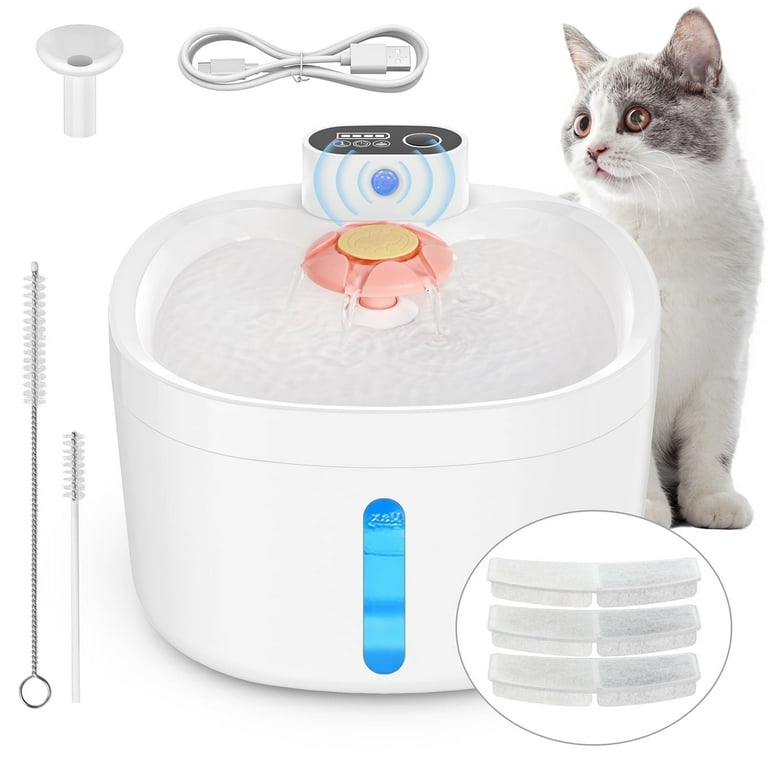
Is the water flow weaker than usual or completely stopped? This can discourage your cat from drinking and might signal a clog or pump issue. First, unplug the fountain and inspect the pump for hair, dirt, or mineral deposits blocking its intake.
Cleaning the pump with a small brush or soaking it in vinegar can dissolve buildup. Make sure to rinse thoroughly before reassembling. Check the water level too—low water can cause the pump to suck air, reducing flow or causing noise.
Sometimes, the fountain’s design causes flow issues if it’s placed on an uneven surface. Ensure your fountain sits flat and stable to help the water circulate properly. If you’ve tried all these tips and the flow still falters, consider replacing the pump; they wear out over time and lose efficiency.
Credit: www.walmart.com
Frequently Asked Questions
How Often Should I Clean My Cat Water Fountain?
Clean your cat water fountain once a week to prevent bacteria buildup. Regular cleaning ensures fresh, safe water for your pet. Rinse all parts with warm water and mild soap. Avoid harsh chemicals to protect your cat’s health. Frequent cleaning maintains optimal fountain performance.
What Materials Are Best For Cleaning Cat Water Fountains?
Use mild dish soap, warm water, and a soft brush to clean cat water fountains. Avoid abrasive cleaners that can damage the fountain’s surface. Vinegar helps remove mineral deposits gently. These materials effectively clean without harming your pet or the fountain.
Can I Use Vinegar To Clean The Fountain?
Yes, vinegar is excellent for removing mineral buildup. Mix equal parts water and white vinegar. Soak fountain parts for 15-20 minutes, then rinse thoroughly. Vinegar is safe and natural, helping maintain a clean drinking source for your cat.
Why Is Cleaning The Fountain Important For My Cat?
Cleaning prevents harmful bacteria and mold growth in the water. Dirty fountains can cause health issues like infections or stomach upset. Regular maintenance keeps water fresh and encourages your cat to stay hydrated. It also prolongs the fountain’s lifespan.
Conclusion
Cleaning your cat’s water fountain keeps water fresh and safe. Regular care stops dirt and germs from building up. Use gentle soap and soft brushes to clean every part. Rinse well to remove all soap traces. Clean fountains help your cat drink more water.
A clean fountain supports your pet’s health and happiness. Make cleaning a simple, regular habit. Your cat will thank you with better hydration. Easy steps lead to a cleaner, safer water fountain. Keep your cat’s fountain sparkling for their well-being.

Lily Purrington is the founder of MyKittyPicks.com, a cozy corner of the web dedicated to helping cat lovers discover the best cat products, furniture, toys, and home decor ideas.
A lifelong cat enthusiast, Lily shares trusted tips, honest product recommendations, and stylish inspiration designed to keep kitties happy and homes beautiful.
Her mission is simple: to bring together practical advice and purr-fect picks that make life better for cats and the people who love them.


