

If you have a cat water fountain at home, keeping it clean is key to your pet’s health and happiness. But how often do you think about cleaning the pump inside?
A clogged or dirty pump can stop the water from flowing properly and may even cause bad smells. In this guide, you’ll learn simple, step-by-step ways to clean your cat water fountain pump quickly and easily. By following these tips, you’ll make sure your furry friend always has fresh, flowing water to enjoy.
Keep reading to discover the secret to a cleaner pump and a happier cat!
Importance Of A Clean Cat Water Fountain
Keeping your cat’s water fountain clean is more than just a chore—it’s essential for your pet’s health and happiness. A clean fountain ensures fresh, flowing water that encourages your cat to stay hydrated. Dirty pumps can harbor bacteria and clog the water flow, which might discourage your cat from drinking and lead to health issues.
Think about the last time you drank from a glass that hadn’t been washed properly. Would you want your cat to drink from a fountain with similar buildup? Regular cleaning helps maintain water quality and extends the life of the fountain pump.
Promotes Better Hydration For Your Cat
Cats are known to drink less water than they need, which can cause urinary and kidney problems. A clean water fountain offers fresh, appealing water that can encourage your cat to drink more frequently.
When the pump is clogged or dirty, the water flow slows down or stops, making it less attractive for your cat. Have you noticed your cat avoiding their fountain? It might be time for a thorough pump cleaning.
Prevents Bacterial Growth And Health Risks
Water pumps can easily accumulate slime, mold, and harmful bacteria if not cleaned regularly. These contaminants can cause infections and other health issues for your cat.
Cleaning the pump removes these risks and keeps your cat’s water source safe. You wouldn’t want your pet to get sick from something as simple as dirty water, right?
Extends The Life Of Your Water Fountain
A well-maintained pump lasts longer and works more efficiently. Dirt and debris can wear down the motor or block the water flow, leading to costly replacements.
Regular cleaning saves you money by preventing damage and keeping the fountain running smoothly. How often do you check your fountain’s pump for dirt and buildup?
Ensures Consistent Water Flow
The pump’s job is to keep water circulating, which keeps it fresh and oxygenated. When the pump is dirty, the water flow weakens or stops completely.
Cleaning the pump helps maintain a steady flow, which your cat will appreciate. Have you noticed changes in your fountain’s water movement recently?
Credit: www.homedepot.com
Gathering Necessary Supplies
Cleaning your cat’s water fountain pump becomes much easier when you have all the right supplies ready. Gathering everything beforehand saves time and reduces frustration. Plus, you’ll avoid the hassle of stopping mid-clean to find something you forgot.
Essential Cleaning Tools
- Soft-bristled brush:A toothbrush works great for scrubbing small parts without causing damage.
- Small sponge or cloth:Use it to wipe down the pump exterior and other accessible areas.
- Pipe cleaners or cotton swabs:These help reach narrow tubes and crevices inside the pump.
Having these tools makes cleaning thorough and efficient. I once tried using a rough brush and ended up scratching the plastic, which was a mistake you want to avoid.
Cleaning Solutions And Materials
- White vinegar:Natural and safe, vinegar dissolves mineral buildup effectively.
- Dish soap:Mild soap helps remove grime and oil without harming the pump.
- Warm water:Essential for rinsing and mixing with cleaning agents.
Skip harsh chemicals. They might leave residues harmful to your cat. Have you noticed cloudy water or slow flow? Vinegar can fix that by breaking down deposits.
Optional Extras For Deep Cleaning
- Rubber gloves:Protect your hands and keep the cleaning process hygienic.
- Toothpicks or small probes:Perfect for loosening stubborn dirt in tiny spaces.
- Replacement pump parts:Sometimes it’s easier to swap worn-out parts than clean beyond repair.
These extras aren’t always necessary but can save you headaches. I’ve found gloves handy when dealing with strong vinegar smells and toothpicks useful for stubborn clogs.
Disassembling The Fountain
Disassembling your cat water fountain is the crucial first step to a thorough cleaning. Taking it apart carefully helps you reach every nook where dirt and slime hide. This process might seem tricky, but with patience and the right approach, you can do it easily.
Removing The Pump
The pump is the heart of your cat’s fountain, and it needs special attention. Start by unplugging the fountain to keep everything safe. Gently lift the pump from its housing—some models snap out, while others might require a light twist.
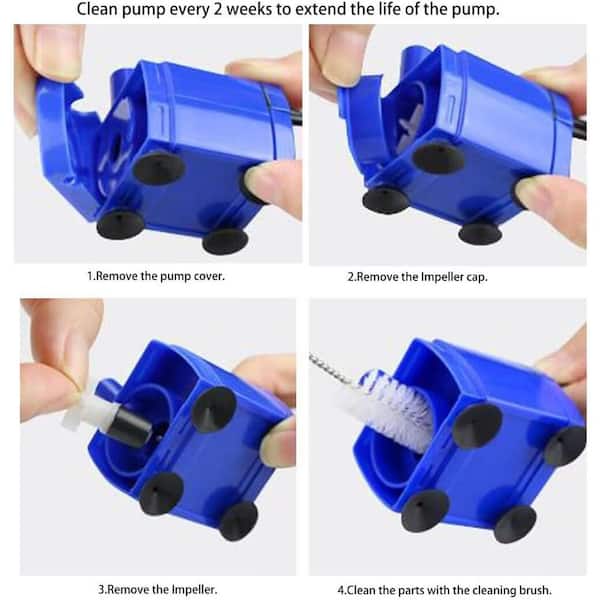
Check for any clips or tabs holding the pump in place. If your pump has a cover, remove it to expose the impeller inside. This part can accumulate hair and debris quickly, so getting it out lets you clean it properly.
Separating Other Components
Once the pump is out, look at the rest of the fountain. Most fountains come apart into several pieces like bowls, filters, and reservoirs. Carefully detach these parts, noting how they fit together to avoid confusion later.
Filters often have a casing that slides or snaps off—remove these to clean or replace the filter media. Don’t forget small parts like tubes or spouts; they can trap buildup and reduce water flow.
Have you ever noticed a funny smell coming from your fountain? Disassembling and cleaning each component helps eliminate those odors and keeps your cat’s water fresh.

Credit: catit.ca
Cleaning The Pump
Cleaning the pump of your cat water fountain is essential to keep the water fresh and ensure your pet’s health. A clogged or dirty pump can reduce water flow and create a breeding ground for bacteria. Taking a few minutes to clean it regularly will help your fountain work smoothly and keep your cat happily hydrated.
Rinsing And Soaking
Start by unplugging the fountain and removing the pump carefully. Rinse it under warm running water to wash away loose dirt and hair. This quick step already makes a big difference in maintaining cleanliness.
Next, soak the pump in a bowl filled with a mixture of warm water and mild dish soap. Let it sit for about 15 to 20 minutes to loosen stubborn grime. This soaking softens buildup that rinsing alone can’t remove.
Brushing Away Debris
After soaking, use a small brush—an old toothbrush works perfectly—to scrub the pump’s parts gently. Pay close attention to the impeller, the tiny spinning piece inside the pump, as it often traps debris. Removing this buildup restores proper water flow.
Don’t forget to clean the pump’s intake area too, where hair and dirt tend to gather. Rinse everything thoroughly after brushing to remove soap residue. Could your cat’s fountain be flowing better with just a little extra care?
Cleaning The Fountain Components
Cleaning the fountain components is essential to keep your cat’s water fresh and safe. Dirt, slime, and bacteria can build up quickly. Regular cleaning prevents blockages and keeps the pump working well. Focus on each part carefully for best results.
Washing The Basin
Remove the basin from the fountain. Use warm water and mild soap to wash it. Avoid strong detergents that may harm your cat. A soft cloth or sponge works best to clean all surfaces. Rinse thoroughly to remove soap residue. Dry the basin with a clean towel before reassembling.
Scrubbing The Spout And Filter
The spout and filter collect dirt and need extra care. Use a small brush or an old toothbrush to scrub these parts. Clean inside the spout to remove slime and buildup. Rinse the filter under running water, making sure all debris is gone. Replace the filter if it looks worn or clogged.

Credit: www.thecatlovershop.com
Reassembling The Fountain
Reassembling your cat water fountain after cleaning the pump is a crucial step to ensure it works properly and keeps your cat hydrated. Taking the time to carefully put everything back together prevents leaks and maintains the smooth flow of water your pet loves. Let’s dive into how you can reassemble the fountain with ease and confidence.
Reattaching The Pump
Start by placing the pump back into its original spot inside the fountain base. Make sure the pump sits flat and stable to avoid any shaking or noise. If your pump has a cover or housing, snap it back on gently without forcing it.
Check the power cord position to ensure it’s not pinched or tangled. A damaged cord can cause the pump to stop working or become a safety hazard. Have you ever noticed your fountain making strange noises? That’s often due to a misaligned or loosely fitted pump.
Ensuring Proper Alignment
Once the pump is reattached, align all the fountain parts carefully. The water outlet must line up perfectly with the fountain’s spout or water channels. Misalignment can disrupt water flow and cause splashing or leaks.
Double-check that all seals and rubber gaskets are in place. These small parts prevent water from escaping and keep the fountain running quietly. If something feels off or loose, take a moment to adjust it before plugging the fountain back in.
Have you ever struggled with a fountain that drips or sputters? Proper alignment is often the missing piece to solving that frustration.
Tips For Maintaining A Clean Fountain
Keeping your cat’s water fountain clean is key to ensuring your furry friend stays hydrated and healthy. Dirt and slime buildup can clog the pump and affect water flow, making your cat less likely to drink. By maintaining your fountain regularly, you not only extend its life but also provide fresh, appealing water for your cat every day.
Regular Cleaning Schedule
Set a routine to clean your cat’s water fountain at least once a week. This prevents algae and bacteria from growing inside the pump and reservoir. If you notice a strange smell or the water flow slowing down, it’s a clear sign your fountain needs attention.
Break down the cleaning into simple tasks:
- Unplug and disassemble the fountain.
- Remove the pump and soak it in warm, soapy water.
- Use a small brush to scrub the pump’s impeller and crevices.
- Rinse all parts thoroughly before reassembling.
Do you find it hard to remember cleaning days? Try setting a weekly alarm or linking the task to another routine, like laundry day. Keeping to this schedule can save you from costly replacements later.
Using Filtered Water
Tap water often contains minerals and impurities that can clog your fountain’s pump faster. Using filtered or distilled water reduces buildup and keeps the water tasting fresher for your cat. This small change can make a big difference in how often you need to clean.
If you don’t have a water filter, consider keeping a jug of filtered water specifically for your fountain. Cats are sensitive to taste and smell, so cleaner water encourages them to drink more. Have you noticed your cat drinking less? It might be time to switch up the water source.
Troubleshooting Common Issues
Cat water fountains are a great way to keep your pet hydrated, but sometimes the pump can give you trouble. Identifying and fixing common issues quickly ensures your fountain runs smoothly and your cat stays happy. Let’s look at how to tackle some frequent problems you might face with your pump.
Addressing Noise Problems
If your fountain’s pump starts making loud or unusual noises, it’s usually a sign of a clog or debris inside. Unplug the pump and check for any hair, dirt, or food particles caught in the impeller. Even a small bit of debris can cause the motor to struggle and create noise.
Sometimes, the pump might be sitting unevenly or touching the fountain’s sides, causing vibration sounds. Try repositioning it or adding a small rubber pad underneath to reduce noise. Have you noticed if the sound changes when the water level drops? Keeping the water at the recommended level helps the pump work quietly.
Dealing With Stubborn Stains
Over time, mineral deposits and algae can build up inside the pump and fountain parts, creating tough stains. Instead of harsh chemicals, soak the components in a mixture of white vinegar and water for about 30 minutes. This natural solution breaks down stains without harming your cat.
Use a soft brush or toothbrush to scrub away loosened deposits gently. Avoid metal brushes that might damage the pump’s plastic parts. If you find stains in hard-to-reach areas, a cotton swab dipped in vinegar can help you clean precisely.
Regular cleaning prevents these stubborn stains from forming in the first place. How often do you clean your pump? Setting a schedule can save you from bigger hassles later.
Frequently Asked Questions
How Often Should I Clean My Cat Water Fountain Pump?
Clean the pump every two weeks to prevent clogs and bacteria buildup. Regular cleaning ensures proper water flow and keeps your cat healthy.
What Tools Are Needed To Clean A Cat Water Fountain Pump?
Use a soft brush, mild dish soap, and warm water. Avoid harsh chemicals to protect the pump and keep water safe for your cat.
Can I Use Vinegar To Clean The Pump Safely?
Yes, dilute vinegar with water to remove mineral deposits. Rinse the pump thoroughly to avoid any vinegar taste or smell in the water.
How Do I Disassemble A Cat Water Fountain Pump?
Refer to your pump’s manual for specific instructions. Usually, remove the cover, impeller, and filters carefully for cleaning.
Conclusion
Cleaning your cat water fountain pump keeps water fresh and safe. Regular care stops clogs and keeps the pump running well. Use gentle brushes and mild soap to avoid damage. Rinse everything thoroughly before reassembling. Clean the pump at least once every two weeks.
This simple habit helps your cat drink clean water. Happy cats drink more and stay healthier. Keep your fountain clean, and your pet will thank you. Easy steps make a big difference in fountain care.

Lily Purrington is the founder of MyKittyPicks.com, a cozy corner of the web dedicated to helping cat lovers discover the best cat products, furniture, toys, and home decor ideas.
A lifelong cat enthusiast, Lily shares trusted tips, honest product recommendations, and stylish inspiration designed to keep kitties happy and homes beautiful.
Her mission is simple: to bring together practical advice and purr-fect picks that make life better for cats and the people who love them.


