

Are you wondering if a cat fountain can keep your furry friend’s water cool and fresh? You want the best for your cat, and fresh, cold water is important for their health and happiness.
But not all water sources are the same. You might ask yourself, “Will a cat fountain actually keep the water cold, or will it just sit warm like a regular bowl? ” Keep reading, because understanding how cat fountains work can help you make the right choice for your pet’s hydration—and comfort.
Let’s dive into what really happens with those flowing waters and why it matters to your cat.

Credit: www.amazon.com
The Science Behind Cat Fountains
Understanding how cat fountains work to keep water cold can help you decide if one is right for your furry friend. The science behind these fountains involves more than just moving water—it’s about temperature regulation, water movement, and material choice. Let’s break down the key factors that influence how cat fountains maintain cooler water for your pet.
The Role Of Water Circulation
Cat fountains continuously circulate water using small pumps. This movement prevents water from becoming stagnant and helps it stay cooler than still water in a bowl. You might notice that the flowing water feels fresher and cooler, which encourages your cat to drink more.
Have you ever touched the water in a fountain and found it cooler than in a stationary bowl? That’s because moving water transfers heat away faster, reducing overall temperature.
Material Matters: What Your Cat Fountain Is Made Of
The materials used in cat fountains greatly affect how well they keep water cool. Ceramic and stainless steel fountains tend to stay cooler longer compared to plastic ones. These materials don’t absorb heat as much, helping maintain a lower water temperature.
If you’ve chosen a plastic fountain before, you might have noticed the water warms up quickly, especially in a warm room. Switching to stainless steel or ceramic could make a noticeable difference.
Environmental Impact On Water Temperature
The surrounding environment plays a big role in the water temperature of your cat fountain. If the fountain sits in direct sunlight or near a heat source, the water will warm up faster. Conversely, placing the fountain in a cooler, shaded area helps maintain lower temperatures naturally.
Think about your home’s layout—where does your cat spend the most time? Positioning the fountain in a cooler spot can improve its effectiveness without extra effort.
Additional Cooling Features In Cat Fountains
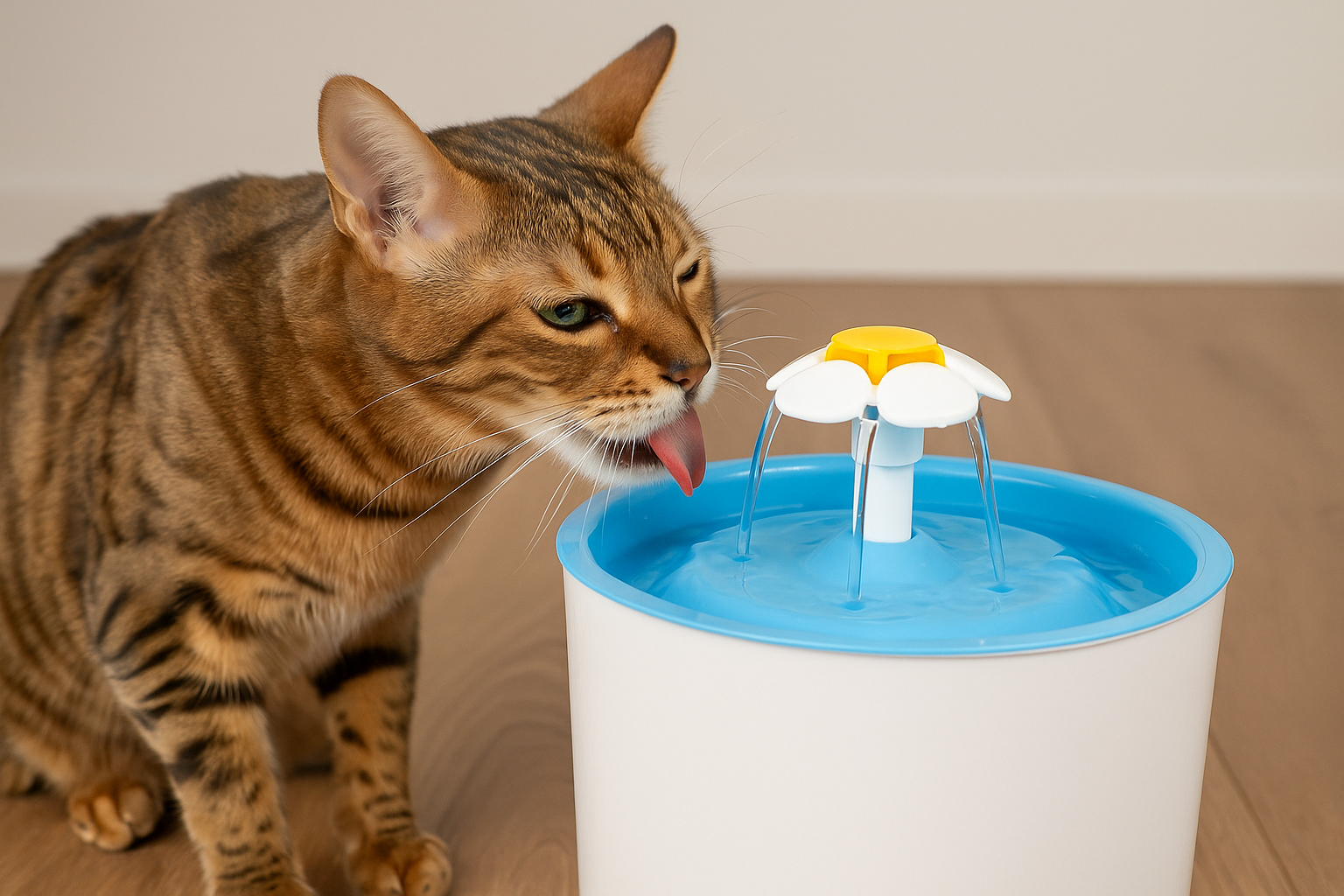
Some advanced cat fountains include built-in cooling features like ice compartments or fans. These additions help keep the water chilled longer, especially during hot weather. While not all fountains have these features, they can be a great option if you live in a warm climate.
Have you seen fountains with ice trays? They’re simple but effective tools to keep water refreshing for your cat.
Credit: qualifiedpetservices.com
Temperature Control Mechanisms
Keeping your cat’s water cool is important for encouraging them to drink more, especially during warm days. Temperature control mechanisms in cat fountains play a key role in maintaining fresh, cold water. Understanding how these mechanisms work can help you pick the right fountain for your furry friend.
Material Influence
The material of the fountain directly affects how well it keeps water cold. Stainless steel and ceramic fountains are excellent at retaining cooler temperatures compared to plastic ones. I once switched from a plastic fountain to a ceramic model and noticed my cat drinking more, likely because the water stayed cooler longer.
Plastic tends to absorb heat quickly, making the water warm up faster. On the other hand, metals like stainless steel provide natural insulation, which slows down temperature changes. If you want to keep water cold without adding ice, choosing the right material is a simple but effective step.
Design Features
Design elements such as the shape and water flow influence temperature control too. Fountains with deeper basins hold more water, which can stay cool longer than shallow trays. Also, continuous water movement helps prevent the water from stagnating and warming up.
Some models include built-in cooling systems or ice chambers to actively lower water temperature. Have you ever noticed how a flowing stream feels cooler than still water? That’s the same principle at work. Selecting a fountain that encourages constant circulation can naturally keep water fresher and cooler for your cat.
Benefits Of Cold Water For Cats
Cats often prefer fresh, cool water over warm or stale water. Cold water can help keep them hydrated and comfortable, especially on hot days. It also feels refreshing and encourages cats to drink more. Understanding the benefits of cold water helps in choosing the right water source for your cat.
Hydration And Health
Cold water helps maintain a cat’s body temperature. It can prevent overheating during warm weather. Proper hydration supports kidney health and digestion. Cats that drink enough water avoid urinary tract problems. Fresh, cold water reduces bacteria growth, keeping water cleaner. This helps prevent illnesses linked to dirty water.
Encouraging Regular Drinking
Cold water is more appealing to many cats. They often drink more when water is cool and fresh. Cat fountains that keep water cold provide a steady supply of fresh water. The sound and movement of flowing water also attract cats. This leads to better hydration and fewer health issues. Encouraging regular drinking supports your cat’s overall well-being.
Comparing Fountain Types
Choosing the right cat fountain can make a big difference in how fresh and cool the water stays for your furry friend. Different materials affect not just the water temperature but also durability and ease of cleaning. Let’s look closely at the common types of fountains to help you decide which one suits your cat’s needs best.
Plastic Vs. Stainless Steel
Plastic fountains are lightweight and usually less expensive. However, they tend to absorb odors and scratches, which might encourage bacteria growth over time. This can make the water taste off and feel warmer faster.
Stainless steel fountains, on the other hand, are more durable and resist stains and odors. They often keep water cooler because metal conducts temperature better than plastic. Plus, stainless steel is easier to clean, reducing the risk of harmful bacteria.
Have you noticed your cat avoiding a plastic fountain after a few weeks? That might be because of the changes in water quality caused by the material.
Ceramic Options
Ceramic fountains offer a middle ground in terms of temperature control and cleanliness. Their thicker walls help insulate water, keeping it cooler longer than plastic but not as well as stainless steel.
They’re also heavy, which means your cat won’t easily tip them over. Many pet owners appreciate the aesthetic appeal of ceramic, which can blend nicely into home decor.
However, ceramic can chip or crack if dropped, and some glazes might contain harmful chemicals. Always check if the ceramic fountain is food-safe before buying.
Maintaining Optimal Water Temperature
Keeping your cat’s water at a comfortable, cool temperature encourages them to drink more often. Cats are picky about their water, and warm or stale water can deter them from staying hydrated. Maintaining optimal water temperature isn’t just about comfort; it’s about promoting healthy habits and preventing urinary or kidney problems.
Placement Tips
Where you place the fountain matters a lot. Avoid spots near direct sunlight or heat sources like radiators, which can warm the water quickly.
Try placing the fountain in a shaded, cooler area of your home. Think about the room your cat spends most time in—if it’s a warm spot, consider moving the fountain elsewhere.
You might also use a small cooling mat underneath the fountain. This can subtly lower the water temperature without affecting the pump or electrical parts.
Cleaning And Maintenance
Regular cleaning keeps water fresh and cool naturally. Dirty fountains can harbor bacteria that raise water temperature and smell, discouraging your cat from drinking.
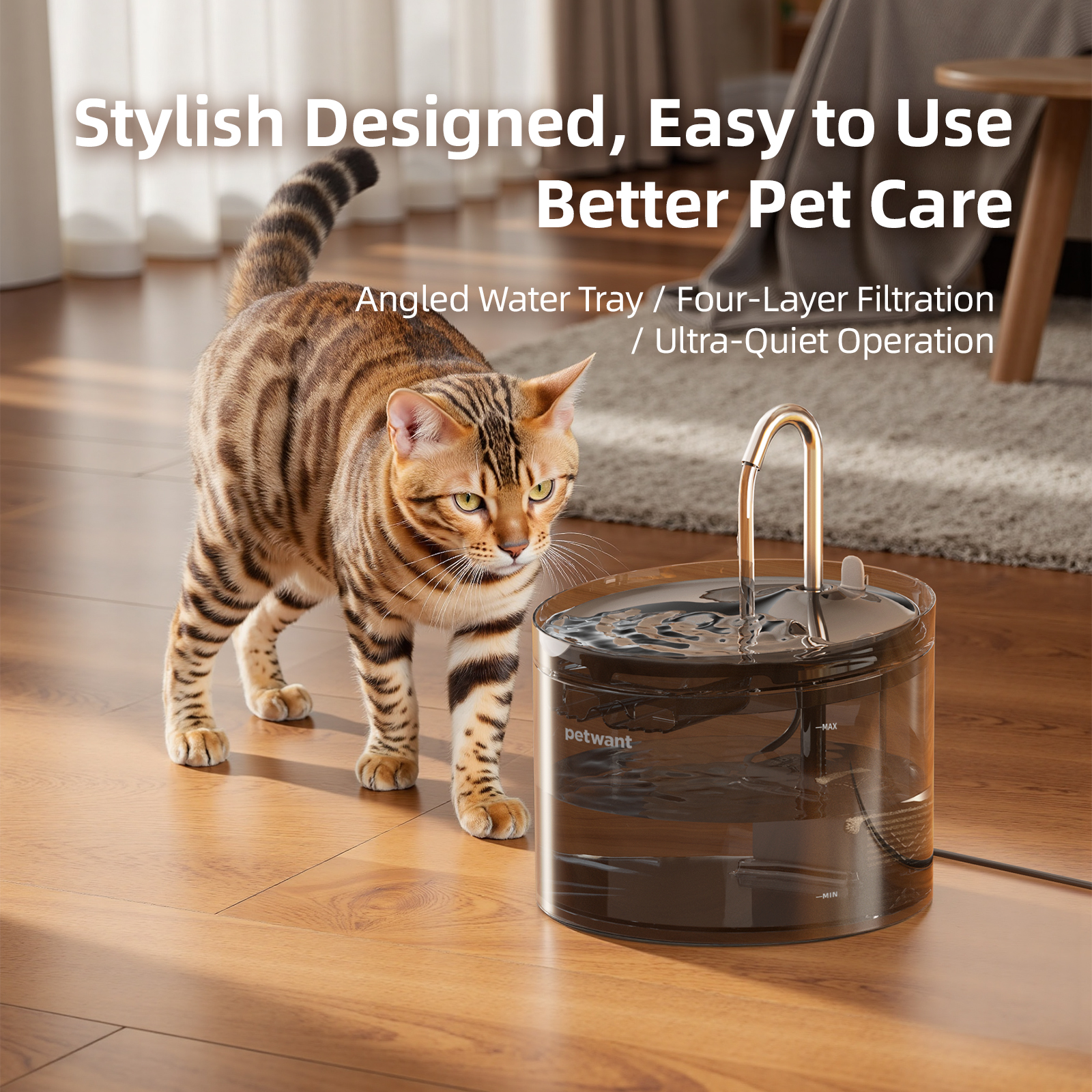
Clean your fountain at least once a week, or more often if you notice buildup. Use mild soap and rinse thoroughly to avoid residue that might affect taste.
Replacing filters on schedule helps too. A clean filter keeps water flowing smoothly and free from debris, which can otherwise trap heat.
Credit: www.petwant.com
Common Misconceptions
Many cat owners believe that cat fountains keep water cold all day long, but this is not entirely true. There are several misconceptions floating around about how these fountains work and what you can expect from them. Understanding these myths can help you choose the right fountain and care for it properly.
Myths About Fountains
One common myth is that cat fountains have built-in cooling systems. Most fountains simply circulate water using a small pump, which doesn’t lower the water’s temperature. So, if you expect icy cold water straight from a fountain, you might be disappointed.
Another myth is that running water automatically stays fresher and cooler than still water. While moving water does encourage cats to drink more, it doesn’t guarantee the water will remain cold. The temperature mostly depends on the room environment and the fountain’s material.
Realistic Expectations
Expect cat fountains to keep water fresher by circulating it, not necessarily colder. If you want cooler water, placing the fountain in a cooler area or adding ice cubes can help. Some high-end models have cooling features, but these are exceptions, not the rule.
Have you noticed your cat preferring running water even when it’s not cold? This shows that movement attracts them more than temperature. Focus on keeping the fountain clean and filled with fresh water to encourage your cat to drink enough.
Choosing The Right Fountain For Your Cat
Choosing the right fountain for your cat is more than just picking a stylish gadget. It directly affects how much water your cat drinks and how fresh that water stays. You want a fountain that not only keeps water cool but also suits your cat’s habits and preferences.
Factors To Consider
Think about the material of the fountain. Stainless steel and ceramic tend to keep water cooler than plastic and are easier to clean. Does your cat prefer a quiet fountain? Some models run noiselessly, which might encourage shy cats to drink more.
Size matters too. If you have multiple cats, a larger fountain with a higher water capacity is essential. Also, check the fountain’s filtration system—good filters remove impurities and keep water tasting fresh longer.
Have you noticed your cat prefers running water over still water? A fountain with flowing water can attract your cat and encourage hydration. Also, consider ease of cleaning; fountains with fewer parts and smooth surfaces reduce your cleaning time and keep bacteria at bay.
Top Recommendations
| Fountain Model | Material | Cooling Feature | Best For | Price Range |
|---|---|---|---|---|
| Catit Flower Fountain | Plastic | No | Budget-friendly, multiple cats | $20 – $30 |
| PetSafe Drinkwell Platinum | Stainless Steel | Yes, water flows continuously | Keeping water fresh, quiet operation | $40 – $50 |
| Veken Pet Fountain | Ceramic | No, but ceramic keeps water cool naturally | Single cats, easy to clean | $35 – $45 |
| Pioneer Pet Raindrop Fountain | Stainless Steel | No | Minimalist design, durability | $50 – $60 |
Which fountain would fit your cat’s personality and your lifestyle? Choosing thoughtfully can make a surprising difference in your cat’s hydration and health.
Frequently Asked Questions
Do Cat Fountains Help Keep Water Cold Longer?
Cat fountains continuously circulate water, which can help maintain a cooler temperature. However, they do not actively refrigerate water. The flowing movement prevents stagnation and may feel cooler than still water, but external temperature largely affects how cold the water stays.
How Does Water Circulation Affect Water Temperature In Fountains?
Water circulation in cat fountains promotes oxygenation and prevents warmth buildup. Moving water loses heat slower than stagnant water. This keeps the water fresher and potentially cooler, encouraging cats to drink more, but it doesn’t provide cooling beyond ambient room temperature.
Can Cat Fountains Replace Refrigerated Water Bowls?
Cat fountains cannot replace refrigerated bowls since they lack cooling mechanisms. They only circulate and filter water, maintaining freshness and a cooler feel. For colder water, refrigeration or ice cubes are necessary, but fountains improve hydration by offering clean, flowing water.
What Factors Influence Water Temperature In Cat Fountains?
Room temperature, fountain material, and water circulation impact water temperature. Cool environments and ceramic or stainless steel fountains help keep water cooler. Conversely, warm rooms and plastic fountains may increase water temperature despite circulation, affecting how cold the water feels to your cat.
Conclusion
Cat fountains can help keep water cooler than a regular bowl. Flowing water stays fresher and is less likely to warm up. Many cats prefer drinking moving water, which helps them drink more. Some fountains come with cooling features, but most rely on circulation to stay cool.
Placing the fountain in a shaded spot also helps keep water cool. Regular cleaning keeps water fresh and safe for your cat. Overall, cat fountains offer a better way to keep water cool and inviting for pets. A simple change can make a big difference in your cat’s hydration.

Lily Purrington is the founder of MyKittyPicks.com, a cozy corner of the web dedicated to helping cat lovers discover the best cat products, furniture, toys, and home decor ideas.
A lifelong cat enthusiast, Lily shares trusted tips, honest product recommendations, and stylish inspiration designed to keep kitties happy and homes beautiful.
Her mission is simple: to bring together practical advice and purr-fect picks that make life better for cats and the people who love them.


