

If you’ve recently been scratched by a cat, you might be wondering, “How long does cat scratch disease last?” You’re not alone. This common infection can cause discomfort and worry, especially when you’re unsure about what to expect.
Understanding how long the symptoms will stick around helps you plan your recovery and know when to seek medical help. You’ll discover clear answers about the duration of cat scratch disease and what you can do to feel better faster.
Keep reading to learn exactly what happens after a cat scratch and how to take control of your healing process.
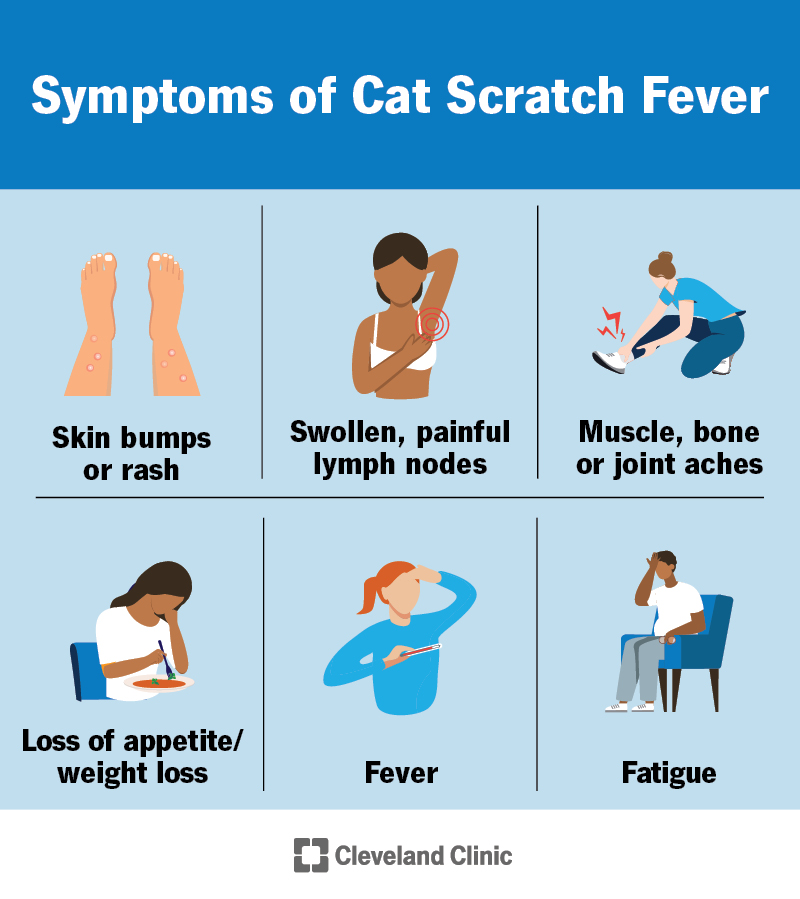
Credit: my.clevelandclinic.org
Causes Of Cat Scratch Disease
Cat Scratch Disease is an infection caused by bacteria. It mainly affects people after contact with cats. Understanding its causes helps prevent the illness.
The disease usually starts after a scratch or bite from a cat. Bacteria enter the body and cause symptoms like swelling and fever.
Role Of Bartonella Henselae
Bartonella henselae is the bacteria that causes Cat Scratch Disease. This germ lives in cats without making them sick. When cats scratch or bite, they can pass it to humans.
Transmission Through Cat Scratches And Bites
The main way to get Cat Scratch Disease is through cat scratches and bites. The bacteria hide under the cat’s claws and in their saliva. When a cat scratches or bites, the bacteria enter the skin.
- Scratches from cats that carry the bacteria
- Bites that break the skin
- Contact with cat saliva on broken skin or eyes
- Fleas that carry the bacteria can infect cats
Risk Factors And Vulnerable Groups
| Risk Factor | Description |
| Age | Children and teens get infected more often |
| Cat Ownership | People who have cats, especially kittens |
| Immune System | Those with weak immune systems get sicker |
| Contact Type | Rough play or handling cats increases risk |

Credit: www.reddit.com
Symptoms Timeline
Cat scratch disease is an infection caused by bacteria from cat scratches or bites. Knowing how symptoms develop helps you understand the illness better.
Symptoms change over time. They start mild and can get worse before getting better.
Early Signs After Exposure
Symptoms usually begin within 3 to 14 days after a cat scratch or bite. A small bump or blister may appear at the site.
This bump can look like a pimple or blister. It may be red and swollen but often does not hurt much.
- Red bump or blister at scratch site
- Mild swelling around the area
- Possible mild pain or itching
Progression Of Symptoms
Within 1 to 3 weeks, swollen lymph nodes appear near the scratch. These nodes may be tender and warm.
Other symptoms can include fever, fatigue, headache, and loss of appetite. These signs show the body is fighting the infection.
- Swollen lymph nodes near the scratch
- Fever and chills
- Headache and tiredness
- Loss of appetite
Common Duration Of Symptoms
Symptoms usually last 2 to 4 weeks. The swollen lymph nodes may stay larger for a few weeks longer.
Most people recover fully without treatment. In some cases, symptoms may last longer or need medical care.
- Early symptoms: 3 to 14 days after exposure
- Swollen lymph nodes: 1 to 3 weeks
- Total illness duration: 2 to 4 weeks
Diagnosis Methods
Cat Scratch Disease is often diagnosed through various methods. Understanding these methods helps in accurate diagnosis.
Accurate diagnosis is essential for effective treatment. Here are common methods used by healthcare professionals.
Physical Examination
Doctors start with a physical examination. This helps identify common symptoms like swollen lymph nodes and fever.
- Check for skin lesions
- Look for swollen lymph nodes
- Assess the patient’s fever
Laboratory Tests
Laboratory tests confirm the presence of Cat Scratch Disease. They provide detailed insights into the infection.
| Test Type | Purpose |
| Blood Test | Detects bacteria |
| Polymerase Chain Reaction (PCR) | Identifies DNA of bacteria |
| Serology | Measures antibody levels |
Differential Diagnosis
Differential diagnosis is crucial to rule out other conditions. It ensures that treatment targets Cat Scratch Disease accurately.
- Lymphadenopathy due to other infections
- Viral infections
- Autoimmune diseases
Treatment Options
Cat scratch disease usually gets better with proper care. Treatment focuses on easing symptoms and stopping infection. Knowing the right treatment helps you feel better faster.
Doctors may suggest different methods based on how severe the illness is. Some cases need medicine, while others improve with simple home care.
Antibiotic Therapies
Antibiotics can help fight the bacteria that cause cat scratch disease. Not all cases need them, but they work well for severe symptoms or weak immune systems.
- Azithromycin is often the first choice for treatment.
- Doxycycline and rifampin are used if symptoms persist.
- Antibiotics usually last for 5 to 14 days.
- Always follow the doctor’s prescription closely.
Home Care And Symptom Relief
You can manage mild symptoms at home. Rest and simple remedies can make you feel more comfortable during recovery.
- Apply a warm compress to swollen lymph nodes.
- Take over-the-counter pain relievers like acetaminophen or ibuprofen.
- Keep the scratch or bite clean to avoid more infection.
- Drink plenty of fluids and get enough sleep.
When To Seek Medical Attention
Some symptoms need prompt care from a doctor. Watch for signs that the infection may be worsening or spreading.
| Warning Signs | What to Do |
| High fever lasting more than 3 days | See a doctor immediately |
| Severe pain or swelling | Seek medical evaluation |
| Vision problems or headaches | Visit the emergency room |
| Weak immune system (HIV, chemotherapy) | Contact healthcare provider |
Typical Recovery Period
Cat Scratch Disease is an infection caused by bacteria from cat scratches or bites. Knowing how long it lasts helps patients manage their symptoms better.
Recovery time varies depending on several factors. This article explains the usual illness duration, what affects healing, and possible complications.
Average Duration Of Illness
Most people with Cat Scratch Disease recover within a few weeks. The infection often clears up on its own or with simple treatment.
- Early symptoms last about 3 to 5 days
- Swollen lymph nodes may stay for 2 to 4 weeks
- Complete recovery usually occurs within 4 to 8 weeks
Factors Influencing Recovery Time
Some factors can make recovery slower or faster. These depend on the patient’s health and how the infection is treated.
| Factor | Effect on Recovery |
| Age | Children tend to recover quicker than older adults |
| Immune System | Weak immune systems may slow healing |
| Treatment | Antibiotics can reduce illness length |
| Severity | Severe infections take longer to heal |
Potential Complications
Most cases resolve without problems. But some people may face complications that extend the illness.
- Persistent swollen lymph nodes
- Skin infections at the scratch site
- Eye infections if bacteria spread
- Rarely, nervous system involvement
Prevention Tips
Cat scratch disease can last for weeks if not treated properly. Preventing this infection starts with careful handling of cats and proper wound care.
Taking simple steps helps reduce the chance of getting sick from cat scratches. People at higher risk should be extra careful.
Safe Handling Of Cats
Always handle cats gently to avoid scratches. Avoid rough play that can upset cats. Wash your hands after touching cats or their toys.
Keep cats indoors to reduce their chance of picking up infections. Make sure cats get regular vet check-ups and flea control.
- Do not chase or scare cats
- Use gloves if you must handle a stray cat
- Teach children how to touch cats softly
- Keep cat claws trimmed
Wound Care After Scratches
Clean all cat scratches right away with soap and water. This lowers the chance of infection. Use an antiseptic after washing the wound.
Cover scratches with a clean bandage. Change the bandage daily and watch for redness or swelling. Seek medical help if the wound gets worse.
- Wash scratches immediately
- Apply antiseptic cream
- Keep wounds covered and clean
- See a doctor if swelling or fever develops
Reducing Risk In High-risk Groups
People with weak immune systems or young children should avoid rough contact with cats. These groups have higher chances of severe illness.
Keep cats away from high-risk people when they are sick or have fleas. Make sure these individuals get prompt treatment if scratched.
- Limit cat contact for young children
- High-risk adults should avoid stray cats
- Seek medical care quickly after scratches
- Maintain good hygiene around cats

Credit: www.reddit.com
Frequently Asked Questions
How Long Does Cat Scratch Disease Usually Last?
Cat scratch disease typically lasts from 2 to 4 weeks. Mild cases resolve without treatment, but symptoms like swollen lymph nodes may persist longer.
When Should I See A Doctor For Cat Scratch Disease?
See a doctor if symptoms worsen or last more than four weeks. Early diagnosis can prevent complications and ensure proper treatment.
Can Cat Scratch Disease Cause Long-term Effects?
Long-term effects are rare but possible. In some cases, complications like persistent lymph node swelling or eye inflammation may occur.
How Is Cat Scratch Disease Treated?
Treatment usually involves antibiotics and symptom relief. Most people recover fully within a few weeks with proper medical care.
Conclusion
Cat Scratch Disease usually lasts a few weeks to a few months. Most people recover with simple care and rest. Antibiotics can help speed up healing in some cases. Watch for symptoms like fever or swollen lymph nodes. If symptoms last longer, see a doctor.
Keeping cats clean and avoiding rough play helps prevent infection. Understanding the disease helps you stay calm and take action. Recovery is possible with proper care and attention. Stay safe and care for your pets wisely.

Lily Purrington is the founder of MyKittyPicks.com, a cozy corner of the web dedicated to helping cat lovers discover the best cat products, furniture, toys, and home decor ideas.
A lifelong cat enthusiast, Lily shares trusted tips, honest product recommendations, and stylish inspiration designed to keep kitties happy and homes beautiful.
Her mission is simple: to bring together practical advice and purr-fect picks that make life better for cats and the people who love them.


