

If you have a new litter of kittens or you’re simply curious about your cat’s natural habits, you might wonder, “How long do cats nurse?” Understanding this helps you know what your kittens need and when they’re ready to eat on their own. Whether you’re caring for newborns or just want to learn more about your furry friend, this information can make a big difference.
Keep reading to discover the key facts about your cat’s nursing period and what it means for their health and growth.
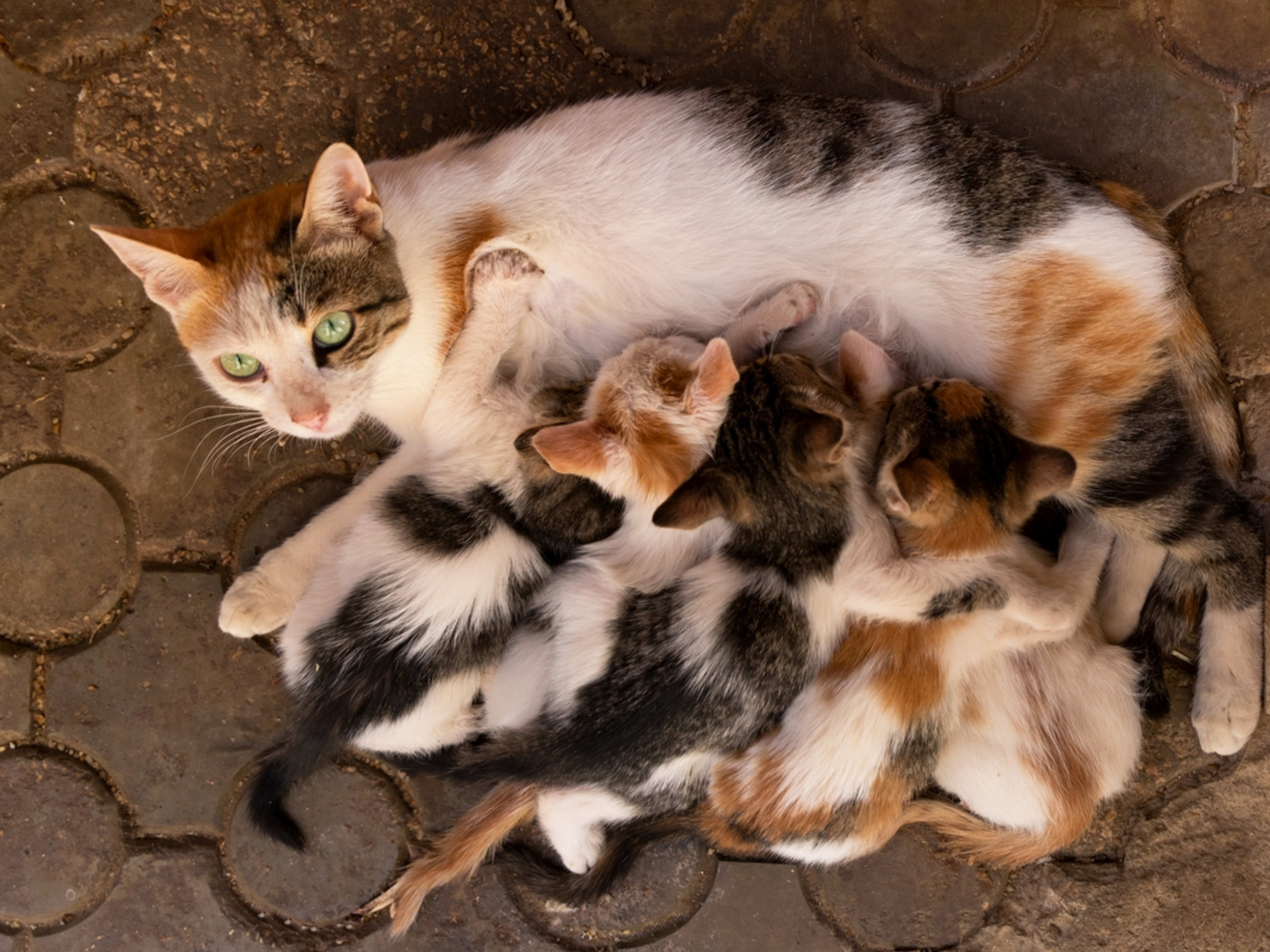
Credit: paradepets.com
Nursing Duration In Cats
Cats, like many mammals, have a natural nursing phase. This period is crucial for kitten development. Nursing provides essential nutrients and bonding time with the mother. Understanding the nursing duration helps in caring for kittens effectively.
Typical Nursing Period
The typical nursing period for cats ranges from 4 to 6 weeks. During this time, kittens receive all necessary nutrients from their mother’s milk. Most kittens start showing interest in solid food around the fourth week. By the sixth week, many begin to wean off gradually. The weaning process usually completes by the eighth to tenth week.
Factors Influencing Nursing Length
Several factors affect how long cats nurse. The mother’s health plays a significant role. A healthy mother can nurse longer, ensuring her kittens thrive. Litter size also impacts nursing duration. Larger litters may require early weaning due to limited milk supply.
Environmental factors can influence nursing as well. Stressful conditions might shorten the nursing period. Human intervention, like introducing solid food early, can also affect this duration. Each cat family is unique, so observing their specific needs is essential.
Benefits Of Nursing For Kittens
Nursing is vital for kittens during their first weeks of life. It provides more than just food. Nursing supports their growth, health, and emotional needs. Understanding the benefits helps pet owners care better for young cats.
Nutritional Value Of Cat Milk
Cat milk contains essential nutrients. It has proteins, fats, and vitamins needed for growth. These nutrients are easy to digest for kittens. The milk changes as kittens grow to meet their needs. This natural food supports strong bones and muscles.
Immune System Support
Mother’s milk carries antibodies. These protect kittens from infections and diseases. Early nursing boosts their immune system. It helps kittens fight common illnesses. This protection is crucial before their own immunity fully develops.
Emotional Bonding
Nursing builds a strong bond between mother and kittens. The close contact offers warmth and comfort. It helps kittens feel safe and calm. This bonding supports social skills and emotional health. It also reduces stress and anxiety in young cats.
Signs Kittens Are Ready To Wean
Knowing when your kittens are ready to wean is essential for their health and smooth transition to solid food. This phase shows clear signs through their behavior and physical growth. Recognizing these signs helps you support your kittens without pushing them too fast or holding them back unnecessarily.
Behavioral Changes
Kittens start showing curiosity about their surroundings and food beyond their mother’s milk. You might notice them sniffing, licking, or even nibbling on solid food around three to four weeks old.
They also become more independent, spending less time nursing and more time exploring. Sometimes, they may fuss or try to nurse less, signaling their readiness to eat solid food.
Have you seen your kittens try to play with their siblings during feeding time? This playful behavior often means they are developing skills to eat and interact socially.
Physical Development Milestones
Teeth growth is a crucial sign. Around three weeks, kittens begin to grow baby teeth, making nursing less comfortable and encouraging them to chew solid food.
By five to six weeks, their coordination improves, allowing them to lap up food and drink water without much difficulty.
You can also check their weight and size; steady growth indicates they’re ready to handle more nutrition from solid food. If your kitten is active and gaining weight steadily, it’s a good sign they’re ready to wean.
Weaning Process Tips
The weaning process is a crucial phase for kittens and their mothers. It helps kittens learn to eat solid food and gain independence. This transition should be smooth to keep kittens healthy and happy. Gentle steps and patience make the process easier for both cats and owners.
Introducing Solid Food
Start offering soft, wet kitten food at about four weeks old. Place a small amount in a shallow dish near the mother. Let kittens explore the food with their paws and mouths. Keep the food fresh and warm to attract them. Gradually increase the amount as kittens show interest.
Gradual Reduction Of Nursing
Slowly reduce the number of nursing sessions over several weeks. Allow kittens to nurse less often each day. This encourages them to eat more solid food. Watch for signs of hunger or distress and adjust the pace. Avoid sudden stops to prevent stress and health issues.
Encouraging Independence
Provide clean water and a cozy space for kittens to eat alone. Praise and gently guide them toward eating without the mother’s help. Offer toys and playtime to build confidence and skills. Independence grows as kittens learn to feed and care for themselves.
Health Considerations For Nursing Cats
Taking care of a nursing cat means paying close attention to her health. Nursing demands a lot from her body, and neglecting this can affect both her and her kittens. Understanding what she needs and the challenges she might face will help you support her better during this critical time.
Nutritional Needs Of Nursing Mothers
Your cat’s energy needs jump significantly while nursing. She needs more calories, protein, and fluids to produce enough milk for her kittens. Feeding her a high-quality kitten food can provide the extra nutrients she requires.
Have you noticed how often your nursing cat eats? She may need to eat up to three times her usual amount. Fresh water should always be available because dehydration can lower milk supply.
Adding supplements without vet advice can be risky. Vitamins and minerals in balanced food are usually enough. If you’re unsure, consult your vet before making any changes.
Common Health Issues During Nursing
Mastitis is a common problem where one or more mammary glands become swollen and painful. Watch for redness, heat, or your cat avoiding nursing. This condition needs prompt veterinary care to prevent infection from worsening.
Weight loss and fatigue can signal that your cat is struggling to keep up with the demands of nursing. If she seems weak or isn’t eating well, it’s time to get professional help. Sometimes, underlying illnesses or parasites can make nursing harder for her.
How often do you check your cat’s overall condition during this period? Regularly monitoring her health can catch problems early. Simple steps like keeping her environment stress-free and clean can also make a big difference.

Credit: bestfriends.org
When To Seek Veterinary Advice
Knowing when to seek veterinary advice during your cat’s nursing period is crucial for the health of both the mother and her kittens. Sometimes, subtle signs can indicate that something isn’t right, and early intervention can make all the difference. Paying close attention to your cat’s behavior and the kittens’ development helps you act promptly and confidently.
Signs Of Nursing Problems
Watch for any changes in the mother cat’s behavior. If she seems restless, refuses to nurse, or shows signs of pain, these could be red flags. Swelling, redness, or discharge around her nipples might indicate mastitis or infection.
Also, check if the kittens are struggling to latch on or if they cry frequently during feeding times. These issues can suggest milk supply problems or physical difficulties like cleft palate.
- Mother cat avoiding kittens or grooming less than usual
- Hard, swollen, or painful mammary glands
- Foul-smelling discharge from nipples
- Kittens appearing restless or crying excessively during feeding
Kittens Not Thriving
If your kittens aren’t gaining weight or seem weak, it’s time to consult a vet. Healthy kittens should steadily gain weight each day. Weigh them regularly to track their progress.
Look for signs like lethargy, constant sleeping, or difficulty breathing. These could point to underlying health issues beyond just nursing problems.
Have you noticed any kittens that don’t seem to compete well for milk or appear smaller than their siblings? Sometimes, a kitten may need supplemental feeding or medical support to catch up.

Credit: www.reddit.com
Frequently Asked Questions
How Long Do Kittens Typically Nurse From Their Mother?
Kittens usually nurse for about 6 to 8 weeks. During this time, they get essential nutrients and antibodies. After 8 weeks, they gradually transition to solid food but may still nurse occasionally for comfort.
When Should A Mother Cat Stop Nursing Her Kittens?
A mother cat typically stops nursing when kittens are around 8 to 10 weeks old. At this stage, kittens eat solid food independently and rely less on milk. The weaning process is gradual to ensure proper nutrition and development.
Can Kittens Nurse Beyond 10 Weeks Old?
Yes, some kittens nurse beyond 10 weeks, mainly for comfort or bonding. However, by 12 weeks, they usually rely entirely on solid food. Extended nursing is normal but should not replace a balanced diet.
What Happens If Kittens Stop Nursing Too Early?
If kittens stop nursing too early, they may miss vital nutrients and antibodies. Early weaning can lead to weak immunity and developmental issues. It’s best to allow nursing for at least 6 weeks for healthy growth.
Conclusion
Cats usually nurse their kittens for about six to eight weeks. This time helps kittens grow strong and healthy. After nursing, kittens start eating solid food. Mothers know when to stop nursing. Each cat may have a slightly different schedule.
Watching your cat’s behavior gives clues about nursing time. Nursing is important for kitten survival and bonding. Understanding this helps pet owners care better. Caring for nursing cats needs patience and attention. Trust nature’s timing to guide the nursing process well.

Lily Purrington is the founder of MyKittyPicks.com, a cozy corner of the web dedicated to helping cat lovers discover the best cat products, furniture, toys, and home decor ideas.
A lifelong cat enthusiast, Lily shares trusted tips, honest product recommendations, and stylish inspiration designed to keep kitties happy and homes beautiful.
Her mission is simple: to bring together practical advice and purr-fect picks that make life better for cats and the people who love them.


