
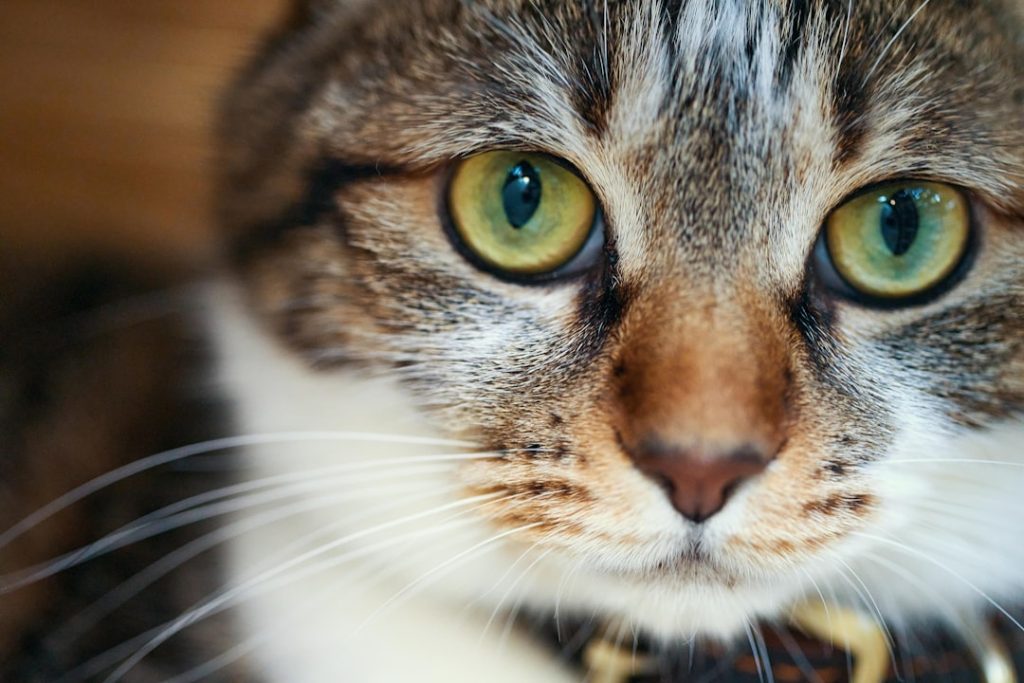
Have you ever caught your feline friend staring longingly out the window, or noticed them pacing around the house with a hint of restlessness? As a cat owner, you naturally want what’s best for your beloved pet.
While some cats relish their solitary status, others might be sending you signals that they’re ready for a new furry companion. Understanding these signs can be the key to boosting their happiness and well-being. You might be wondering: Is your cat silently asking for a playmate?
Let’s delve into these subtle signs and discover whether your kitty is craving the company of another cat. Stick around, because unraveling this mystery could transform your home into a more harmonious haven for your furry family.
Changes In Play Behavior
Changes in play behavior often signal that your cat might want a companion. Cats express their feelings through actions, especially during play. Noticing shifts in how your cat plays can reveal its need for social interaction.
Increased Playfulness
Your cat may suddenly become more active and playful. It might chase toys with more energy or pounce more often. This rise in playfulness can mean it seeks a playmate to share fun moments. Cats enjoy social games and may want another cat to engage with.
Seeking Interactive Toys
Cats wanting company often focus on toys that mimic other animals. Your cat might prefer toys that move or make sounds. This behavior shows a desire for more interactive play experiences. It may indicate your cat misses the presence of another cat to play with.

Credit: www.petscare.com
Altered Social Interactions
When your cat’s social behavior shifts, it might be a sign they’re craving the company of another feline. Altered social interactions can reveal a lot about your cat’s emotional needs. Watching these changes closely helps you decide if adding a new cat to your family is the right move.
More Vocal Communication
Have you noticed your cat meowing more than usual? A sudden increase in vocalizations can be their way of expressing loneliness or boredom. Cats often use different sounds to communicate their feelings, and more frequent meowing might mean they want a playmate.
Sometimes, these vocal signals come during quiet moments when your cat seems restless. You might hear chirps, trills, or even yowls that weren’t there before. Pay attention to when and where these sounds happen—it could be your cat’s subtle call for another feline friend.
Following You Around
Your cat suddenly sticking close to you all the time might be more than just affection. It can indicate they feel lonely and are seeking extra attention. If your cat trails you from room to room, it might be because they want someone else to share their space with.
Think about your own experience: Would you want company if you felt isolated? Your cat feels the same. This behavior often means they’re hoping you’ll understand their need for another cat to interact with.
Attention-seeking Actions
Cats show their feelings in many ways. Attention-seeking actions often mean your cat wants more than just your company. These signs can hint that your cat is ready for a new furry friend. Watch carefully for changes in behavior that show a desire for more social interaction.
Persistent Meowing
Some cats meow a little to get your attention. But persistent meowing is different. It may sound like your cat is calling out for more than just you. This repeated vocalizing can mean your cat feels lonely. A second cat might provide the company your cat seeks.
Listen to the tone and frequency. A louder or more urgent meow often signals a need. This sound can be a clear message: your cat wants a playmate.
Demanding More Petting
Your cat may suddenly want more petting than usual. It might nudge your hand or paw at you more often. This behavior shows your cat craves extra attention. It could also mean your cat wants the comfort of another cat nearby.
Notice if your cat seems restless after petting ends. This restlessness might indicate a longing for companionship. Another cat can fill that gap and share the affection your cat seeks.
Signs Of Loneliness
Loneliness can deeply affect your cat’s behavior and overall happiness. Cats are social creatures by nature, even if they sometimes act independent. Noticing signs of loneliness early can help you decide if your furry friend might benefit from a companion.
Sleeping In Unusual Places
Your cat might start choosing odd spots to sleep if feeling lonely. Instead of their cozy bed, they might nap near doors, windows, or even on your belongings. This shift often means they’re seeking comfort or trying to feel closer to you or the outside world.
I once noticed my cat sleeping on top of the TV, a place he never used before. It was clear he wanted a higher vantage point to watch more activity. This subtle change can signal that your cat craves more interaction or stimulation.
Lack Of Interest In Activities
When a cat loses interest in play or exploring, it might be a sign of loneliness. A cat who once chased toys eagerly might now ignore them. This behavior shows they may lack the motivation or companionship to stay engaged.
Think about your cat’s usual routine. Have they stopped chasing laser pointers or abandoned their favorite scratching post? If yes, adding a feline friend could reintroduce excitement and social interaction into their life.
Changes In Eating Habits
Changes in eating habits can reveal a lot about your cat’s feelings. Sometimes, these changes show your cat wants another feline friend. Cats express their emotions through their appetite and food behavior.
Watch closely. Eating habits can shift when a cat feels lonely or craves company. These subtle signs can help you understand your pet better.
Eating Less Or More
A cat wanting another cat may eat less or more than usual. Eating less might mean your cat feels lonely or stressed. It may miss the company of a fellow cat to share mealtime.
On the other hand, some cats eat more to fill the empty space. They may feel anxious or bored and use food for comfort. Notice if your cat’s appetite changes suddenly without health issues.
Begging For Food
Begging for food can also indicate your cat wants another companion. Your cat may seek more attention from you, hoping to fill the social gap. It may act more demanding during feeding times.
This behavior can show your cat feels incomplete alone. A second cat might bring the interaction and playtime your pet misses. Pay attention if your cat seems extra hungry or restless around meal times.
Territorial Behaviors
Cats are very protective of their space. Territorial behaviors show how much they care about their home. These actions can reveal if your cat feels the need for another companion. Watching these behaviors helps you understand their feelings better.
Marking Around The House
Cats mark their territory to claim it. They may rub their face on furniture or walls. This leaves their scent and signals ownership. Sometimes, they spray small amounts of urine. This act tells other cats to stay away.
If your cat marks more than usual, it may want a friend. Sharing space with another cat can reduce stress. Marking can show your cat feels lonely or insecure.
Increased Scratching
Scratching is a natural way to mark territory. Cats have scent glands in their paws. When they scratch furniture or doors, they leave their smell. More frequent scratching can mean your cat wants to expand its territory.
Scratching also helps cats relieve stress and express emotions. If your cat scratches more, it may want company. Another cat could provide comfort and reduce these signs.
Body Language Clues
Cats communicate a lot through their body language. Watching their movements can reveal their feelings and desires. When a cat wants another cat around, certain physical signs become clear. These clues help you understand your cat’s social needs.
Tail Position And Movements
The tail shows a cat’s mood and intentions. A high, straight tail often means confidence and happiness. Cats with this tail position may be open to a new friend. Slow tail sways can signal curiosity and interest in company.
A tail that flicks gently back and forth may show excitement. If the tail is puffed up, the cat might feel unsure or defensive. Look for a relaxed tail that moves smoothly. This suggests your cat wants a calm companion nearby.
Ear And Eye Signals
Ears reveal a cat’s focus and comfort level. Forward-pointed ears show alertness and friendliness. This means your cat may welcome another cat’s presence. Flattened or sideways ears suggest anxiety or displeasure, not a good sign for adding a new cat.
Eyes also send clear messages. Soft blinking and slow eye movements indicate trust and relaxation. Wide, staring eyes can mean stress or fear. Cats wanting a buddy will often gaze gently or look curious rather than scared.

Credit: www.reddit.com
Credit: www.newsbreak.com
Frequently Asked Questions
How Can I Tell If My Cat Wants A Companion?
If your cat frequently seeks attention and seems lonely, it may want another cat. Signs include increased vocalization and boredom behaviors. Cats often enjoy social interaction, so noticing these signs can indicate their desire for a feline friend.
What Behaviors Show A Cat Wants Another Cat?
Cats wanting company may display restlessness, excessive meowing, or follow you constantly. They might also show signs of depression or destructive behavior. These behaviors suggest they crave social interaction, which a second cat can provide.
Will Adding A New Cat Improve My Current Cat’s Happiness?
Yes, a compatible new cat can reduce loneliness and provide playmates. This often boosts your cat’s mental and physical health. However, proper introductions are crucial for a harmonious relationship between cats.
How To Prepare My Cat For A New Feline Friend?
Introduce scents and gradually allow visual contact before meeting face-to-face. Provide separate resources initially to reduce stress. Patience and slow introductions help both cats adjust comfortably to each other.
Conclusion
Seeing your cat act lonely or curious often shows they want a friend. Cats enjoy company but need time to adjust to new pets. Watch their behavior closely to know if they are ready. Adding another cat can bring joy and playfulness to your home.
Take small steps and be patient during introductions. Happy cats make happy homes. Trust your instincts and give your cat what they need.

Lily Purrington is the founder of MyKittyPicks.com, a cozy corner of the web dedicated to helping cat lovers discover the best cat products, furniture, toys, and home decor ideas.
A lifelong cat enthusiast, Lily shares trusted tips, honest product recommendations, and stylish inspiration designed to keep kitties happy and homes beautiful.
Her mission is simple: to bring together practical advice and purr-fect picks that make life better for cats and the people who love them.


