
Have you ever wondered how long your cat can hold its urine? Knowing this can help you keep your furry friend healthy and comfortable.
If your cat is holding it in for too long, it might be a sign of a problem you don’t want to ignore. You’ll discover what’s normal, what’s not, and when you should take action. Keep reading to learn how to spot the signs and protect your cat’s well-being.
Cat Urination Basics
Understanding your cat’s urination habits is key to keeping it healthy. Cats, like humans, have a natural rhythm and routine when it comes to using the litter box. Knowing what is normal helps you spot any unusual changes early.
Normal Urine Frequency
Most cats urinate about two to four times a day. This can vary based on their age, diet, and water intake. If your cat suddenly starts going more or less often, it could signal a health issue worth checking.
Have you noticed how your cat sometimes seems to “hold it” longer than usual? That’s not uncommon, but it shouldn’t become a habit. Regular bathroom breaks help prevent discomfort and urinary problems.
Factors Affecting Urination
Several things influence how often your cat needs to urinate. These include:
- Water consumption:More water means more frequent urination.
- Diet:Wet food increases moisture intake, reducing the need to drink extra water.
- Health conditions:Issues like urinary tract infections or kidney problems can alter urination habits.
- Stress and environment:New pets or changes at home may cause your cat to hold urine or urinate outside the box.
Think about your cat’s current lifestyle. Is there anything new that might be affecting its bathroom routine?
Cat Anatomy And Bladder Capacity
Your cat’s bladder is small but efficient, holding roughly 10 to 20 milliliters of urine per kilogram of body weight. For an average 4-kilogram cat, that’s about 40 to 80 milliliters.
The bladder stretches as it fills, sending signals when it’s time to go. Cats can typically hold their urine for up to 24 hours, but this isn’t ideal or comfortable for them.
When I once left my cat alone longer than usual, I noticed it became restless and meowed near the litter box. This was a clear sign it was uncomfortable and trying to hold its urine for too long.
What signs does your cat show when it needs to go? Paying attention can make all the difference in keeping your feline friend happy and healthy.

Credit: www.embracepetinsurance.com
How Long Cats Can Hold Urine
Cats can hold their urine for different amounts of time. This depends on many factors like age, health, and stress. Knowing how long cats can hold urine helps understand their behavior and health needs. It also guides pet owners to provide better care.
Typical Time Frames
Most healthy adult cats can hold urine for about 24 to 48 hours. Usually, cats prefer to urinate every 12 to 24 hours. This time can vary based on their water intake and activity level. Kittens and older cats may need to urinate more often. Long holding times can cause discomfort or health problems.
Age And Health Influence
Kittens have smaller bladders and hold urine for shorter times. They may need to urinate every few hours. Older cats might also urinate more often due to health issues. Conditions like urinary tract infections or kidney problems affect holding time. Healthy adult cats usually manage better bladder control.
Stress And Environment Impact
Stress can change how long a cat holds urine. Cats in new or noisy places may urinate more frequently. Lack of a clean litter box or limited access can cause accidents. A calm, quiet, and clean environment helps cats hold urine comfortably. Regular routines also support healthy bladder habits.
Risks Of Holding Urine Too Long
Cats can sometimes hold their urine for longer than they should. This behavior poses several risks to their health and well-being. Holding urine for extended periods can lead to various complications. It’s crucial to understand these risks to ensure your cat’s health.
Health Complications
Holding urine too long can cause serious health issues. Urine contains waste that needs regular elimination. If not expelled, it can lead to infections. Bladder infections are common in cats who hold their urine. These infections can lead to more severe urinary tract problems. Crystals or stones might form in the urinary tract. These blockages can be life-threatening if not treated promptly.
Behavioral Issues
Cats holding their urine may show changes in behavior. They might become more irritable or anxious. This is due to discomfort or pain from a full bladder. Cats may avoid the litter box altogether. This can lead to accidents around the house. Understanding these behaviors can help address the underlying issue.
Signs Of Urinary Problems
Recognizing signs of urinary problems is crucial. Cats may show signs of distress while urinating. They might meow or cry due to pain. Frequent trips to the litter box without success is another sign. Blood in the urine is a serious indicator. Changes in appetite or lethargy can also point to urinary issues.
When To Seek Veterinary Help
Knowing when to seek veterinary help for your cat’s urinary habits can make a huge difference in their health. Cats are good at hiding discomfort, so subtle signs might be the only clues you get. Paying attention to these signs early can prevent serious complications and save your cat from unnecessary pain.
Warning Symptoms
Watch out if your cat is straining to urinate or seems to be in pain while using the litter box. Frequent trips to the litter box with little or no urine could indicate a blockage, which is a medical emergency.
Other warning signs include:
- Blood in the urine
- Urinating outside the litter box
- Excessive licking of the genital area
- Sudden changes in urination frequency or volume
- Signs of lethargy or loss of appetite
If you notice any of these, don’t wait. Cats can go into kidney failure quickly if their urinary tract is blocked.
Preventive Care Tips
Keep your cat’s water bowl fresh and filled to encourage drinking. More water intake helps dilute urine and keeps the urinary tract healthy.
Feed a balanced diet designed for urinary health—some brands specifically support bladder function. Regular litter box cleaning also encourages proper use and helps you spot problems early.
Try to reduce your cat’s stress by maintaining a calm environment, as stress can trigger urinary issues. Have you noticed your cat avoiding the litter box after a change at home? This could be a red flag.
Treatment Options
Your vet may recommend antibiotics if an infection is present or special diets to dissolve urinary crystals. In severe cases, surgery might be necessary to remove blockages.
Some cats benefit from medication to relax the urinary tract muscles or pain relief to ease discomfort. Follow your vet’s instructions carefully and keep a close eye on your cat’s progress.
Remember, early intervention can lead to better outcomes. How quickly you act can be the difference between a minor issue and a life-threatening emergency.
Tips To Encourage Healthy Urination
Encouraging healthy urination in your cat is essential for their well-being and comfort. Understanding simple, practical ways to support regular bathroom habits can prevent health issues and reduce stress for both you and your feline friend. Here are some effective tips to help your cat maintain healthy urination patterns.
Litter Box Maintenance
Keeping the litter box clean is crucial. Cats are very particular about their bathroom environment, and a dirty box can discourage them from using it.
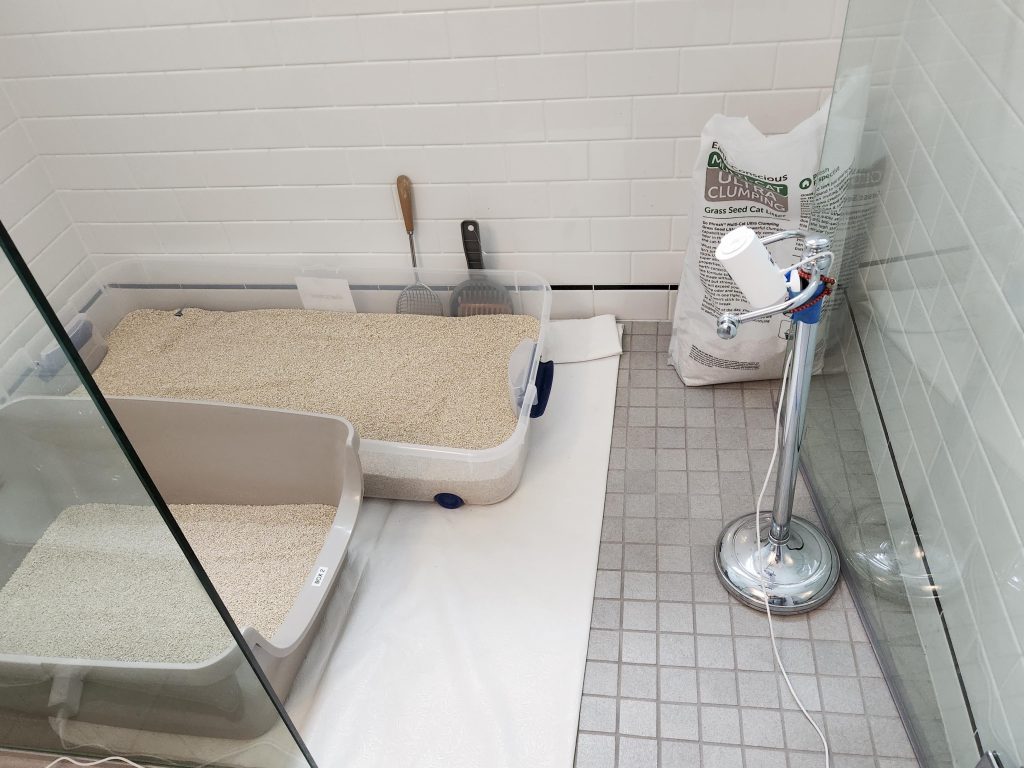
Clean the litter box daily and change the litter completely at least once a week. Consider having one more litter box than the number of cats in your home to avoid territorial disputes.
Place the litter box in a quiet, easily accessible area. Have you noticed your cat avoiding the box? It might be time to refresh the litter or change the location.
Diet And Hydration
Your cat’s diet plays a big role in their urinary health. Wet food is a great way to increase your cat’s water intake, which helps dilute urine and prevent urinary tract issues.
Always provide fresh water and consider adding water fountains to encourage drinking. Some cats prefer running water, which can increase their hydration levels significantly.
Monitor your cat’s eating habits. A sudden decrease in appetite or water consumption could signal urinary problems that need veterinary attention.
Creating A Stress-free Environment
Stress can cause cats to hold their urine longer than they should. Creating a calm and secure space helps your cat feel safe enough to go when needed.
Provide cozy hiding spots and avoid loud noises or sudden changes in routine. If you’ve recently moved or added new pets, give your cat extra attention and patience.
Have you ever noticed your cat holding back urination during stressful events? Helping them relax can improve their bathroom habits and overall health.
Credit: www.petmd.com

Credit: www.feliway.co.uk
Frequently Asked Questions
How Long Can A Cat Typically Hold Its Urine?
Cats can usually hold their urine for 24 to 48 hours. However, regular urination every 12 to 24 hours is healthier. Holding urine too long may cause discomfort or urinary problems.
What Affects A Cat’s Ability To Hold Urine?
Factors like age, hydration, health, and stress affect a cat’s urine-holding ability. Older or sick cats may urinate more frequently. Stress and bladder infections also reduce their control.
Is It Harmful If A Cat Holds Urine Too Long?
Yes, holding urine too long can cause bladder infections, urinary blockages, or kidney issues. It’s important to encourage regular bathroom breaks to keep your cat healthy.
How Often Should A Cat Urinate Daily?
Healthy cats usually urinate 2 to 4 times per day. This frequency ensures proper hydration and bladder health. Changes in urination habits may signal health problems.
Conclusion
Cats usually hold urine for about 24 to 48 hours. This time depends on their health and age. Holding too long can cause discomfort or health problems. Watch for signs like restlessness or accidents outside the litter box. Clean, accessible litter boxes help cats feel comfortable.
Regular vet visits keep your cat’s urinary system healthy. Understanding these limits helps you care for your pet better. Keep your cat happy and healthy by meeting its needs daily. Simple steps make a big difference in your cat’s well-being.

Lily Purrington is the founder of MyKittyPicks.com, a cozy corner of the web dedicated to helping cat lovers discover the best cat products, furniture, toys, and home decor ideas.
A lifelong cat enthusiast, Lily shares trusted tips, honest product recommendations, and stylish inspiration designed to keep kitties happy and homes beautiful.
Her mission is simple: to bring together practical advice and purr-fect picks that make life better for cats and the people who love them.


