

Ticks on your cat can cause serious health problems, and you want to keep your furry friend safe. But how do you stop these tiny pests from making your cat their home?
If you’ve ever worried about ticks or wondered what steps to take, this article is for you. You’ll discover simple, effective ways to protect your cat and enjoy peace of mind. Keep reading to learn exactly how you can prevent ticks and keep your cat happy and healthy.
Credit: www.ocado.com
Tick Risks For Cats
Ticks are small parasites that attach to cats. They feed on their blood. This can cause many problems for your pet.
It is important to learn about ticks. Knowing the risks helps you protect your cat better.
Common Tick Species
Several tick species can affect cats. Each type carries different risks. Some are more common in certain areas.
- Deer Tick: Known for spreading Lyme disease.
- American Dog Tick: Can cause tick paralysis.
- Brown Dog Tick: Often found in homes and kennels.
- Lone Star Tick: May cause allergic reactions.
Health Issues From Ticks
Ticks cause health problems by biting and feeding. They can also spread infections. Watch for signs and symptoms.
| Health Issue | Description |
| Lyme Disease | Causes fever, weakness, and joint pain. |
| Tick Paralysis | Leads to muscle weakness and breathing trouble. |
| Blood Loss | Heavy infestations can cause anemia. |
| Skin Irritation | Redness, swelling, and itching at bite sites. |

Credit: justcatsclinic.com
Signs Of Tick Infestation
Ticks on cats can cause many problems. Knowing the signs helps you protect your pet early.
Look for changes in your cat’s behavior and physical health. These clues show if ticks are present.
Behavioral Changes
Cats with ticks may act differently. They might scratch or bite their skin more than usual.
- Excessive scratching or grooming
- Restlessness or irritability
- Hiding or avoiding contact
- Reduced appetite or energy
Physical Symptoms
Physical signs can show where ticks attach. Look closely for small bumps or sores.
| Symptom | Description |
|---|---|
| Small dark spots | Ticks look like tiny dark bumps on the skin |
| Red or swollen areas | Skin around the tick may be red or irritated |
| Scabs or wounds | Cat may scratch until the skin breaks and sores form |
| Hair loss | Hair may fall out near the tick bite |
Tick Prevention Methods
Ticks pose serious health risks to cats. Preventing ticks helps keep your cat safe and healthy. There are several effective ways to stop ticks from attaching to your pet.
Using the right prevention method depends on your cat’s lifestyle and your preferences. Below are common options to protect your cat from ticks.
Topical Treatments
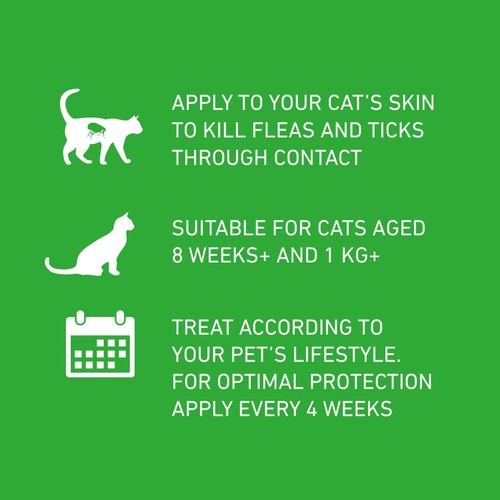
Topical treatments are liquid medicines applied directly to the cat’s skin. They spread over the body to kill and repel ticks. These treatments usually last for a month.
- Apply between the shoulder blades where the cat can’t lick it.
- Use only products made for cats, not dogs.
- Repeat monthly for continuous protection.
- Check with a vet before use on kittens or pregnant cats.
Tick Collars
Tick collars provide long-lasting protection by releasing chemicals that kill or repel ticks. Most collars work for several months.
| Feature | Details |
| Duration | Up to 8 months |
| Water Resistance | Many collars are water-resistant |
| Safety | Choose cat-specific collars only |
| Effectiveness | Kills ticks before they bite |
Oral Medications
Oral medications come as pills or chewables that cats eat. They work from inside the body to kill ticks quickly.
- Give the medication as directed by your vet.
- These medicines often protect for one month or longer.
- They are easy to use for cats that accept pills.
- Consult your vet before starting treatment.
Environmental Control
Ticks can harm cats by spreading diseases. Controlling the environment helps keep ticks away. This reduces the chance your cat gets tick bites.
Keeping your yard clean and limiting your cat’s time outside are key ways to prevent ticks. These steps create a safer space for your pet.
Yard Maintenance
Ticks live in tall grass and bushes. Cutting grass short stops ticks from hiding. Remove leaves and brush from your yard often.
Keep woodpiles and debris away from play areas. Ticks like damp and shady places. Sunlight helps reduce tick numbers.
- Mow grass regularly and keep it short
- Clear fallen leaves and brush
- Remove wood and debris piles
- Trim bushes and shrubs near paths
- Use sunlight areas for cat play zones
Limiting Outdoor Exposure
Ticks are more active in certain seasons and times. Limit your cat’s outdoor time during these periods. Keep cats indoors during early morning and evening.
Use a leash or enclosed yard to control where your cat goes. Avoid wooded or grassy areas where ticks live. This lowers the chance of tick contact.
- Keep cats indoors in spring and fall
- Supervise outdoor time closely
- Use a leash or secure enclosure
- Avoid tall grass and wooded areas
- Check your cat for ticks after outside time
Safe Tick Removal
Ticks on cats can cause health problems. Removing them safely is important to avoid infection.
Use the right tools and follow clear steps for tick removal. This protects both you and your cat.
Tools Needed
- Tweezers or tick removal tool
- Gloves to protect your hands
- Antiseptic wipes or solution
- Small container or sealable bag
- Magnifying glass (optional)
Having these tools ready helps make the removal quick and safe. Always wear gloves to prevent contact with tick fluids.
Step-by-step Removal
- Put on gloves to protect your hands.
- Use tweezers or a tick tool to grasp the tick close to the cat’s skin.
- Pull the tick straight out with steady, even pressure.
- Do not twist or jerk the tick; this may leave parts behind.
- Place the tick in a container or sealed bag for disposal.
- Clean the bite area and your hands with antiseptic.
- Watch your cat for signs of illness for several days.
Removing ticks carefully reduces the chance of infection and skin irritation.

Credit: getfurlife.com
Regular Vet Checkups
Keeping your cat safe from ticks is important. Regular vet checkups help in early detection and prevention of ticks.
Vets can provide the best advice and treatments. They ensure your cat remains healthy and tick-free.
Routine Screenings
Routine screenings are key to preventing ticks. Vets check your cat’s skin for any signs of ticks.
Screenings can spot issues early. This means your cat gets quick treatment if needed.
- Skin checks for ticks and other parasites
- Examine the fur for unusual signs
- Regular health assessments
Vaccinations And Advice
Vaccinations protect your cat from tick-borne diseases. Your vet will advise on the best vaccines.
Vets provide advice on tick prevention products. They recommend safe and effective options for your cat.
- Discuss vaccination options with your vet
- Follow vet’s advice on tick prevention products
- Learn safe ways to remove ticks
Frequently Asked Questions
How Can I Prevent Ticks On My Cat Naturally?
Use natural repellents like essential oils safe for cats, such as lavender or cedarwood. Regular grooming and keeping your yard tidy also help reduce ticks. Avoid areas with heavy tick populations, especially during peak seasons.
What Are The Best Tick Prevention Products For Cats?
Top tick prevention includes spot-on treatments, tick collars, and oral medications. Consult your vet to choose safe, effective products tailored to your cat’s needs and health status.
How Often Should I Check My Cat For Ticks?
Check your cat for ticks daily, especially after outdoor exposure. Prompt removal reduces disease risk. Focus on common tick hiding spots like ears, neck, and underarms.
Can Indoor Cats Get Ticks Too?
Yes, indoor cats can get ticks if ticks hitchhike on clothing or other pets. Regular checks and preventive treatments are essential even for indoor cats.
Conclusion
Protecting your cat from ticks takes regular care and attention. Check your cat often, especially after outside play. Use vet-approved tick prevention products as recommended. Keep your yard clean and free of tall grass. Early tick removal reduces health risks for your cat.
Staying alert helps keep your pet safe and happy. Small steps make a big difference in tick prevention. Your cat will thank you with good health and comfort.

Lily Purrington is the founder of MyKittyPicks.com, a cozy corner of the web dedicated to helping cat lovers discover the best cat products, furniture, toys, and home decor ideas.
A lifelong cat enthusiast, Lily shares trusted tips, honest product recommendations, and stylish inspiration designed to keep kitties happy and homes beautiful.
Her mission is simple: to bring together practical advice and purr-fect picks that make life better for cats and the people who love them.


