

Have you noticed your older cat drinking more water or losing weight? These changes might be signs of kidney disease, a common issue in aging cats.
Understanding why kidney problems happen as cats get older can help you spot the warning signs early and give your furry friend the care they need. Keep reading to learn what causes kidney disease in older cats and how you can protect your beloved pet’s health.

Credit: x.com
Kidney Disease In Older Cats
Kidney disease is common in older cats. It affects how well their kidneys work. Kidneys help clean the blood and remove waste.
As cats age, their kidneys can lose function. This can lead to serious health problems. Knowing why this happens helps with care.
What Is Kidney Disease?
Kidney disease means the kidneys are damaged. They do not filter blood well. This causes waste to build up in the body.
Why Older Cats Are At Risk
Older cats have weaker organs. Their kidneys work less over time. Some reasons they get kidney disease include:
- Natural aging of kidney tissues
- Long-term exposure to toxins
- High blood pressure
- Other health problems like diabetes
- Genetic factors
Signs Of Kidney Disease In Cats
Watch for these signs in older cats. Early detection helps manage the disease.
- Increased thirst and urination
- Loss of appetite
- Weight loss
- Weakness or tiredness
- Bad breath or mouth ulcers
How Kidney Disease Affects Cat Health
| Effect | Details |
| Waste Build-up | Toxins remain in blood causing illness |
| Fluid Balance | Kidneys can’t keep water balance |
| Blood Pressure | Often rises, damaging vessels |
| Red Blood Cells | Less produced, causing anemia |
Preventing Kidney Disease In Older Cats
Owners can help protect their cats. Good care supports kidney health. Tips include:
- Feed a balanced diet made for older cats
- Provide fresh water at all times
- Regular vet check-ups to catch problems early
- Avoid exposure to harmful chemicals
- Keep cats at a healthy weight
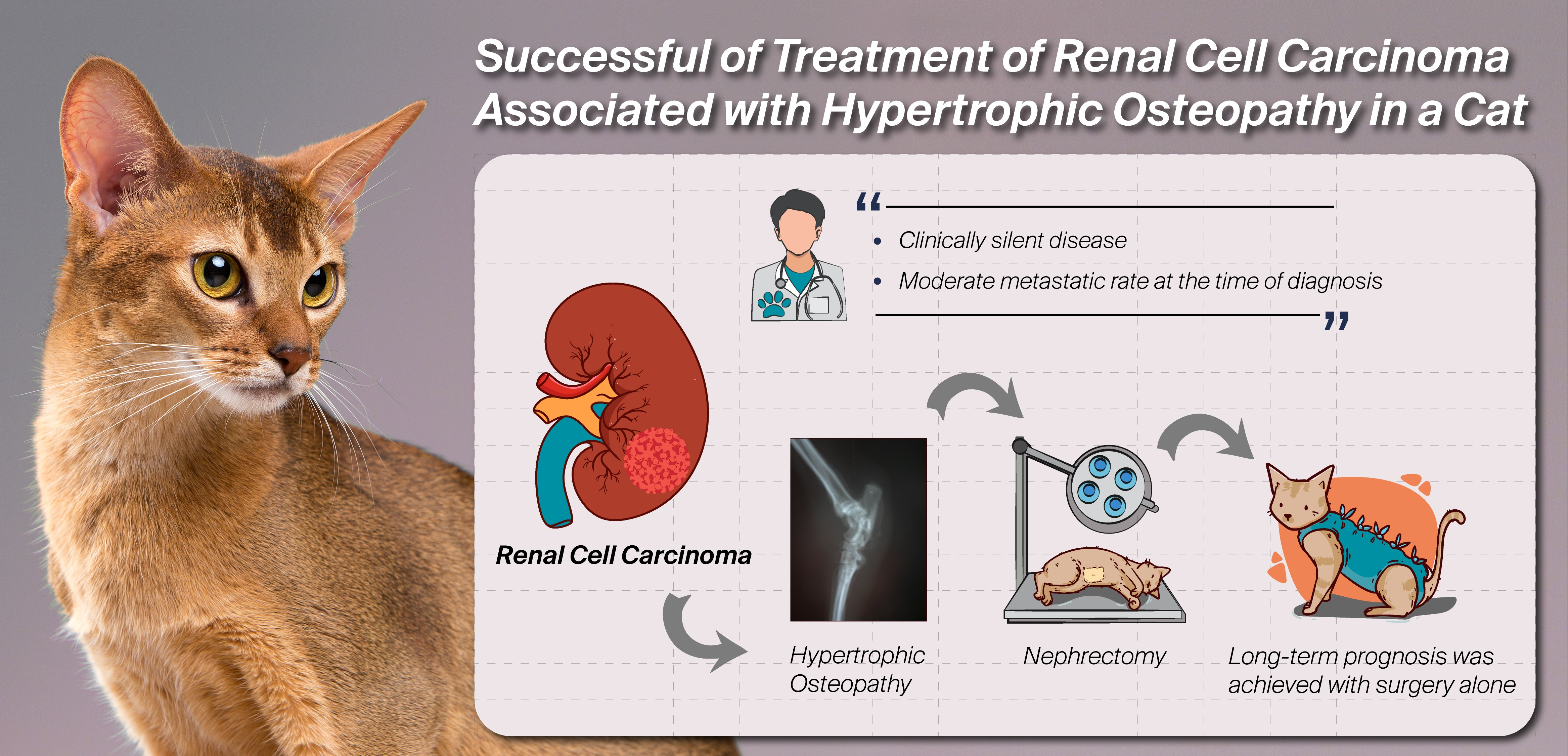
Credit: www.mdpi.com
Common Causes Of Kidney Disease
Kidney disease is common in older cats. It happens because kidneys change as cats age. Understanding these causes helps in care and treatment.
This article explains the main reasons older cats get kidney disease. We look at age-related changes, genetics, infections, and toxins.
Age-related Kidney Changes
As cats get older, their kidneys lose some function. The filtering units in kidneys shrink and work less well. This makes waste removal harder.
These changes do not always cause disease but increase risk. Older cats may have lower kidney blood flow and fewer filtering units.
Genetic Factors
Some cats inherit genes that make kidney disease more likely. Certain breeds are more at risk. These genes can cause kidney damage early or worsen later.
- Persian cats often get kidney problems.
- British Shorthairs may inherit kidney disease.
- Some mixed breeds also show genetic risks.
Chronic Infections
Long-term infections can harm kidneys. Bacterial infections may cause inflammation and scarring. This reduces kidney ability to clean blood.
Common infections linked to kidney problems include:
- Urinary tract infections
- Leptospirosis
- Feline infectious peritonitis (FIP)
Toxins And Poisons
Kidneys filter toxins from blood. Some poisons damage kidneys quickly. Cats may get toxins from plants, chemicals, or medicines.
| Toxin | Source | Effect on Kidneys |
| Antifreeze | Household chemical | Severe kidney failure |
| Lilies | Common garden plant | Kidney damage and death |
| NSAIDs | Pain medicine | Reduced kidney blood flow |
Symptoms To Watch For
Kidney disease is common in older cats. It affects how their bodies remove waste and balance fluids.
Knowing the symptoms helps catch the problem early. Watch your cat closely for any changes in behavior.
Changes In Drinking And Urination
Cats with kidney disease often drink more water than usual. This leads to more trips to the litter box.
- Increased water intake
- More frequent urination
- Accidents outside the litter box
- Straining or discomfort when urinating
Loss Of Appetite And Weight
Kidney problems can make cats lose interest in food. They may eat less and lose weight quickly.
| Symptom | Description |
| Reduced appetite | Eating smaller amounts or skipping meals |
| Weight loss | Noticeable thinning over weeks or months |
| Bad breath | Smelling ammonia or urine-like odor |
Lethargy And Weakness
Kidney disease can make cats tired and weak. They may sleep more and avoid playing.
- Sleeping longer than usual
- Less interest in toys or interaction
- Difficulty jumping or climbing
- Weakness in limbs
Risk Factors That Increase Likelihood
Older cats often develop kidney disease because of many risk factors. These factors make their kidneys work harder or get damaged over time.
Understanding these risks helps cat owners take better care of their pets and possibly slow down kidney problems.
Diet And Nutrition
A cat’s diet can affect kidney health. Poor nutrition puts extra stress on the kidneys and may cause damage.
High protein or salty foods can make kidneys work harder. Low water intake also raises risk of kidney problems.
- Diets high in protein increase kidney workload
- Too much salt can harm kidney function
- Low water intake causes dehydration and stress
- Poor quality food lacks nutrients needed for kidney health
Preexisting Health Issues
Some health problems make kidney disease more likely in older cats. These include infections and chronic illnesses.
High blood pressure and diabetes are common diseases that strain the kidneys and cause damage over time.
- Urinary tract infections can harm kidneys
- High blood pressure stresses kidney vessels
- Diabetes causes kidney damage through sugar buildup
- Other chronic diseases weaken overall kidney function
Environmental Stressors
Stressful living conditions affect older cats’ kidney health. Poor hygiene and toxins increase disease risk.
Exposure to chemicals or polluted water can harm kidneys. Stress weakens immune response, making infections more likely.
- Dirty litter boxes cause infections
- Exposure to household chemicals harms kidneys
- Polluted water increases toxin buildup
- Stress lowers body’s ability to fight disease
Preventive Measures For Kidney Health
Older cats often develop kidney disease as their organs weaken over time. Taking steps to protect their kidneys can help keep them healthy longer.
Simple habits can reduce the risk of kidney problems in senior cats. Focus on hydration, diet, and regular health checks.
Proper Hydration
Water helps flush toxins from the kidneys and keeps them working well. Older cats may not drink enough, which can harm their kidneys.
Provide fresh water daily and encourage your cat to drink more. You can use water fountains or wet cat food to increase intake.
- Place water bowls in quiet, easy-to-reach spots
- Use ceramic or stainless steel bowls to avoid odors
- Offer wet food to add moisture to their diet
- Change water often to keep it fresh
Balanced Diet Choices
A good diet supports kidney health and overall wellness. Choose foods that are low in phosphorus and protein to ease kidney work.
Special diets made for kidney care can help slow disease progress. Ask your vet about the best food for your older cat.
- Feed high-quality protein in moderate amounts
- Limit phosphorus to reduce kidney strain
- Include omega-3 fatty acids for kidney support
- Avoid foods with excess salt or additives
Regular Vet Checkups
Regular vet visits catch kidney problems early. Blood and urine tests show how well the kidneys work.
Early detection helps manage kidney disease better. Follow your vet’s advice to keep your cat healthy.
- Schedule vet visits at least twice a year for older cats
- Request kidney function tests during checkups
- Watch for signs like weight loss or increased thirst
- Update vaccinations and parasite control regularly
Treatment Options For Affected Cats
Older cats often face kidney disease. This condition affects their overall health. Understanding treatment options is important for pet owners.
Treatment aims to improve quality of life. It focuses on managing symptoms and slowing disease progression.
Medications And Supplements
Medications can help manage symptoms. They support kidney function and control blood pressure.
Supplements might include vitamins and minerals. These support overall health and aid kidney function.
- Phosphate binders reduce phosphorus levels
- ACE inhibitors lower blood pressure
- Omega-3 fatty acids support kidney health
Dietary Adjustments
Diet plays a key role in managing kidney disease. Special diets reduce stress on kidneys.
Low-protein diets are often recommended. They help to decrease waste products in the body.
- Low-sodium foods prevent fluid retention
- Hydration is crucial for kidney health
- Consult a vet for personalized diet plans
Supportive Care
Supportive care includes regular check-ups. Monitoring helps adjust treatments as needed.
Fluids may be given to prevent dehydration. This helps in maintaining electrolyte balance.
- Regular blood tests track kidney function
- Weight monitoring ensures proper nutrition
- Comfort and stress reduction are essential
Credit: justcatsclinic.com
Frequently Asked Questions
Why Do Older Cats Develop Kidney Disease?
Older cats develop kidney disease mainly due to natural aging. Kidneys lose function over time, causing waste buildup. Genetics, diet, and chronic infections also contribute. Early detection and care can slow disease progression and improve quality of life.
What Are Common Symptoms Of Kidney Disease In Cats?
Common symptoms include increased thirst, frequent urination, weight loss, poor appetite, and lethargy. Cats may also vomit or have bad breath. These signs indicate kidney function decline and require veterinary evaluation for diagnosis and treatment.
Can Diet Help Manage Kidney Disease In Older Cats?
Yes, a special kidney-friendly diet helps manage the disease. It usually contains reduced protein, phosphorus, and sodium. This diet supports kidney function and slows disease progression. Always consult a vet before changing your cat’s diet.
How Is Kidney Disease Diagnosed In Senior Cats?
Diagnosis involves blood tests and urine analysis. Blood tests check kidney function and waste levels. Urine tests assess concentration and protein presence. Early diagnosis allows timely treatment to improve your cat’s health and comfort.
Conclusion
Older cats often face kidney disease due to natural aging. Their kidneys work less well over time. Poor kidney function leads to health problems. Early signs may be subtle but important. Regular vet visits help catch issues early. A good diet supports kidney health.
Hydration is also key for older cats. Watching your cat closely can save lives. Understanding kidney disease helps you care better. Keep your cat comfortable and safe every day.

Lily Purrington is the founder of MyKittyPicks.com, a cozy corner of the web dedicated to helping cat lovers discover the best cat products, furniture, toys, and home decor ideas.
A lifelong cat enthusiast, Lily shares trusted tips, honest product recommendations, and stylish inspiration designed to keep kitties happy and homes beautiful.
Her mission is simple: to bring together practical advice and purr-fect picks that make life better for cats and the people who love them.


