

If you’re worried about your cat’s health, especially their kidneys, you’re not alone. Kidney disease is common in cats, but catching it early can make a big difference.
You might be wondering how vets find out if your cat has this problem. Understanding the tests vets use can help you feel more confident and prepared. You’ll discover exactly how vets check for kidney disease, what to expect during the visit, and why these tests matter for your furry friend’s well-being.
Keep reading to learn how you can spot the signs and support your cat’s health every step of the way.
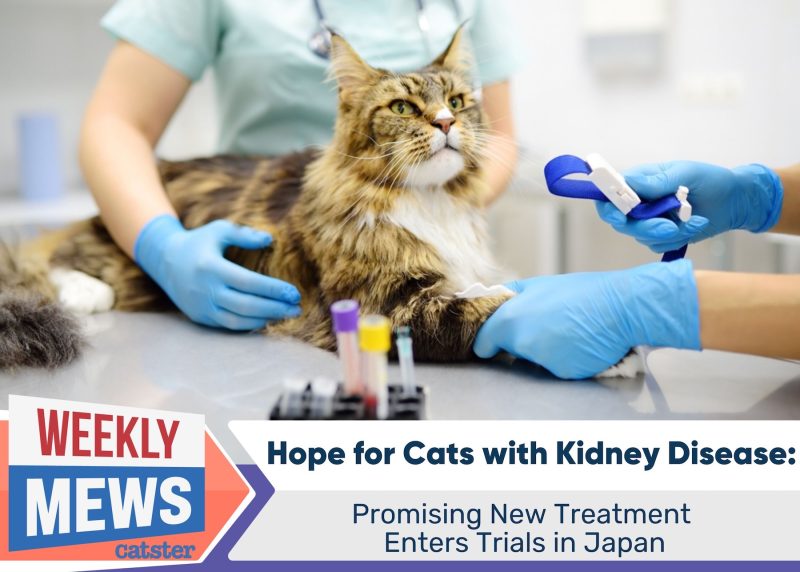
Credit: www.catster.com
Common Signs Of Kidney Disease In Cats
Kidney disease is common in older cats. Early detection helps manage the condition better. Cats often show subtle signs that owners may miss.
Knowing the signs can help you spot problems early. Vets use these signs to decide when to run tests.
Behavioral Changes
Cats with kidney disease often act differently. They may seem less active or hide more than usual. Changes in eating habits are common too.
- Less interest in playing or moving
- Hiding or avoiding people
- Eating less or more than usual
- Increased thirst and drinking more water
- Frequent urination or accidents outside the litter box
Physical Symptoms
Physical signs help vets check for kidney disease. These symptoms show the body is struggling to filter waste.
| Symptom | Description |
| Weight Loss | Noticeable drop in body weight over weeks |
| Poor Coat | Dry, dull, or unkempt fur |
| Bad Breath | Ammonia-like smell from the mouth |
| Weakness | Lack of strength or difficulty moving |
| Swollen Abdomen | Fluid buildup causing bloating |
Early Indicators
Early signs of kidney disease may be subtle. Vets look for these signs during checkups to catch problems early.
- Increased thirst and urination
- Loss of appetite or vomiting
- Lethargy or less energy
- Changes in blood pressure
- Abnormal blood or urine test results

Credit: www.youtube.com
Physical Examination Techniques
Vets use physical exams to check cats for kidney disease. These exams help find early signs of problems.
They focus on the kidneys, hydration, and blood pressure to learn about the cat’s health.
Palpation Of Kidneys
Vets feel the cat’s abdomen to check the kidneys. They look for size, shape, and pain.
Healthy kidneys are smooth and small. Enlarged or painful kidneys may show disease.
Checking Hydration Levels
Vets check if a cat is dehydrated by looking at skin and gums. Dry skin or sticky gums mean low hydration.
Proper hydration is important for kidney health. Dehydration can worsen kidney problems.
- Pinch the skin to see if it snaps back quickly
- Look at gum color and moisture
- Check for sunken eyes
Monitoring Blood Pressure
High blood pressure can harm a cat’s kidneys. Vets use special tools to measure it.
Regular checks help catch problems early. They use a cuff around the leg or tail to get numbers.
Blood Tests For Kidney Function
Vets use blood tests to check how well a cat’s kidneys work. These tests measure substances in the blood that show kidney health.
Kidney disease can be detected early by looking at specific blood markers. This helps vets give the right care sooner.
Measuring Creatinine And Bun
Creatinine and blood urea nitrogen (BUN) are two key waste products tested in blood. Healthy kidneys remove these wastes from the body.
High levels of creatinine or BUN may mean the kidneys are not working well. These tests help vets spot kidney problems early.
Evaluating Electrolyte Balance
Kidneys help keep electrolytes like sodium, potassium, and calcium balanced. Blood tests measure these important minerals.
| Electrolyte | Normal Range | What High or Low Means |
| Sodium | 140-155 mEq/L | High: dehydration; Low: kidney disease |
| Potassium | 3.5-5.5 mEq/L | High: kidney failure; Low: vomiting |
| Calcium | 8.5-11.5 mg/dL | High: kidney disease; Low: poor diet |
Assessing Sdma Levels
SDMA is a newer blood test that detects kidney problems earlier than creatinine. It measures a protein linked to kidney function.
- SDMA rises when kidney function drops by 25% or more.
- It helps find kidney disease before other signs appear.
- Vets use SDMA alongside other tests for a full view.

Credit: www.vetpracticemag.com.au
Urine Analysis Procedures
Vets use urine tests to check cats for kidney disease. This test helps find early signs of problems. It is easy to collect and gives quick results.
Urine analysis looks at different parts of the urine. This helps vets understand how well the kidneys work. It also checks for infections or other issues.
Detecting Protein And Glucose
Protein in urine can mean kidney damage. Healthy kidneys keep protein in the blood. When kidneys fail, protein leaks into urine. Glucose in urine may show diabetes or kidney problems.
Vets use test strips to detect protein and glucose. The strip changes color if these substances are present. This helps catch kidney disease early.
Measuring Urine Specific Gravity
Specific gravity shows urine concentration. It tells how well kidneys keep water balance. Healthy cats have a higher specific gravity. Low values may mean kidney disease or dehydration.
Vets use a refractometer to measure this. A drop of urine goes on the device. The reading helps vets know kidney health and hydration level.
Identifying Urinary Tract Infections
Urinary tract infections (UTIs) can worsen kidney disease. Vets check for infections by looking at urine color and smell. They also examine urine under a microscope.
Finding bacteria or white blood cells means infection. Treating infections quickly helps protect kidney health.
Imaging Techniques Used
Vets use imaging to check cats’ kidneys for disease. These tools help see kidney size and shape. They also find stones or other problems.
Imaging gives a clear look inside the body without surgery. It helps vets decide the best treatment for kidney issues.
Ultrasound Scans
Ultrasound scans use sound waves to make pictures of the kidneys. This method shows the kidney’s texture and any abnormal spots. It is safe and painless for cats.
Vets look for signs like:
- Changes in kidney size
- Irregular shapes or masses
- Fluid buildup or cysts
- Signs of inflammation or scarring
X-ray Imaging
X-rays show the bones and organs inside the cat’s body. They help detect kidney stones or abnormal shapes.
| Purpose | What It Shows |
| Detect stones | Bright spots in kidneys |
| Check size | Kidney shape and position |
| Look for damage | Changes in surrounding organs |
Advanced Imaging Options
In some cases, vets use advanced imaging to get more detail. These include CT scans and MRI.
Advanced imaging benefits:
- Clear 3D views of kidneys
- Detect small or hidden problems
- Help plan surgery if needed
Additional Diagnostic Tools
Veterinarians use various tools to check if a cat has kidney disease. These tools help them understand the cat’s condition better.
Besides regular tests, vets may use special methods. These help in getting more detailed information about the cat’s kidneys.
Kidney Biopsy
A kidney biopsy involves taking a small piece of kidney tissue. This helps the vet see the kidney cells under a microscope.
This test shows how much damage is in the kidney. It also helps in finding the cause of the kidney problem.
Blood Pressure Monitoring Devices
High blood pressure can harm a cat’s kidneys. Vets use devices to check a cat’s blood pressure.
These devices are similar to those used for humans. Keeping track of blood pressure helps manage kidney health.
Specialized Kidney Function Tests
Specialized tests give more details about how well the kidneys work. One such test checks for specific substances in the blood.
These tests help in understanding the kidney’s filtering ability. They provide important information for treatment plans.
Interpreting Test Results
Vets use tests to check if a cat has kidney disease. They look at the results to decide what to do next.
Understanding the results helps in planning the best care for the cat. It is crucial to know how to read these tests.
Identifying Disease Stages
Kidney disease has different stages in cats. Vets identify the stage by looking at test numbers.
| Stage | Creatinine Level (mg/dL) |
| Stage 1 | <1.6 |
| Stage 2 | 1.6-2.8 |
| Stage 3 | 2.9-5.0 |
| Stage 4 | >5.0 |
Correlating Symptoms With Data
Vets also look at symptoms. They match these with test data to understand the disease better.
- Increased thirst and urination
- Weight loss
- Poor appetite
- Lethargy
Planning Treatment Based On Findings
Once vets know the stage and symptoms, they plan treatment. This helps in managing the disease better.
Frequently Asked Questions
How Do Vets Diagnose Kidney Disease In Cats?
Vets diagnose kidney disease in cats using blood tests, urine analysis, and physical exams. These tests measure kidney function and detect early signs of damage.
What Blood Tests Check For Cat Kidney Disease?
Blood tests like BUN, creatinine, and SDMA levels help assess kidney health. Elevated levels indicate impaired kidney function or disease progression.
Why Is Urine Analysis Important For Cat Kidney Testing?
Urine analysis reveals protein loss, concentration ability, and infection signs. It helps vets evaluate kidney damage severity and monitor treatment effectiveness.
When Should I Get My Cat Tested For Kidney Disease?
Testing is recommended for cats over seven years or those showing symptoms like weight loss, increased thirst, or lethargy. Early detection improves outcomes.
Conclusion
Testing cats for kidney disease helps catch problems early. Vets use blood tests, urine tests, and physical exams. These checks show how well the kidneys work. Early detection means better care and treatment options. Watch your cat’s health and visit the vet regularly.
Understanding these tests helps you care for your pet better. Keep your cat healthy with timely vet visits and tests. Simple steps make a big difference in your cat’s life.

Lily Purrington is the founder of MyKittyPicks.com, a cozy corner of the web dedicated to helping cat lovers discover the best cat products, furniture, toys, and home decor ideas.
A lifelong cat enthusiast, Lily shares trusted tips, honest product recommendations, and stylish inspiration designed to keep kitties happy and homes beautiful.
Her mission is simple: to bring together practical advice and purr-fect picks that make life better for cats and the people who love them.


