

Have you ever wondered how risky a simple scratch from your cat really is? You might think it’s just a minor injury, but it could lead to something called Cat Scratch Disease.
How common is this illness, and should you be worried about your furry friend? Understanding the facts can help you protect yourself and your loved ones. Keep reading to discover what you need to know about Cat Scratch Disease and why being informed matters more than you might expect.
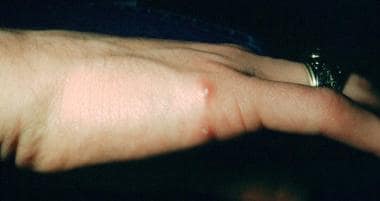
Credit: emedicine.medscape.com
Cat Scratch Disease Basics
Cat Scratch Disease is an illness caused by a bacterial infection. It usually happens after a cat scratch or bite.
Most people recover without serious problems. The disease can cause swollen lymph nodes and fever.
What Causes Cat Scratch Disease
The disease is caused by a bacteria called Bartonella henselae. This bacteria lives in cats, especially kittens.
The bacteria spread when a cat scratches or bites a person. The bacteria enter the skin through the wound.
Who Is At Risk
People who have close contact with cats are more likely to get the disease. Children and young adults get it more often.
People with weak immune systems have a higher risk of severe illness from Cat Scratch Disease.
- Cat owners, especially with kittens
- Children under 15 years old
- People with weak immune systems
- Veterinarians and animal shelter workers
How The Infection Spreads
Infection spreads mainly through cat scratches or bites. The bacteria enter the skin through the wound.
Fleas on cats can carry the bacteria. Flea bites can infect cats, which then pass it to humans.
- Cat scratch or bite breaks the skin
- Bacteria enter through the wound
- Fleas infect cats with the bacteria
- Direct contact with cat saliva can also spread bacteria
Frequency And Statistics
Cat scratch disease is an infection caused by bacteria from cats. It happens when a person is scratched or bitten by a cat carrying the bacteria.
This disease is found worldwide, but its frequency varies by location and season. Understanding its commonness helps in awareness and prevention.
Global Occurrence Rates
Cat scratch disease occurs in many countries around the world. It is more common in areas where people have close contact with cats.
The estimated number of cases each year is about 22,000 in the United States alone. Other countries report fewer cases but may have less data.
- United States: Around 22,000 cases yearly
- Europe: Cases vary by country and cat ownership
- Tropical regions: Lower reported rates but possible underreporting
Cases By Age Group
Children and teenagers get cat scratch disease more often than adults. Young people tend to play with cats more and may not handle them gently.
Adults can get the disease too, especially if they care for cats or work with animals.
- Children under 15 years: Highest risk group
- Adults 15 to 45 years: Moderate risk
- Older adults: Lower but possible risk
Seasonal Trends
Cat scratch disease cases often rise during warm months. This is when cats are more active and people spend more time outside with pets.
Spring and summer show the highest number of reported infections. The cold months see fewer cases.
- Spring: Increase in cases
- Summer: Peak infection rates
- Fall and Winter: Lower case numbers
Symptoms And Diagnosis
Cat Scratch Disease (CSD) is an infection caused by bacteria from cat scratches or bites. It often leads to mild symptoms but can sometimes cause more serious problems.
Knowing the symptoms and how doctors diagnose CSD helps in getting the right treatment quickly.
Common Signs To Watch For
The symptoms usually appear within a few days to two weeks after a cat scratch or bite. Signs may vary but often include:
- A small bump or blister at the scratch or bite site
- Swollen, tender lymph nodes near the injury
- Fever and fatigue
- Headache
- Loss of appetite
- Body aches
Diagnostic Methods
Doctors use several ways to confirm Cat Scratch Disease. They start with a physical exam and patient history, focusing on contact with cats.
| Test Type | Purpose |
| Blood Test | Detect antibodies against Bartonella henselae bacteria |
| Skin Test | Check for reaction near the scratch or bite |
| Imaging | Look at swollen lymph nodes or other affected areas |
| Biopsy | Examine lymph node tissue if diagnosis is unclear |
When To See A Doctor
You should see a doctor if you notice these signs after a cat scratch or bite:
- The wound looks red, swollen, or painful
- Swollen lymph nodes last more than two weeks
- Fever stays high or gets worse
- Feeling very tired or weak
- Symptoms do not improve after a few days

Credit: www.goodrx.com
Treatment Options
Cat Scratch Disease usually gets better with the right treatment. Doctors focus on easing symptoms and stopping infection.
Treatment depends on how severe the illness is and the health of the patient.
Antibiotics And Medications
Antibiotics help fight the bacteria that cause Cat Scratch Disease. They can reduce swelling and pain.
Common antibiotics include azithromycin and doxycycline. Pain relievers like acetaminophen ease discomfort.
- Azithromycin is often the first choice
- Doxycycline works well for severe cases
- Over-the-counter pain medicine helps with soreness
Home Care Tips
Rest and gentle care speed up recovery. Keep the affected area clean to avoid more infection.
Use warm compresses to reduce swelling. Drink plenty of fluids to stay hydrated.
- Wash scratches with soap and water
- Apply warm compresses several times a day
- Get plenty of rest and drink water
Recovery Timeframe
Most people improve in two to four weeks with treatment. Some may feel tired longer.
If symptoms last over a month, see a doctor again. Early care helps avoid complications.
Prevention Strategies
Cat scratch disease spreads from cats to humans mostly through scratches. It is important to follow prevention strategies. These steps help keep both cats and people safe.
Understanding how to handle cats and control fleas reduces the risk of infection. Educating cat owners also plays a big role in stopping the disease.
Safe Cat Handling Practices
Handling cats safely lowers the chance of scratches and bites that may cause disease. Teach children and adults to be gentle and calm around cats.
- Always wash hands after touching cats
- Use gloves when cleaning cat areas
- Avoid rough play that may lead to scratches
- Keep cats indoors to reduce fighting risks
- Trim cats’ nails regularly to lessen scratch severity
Flea Control Importance
Fleas carry bacteria that cause cat scratch disease. Controlling fleas helps stop the spread to cats and humans.
| Flea Control Method | Benefit |
|---|---|
| Regular flea treatments | Kills fleas on cats quickly |
| Clean bedding and carpets | Removes flea eggs and larvae |
| Yard maintenance | Reduces flea habitats outdoors |
Educating Cat Owners
Informing cat owners about the disease helps them take needed precautions. Sharing clear advice improves pet and human health.
Key tips for cat owners:
- Know the signs of cat scratch disease
- Keep cats indoors or supervised
- Use flea prevention year-round
- Seek veterinary care for sick cats
- Consult a doctor if scratched or bitten

Credit: www.yahoo.com
Surprising Facts
Cat Scratch Disease is not as rare as people think. It is caused by a bacteria from cat scratches.
Many people recover without knowing they had it. But there are surprising facts about its symptoms and complications.
Uncommon Symptoms
Not everyone shows the same symptoms. Some are more unusual than others.
- Swollen lymph nodes
- Fever without a known cause
- Fatigue that lasts for weeks
- Unexplained weight loss
Rare Complications
Rarely, the disease leads to serious health issues. These complications can be hard to predict.
| Complication | Frequency |
| Encephalopathy | Very Rare |
| Liver Inflammation | Rare |
| Heart Infection | Extremely Rare |
Misconceptions About The Disease
There are many myths about Cat Scratch Disease. People often misunderstand how it spreads.
Frequently Asked Questions
How Common Is Cat Scratch Disease Worldwide?
Cat Scratch Disease affects approximately 12,000 people annually in the U. S. It is more common in children and young adults. The disease occurs worldwide, especially where cats are prevalent. Most cases are mild and self-limiting.
Can Healthy Cats Carry Cat Scratch Disease?
Yes, healthy cats can carry Bartonella henselae, the bacteria causing Cat Scratch Disease. They usually show no symptoms but can transmit bacteria through scratches or bites. Fleas play a key role in spreading the bacteria among cats.
What Are The Main Symptoms Of Cat Scratch Disease?
Symptoms include swollen lymph nodes near the scratch site, fever, fatigue, and headache. Symptoms typically appear within 3 to 14 days after exposure. Most cases resolve without treatment, but severe cases may need antibiotics.
Who Is Most At Risk Of Cat Scratch Disease?
Children under 15 and people with weakened immune systems are most at risk. Cat owners and veterinarians have higher exposure risk. Avoiding rough play with cats and proper wound care reduces infection risk.
Conclusion
Cat scratch disease is fairly common, especially among cat owners. Most people recover quickly with simple care. Avoid rough play with cats to lower risk. Watch for symptoms like swollen lymph nodes or fever. Early treatment helps prevent complications. Knowing how common this disease is can keep you safe.
Stay informed and enjoy time with your feline friends. Simple steps protect both you and your cat from illness.

Lily Purrington is the founder of MyKittyPicks.com, a cozy corner of the web dedicated to helping cat lovers discover the best cat products, furniture, toys, and home decor ideas.
A lifelong cat enthusiast, Lily shares trusted tips, honest product recommendations, and stylish inspiration designed to keep kitties happy and homes beautiful.
Her mission is simple: to bring together practical advice and purr-fect picks that make life better for cats and the people who love them.


