
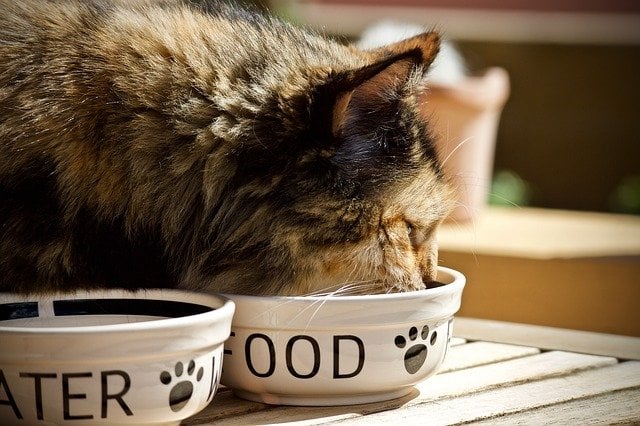
Are you struggling to get your cat to eat dry food? You’re not alone.
Many cat owners face this challenge and wonder how to make the switch without stressing their furry friend. The good news is, with the right approach, you can help your cat enjoy dry food and keep them healthy. You’ll discover simple, effective tips that make the transition smooth and stress-free—for both you and your cat.
Keep reading to find out how to make dry food a favorite for your feline companion.
Understanding Your Cat’s Preferences
Getting your cat to eat dry food often means first understanding what your cat really likes. Cats have unique tastes and textures they prefer, and ignoring these can make feeding time frustrating for both of you. Paying attention to these preferences helps you choose the right dry food and makes the transition smoother.
Texture And Crunchiness Preferences
Some cats love a crunchy texture, while others may find it off-putting. Watch how your cat reacts to different kibble shapes and sizes. Does your cat chew eagerly or just lick the food? These clues tell you whether your cat prefers a softer or harder bite.
Try offering a few brands with varying crunch levels. You might notice your cat favors smaller, bite-sized pieces or larger chunks that require more chewing. Adjusting texture can make dry food more appealing.
Flavor And Smell Sensitivity
Cats rely heavily on smell before they decide to eat. If your cat turns away from dry food, it might be the scent that’s the issue. Dry foods with strong fish or poultry aromas often attract cats more than bland-smelling options.
Experiment with flavors like chicken, salmon, or beef to see what sparks your cat’s interest. Sometimes mixing a small amount of wet food or broth can enhance the smell and encourage your cat to try dry food.
Temperature And Serving Style
Believe it or not, the temperature of the food can affect your cat’s willingness to eat dry kibble. Some cats prefer their food at room temperature rather than straight from a cold bag or container. Warming the food slightly may enhance the aroma and taste.
Also, consider how you serve the dry food. Using a flat dish or a shallow bowl can make it easier for your cat to eat, especially if they have whisker sensitivity. Does your cat eat better when food is spread out or piled up? Small changes here can make a big difference.
Observing Your Cat’s Eating Habits
Spend a few days watching your cat’s eating patterns closely. Does your cat nibble throughout the day or prefer set mealtimes? Some cats graze, while others eat quickly and then stop.
Knowing this helps you tailor feeding schedules and portion sizes. If your cat is a picky eater, smaller portions given more frequently might keep dry food fresh and enticing.

Credit: www.reddit.com
Transitioning From Wet To Dry Food
Transitioning your cat from wet to dry food requires patience and care. Cats can be sensitive to changes in their diet. Sudden switches may cause stress or digestive issues. A slow, steady approach helps your cat adjust comfortably. This process supports their health and maintains their appetite.
Gradual Mixing Techniques
Start by mixing a small amount of dry food with wet food. Use about 10% dry food to 90% wet food. Over several days, increase the dry food gradually. Aim to reach 100% dry food within two weeks. This slow change helps your cat get used to new textures and flavors.
Watch the mixture closely. Adjust the ratio based on your cat’s interest. Some cats prefer more wet food at first. Others accept dry food faster. Keep the food fresh and serve it in a clean bowl.
Monitoring Your Cat’s Reaction
Observe your cat’s eating habits during the transition. Look for signs of refusal or discomfort. Check for vomiting, diarrhea, or changes in energy. If your cat resists, slow down the transition. Return to a previous ratio until your cat adapts.
Note any changes in weight or behavior. Consult a vet if problems persist. Praise and gentle encouragement can help. Your cat’s comfort is key to success.
Enhancing The Appeal Of Dry Food
Getting your cat interested in dry food can be tricky, especially if they are used to wet food or treats. Enhancing the appeal of dry food is about making it more attractive through taste and feel. By tweaking flavor and texture, you can turn a bland meal into something your cat looks forward to.
Flavor Boosters
Adding flavor boosters can make a huge difference in your cat’s willingness to try dry food. You might sprinkle a bit of freeze-dried tuna flakes or a small amount of chicken broth over the kibble. These simple additions can excite your cat’s senses and encourage them to eat.
Another idea is mixing in a pinch of nutritional yeast or a tiny dab of plain yogurt. These can add a savory twist without overwhelming your cat’s palate. Have you noticed how cats often prefer food with strong aromas? Enhancing smell is just as important as taste.
Texture Variations
Texture plays a key role in how your cat experiences dry food. If the kibble feels too hard or too uniform, try mixing in some softer options. Adding small pieces of freeze-dried treats or lightly moistening the dry food can create a more interesting mouthfeel.
Some cats enjoy a mix of crunchy and chewy textures. Experiment by combining different brands or shapes of kibble to keep your cat curious. Have you ever seen your cat reject food simply because it felt too dry or tough? Varying texture can solve that problem quickly.

Credit: www.yahoo.com
Creating A Feeding Routine
Creating a feeding routine helps your cat adjust to dry food. Cats thrive on consistency and clear expectations. A steady schedule builds trust and comfort around meal times. This reduces stress and encourages eating habits.
Setting Consistent Meal Times
Feed your cat at the same times every day. Cats like predictability in their routine. Try offering dry food twice a day, morning and evening. Avoid leaving food out all day. Scheduled meals create a sense of security.
Stick to these times even if your cat skips a meal. This teaches your cat to eat when food is available. Avoid giving treats between meals. This keeps your cat hungry enough to eat dry food.
Portion Control
Measure the right amount of dry food for each meal. Use the recommended serving size on the packaging. Overfeeding can lead to picky eating or obesity. Underfeeding may cause your cat to refuse food.
Start with small portions and increase if needed. Watch your cat’s weight and adjust portions accordingly. Remove any uneaten food after 20-30 minutes. This helps your cat learn when it is time to eat.
Choosing The Right Dry Food
Choosing the right dry food is a key step to getting your cat to eat it happily. The right choice supports your cat’s health and suits their taste preferences. It’s not just about picking any brand off the shelf; it requires some thought about what your cat truly needs.
Nutritional Considerations
Look closely at the ingredients list. Cats need high protein and moderate fat in their diets, so choose foods where real meat is the first ingredient. Avoid dry foods with too many fillers like corn, wheat, or soy, as they don’t provide much nutrition.
Think about your cat’s age, weight, and health conditions. Kittens require more calories and different nutrients than senior cats. If your cat has kidney problems or allergies, select formulas designed for those issues.
Have you checked the guaranteed analysis on the package? It tells you the percentages of protein, fat, fiber, and moisture. Aim for a protein content of at least 30% and fat around 15-20% for most adult cats. This balance keeps them energetic and healthy.
Brand Comparisons
Not all dry cat foods are created equal. Some brands use higher-quality ingredients and better manufacturing processes than others. Comparing brands helps you find one that fits your budget without compromising your cat’s health.
| Brand | Main Protein Source | Protein % | Special Features | Price Range |
|---|---|---|---|---|
| Brand A | Chicken | 34% | Grain-free, no artificial preservatives | $$$ |
| Brand B | Salmon | 32% | Contains probiotics for digestion | $$ |
| Brand C | Turkey | 28% | Budget-friendly, added taurine | $ |
Have you noticed your cat’s reaction to different brands? Some cats show a clear preference, which can make your choice easier. Trying small bags or samples can save you money and frustration.
Addressing Health Concerns
Addressing health concerns is key to encouraging your cat to eat dry food. Cats need a balanced diet for strong teeth and good hydration. Switching to dry food can support these needs. It also helps prevent some common health issues. Understanding these benefits helps make the change easier for your pet.
Dental Benefits Of Dry Food
Dry food can help keep your cat’s teeth clean. The crunchy texture gently scrapes away plaque. This reduces the risk of dental disease. Healthy teeth mean fewer vet visits and less pain for your cat. Some dry foods are made with special shapes to improve cleaning. Regular chewing also strengthens jaw muscles.
Hydration Tips
Dry food contains less water than wet food. Cats need enough water to stay healthy and avoid urinary problems. Provide fresh water in several places around your home. Use a water fountain to encourage drinking. Mixing a small amount of wet food with dry can help increase moisture intake. Watch your cat’s water habits closely to spot any changes early.
Handling Picky Eaters
Handling picky eaters can be one of the most challenging parts of feeding your cat dry food. Cats are creatures of habit and can be very particular about their meals. Understanding why your cat refuses to eat dry food and applying gentle techniques can make the transition smoother for both of you.
Understanding Feline Behavior
Cats have sensitive taste buds and strong preferences shaped by their early experiences. If your cat grew up eating only wet food, the texture and crunch of dry food might feel unfamiliar or unappealing. Also, cats rely heavily on smell, so dry food with a less intense aroma might be rejected.
Think about your cat’s personality too. Some cats are naturally more cautious and may resist change longer. Have you noticed your cat sniffing and walking away from the bowl? That’s a sign they need more time to adjust.
Patience And Persistence
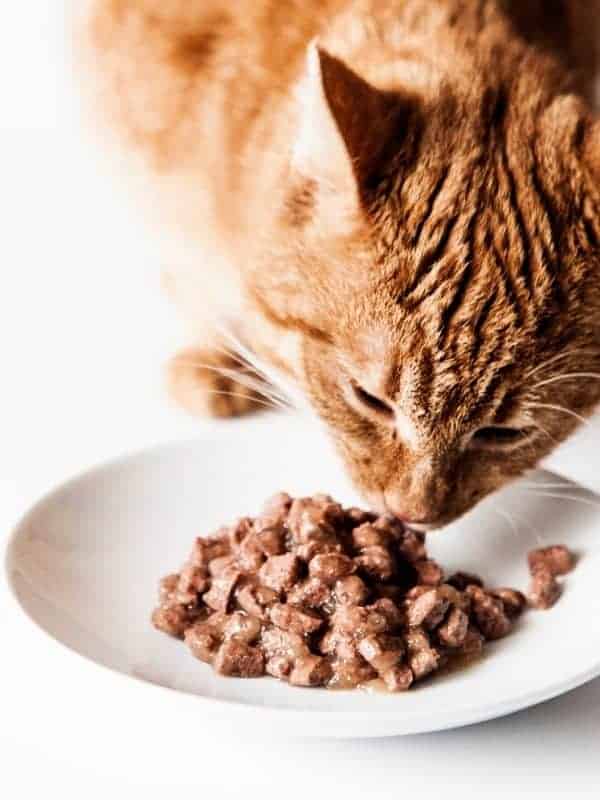
Introducing dry food requires patience. Start by mixing a small amount of dry food into their favorite wet food to create a familiar smell and taste. Gradually increase the dry food portion over several days or weeks.
Try offering dry food at different times of the day or in various locations to see what your cat prefers. Sometimes, even changing the bowl or the feeding spot can make a difference.
- Keep meal times consistent to build a routine.
- Don’t rush the process; forcing your cat to eat dry food can create negative associations.
- Observe your cat’s reactions and adjust the approach accordingly.
Have you ever noticed how your cat responds to new foods when you stay calm and encouraging? That calm approach often makes your cat feel safer and more willing to try something new.
Credit: lifeandcats.com
Consulting A Veterinarian
Getting your cat to eat dry food can be tricky, especially if they are used to wet food or homemade meals. Consulting a veterinarian is a smart move that can save you time and frustration. A vet offers expert guidance tailored to your cat’s unique needs and health status.
Nutritional Advice
Your vet can help you understand what nutrients your cat needs at different life stages. They might suggest specific dry food brands or formulas that meet those needs. Sometimes, they advise mixing dry food with a small amount of wet food or broth to make the transition easier.
Have you considered that your cat’s refusal might be due to flavor or texture preferences? Your vet can recommend options with varying kibble sizes and flavors to suit your cat’s taste. They may also teach you how to gradually switch foods without upsetting your cat’s digestion.
Health Assessments
If your cat suddenly refuses dry food, it could be a sign of underlying health issues. Your vet will perform a thorough health check to rule out dental problems, digestive issues, or allergies that might affect eating habits. Identifying these problems early can prevent serious complications.
Sometimes, a simple dental cleaning or treatment can make dry food more palatable for your cat. Has your cat experienced weight loss or changes in behavior alongside food refusal? Sharing these details with your vet helps create a precise treatment plan.
Frequently Asked Questions
How Do I Transition My Cat To Dry Food?
Gradually mix dry food with wet food over 7-10 days. Increase dry food amount daily. This helps your cat adjust to texture and taste without digestive upset.
What Can I Add To Dry Food For Flavor?
Add a small amount of warm water or low-sodium broth. This softens the kibble and releases aromas, making dry food more appealing to your cat.
How Often Should I Feed Dry Food To My Cat?
Offer dry food 2-3 times daily in measured portions. Avoid free-feeding to prevent overeating and encourage your cat to eat at regular intervals.
Can I Mix Wet And Dry Food Together?
Yes, mixing wet and dry food can encourage cats to eat dry food. Ensure the mix is fresh and remove leftovers promptly to maintain hygiene.
Conclusion
Getting your cat to eat dry food takes time and patience. Try mixing wet and dry food at first. Offer small amounts and keep the feeding area clean. Cats may need several tries before they accept dry food. Pay attention to their preferences and adjust accordingly.
Keep feeding consistent to help them form a habit. Remember, every cat is different, so be gentle and persistent. With care, your cat will learn to enjoy dry food.

Lily Purrington is the founder of MyKittyPicks.com, a cozy corner of the web dedicated to helping cat lovers discover the best cat products, furniture, toys, and home decor ideas.
A lifelong cat enthusiast, Lily shares trusted tips, honest product recommendations, and stylish inspiration designed to keep kitties happy and homes beautiful.
Her mission is simple: to bring together practical advice and purr-fect picks that make life better for cats and the people who love them.


