
Have you ever wondered if the cat litter in your home could help you deal with icy sidewalks or driveways? When winter hits, ice can become a real hazard, making your steps slippery and dangerous.
You might be looking for quick, easy solutions to melt ice without spending extra money on special products. But does cat litter actually melt ice, or is it just a clever myth? Keep reading to find out how cat litter works on ice and whether it’s a safe and effective choice for your winter needs.
This could change the way you handle icy surfaces around your home!
Credit: walkonice.com
Cat Litter Types
Cat litter comes in various types, each designed for different needs and preferences. Understanding these types helps in choosing the right one for your cat and household. Some litters are better at odor control, while others focus on ease of cleaning. The materials used in cat litter also affect its absorbency and dust levels.
Clumping Clay Litter
Clumping clay litter is made from bentonite clay. It forms hard clumps when wet, making it easy to scoop. This type controls odors well and is widely available. Clay litter can be dusty and heavy, which may not suit all cats or homes.
Silica Gel Litter
Silica gel litter contains small crystals that absorb moisture. It traps odors effectively without clumping. This litter is low dust and lightweight. It lasts longer before needing a full change, saving time and effort.
Biodegradable Options
Biodegradable cat litters use natural materials like corn, wheat, or wood. They break down quickly in the environment. These litters are often low dust and gentle on paws. Biodegradable options offer an eco-friendly choice for cat owners.
How Ice Melts
Understanding how ice melts is key when considering if cat litter can help clear icy surfaces. Ice doesn’t just disappear on its own; it undergoes physical and chemical changes influenced by its environment. Let’s break down what really happens when ice starts to melt.
Role Of Salt And Chemicals
Salt and chemicals lower the freezing point of water, causing ice to melt even when temperatures are below 32°F (0°C). This process, known as freezing point depression, is why road salt is commonly used in winter.
Cat litter typically lacks these salt compounds, so it doesn’t chemically break down ice. Instead, it may only help by providing some texture or absorbing moisture but won’t actively melt ice like salt does.
Temperature Effects
Temperature plays a crucial role in ice melting. When the air or ground temperature rises above freezing, ice naturally begins to turn back into water.
Even the best ice-melting agents can’t work well if the temperature is extremely low. So, if your cat litter is just ordinary clay or silica-based, it won’t influence the temperature or melting process.
Physical Abrasion
One practical way some cat litters help on ice is through physical abrasion. The gritty texture of certain types of cat litter can provide traction, reducing slips and falls.
This doesn’t melt ice but can make icy surfaces safer to walk on. Have you noticed how coarse sand or gravel offers better grip? Cat litter works similarly, but its effectiveness depends on the litter’s size and roughness.
Cat Litter And Ice Interaction
Cat litter does not melt ice but can help improve traction on slippery surfaces. Its gritty texture provides grip, reducing the risk of slips and falls. Using cat litter is a simple way to make icy areas safer without melting the ice itself.
Cat litter isn’t just for your feline friend’s needs. Surprisingly, it can also play a role in managing icy sidewalks during winter. Though it might not be your first choice, cat litter possesses unique qualities that make it a contender in icy conditions. Let’s explore how cat litter interacts with ice and what benefits it might offer.Absorption Properties
Cat litter is designed to absorb moisture effectively. When sprinkled on ice, it can soak up a small amount of water, potentially reducing slippery surfaces. While it won’t melt the ice, it might help manage the water layer on top, reducing the risk of slips. Think of those days when you’ve dealt with wet paws on your carpet. Just like it absorbs moisture in your home, cat litter can absorb some of the moisture on ice. This characteristic makes it a useful tool in your winter arsenal.Heat Generation Potential
Some types of cat litter, particularly those made from clay, generate a slight amount of heat when they absorb moisture. This heat isn’t enough to melt ice significantly but might warm the immediate area around the litter. This property could be a reason why some people choose cat litter as a supplement to traditional de-icing methods. However, don’t rely on it solely for melting ice; it’s more about enhancing other methods.Traction On Ice
Cat litter offers excellent traction on ice-covered surfaces. When you sprinkle it on your driveway or walkway, it provides a gritty layer that reduces slipping. Imagine walking on a slick surface covered with tiny, rough particles. That’s the kind of grip cat litter can offer, making it easier for you to maintain your balance. Keep a small bag in your car during winter for those unexpected icy patches you might encounter. Have you ever tried using cat litter on ice? What was your experience? Share your thoughts in the comments below!Comparing Cat Litter To Traditional Ice Melters
Comparing cat litter to traditional ice melters helps you understand which option suits your needs better. Both are commonly used to improve traction on icy surfaces, but they function quite differently. Let’s break down how each performs in key areas that matter to you.
Effectiveness In Melting
Traditional ice melters, such as rock salt or calcium chloride, chemically break down ice by lowering its freezing point. This means they actively melt the ice, making surfaces safer more quickly.
Cat litter, on the other hand, does not melt ice. Instead, it provides traction by adding a gritty surface on top of the ice. So, if you expect ice to disappear, cat litter won’t deliver that result.
Think about your priority: Do you want to eliminate ice or just reduce slipping? Cat litter excels in the latter but won’t replace melting agents.
Environmental Impact
Traditional ice melters often contain salts that can harm soil, plants, and waterways. These chemicals may leach into the ground and affect local ecosystems negatively over time.
Many cat litters are made from natural clay or biodegradable materials, which tend to have a lower environmental footprint. However, some clay-based litters can still cause dust or runoff issues if overused outdoors.
Choosing a product that aligns with your environmental values can make a big difference, especially if you live near sensitive areas like gardens or bodies of water.
Safety For Pets And Plants
Salt-based ice melters can irritate pets’ paws, cause digestive issues if ingested, and damage plants. You might have noticed your dog licking its paws or avoiding certain walkways after salt application.
Cat litter is generally safer for pets since it lacks harsh chemicals, but dusty varieties can cause respiratory issues if inhaled by sensitive animals. Also, some scented or clumping litters might not be ideal outdoors.
For your plants, cat litter is less likely to cause harm, but it won’t protect roots from freezing like some specialized ice melters designed with plant safety in mind.
Practical Uses Of Cat Litter On Ice
Cat litter has uses beyond keeping pets’ paws clean. It can help manage icy surfaces in several practical ways. Though it doesn’t melt ice, cat litter offers benefits for safety and mobility on slippery ground. Understanding these uses helps make winter days safer and easier to navigate.
Emergency Traction Aid
Cat litter provides extra grip on icy patches. Sprinkling it on slippery spots helps shoes and tires gain traction. This reduces slipping risks in a quick, easy way. It works well for driveways, sidewalks, and stairs. Unlike salt, cat litter does not melt ice but improves footing.
Temporary Ice Management
Using cat litter can control icy surfaces temporarily. It absorbs moisture and creates a rough surface. This makes walking or driving on ice less dangerous. It is useful during sudden cold snaps or light ice buildup. Keep in mind, it does not remove the ice itself.
Limitations To Consider
Cat litter is not a substitute for ice melt products. It does not lower ice temperature or cause melting. After snow melts, cat litter may become wet and less effective. It can create mess and needs cleanup later. Best used as a short-term solution for traction only.
Credit: www.shawlocal.com
Alternatives To Cat Litter For Ice
If you’re looking for alternatives to cat litter for melting ice, you’re not alone. Cat litter can help with traction but may not be the best choice for melting ice effectively. Luckily, there are several options that can keep your walkways safe and clear without the mess.
Salt And Sand
Salt is a classic choice for melting ice because it lowers the freezing point of water. It works fast but can be harsh on plants and concrete. Sand doesn’t melt ice but adds grip, helping prevent slips when the surface is slippery.
Many people mix salt and sand to get the best of both worlds: ice melting and traction. Have you tried combining these two before? It’s a simple way to improve safety without extra effort.
Commercial Ice Melters
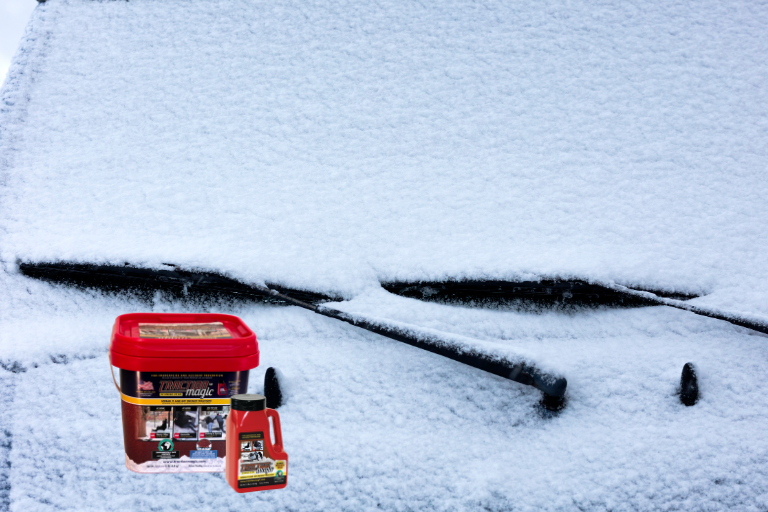
There are plenty of commercial ice melters designed specifically for different environments. Some are pet-safe, others are eco-friendly, and many work faster than household salt. These products often contain ingredients like calcium chloride or magnesium chloride, which melt ice at lower temperatures.
Using commercial ice melters can save you time and reduce damage to your driveway or lawn. Next time you shop, check the label to find a product that fits your needs and local climate.
Natural Solutions
Natural alternatives are gaining popularity for being gentle on the environment. Options like beet juice, coffee grounds, or even kitty litter made from natural materials can offer traction and some melting power. You might be surprised how effective a simple mix of these can be.
Have you ever thought about using leftover coffee grounds to tackle icy patches? It’s worth trying, especially if you’re looking for a sustainable option that reduces waste.
Credit: medium.com
Frequently Asked Questions
Does Cat Litter Help Melt Ice Effectively?
Cat litter does not melt ice. It provides traction on slippery surfaces but lacks chemicals to break ice. Use salt or commercial ice melts for melting ice safely and efficiently.
Can Cat Litter Replace Salt For Icy Sidewalks?
Cat litter cannot replace salt for melting ice. It only improves grip and prevents slipping. For melting ice, salt or specialized ice melts are needed.
Is Cat Litter Safe To Use On Icy Driveways?
Yes, cat litter is safe on driveways. It is non-toxic and provides traction but won’t remove ice. Combine with ice melt products for best results.
How Does Cat Litter Improve Safety On Ice?
Cat litter increases traction on icy surfaces. It reduces slipping risks by adding texture. However, it does not melt ice or remove it.
Conclusion
Cat litter can help melt ice to some extent. It adds grip and reduces slipping on icy surfaces. But it does not work as fast as salt or special ice melts. Use cat litter as a temporary solution for small icy patches.
Always be cautious when walking on ice, even with litter spread around. For heavy ice, better products are needed to clear it fully. Cat litter is easy to find and safe for pets and plants. Keep these points in mind when choosing ice melting options.

Lily Purrington is the founder of MyKittyPicks.com, a cozy corner of the web dedicated to helping cat lovers discover the best cat products, furniture, toys, and home decor ideas.
A lifelong cat enthusiast, Lily shares trusted tips, honest product recommendations, and stylish inspiration designed to keep kitties happy and homes beautiful.
Her mission is simple: to bring together practical advice and purr-fect picks that make life better for cats and the people who love them.


