
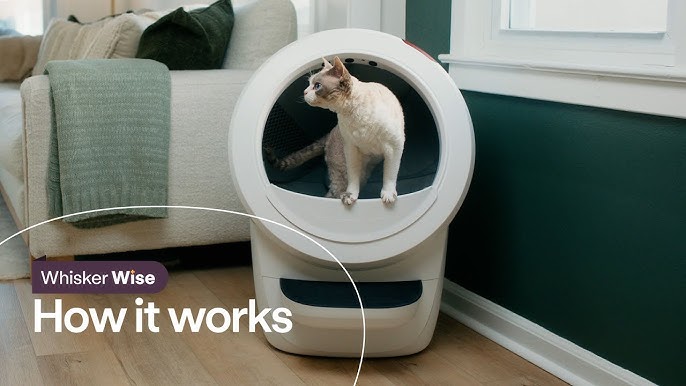
Have you ever wondered what really happens inside your cat’s litter box? Understanding how cat litter works can make a big difference for both you and your furry friend.
Whether you want to keep your home fresh or make cleaning easier, knowing the science behind cat litter will help you choose the best option. You’ll discover how cat litter absorbs moisture, controls odors, and keeps your cat comfortable. Keep reading to unlock simple secrets that can transform your daily routine and create a cleaner, happier space for your pet.
Types Of Cat Litter
Choosing the right type of cat litter can make a big difference in your daily routine and your cat’s comfort. Cat litter comes in various forms, each designed to handle odor, moisture, and waste differently. Understanding these options helps you pick the one that fits your lifestyle and your cat’s preferences.
Clay-based Litter
Clay-based litter is one of the most common types you’ll find in stores. It’s made from natural clay and is popular because it absorbs moisture well and controls odor effectively. Many cat owners appreciate how easy it is to scoop and how affordable it tends to be.
However, not all clay litters are created equal. Some use bentonite clay, which clumps tightly, while others use non-clumping clay that just absorbs moisture. Have you noticed your cat’s reaction to dusty clay litter? That dust can sometimes irritate sensitive respiratory systems.
Clumping Vs Non-clumping
Clumping litter forms solid clumps when wet, making it easier to remove urine and feces without changing the entire box frequently. This can save you time and keep the litter box smelling fresher longer. On the other hand, non-clumping litter absorbs moisture but doesn’t bind it, so you usually need to replace all the litter more often.
Think about your cleaning habits and how much time you want to spend maintaining the litter box. Some cats prefer one type over the other too, so watching your cat’s behavior can guide your choice. Does your cat like digging and covering waste, or do they seem to avoid the litter altogether?
Natural And Biodegradable Options
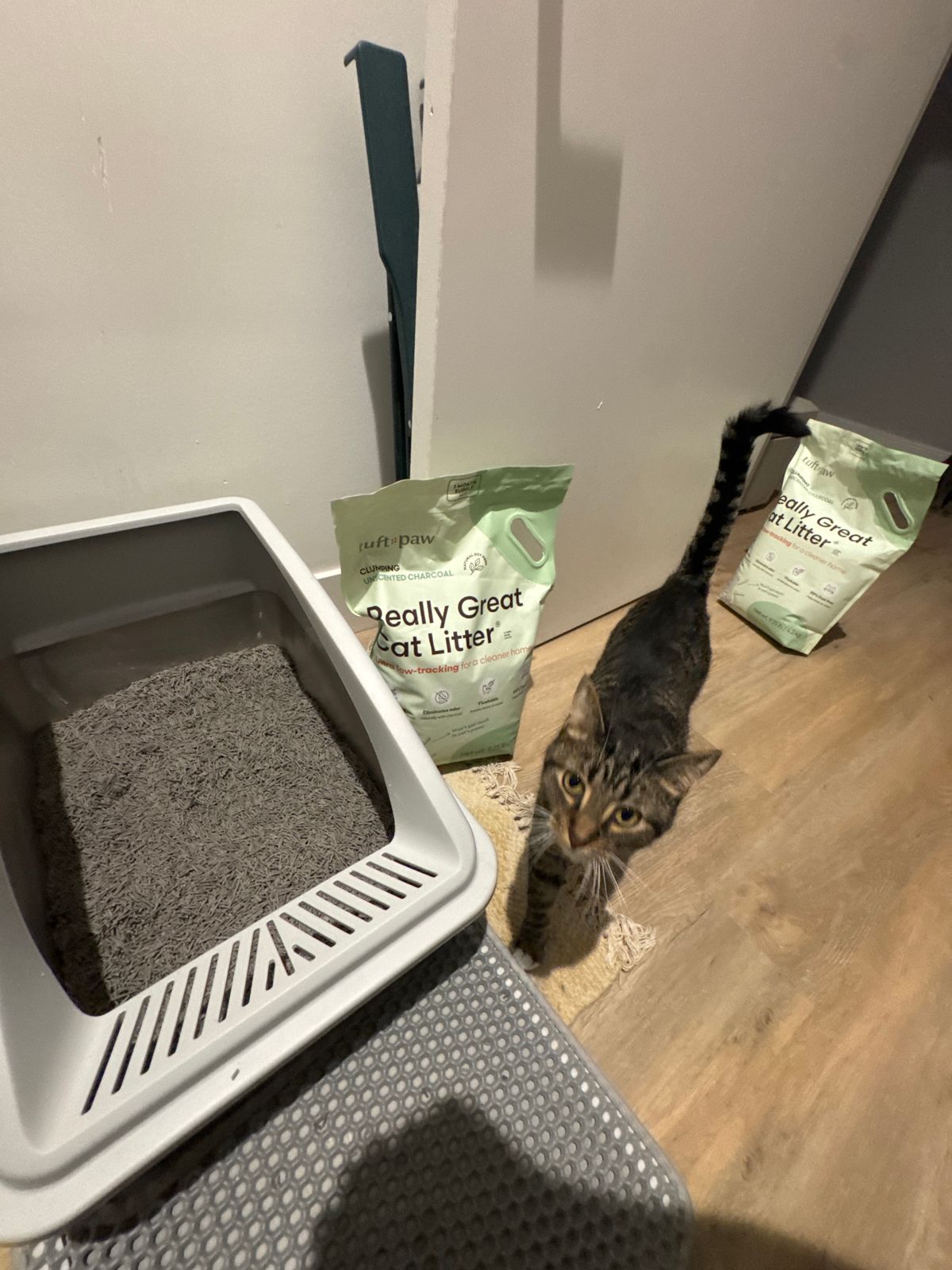
Natural litters are made from materials like corn, wheat, pine, or recycled paper. These options break down in the environment faster and are often less dusty and scented than clay-based litters. If you’re concerned about sustainability and your cat’s health, these litters can be a great alternative.
Some natural litters also clump, while others don’t, so you can find a product that matches your needs. Keep in mind that natural litters can sometimes be more expensive and might require more frequent changing. Would you prefer a litter that’s gentle on the planet and your cat’s paws?
Credit: www.tuftandpaw.com
Absorption Mechanisms
Understanding how cat litter absorbs moisture is key to keeping your home fresh and your cat comfortable. The absorption mechanisms vary depending on the type of litter you use, and each has its own way of locking in moisture and odors. Let’s dive into the specific processes that make cat litter effective at managing moisture.
How Litter Absorbs Moisture
Most cat litters are designed to pull moisture away from your cat’s waste quickly. The materials inside the litter have tiny pores or particles that soak up liquid like a sponge. This immediate absorption helps prevent the litter box from becoming soggy and uncomfortable for your cat.
Have you noticed how some litters stay dry longer than others? That’s because of the quality and type of absorbent material used. Clay-based litters, for example, contain bentonite clay, which is highly absorbent and swells when wet.
Role Of Silica Gel Crystals
Silica gel crystals work differently from clay. These tiny beads attract moisture through their porous surface and trap it inside. The crystals can hold a significant amount of liquid while remaining dry on the outside.
One surprising benefit of silica gel litter is that it controls odor without needing to clump. This makes it a low-maintenance option if you prefer less frequent cleaning. Plus, the crystals often last longer, saving you money over time.
Clumping Action Explained
Clumping litters contain substances that bind moisture and waste together, forming solid clumps. This makes scooping easier and keeps the rest of the litter clean and dry. The clumps prevent liquid from spreading, which helps control odor and mess.
Have you ever wondered why some clumps are harder than others? The strength of the clump depends on the type of clay and additives used. High-quality clumping litter can reduce how often you need to change the entire box.
Odor Control Techniques
Cat litter controls odor by absorbing moisture and trapping smells inside its granules. Special materials neutralize bad smells, keeping the area fresh. This simple process helps maintain a clean and odor-free space for cats and their owners.
Odor control is a crucial aspect of cat litter that can significantly impact your living space. No one wants their home to smell like a litter box. Cat litter manufacturers employ various techniques to combat unpleasant odors, ensuring your home remains fresh and inviting. Let’s dive into some of these odor control methods.Deodorizing Ingredients
Many cat litters contain deodorizing ingredients specifically designed to neutralize odors. Common additives include baking soda and activated charcoal. These ingredients absorb and trap odors, preventing them from spreading throughout your home. Imagine coming home and being greeted by the fresh scent of your living room rather than the smell of your cat’s litter box. That’s the power of effective deodorizing ingredients. Some litters even include natural plant extracts, offering an eco-friendly option for odor control.Bacteria And Enzyme Action
Some cat litters utilize bacteria and enzymes to break down odor-causing compounds. This biological action is both efficient and natural. Enzymes specifically target and digest the organic material in waste, resulting in reduced odors. Have you ever noticed a litter that seems to ‘clean itself’? That’s the bacteria and enzymes at work, continuously breaking down waste products. This method not only controls odor but also helps maintain a healthier environment for your cat.Masking Scents Vs Eliminating Odors
There’s a significant difference between masking scents and eliminating odors. Masking involves adding fragrances to cover up the smell, but this can sometimes lead to overpowering scents. On the other hand, eliminating odors involves neutralizing the source of the smell. Think about the last time you used a heavily scented product that just mixed with the odor instead of getting rid of it. It wasn’t pleasant, right? Opt for litters that focus on eliminating rather than just masking. You’ll enjoy a fresher, more natural atmosphere in your home. Choosing the right cat litter can transform your home environment. What odor control techniques have you found most effective?
Credit: neakasa.com
Litter Texture And Comfort
The texture of cat litter plays a crucial role in your cat’s comfort and overall experience. Cats are sensitive creatures, and the feel of litter beneath their paws can influence their willingness to use the box consistently. Paying attention to litter texture can prevent litter box avoidance and keep your feline friend happy.
Impact On Cat’s Paws
Cats have delicate paws covered with soft pads that can react to different surfaces. Rough or hard-textured litter might irritate or even hurt their paws, especially for kittens or older cats with sensitive skin.
You might notice your cat hesitating or pawing around if the litter feels uncomfortable. Softer, finer grains often mimic natural soil, encouraging your cat to dig and cover waste naturally.
Dust And Tracking Issues
Dusty litters can cause respiratory problems for both you and your cat. Fine particles become airborne when your cat digs, which can settle on furniture and floors, creating a mess.
Moreover, some textures stick to paws more than others, leading to litter tracking outside the box. Choosing low-dust, non-tracking litter can reduce cleanup time and improve air quality in your home.
Choosing The Right Texture
Look for litter that matches your cat’s preferences and health needs. If your cat has sensitive paws, opt for softer, finer grains like silica gel or clumping clay with a smooth finish.
Try different textures in small amounts to observe your cat’s reaction. Some cats prefer larger granules, while others like a sand-like texture. What works for one cat might not work for another, so patience is key.
Environmental Impact
Cat litter plays a big role in a cat owner’s daily life. Its environmental impact matters a lot. Many types of cat litter do not break down easily. This causes more waste in landfills. Understanding how litter affects nature helps us choose better options.
Biodegradability
Biodegradability means how fast a material breaks down naturally. Some cat litters are made from clay. Clay litter takes hundreds of years to degrade. It can harm soil and water nearby.
Other litters come from natural materials like corn or wood. These break down faster and cause less harm. Biodegradable litter reduces pollution and landfill space.
Waste Disposal Challenges
Disposing of cat litter is tricky. Used litter contains pet waste and bacteria. Flushing litter can clog pipes and pollute water.
Most owners throw litter in the trash. This adds to landfill waste. Some litters create dust and odors that affect air quality.
Safe disposal methods are needed to protect the environment.
Eco-friendly Alternatives
Eco-friendly litters use sustainable materials. Examples include:
- Recycled paper
- Wood pellets
- Corn-based granules
- Wheat or walnut shells
These options usually break down faster. They reduce landfill waste and pollution. Some are compostable, helping gardens grow.
Choosing eco-friendly litter helps reduce environmental harm. It supports cleaner air, soil, and water.
Maintenance Tips For Longevity
Keeping your cat’s litter box in top shape takes more than just filling it up. Proper maintenance helps the litter last longer and keeps your home smelling fresh. It also makes your cat’s experience more pleasant, which can prevent unwanted accidents around the house.
Scooping Best Practices
Remove clumps and waste at least once a day. This keeps the litter box clean and reduces odors quickly. Using a scoop with slotted holes lets clean litter fall back while trapping waste efficiently.
Try to scoop gently to avoid scattering litter outside the box. When I started scooping twice daily, I noticed less mess around the box and happier cats returning promptly.
When To Replace Litter
Completely change the litter every one to two weeks, depending on the number of cats and litter type. Even if you scoop daily, old litter loses its absorption and odor control abilities over time.
Look for signs like persistent odors, clumps sticking to the box, or a dusty appearance. These clues mean it’s time for a full refresh to keep the box inviting.
Preventing Litter Box Odors
Ventilation matters—place the box in a well-ventilated area to reduce trapped smells. Adding a thin layer of baking soda under the litter helps absorb odors without affecting your cat’s paws.
Consider litter deodorizers but avoid strong scents that may deter your cat. Regular cleaning of the box itself with mild soap and water keeps bacteria from building up, which is a common source of bad smells.

Credit: www.elspet.co.uk
Frequently Asked Questions
How Does Cat Litter Absorb Moisture?
Cat litter absorbs moisture using materials like clay, silica, or natural fibers. These materials trap urine, keeping the litter box dry and odor-free.
Why Does Cat Litter Control Odor Effectively?
Cat litter controls odor by trapping ammonia and other smells. Ingredients like baking soda or activated charcoal help neutralize unpleasant odors quickly.
What Types Of Cat Litter Are Best For Cats?
Clumping clay, silica gel, and natural biodegradable litters are popular. Choose based on your cat’s preference and ease of cleaning.
How Often Should Cat Litter Be Changed?
Change clumping litter weekly and non-clumping every few days. Regular cleaning prevents bacteria buildup and keeps the box fresh.
Conclusion
Cat litter helps keep your home clean and fresh. It absorbs moisture and controls odors well. Different types work in different ways, but all aim to make cleaning easier. Choosing the right litter depends on your cat’s needs and your preferences.
Regular cleaning keeps the litter box pleasant for your pet. Understanding how cat litter works helps you care better for your cat. A simple step that makes a big difference. Clean litter means a happy cat and a happier home.

Lily Purrington is the founder of MyKittyPicks.com, a cozy corner of the web dedicated to helping cat lovers discover the best cat products, furniture, toys, and home decor ideas.
A lifelong cat enthusiast, Lily shares trusted tips, honest product recommendations, and stylish inspiration designed to keep kitties happy and homes beautiful.
Her mission is simple: to bring together practical advice and purr-fect picks that make life better for cats and the people who love them.


