
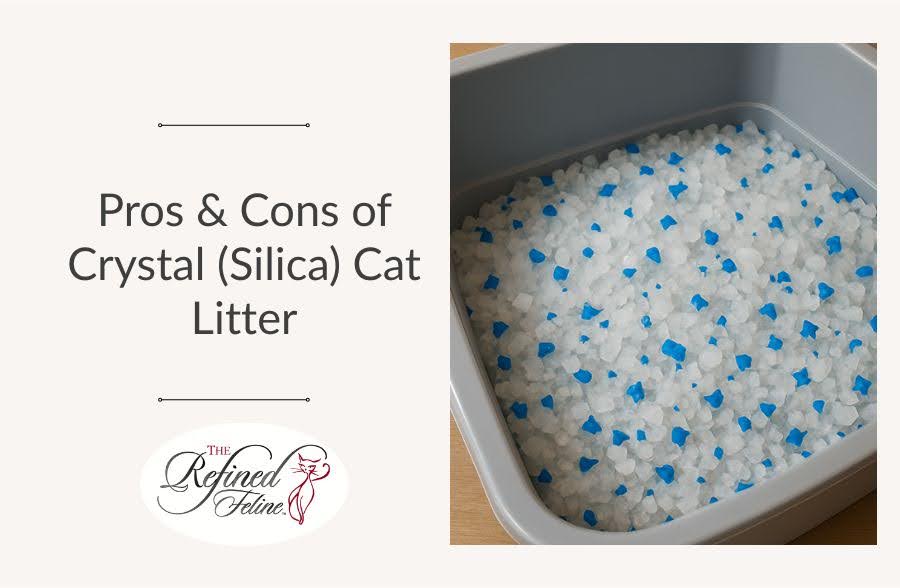
Are you wondering if silica cat litter is safe for your furry friend and your home? Choosing the right cat litter can be confusing, especially with so many options available.
You want something that keeps your cat comfortable, controls odor, and is safe for both your pet and family. Silica cat litter promises all these benefits, but is it really the best choice? Keep reading to discover the truth about silica cat litter, so you can make the smartest decision for your cat’s health and your peace of mind.

Credit: crystalcleanlitter.com
What Is Silica Cat Litter
Silica cat litter has grown popular among cat owners looking for a cleaner, low-maintenance solution for their pets’ needs. But what exactly is it, and how does it differ from other types of litter? Understanding its makeup and varieties can help you decide if it fits your lifestyle and your cat’s comfort.
Composition And Material
Silica cat litter is made from tiny beads or crystals of silicon dioxide. These crystals are highly porous, which means they absorb moisture and trap odors efficiently. Unlike traditional clay litters, silica litter doesn’t clump but instead dries out waste, making it easier to scoop and maintain.
Because it’s made from silica gel, the same substance used in many moisture-absorbing products, it’s generally dust-free and less likely to cause respiratory issues for you or your cat. Have you noticed less dust around your home after switching to silica litter?
Types Available
Silica cat litter comes mainly in two forms: crystal granules and crystal beads. Crystal granules are small, irregularly shaped pieces, while beads are round and smooth. Both types offer excellent odor control but may differ slightly in texture and absorbency.
- Crystal Granules:More common and affordable, they provide strong moisture absorption and odor control.
- Crystal Beads:Smoother texture, sometimes preferred by cats with sensitive paws.
Some brands add fragrances or natural additives like activated charcoal to enhance odor control. However, if your cat has sensitive skin or allergies, opting for unscented varieties is often safer.
Benefits Of Silica Litter
Silica cat litter offers several benefits that make it a popular choice among cat owners. Its unique composition provides effective solutions for common litter box issues. If you’re wondering whether silica litter can improve your cat care routine, understanding its advantages can help you decide.
Absorption And Odor Control
Silica litter contains tiny beads that absorb moisture quickly and lock in liquids. This ability keeps the litter box dry and reduces the chance of unpleasant odors spreading in your home.
Because the beads trap urine efficiently, you don’t have to change the entire box as often. This means less hassle for you and a fresher environment for your cat.
Have you noticed how some litters leave a strong smell even after cleaning? Silica’s absorption power helps you avoid that frustration.
Low Dust And Tracking
Many cat litters create dust that can irritate your cat’s lungs and make a mess around the house. Silica litter produces very little dust, promoting better air quality for both you and your pet.
Tracking—when litter sticks to your cat’s paws and spreads around your home—can be a constant annoyance. Silica beads are heavier and less likely to cling to fur, keeping your floors cleaner.
If you want to minimize cleaning time and protect your cat’s respiratory health, silica litter’s low dust and tracking features are worth considering.
Safety Concerns For Cats
Cats are beloved companions, and their safety is a top concern. Silica cat litter is popular for its absorbency and odor control. But is it safe for our furry friends? Understanding the safety concerns is essential for every cat owner.
Inhalation Risks
Silica cat litter can produce dust when poured. Cats may inhale this dust while using the litter box. This can cause respiratory issues in some cats. Sensitive cats may sneeze or cough. Regular exposure might worsen these symptoms.
Ingestion And Toxicity
Cats groom themselves often, licking their paws after using the litter box. This may lead to ingesting small amounts of silica. Silica is generally non-toxic, but large amounts might cause digestive issues. If a cat eats a significant amount, it could result in stomach upset. Always monitor your cat’s behavior for any signs of distress.

Credit: fscichem.com
Impact On Cat Health
Understanding how silica cat litter affects your cat’s health is crucial. Many pet owners worry about possible risks. Silica litter is popular for its absorbency and odor control. Yet, its impact on cats deserves attention. Cats are sensitive creatures, so even small irritants can cause problems.
Respiratory Effects
Silica litter creates dust when disturbed. This dust can irritate a cat’s lungs and nose. Some cats may cough or sneeze after exposure. Long-term breathing of dust may worsen asthma or allergies. Keep litter boxes in well-ventilated areas to reduce dust build-up. Regular cleaning also helps keep dust levels low.
Skin And Paw Irritation
Silica crystals are rough and can cause discomfort. Some cats develop redness or dryness on their paws. Prolonged contact may lead to small cuts or soreness. Monitor your cat’s paws for any signs of irritation. Changing the type of litter may help if irritation appears. Always wash your hands after handling litter to avoid transferring irritants.
Environmental Considerations
Considering the environmental impact of silica cat litter is important if you want to make eco-friendly choices for your pet and home. Understanding how this type of litter breaks down and how to dispose of it responsibly can help reduce its footprint. Let’s take a closer look at these factors so you can decide if silica litter fits your green lifestyle.
Biodegradability
Silica cat litter is made from silica gel beads, which are not biodegradable. Unlike natural clay or plant-based litters, these beads do not break down easily in the environment. This means they can persist in landfills for many years, contributing to long-term waste.
While silica litter is effective at absorbing moisture and controlling odors, its resistance to decomposition raises concerns. If you value biodegradable options, you might want to weigh the pros and cons carefully. Could choosing a biodegradable alternative reduce your household waste significantly?
Disposal Methods
Disposing of silica cat litter requires some thought. Because it’s not safe to flush or compost, the most common method is to throw it in the trash. However, this can increase landfill volume since the litter doesn’t break down.
Some pet owners combine silica litter with biodegradable materials in sealed bags to minimize odor and mess before disposal. Others explore local waste programs that might accept pet waste differently. Checking with your local waste management service can reveal better disposal options you might not know about.
Have you considered how your disposal habits affect the environment? Small changes, like reducing litter use or switching brands, can add up over time. What steps will you take to manage your cat’s litter in a more sustainable way?
Comparing Silica To Other Litters
Comparing silica cat litter to other types helps pet owners choose the best option. Each litter type has unique features, benefits, and drawbacks. Understanding these differences reveals which litter suits your cat’s needs and your preferences.
Clay-based Litters
Clay litters are common and affordable. They usually contain bentonite clay, which clumps when wet. Clumping makes cleaning easier. Clay litters control odor well but create dust. This dust can irritate cats and humans with allergies. Clay litter is heavier than silica, making handling harder. It also takes longer to dry wet paws. Clay litter may not last as long as silica before changing it.
Natural Alternatives
Natural litters use materials like corn, wheat, pine, or walnut shells. These litters are biodegradable and eco-friendly. They often produce less dust than clay. Many natural litters absorb moisture well and control odors naturally. Some cats dislike the texture or smell of natural litters. They may not clump as strongly as clay or silica. Natural litters often need more frequent changing. They appeal to owners who want greener options for their cats.
Tips For Using Silica Litter Safely
Using silica cat litter can be safe and effective with the right care. Understanding simple tips helps keep your cat healthy and your home clean. Paying attention to quality and cleaning routines is key. These tips reduce dust and odors while protecting your pet.
Choosing Quality Brands
Select brands with non-toxic ingredients and good reviews. Check for products that advertise low dust levels. Avoid litters with added fragrances or chemicals. Look for silica beads that are uniform in size. Trusted brands often test their products for safety. Quality silica litter lasts longer and absorbs better. This choice helps prevent respiratory issues in cats and humans.
Proper Maintenance
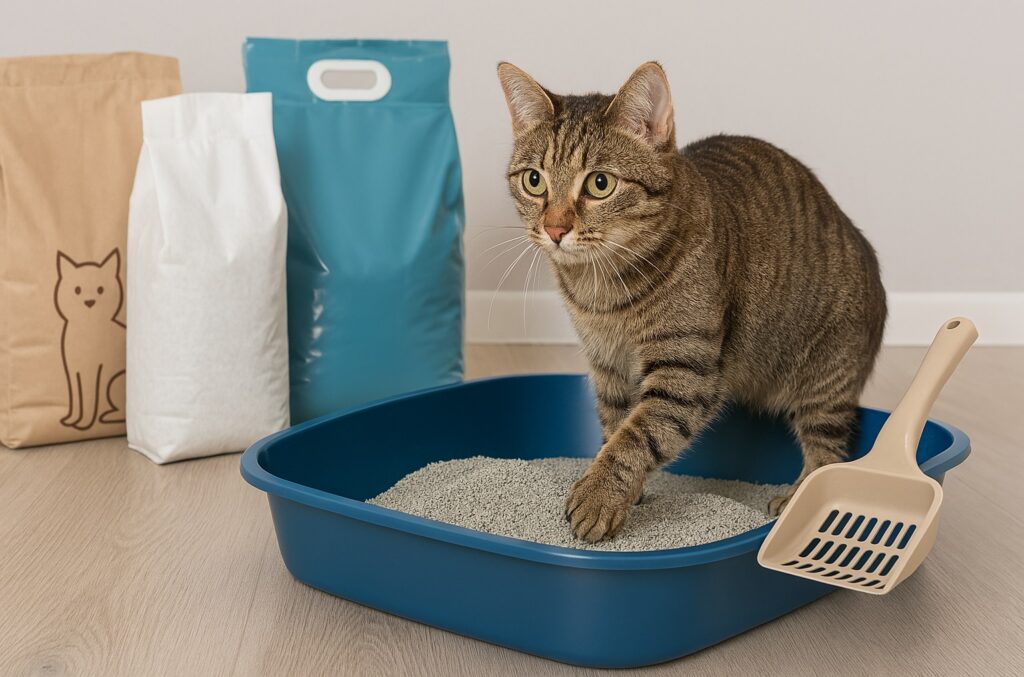
Change the litter regularly to keep it fresh. Scoop out solid waste daily to reduce smell. Stir the beads to distribute moisture evenly. Wash the litter box with mild soap weekly. Avoid harsh cleaners that leave harmful residues. Keep the litter box in a well-ventilated area. Use gloves while handling the litter to avoid irritation. Proper care extends litter life and ensures safety.
Credit: purrfectinsights.com
When To Avoid Silica Litter
Silica cat litter is popular for its odor control and low dust properties, but it’s not always the best choice for every cat or situation. Knowing when to avoid silica litter can protect your cat’s health and keep your home comfortable. Let’s look at specific conditions and sensitivities that might make silica litter a poor fit for your feline friend.
Specific Cat Health Conditions
Cats with respiratory issues like asthma or chronic bronchitis may struggle with silica litter. Although silica produces less dust than clay, tiny particles can still irritate sensitive lungs. If your cat coughs, sneezes, or shows signs of breathing difficulty after using silica litter, it’s time to consider alternatives.
Skin allergies or wounds also call for caution. Silica crystals can sometimes cause irritation or slow healing if your cat has open sores on their paws. I once switched to a softer, natural litter for a cat recovering from paw injuries, and the improvement was clear within days.
Age And Sensitivities
Older cats and kittens often have more delicate respiratory and skin health. Kittens exploring their litter box might ingest silica crystals, which could upset their stomach or cause mild digestive issues. Seniors may have weaker immune systems, making them more vulnerable to any irritants.
If your cat is particularly sensitive or has never used silica litter before, introduce it gradually and watch closely for any unusual behavior or discomfort. Are you noticing sneezing or paw licking more than usual? That could be a sign to stop using silica litter.
Frequently Asked Questions
Is Silica Cat Litter Non-toxic For Cats?
Yes, silica cat litter is generally non-toxic and safe for cats. It absorbs moisture effectively and controls odor without harmful chemicals. However, monitor your cat for any allergies or sensitivities, and consult a vet if you notice unusual symptoms.
Can Silica Litter Cause Respiratory Problems?
Silica litter produces minimal dust, reducing respiratory risks. However, excessive dust exposure can irritate sensitive cats or humans. Ensure good ventilation and avoid inhaling dust during litter changes for safety.
How Does Silica Cat Litter Control Odor?
Silica litter absorbs moisture and traps odors within its crystals. This reduces unpleasant smells efficiently for several days. Its unique structure helps maintain a fresh-smelling litter box longer than traditional clumping litters.
Is Silica Litter Safe For Kittens And Pregnant Cats?
Silica litter is generally safe for kittens and pregnant cats. However, kittens under eight weeks may be sensitive to the crystals. Always supervise young cats and consult a vet to ensure safety during pregnancy.
Conclusion
Silica cat litter can be safe when used properly. It controls odor and absorbs moisture well. Some cats may dislike the texture or dust. Always watch your cat for any signs of allergy or discomfort. Keep the litter box clean to avoid health issues.
Choose quality products made for pets. Talk to your vet if you have concerns. Safety depends on your cat’s needs and habits. Silica litter offers a convenient option for many cat owners. Use it wisely for a happy, healthy cat.

Lily Purrington is the founder of MyKittyPicks.com, a cozy corner of the web dedicated to helping cat lovers discover the best cat products, furniture, toys, and home decor ideas.
A lifelong cat enthusiast, Lily shares trusted tips, honest product recommendations, and stylish inspiration designed to keep kitties happy and homes beautiful.
Her mission is simple: to bring together practical advice and purr-fect picks that make life better for cats and the people who love them.


