

Imagine you’ve just redecorated your living room, and suddenly, there’s an unmistakable scent lingering in the air. You might wonder, “Does a neutered cat spray?”
If you’re a cat owner or considering bringing a feline friend into your home, this question is likely top of mind. Understanding your pet’s behavior is crucial for a harmonious living environment. In this blog post, we’ll unravel the mystery behind cat spraying, even after neutering.
You’ll discover why it happens, what it means for your furry companion, and how you can address it. By the end, you’ll have the knowledge you need to maintain a fresh and pleasant home atmosphere while keeping your cat happy and stress-free. So, let’s dive into the fascinating world of feline behavior and find the answers you need!

Credit: www.reddit.com
Why Cats Spray
Cats spray to mark their presence and communicate with others. This behavior is natural and serves several important roles. Understanding why cats spray helps in managing or preventing it.
Territorial Behavior
Cats use spray to mark their territory. It tells other cats, “This place is mine.” Spraying creates boundaries, reducing conflicts. Male cats spray more to protect their area. Females may spray to mark safe zones for their kittens.
Communication Through Scent
Spraying spreads a cat’s unique scent. This scent shares information about identity, mood, and reproductive status. Other cats can recognize and respond to these signals. It is a way for cats to “talk” without meeting face to face.
Stress And Anxiety Triggers
Stress causes cats to spray as a coping mechanism. Changes like new pets, moves, or loud noises can trigger this behavior. Spraying helps cats feel more secure by marking familiar scents. It signals discomfort and a need for calm surroundings.
Credit: gawa.org.uk
Impact Of Neutering On Spraying
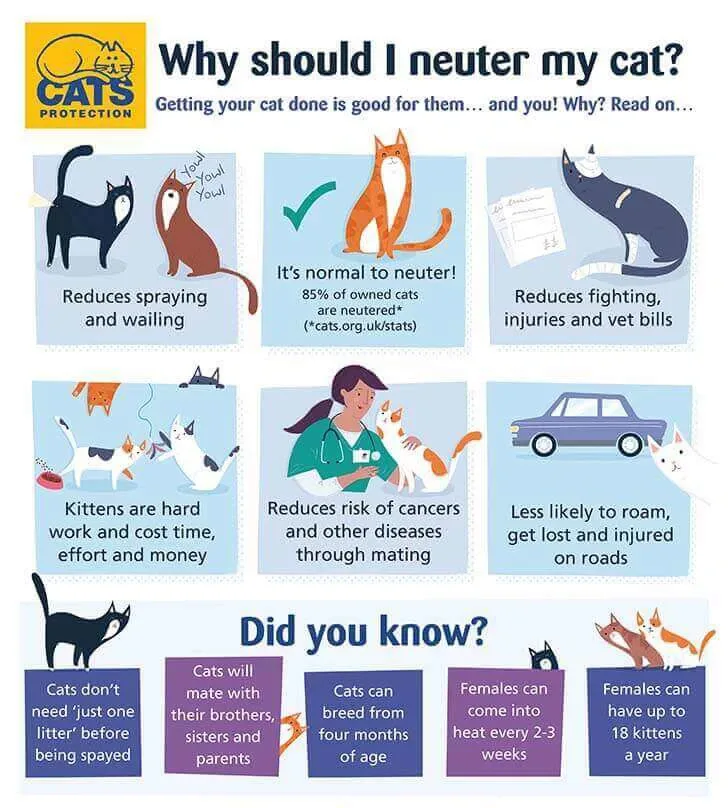
Neutering has a strong effect on a cat’s spraying behavior. Spraying is linked to hormones, so changing them changes the behavior. Many cat owners wonder if neutering stops their pets from spraying. Understanding how neutering affects hormones and behavior helps answer this question.
Hormonal Changes After Neutering
Neutering lowers the production of testosterone in male cats. This hormone drives marking behaviors like spraying. Without it, the cat’s urge to mark territory reduces. Female cats also experience hormonal shifts after spaying. These changes make them less likely to spray. Hormones have a big role in controlling this behavior.
Reduction In Spraying Frequency
Neutered cats spray less often than intact ones. The frequency can drop by over 80% in many cases. Some cats may still spray, but much less. The behavior becomes rare or stops altogether. This reduction improves home cleanliness and comfort.
Age And Timing Effects
Neutering at a young age gives better results. Cats neutered before spraying starts are less likely to spray later. Older cats who sprayed for a long time may continue after neutering. Early neutering helps prevent the habit from forming. Timing plays a key role in success.
Cases Where Neutered Cats Still Spray
Neutering often reduces spraying in cats, but it does not stop it completely. Some neutered cats still spray to mark territory or express stress. Understanding why neutered cats spray helps manage this behavior better.
Spraying is a natural way cats communicate. Neutering lowers hormones but cannot erase all causes of spraying. Here are common cases where neutered cats still spray.
Medical Issues
Health problems can cause spraying in neutered cats. Urinary tract infections often lead to frequent urination or spraying. Bladder stones or cystitis also cause discomfort and spraying.
Pets with pain or illness may spray to signal distress. A vet check is necessary to rule out medical causes. Treating health problems often stops unwanted spraying.
Environmental Stressors
Changes in the cat’s environment may trigger spraying. New pets, visitors, or loud noises can stress cats. Moving to a new home or rearranging furniture also causes anxiety.
Stress makes cats mark territory to feel safe. Providing hiding spots and quiet spaces reduces stress. Keeping routines consistent helps cats feel secure.
Behavioral Habits
Some neutered cats keep spraying out of habit. They may have learned spraying as a way to get attention. Past experiences can make spraying a repeated behavior.
Behavioral training and positive reinforcement can help. Redirecting cats to use scratching posts or toys works well. Patience and consistency are key to changing habits.

Credit: www.tnrofwarren.org
How To Stop A Neutered Cat From Spraying
Stopping a neutered cat from spraying requires patience and understanding. Spraying often signals stress or confusion. Changing your cat’s surroundings and habits can help reduce this behavior. Focus on making your cat feel safe and comfortable at home.
Environmental Enrichment
Provide toys to keep your cat active and busy. Playtime reduces stress and distracts from spraying urges. Create cozy resting spots where your cat can relax. Use scratching posts to satisfy natural instincts. A calm environment lowers anxiety and unwanted marking.
Litter Box Management
Keep litter boxes clean and odor-free. Scoop daily and change litter regularly. Place boxes in quiet, accessible spots. Use multiple boxes if you have many cats. Cats prefer fresh, private areas to eliminate.
Consulting A Veterinarian
Visit a vet to rule out medical causes. Some illnesses cause frequent urination or discomfort. The vet can suggest behavior treatments or medications. Professional advice ensures your cat’s health and well-being. Early intervention stops spraying from becoming a habit.
Preventive Measures Before Neutering
Taking preventive measures before neutering helps reduce the chances of spraying in cats. Understanding what to do before the procedure prepares both the cat and owner. It creates a smooth transition and lowers stress for your pet.
Proper preparation supports better behavior after neutering. It also improves the cat’s overall health and comfort. Focus on key steps that calm your cat and prevent unwanted habits.
Early Neutering Benefits
Neutering cats at a young age can stop spraying behaviors early. It lowers hormone levels that trigger marking. This reduces the chance of territorial spraying later in life.
- Less risk of aggression and roaming
- Lower chance of urine marking indoors
- Better adaptation to home life
- Improved social behavior with other pets
Early neutering also helps control the cat population. It keeps your cat healthier by preventing some diseases. Consult your vet about the best time for neutering.
Behavioral Training Tips
Training your cat before neutering can reduce spraying habits. Positive reinforcement encourages good behavior. Avoid punishment, as it can increase stress and marking.
- Provide scratching posts and toys
- Keep litter boxes clean and accessible
- Use pheromone sprays to calm your cat
- Spend quality time to build trust
- Discourage marking by gently redirecting the cat
Observe your cat’s triggers for spraying. Address stress and anxiety by creating a safe environment. Behavioral training supports lasting changes after neutering.
Frequently Asked Questions
Does Neutering Stop A Cat From Spraying?
Neutering significantly reduces spraying in male cats by lowering hormone levels. However, some neutered cats may still spray due to stress or territory issues.
Why Do Neutered Cats Still Spray Sometimes?
Neutered cats might spray due to anxiety, territory disputes, or medical problems. Behavioral causes often require environmental or training adjustments to stop spraying.
At What Age Should A Cat Be Neutered To Prevent Spraying?
Cats are usually neutered between 4 to 6 months old. Early neutering helps reduce the chance of spraying by preventing hormone-driven behaviors.
Can Female Cats Spray After Being Spayed?
Yes, female cats can spray after spaying, but it is less common. Spraying in females often relates to stress or environmental changes rather than hormones.
Conclusion
Neutering a cat usually reduces spraying behavior significantly. Some cats may still spray, but it happens less often. Spraying is often linked to hormones and stress. Neutering lowers hormone levels, so the urge to spray drops. Giving your cat a calm and safe space helps too.
Training and patience are key to stopping spraying. Keep your cat healthy and happy for best results. Remember, each cat is different and may need time. Neutering is a strong step toward ending unwanted spraying.

Lily Purrington is the founder of MyKittyPicks.com, a cozy corner of the web dedicated to helping cat lovers discover the best cat products, furniture, toys, and home decor ideas.
A lifelong cat enthusiast, Lily shares trusted tips, honest product recommendations, and stylish inspiration designed to keep kitties happy and homes beautiful.
Her mission is simple: to bring together practical advice and purr-fect picks that make life better for cats and the people who love them.


