

If you’re a cat owner, you might find yourself puzzled by some of their behaviors. One of the most common concerns is whether a neutered cat can still spray, and more importantly, what does it smell like?
Imagine coming home after a long day, only to be greeted by a mysterious odor that seems to have taken over your living space. It’s not just a faint scent; it’s pungent, distinct, and can leave you feeling frustrated and confused.
But before you rush to conclusions, it’s important to understand what you’re dealing with. By delving into the specifics of neutered cat spray, you’ll uncover not only what it smells like but also why it happens and how to address it. Keep reading to discover everything you need to know to bring peace—and pleasant smells—back to your home.
Why Cats Spray
Cats spray to mark their territory and communicate with other cats. This behavior is natural and serves many purposes. Understanding why cats spray helps pet owners manage and reduce this habit. It also explains the unique smell of neutered cat spray.
Territorial Behavior
Cats use spraying to mark their space. This signals to other cats that the area is taken. Both male and female cats spray to protect their territory. Neutered cats may spray less but can still mark important spots.
Communication Through Scent
Scent is a strong way cats talk to each other. Spraying leaves a smell that carries messages. It can indicate a cat’s presence, mood, or reproductive status. This scent helps cats avoid direct fights by knowing who is nearby.
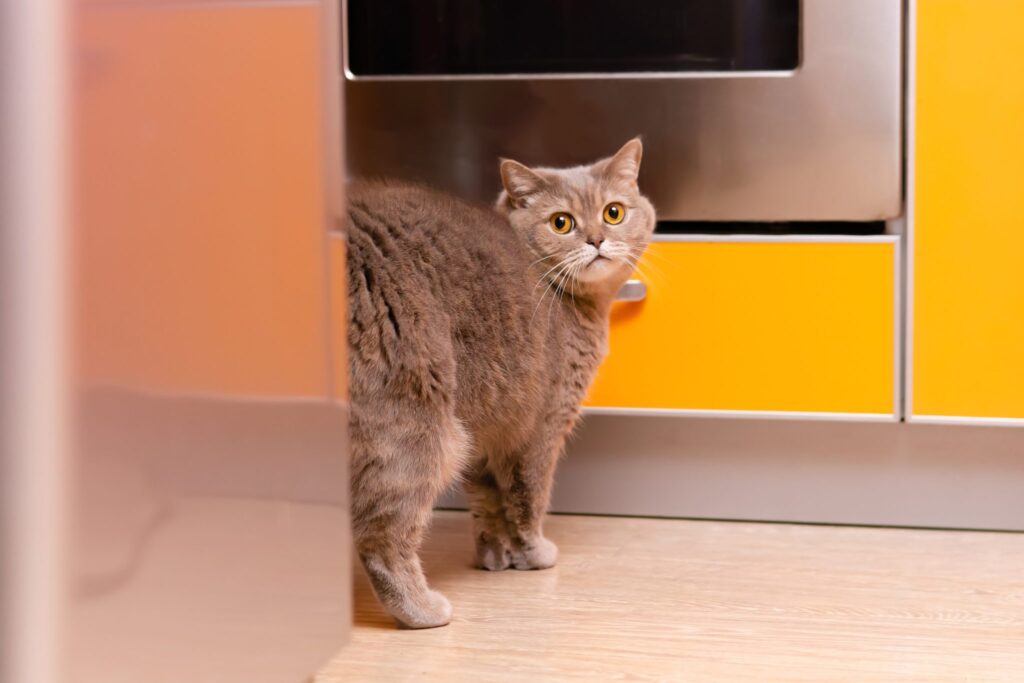
Stress And Anxiety Triggers
Stress can cause cats to spray more often. Changes in the home, new pets, or loud noises can trigger anxiety. Spraying acts as a calming signal and helps cats feel secure. Understanding these triggers can reduce unwanted spraying behavior.
Credit: caringheartsanimalhospital.com
Effect Of Neutering On Spraying
Neutering a cat brings many changes, especially in its spraying behavior. Spraying is a way cats mark their territory with a strong-smelling liquid. Neutering affects this behavior by altering the cat’s hormones and instincts. Understanding these changes helps pet owners manage and reduce spraying problems.
Hormonal Changes After Neutering
Neutering reduces the levels of male hormones like testosterone. These hormones drive many behaviors, including spraying. Lower hormone levels make cats less likely to spray. The cat’s body stops producing strong scents linked to mating and territorial marking. This change is the main reason spraying decreases after neutering.
Reduction In Spraying Frequency
Many neutered cats spray much less often or stop completely. The frequency of spraying drops because the cat feels less need to mark territory. Without strong hormones, territorial urges weaken. Spraying becomes less common in both male and female cats after neutering. The overall smell of any spray also tends to be milder.
Exceptions And Persistent Spraying
Some neutered cats continue to spray despite hormonal changes. Stress, anxiety, or changes in environment may cause this. Medical issues can also lead to persistent spraying. Neutering does not fix all causes of spraying. Owners may need to address other triggers or consult a vet for help.
Characteristics Of Neutered Cat Spray Smell
Neutered cat spray has a distinct smell that differs from intact cats. Understanding its characteristics helps pet owners manage odors better. The scent often reflects changes in hormones and behavior after neutering. It tends to be less intense but still noticeable in some cases.
Common Odor Notes
The smell of neutered cat spray usually includes:
- A mild, musky scent
- Slightly ammonia-like undertones
- A faint, earthy aroma
These notes combine to create a less pungent odor than before neutering. The scent is often described as cleaner but still animal-like.
Comparison With Intact Cat Spray
Intact male cats produce a stronger and sharper spray smell. Their spray contains more testosterone, making the odor more pungent. Neutered cats have reduced hormone levels, leading to a softer scent. The difference is noticeable, especially in multi-cat homes.
Intact cat spray often has a strong, harsh ammonia tone. Neutered cats’ spray is milder and less offensive to humans.
Factors Influencing Spray Smell
- Diet affects the intensity and type of odor.
- Health issues can change the smell, making it stronger.
- Stress or territory marking behavior increases spraying frequency and odor.
- Age and time since neutering impact how the smell develops.
Environmental cleanliness also plays a role. A clean area reduces the lingering odor from sprayed spots.
Credit: www.petco.com
Why Spray Smell Can Be Strong
The smell of a neutered cat’s spray can sometimes surprise owners with its strength. You might expect it to be faint or less intense after neutering, but that’s not always the case. Understanding why the odor can be strong helps you manage it better and stay prepared.
Chemical Composition Of Spray
The spray contains a mix of chemicals that give it a sharp, distinct odor. These include volatile fatty acids and sulfur-containing compounds, which are naturally strong-smelling.
Even after neutering, your cat’s glands still produce these chemicals, though in smaller amounts. The concentration and combination of these substances can make the smell more noticeable to you.
Role Of Pheromones
Pheromones play a key role in cat spray. They are invisible chemical messages cats use to mark territory and communicate with other cats.
Neutering reduces hormone-driven behaviors but doesn’t eliminate pheromone production entirely. This means your cat’s spray still carries those potent signals, which can make the odor linger longer and feel stronger.
Impact Of Diet And Health
What your cat eats affects the smell of their spray. Diets high in certain proteins or additives can change the chemical makeup of their urine and spray.
Health issues like urinary tract infections or kidney problems can also intensify the odor. If you notice a sudden change in smell, it’s worth checking with your vet to rule out any underlying concerns.
Managing And Reducing Spray Odor
Spray odor from neutered cats can be strong and unpleasant. Managing and reducing this smell helps keep your home fresh. It also improves your cat’s comfort and behavior. Several approaches can help control and minimize spray odors effectively.
Cleaning Techniques
Cleaning spray spots quickly is essential. Use enzyme-based cleaners to break down odor molecules. Avoid ammonia or bleach as they can worsen the smell. Blot the area with paper towels before cleaning. Wash any fabrics or carpets that are sprayed. Repeat cleaning if the smell lingers. Proper cleaning removes both the stain and the source of odor.
Behavioral Modifications
Neutered cats may still spray due to stress or marking instincts. Provide a calm and safe environment to reduce stress. Increase playtime and interaction to distract your cat. Keep litter boxes clean and in quiet places. Use pheromone diffusers to calm anxious cats. Monitor your cat’s behavior for triggers and avoid them. These steps help lower the frequency of spraying.
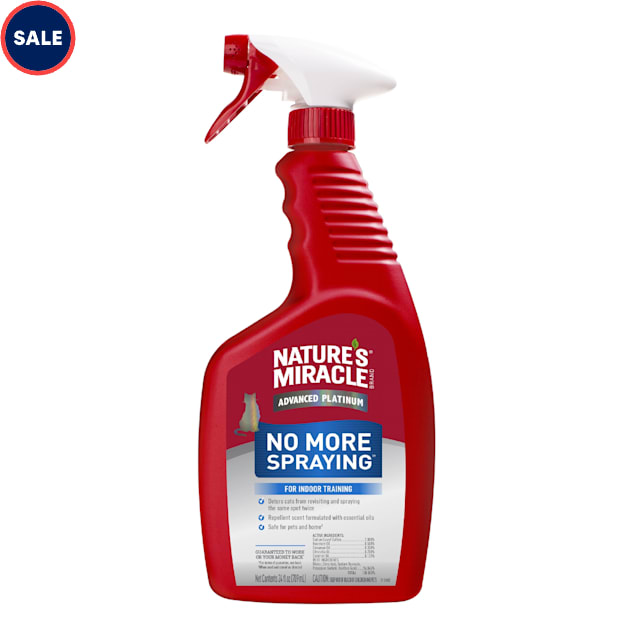
Use Of Deterrents And Sprays
Deterrent sprays can discourage cats from marking areas again. Choose products safe for pets and tested for effectiveness. Apply deterrents on surfaces your cat targets. Use motion-activated devices to startle cats gently. Change the environment by covering or blocking sprayed spots. Consistent use of deterrents helps reduce spray odor over time.
When To Consult A Veterinarian
Knowing when to consult a veterinarian about your neutered cat’s spraying habits is key to addressing the issue effectively. While some occasional spraying might be normal, persistent or unusual smells can indicate deeper problems. Understanding the signs helps you act before the situation worsens.
Persistent Spraying Issues
If your neutered cat continues to spray frequently despite being neutered, it’s time to seek professional advice. Persistent spraying can be a sign that something in your cat’s environment or routine is stressing them out. Your vet can help identify triggers and suggest solutions tailored to your cat’s specific situation.
Health Concerns Related To Spray
Sometimes, the smell of spray can point to underlying health problems like urinary tract infections or bladder stones. If your cat’s spray has a strong, foul odor or is accompanied by signs like straining to urinate or blood in the urine, don’t wait to see a vet. Early diagnosis can prevent pain and complications.
Behavioral Therapy Options
When spraying is driven by anxiety or behavioral issues, vets often recommend therapy options beyond medication. They might suggest environmental enrichment, pheromone diffusers, or behavior modification techniques. Have you noticed if changes in your home, like a new pet or moving furniture, coincide with your cat’s spraying? Sharing these details with your vet can improve the outcome.
Credit: www.petscare.com
Frequently Asked Questions
What Does Neutered Cat Spray Typically Smell Like?
Neutered cat spray usually has a mild, musky odor. It is less pungent than intact cats’ spray but still noticeable. The smell comes from natural oils and pheromones in the urine. It can vary depending on the cat’s diet and health.
Why Do Neutered Cats Still Spray Urine?
Neutered cats may spray to mark territory or reduce stress. Spraying can be behavioral or due to medical issues. Neutering lowers hormone-driven spraying but doesn’t eliminate it entirely. Understanding triggers helps manage and reduce this behavior effectively.
How To Reduce Or Eliminate Neutered Cat Spraying?
Use enzymatic cleaners to remove odor completely from sprayed areas. Provide a stress-free environment and multiple litter boxes. Consult a vet if spraying persists, as medical issues might be involved. Behavioral training and pheromone diffusers can also help.
Is Neutered Cat Spray Harmful To Humans Or Pets?
Neutered cat spray is not harmful to humans or other pets. The odor is unpleasant but non-toxic. Proper cleaning prevents staining and odor buildup. Regular litter box maintenance reduces spraying incidents and keeps your home fresh.
Conclusion
Neutered cat spray usually has a mild, musky smell. It is less strong than before neutering. This scent comes from natural oils, not urine. Many people find it easy to clean. Knowing what to expect helps you stay calm. You can keep your home fresh with simple cleaning.
Remember, your cat’s spray is part of normal behavior. Understanding this helps you care for your pet better.

Lily Purrington is the founder of MyKittyPicks.com, a cozy corner of the web dedicated to helping cat lovers discover the best cat products, furniture, toys, and home decor ideas.
A lifelong cat enthusiast, Lily shares trusted tips, honest product recommendations, and stylish inspiration designed to keep kitties happy and homes beautiful.
Her mission is simple: to bring together practical advice and purr-fect picks that make life better for cats and the people who love them.


