

Have you ever spotted a mole scurrying around your yard and wondered if it could harm your cat? You might be asking yourself, “Do moles carry diseases to cats?” It’s natural to worry about your furry friend’s health, especially when unexpected creatures show up near your home.
Understanding the risks moles might pose can help you protect your cat better. Keep reading to discover the truth about moles and whether they can really make your cat sick. This knowledge could save your pet from hidden dangers you never thought about.
Moles And Their Habitats
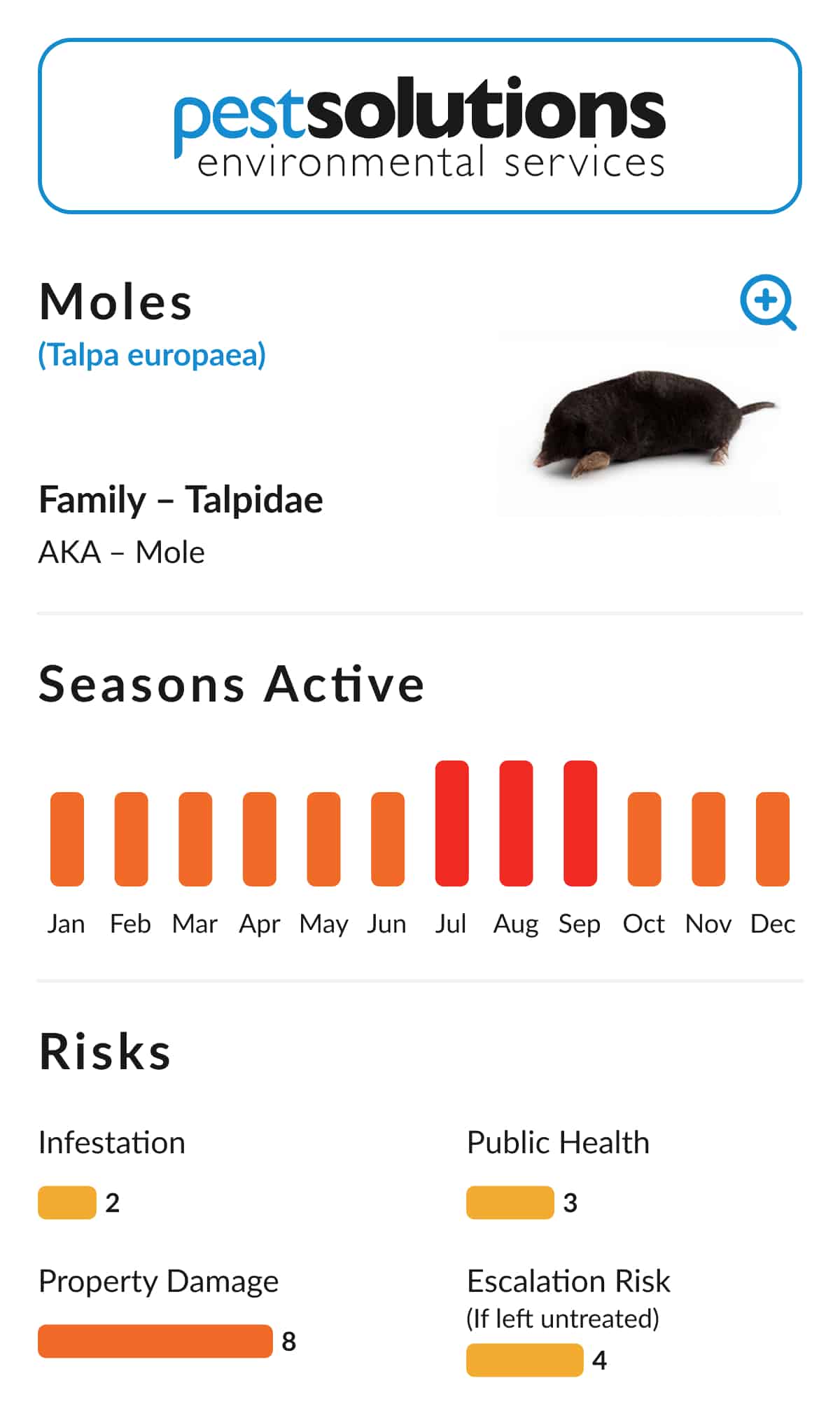
Moles are small mammals that live underground. They create tunnels and burrows to move around. Understanding where they live helps us learn about their habits.
This article looks at common mole species, their homes, and how they behave in nature.
Common Mole Species
There are many types of moles. The most common ones include the Eastern mole, the European mole, and the Star-nosed mole. Each has unique features.
- Eastern Mole:Found in North America, with dark fur and strong front paws.
- European Mole:Common in Europe, known for its pointed snout.
- Star-nosed Mole:Has a star-shaped nose, lives near water.
Where Moles Live
Moles prefer moist, loose soil where digging is easy. They often live in forests, grasslands, and gardens. Their tunnels help them find food underground.
| Habitat | Description |
| Forests | Shady areas with rich soil and lots of insects. |
| Grasslands | Open lands with soft soil and few roots. |
| Gardens | Human-made areas with loose soil and plants. |
| Wetlands | Near water sources, good for star-nosed moles. |
Behavioral Traits
Moles spend most of their time underground. They are mostly active at dawn and dusk. Their diet mainly includes worms and insects.
- Dig extensive tunnel systems for travel and hunting.
- Use their sensitive noses to find food in the dark.
- Live alone except during breeding season.
- Can dig up to 18 feet in one hour.

Credit: trapyourmoles.com
Mole-borne Diseases
Moles live underground and can carry diseases. These diseases may affect cats if they come in contact with moles or their environment.
Understanding the types of diseases moles carry is important for keeping your cat safe and healthy.
Types Of Diseases Moles Carry
Moles can carry several diseases that might affect cats. Some common mole-borne diseases include:
- Leptospirosis: A bacterial infection that affects the liver and kidneys.
- Tularemia: A disease caused by bacteria that can cause fever and swelling.
- Hantavirus: A virus that causes respiratory problems.
- Fleas and Ticks: Parasites that can carry other infections.
Transmission Methods
Diseases from moles can spread to cats in different ways. Cats may get infected through:
- Direct contact with a mole or its blood.
- Bites from fleas or ticks that live on moles.
- Contact with soil or water contaminated by mole urine.
- Eating or playing with dead or live moles.
Symptoms In Animals
Cats infected by mole-borne diseases may show different symptoms. Watch for signs like:
| Symptom | Description |
| Fever | High body temperature |
| Weakness | Low energy and tiredness |
| Swelling | Inflammation of skin or joints |
| Breathing problems | Difficulty breathing or coughing |
| Loss of appetite | Refusing to eat or drink |
Risks To Cats
Moles are common small animals found in many gardens and yards. Cats may come across moles during their outdoor adventures. Understanding the risks moles pose to cats is important for pet owners.
This article looks at how cats meet moles, the health threats moles may carry, and some reports of mole-related issues in cats.
How Cats Encounter Moles
Cats can meet moles while hunting or exploring outside. Moles live underground but sometimes come to the surface, especially at night or in wet soil.
- Cats may try to catch moles that appear above ground.
- They can find mole tunnels while digging or walking in the garden.
- Curious cats may sniff or paw at moles they find.
Potential Health Threats
Moles can carry parasites and bacteria that may harm cats. While moles are not known to spread major diseases directly, their parasites can be risky.
| Threat | Description | Risk to Cats |
| Fleas | Moles often carry fleas that can jump on cats. | Itchy skin, infections |
| Ticks | Ticks from moles may attach to cats and spread diseases. | Lyme disease, anemia |
| Internal Parasites | Moles can have worms that cats might ingest. | Digestive issues, weight loss |
| Bacterial Infection | Bacteria from mole bites or scratches may infect cats. | Swelling, fever |
Case Studies And Reports
Some veterinarians have reported cases where cats got sick after contact with moles. These reports help us learn about the risks.
- A cat developed skin irritation after catching a mole with fleas.
- One cat showed signs of tick-borne illness after outdoor exposure near mole tunnels.
- Another cat had a mild bacterial infection after a mole bite wound.
Preventing Exposure
Moles can carry parasites and germs that might harm cats. It is best to keep cats safe from moles.
Preventing exposure helps lower health risks and keeps cats happy and healthy.
Safe Yard Practices
Keep your yard clean to reduce mole activity. Remove piles of dirt and cover holes.
Use barriers or fences to keep moles away from your cat’s play areas.
- Fill mole tunnels with soil or sand
- Trim grass regularly to spot mole activity
- Keep compost and trash sealed
Supervising Outdoor Time
Watch your cat closely when outside. Stop them from digging or chasing moles.
Bring your cat indoors if you see mole activity nearby. This limits contact with possible diseases.
- Use a leash or harness for controlled outdoor time
- Keep cats away from mole hills and tunnels
- Check your cat’s fur and paws after outdoor play
Preventive Vet Care
Take your cat to the vet for regular check-ups. Early detection of illness helps keep cats safe.
Ask the vet about vaccines and parasite prevention to protect your cat from diseases spread by moles.
- Schedule yearly health exams
- Use flea and tick preventives
- Watch for signs of illness like coughing or lethargy
When To Seek Veterinary Help
Moles can sometimes carry diseases that affect cats. It is important to watch your cat closely if it encounters a mole.
Knowing when to get veterinary help can protect your cat from serious health issues.
Warning Signs In Cats
Look for changes in your cat’s behavior after contact with a mole. Early signs can show if your cat is sick.
Signs include unusual tiredness, loss of appetite, or skin problems around the bite area.
- Swelling or redness on the skin
- Scratching or biting the affected spot
- Fever or shivering
- Vomiting or diarrhea
- Sudden weakness or limping
Diagnostic Procedures
The vet will check your cat’s skin and overall health. They may take blood tests or skin samples.
These tests help find infections or parasites that moles might carry.
- Physical exam focusing on bite or scratch areas
- Blood tests to detect infections
- Skin scrapings to identify parasites
- X-rays if deeper tissue damage is suspected
Treatment Options
Treatment depends on the infection or injury. The vet may use medicines or wound care.
Follow the vet’s instructions carefully to help your cat heal well.
- Antibiotics for bacterial infections
- Anti-parasitic drugs if parasites are found
- Cleaning and dressing wounds
- Pain relief medication if needed
- Rest and monitoring for recovery
Credit: www.pestsolutions.co.uk
Credit: www.pestsolutions.co.uk
Frequently Asked Questions
Do Moles Carry Diseases Dangerous To Cats?
Moles generally do not carry diseases that affect cats. They live underground and rarely interact with pets. However, bites or scratches from moles could cause minor infections, so monitor your cat if contact occurs.
Can Moles Transmit Parasites To Cats?
Moles can carry parasites like fleas or ticks, which may transfer to cats. While rare, these parasites can cause health issues. Regular flea and tick prevention is important to protect your cat.
Should I Worry About Mole Bites On My Cat?
Mole bites on cats are uncommon and usually not serious. If your cat is bitten, clean the wound and watch for swelling or infection. Consult a vet if symptoms worsen.
How Can I Protect My Cat From Mole-related Risks?
Keep your cat indoors or supervise outdoor play to limit mole encounters. Maintain a clean yard to discourage moles. Use vet-recommended parasite preventatives regularly to reduce risks.
Conclusion
Moles rarely carry diseases that harm cats. Most moles live underground and avoid pets. Cats are unlikely to catch illnesses from moles. Still, watch your cat for unusual signs after mole contact. Keep your pet’s vaccinations and check-ups up to date.
If you notice swelling, redness, or unusual behavior, visit the vet. Staying cautious helps protect your cat’s health. Moles are more of a curiosity than a real threat. Simple care and attention keep your cat safe and happy.

Lily Purrington is the founder of MyKittyPicks.com, a cozy corner of the web dedicated to helping cat lovers discover the best cat products, furniture, toys, and home decor ideas.
A lifelong cat enthusiast, Lily shares trusted tips, honest product recommendations, and stylish inspiration designed to keep kitties happy and homes beautiful.
Her mission is simple: to bring together practical advice and purr-fect picks that make life better for cats and the people who love them.


