
Have you ever wondered if having a cat really keeps mice away from your home? If you’re tired of those tiny intruders sneaking around your kitchen or basement, you might be counting on your furry friend to do the job.
But does a cat truly prevent mice, or is it just a myth? You’ll discover the surprising truth about how cats and mice interact—and what that means for your home. Keep reading to find out if your cat is the secret weapon you’ve been hoping for.
Credit: www.petscare.com
Cats As Natural Hunters
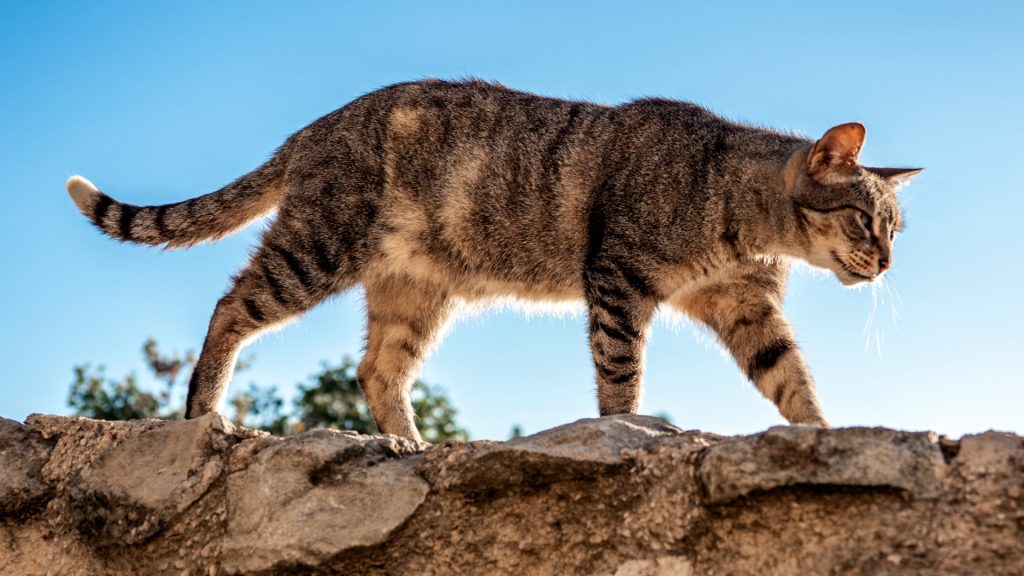
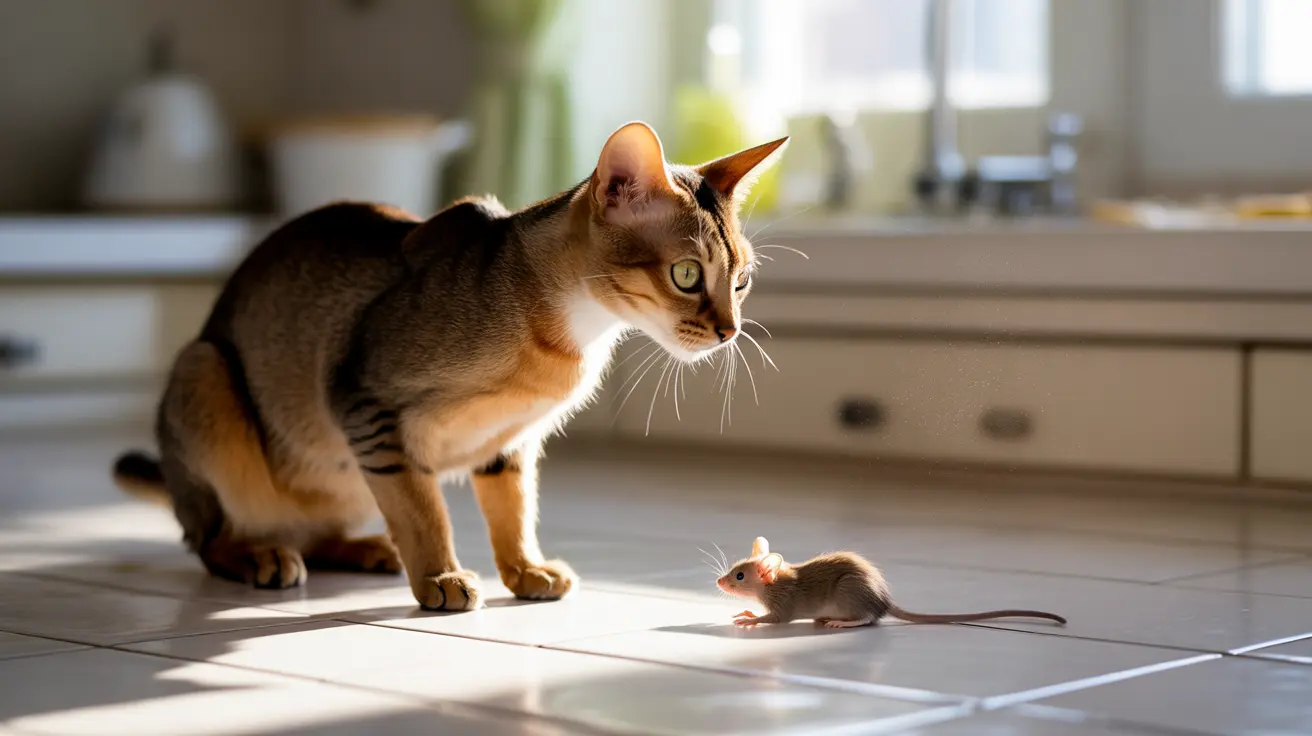
Cats have hunted small animals for thousands of years. Their skills help keep mice away from homes and farms.
Understanding how cats hunt can show why they are good at controlling mouse populations.
Instincts Behind Mouse Hunting
Cats use their natural instincts to detect and catch mice. Their sharp senses guide them in hunting.
- Strong eyesight helps spot small movements.
- Excellent hearing detects quiet mouse sounds.
- Quick reflexes allow fast pouncing.
- Stealth keeps them hidden while stalking prey.
- Patience lets them wait for the right moment to strike.
Breed Differences In Hunting Skills
Not all cats hunt mice the same way. Some breeds have better hunting skills than others.
| Cat Breed | Hunting Skill Level | Special Traits |
| American Shorthair | High | Strong build, quick reflexes |
| Siamese | Medium | Agile and alert |
| Persian | Low | Calm, less active |
| Maine Coon | High | Large size, powerful hunter |
| Ragdoll | Low | Relaxed and gentle |

Credit: www.petscare.com
Effectiveness Of Cats In Mouse Control
Cats are often seen as natural hunters that keep mouse populations low. Their presence can reduce the number of mice in some areas.
Understanding how cats find and chase mice helps us see how useful they are in pest control. It also shows their limits in stopping mice fully.
How Cats Detect And Chase Mice
Cats use strong senses to detect mice. Their sharp hearing and smell help them locate hidden mice quickly.
- Good hearing catches small mouse sounds.
- Strong sense of smell tracks mouse trails.
- Quick reflexes help cats catch mice fast.
- Stealthy movements allow cats to sneak up on prey.
Once a cat senses a mouse, it often stalks silently before chasing. This hunting skill makes cats effective in catching mice.
Limitations Of Cats In Pest Prevention
Cats are not always perfect for stopping mice. Some mice live in places where cats cannot reach.
| Limitations | Description |
| Access | Mice hide in walls or small holes beyond cats’ reach. |
| Cat Interest | Some cats may ignore mice or lose hunting interest. |
| Mouse Numbers | Large infestations need more than just cats to control. |
| Safety | Cats can catch diseases from rodents. |
Because of these limits, cats alone cannot fully prevent mouse problems in all places.
Alternatives To Cats For Mouse Prevention
Cats are known for catching mice, but they are not the only option. There are other ways to keep mice away from your home.
These alternatives can help control mice without needing a pet cat. Let’s explore some effective options.
Traps And Baits
Traps catch mice quickly and safely. You can use snap traps or live traps to remove mice from your space.
Baits lure mice to traps or poison. Use bait carefully and follow instructions to keep pets safe.
- Snap traps kill mice instantly
- Live traps catch mice unharmed for release
- Bait stations attract mice to poison or traps
- Place traps where mice are active
Sealing Entry Points
Mice enter homes through small holes and cracks. Sealing these stops them from coming inside.
Use materials like steel wool, caulk, or metal mesh to block entry points. Check doors, windows, and pipes.
- Inspect walls and foundations for gaps
- Seal holes larger than a quarter inch
- Use durable materials that mice cannot chew
- Keep doors and windows closed tightly
Ultrasonic Repellents
Ultrasonic repellents send high-frequency sounds that mice dislike. These sounds are silent to humans.
Place the devices in areas where mice appear. They can help reduce mouse activity but may not work for all cases.
- Safe for humans and pets
- Needs power supply or batteries
- Works best in small, enclosed spaces
- May require multiple units for full coverage
Health And Safety Considerations
Cats are often used to keep mice away. Many people believe cats stop mice from entering homes. But it is important to think about health and safety when using cats for this job.
Relying only on cats to control mice may not be safe. There are risks to both humans and cats themselves. Understanding these risks helps keep everyone safe.
Risks Of Relying Solely On Cats
Cats can catch some mice, but they may not stop all of them. Mice can hide in places cats cannot reach. This means mice can still cause problems.
Relying only on cats can give a false sense of safety. Mice may spread quickly if other control methods are not used. Also, cats can get hurt or sick from fighting mice.
- Cats may miss some mice hiding in walls or ceilings.
- Mice can reproduce fast, making cats unable to catch all.
- Cats can get bites or scratches from mice, causing infections.
- Using cats alone might let mice damage food and property.
Preventing Disease Transmission
Mice carry germs that can make people and pets sick. Cats can get some diseases from mice, too. It is important to watch for signs of illness in cats.
Keep cats healthy by regular vet visits and vaccines. Wash hands after handling cats or cleaning areas with mice. Clean up mouse droppings safely to stop germs from spreading.
- Mouse droppings can carry harmful bacteria and viruses.
- Cats can get parasites from eating mice, like fleas or ticks.
- Humans should avoid touching mouse droppings and urine.
- Use gloves and disinfectants when cleaning mouse areas.
Creating A Mouse-free Home Environment
Cats can help keep mice away, but a clean home is also very important. Mice look for food and shelter in messy places.
Keeping your home clean and storing food properly can stop mice from entering. These steps work well with having a cat.
Maintaining Cleanliness
Cleaning regularly removes places where mice hide. Sweep floors and wipe counters to remove crumbs.
Check for clutter, like boxes or piles of clothes. Mice use these as nests. Keep your home tidy to reduce mouse shelter.
- Vacuum and sweep floors often
- Clear away stacks of paper and boxes
- Clean kitchen surfaces every day
- Fix leaks and dry wet areas
Proper Food Storage
Store food in sealed containers to stop mice from smelling it. Use glass or hard plastic containers with lids.
Do not leave pet food out overnight. Clean up crumbs and spills quickly to avoid attracting mice.
- Use airtight containers for all food
- Keep pantry shelves clean and dry
- Do not leave food bags open
- Store garbage in bins with tight lids

Credit: www.oharapestcontrol.com
Frequently Asked Questions
Can Cats Effectively Keep Mice Away From Homes?
Yes, cats are natural hunters and can deter mice. Their presence and scent often scare rodents off. However, effectiveness varies by cat’s hunting instinct and environment.
Do Indoor Cats Help Control Mouse Infestations?
Indoor cats may catch occasional mice but usually have less impact. Mice often hide well indoors, limiting cats’ hunting success. Outdoor or barn cats are more effective.
How Do Cats Detect And Hunt Mice?
Cats use keen senses like smell and hearing to locate mice. They stalk silently and pounce quickly. This hunting behavior helps reduce mouse populations naturally.
Are All Cat Breeds Good At Catching Mice?
No, some breeds are more skilled hunters than others. Breeds like Maine Coons and American Shorthairs excel. Personality and individual hunting drive also matter.
Conclusion
Cats can help keep mice away from your home. Their presence alone may scare mice off. Cats also hunt and catch mice when they find them. Still, not every cat will chase mice all the time. Using cats along with traps or other methods works best.
A cat can reduce mice but may not stop them completely. Think of cats as part of a bigger plan to control mice. They add natural protection to your house. Consider your cat’s behavior and needs before relying on them.
Safe, gentle care helps both cats and your home stay happy.

Lily Purrington is the founder of MyKittyPicks.com, a cozy corner of the web dedicated to helping cat lovers discover the best cat products, furniture, toys, and home decor ideas.
A lifelong cat enthusiast, Lily shares trusted tips, honest product recommendations, and stylish inspiration designed to keep kitties happy and homes beautiful.
Her mission is simple: to bring together practical advice and purr-fect picks that make life better for cats and the people who love them.


