
Have you ever wondered what really happens when cats mate? One question that might surprise you is: do cats knot when mating?
If you’ve noticed cats behaving strangely during their mating process or heard about this curious “knotting” term, you’re not alone. Understanding this behavior can help you better care for your feline friends and satisfy your curiosity. Keep reading to discover the truth behind this fascinating and often misunderstood aspect of cat mating.
Credit: cats.fandom.com
Cat Mating Basics
Understanding cat mating basics helps explain their unique reproductive behavior. Cats have specific mating rituals and roles for males and females. This knowledge clears up common questions, like whether cats knot during mating.
Mating Behavior In Cats
Cats show clear signs when ready to mate. Female cats enter heat cycles several times a year. They vocalize loudly and become more active. Males detect this and compete for her attention.
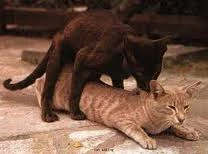
During mating, the female may hiss or scratch. This is normal and part of the process. The male mounts from behind and bites the female’s neck gently. The act is quick, usually lasting less than a minute.
Role Of Male And Female Cats
The male cat’s role is to locate a female in heat. He follows her scent and displays dominance to win mating rights. After mating, he often leaves to find other females.
The female controls when and how often she mates. She may mate with several males during one heat cycle. This increases the chances of healthy kittens. After mating, she raises her kittens alone.
What Is Knotting In Cats
Understanding what knotting means in cats is important for pet owners and animal lovers. Knotting refers to a natural part of the mating process. It happens when the male cat’s reproductive organ swells inside the female, creating a temporary connection.
This connection can last from a few minutes to over half an hour. The process helps ensure successful reproduction. It might look strange or uncomfortable, but it is a normal behavior in cats.
The Anatomy Behind Knotting
The male cat has a unique reproductive organ called the penis with barbs. These barbs point backward and cause the swelling during mating. The swelling forms a “knot” that locks the male inside the female.
This knot prevents the male from pulling out quickly. The female’s vaginal muscles tighten around the swollen part. This physical connection is key to the mating process and helps sperm transfer.
Why Knotting Occurs
Knotting happens to improve the chances of fertilization. The lock keeps the male and female connected long enough for sperm to move inside. It also stimulates ovulation in the female.
The process reduces the chance of other males mating with the female right away. It is a natural way to increase reproductive success. Though it may seem odd, knotting is an essential part of cat mating behavior.
Duration And Process Of Knotting
The duration and process of knotting in cats is a fascinating part of their mating behavior. Knotting happens after the male cat mounts the female. It involves a physical connection that helps with successful reproduction.
This connection is unique to cats and some other animals. It ensures that the male’s sperm has a better chance of fertilizing the female’s eggs. Understanding this process helps clarify many myths about cat mating.
How Long Cats Remain Knotted
Cats usually remain knotted for a short time. The knot can last from a few minutes up to around 30 minutes. This time allows the male’s reproductive organs to stay inside the female.
During this time, both cats may appear stuck together. This is natural and necessary. The female cat often becomes quiet or still during this phase.
After the knot loosens, the cats separate naturally. The male then dismounts carefully to avoid injury.
Physical Effects On Cats
Knotting causes noticeable physical changes in both cats. The male’s penis swells inside the female. This swelling creates the “knot” that keeps them connected.
The female may show signs of discomfort or pain. This is normal due to the physical pressure. She may hiss or try to move away but usually stays still.
Both cats may pant or breathe heavily after mating. This is a response to physical exertion and stress.
Male cats sometimes bite the female’s neck during mating. This bite helps keep the female still during knotting.
Purpose Of Knotting In Reproduction
Cats have a unique mating behavior called knotting. This action helps in the reproductive process. Knotting refers to the male cat’s penis swelling inside the female after mating. This swelling locks the two cats together for a short time. Understanding the purpose of this helps explain feline reproduction better.
Ensuring Successful Fertilization
Knotting keeps the male and female cats connected. This connection lasts several minutes. It prevents other males from mating with the female immediately. This increases the chance that the first male’s sperm will fertilize the eggs. The physical lock also helps sperm travel deeper into the female’s reproductive tract. This improves the chance of pregnancy.
Evolutionary Benefits
Knotting has evolved to improve reproductive success. It helps the strongest male pass his genes. This reduces competition from other males. The lock can also trigger ovulation in the female. This means eggs are released only after mating. The process supports survival of the species by promoting strong offspring. It also keeps the mating process efficient and quick.
Common Myths About Cat Mating
Cat mating often sparks curiosity and many myths surround it. One common question is whether cats knot during mating. These myths can cause confusion and misunderstanding about feline behavior. Clearing these up helps owners better care for their pets and understand natural actions.
Misconceptions About Knotting
Some believe cats tie a knot during mating like dogs. This is not true. Cats do not have a physical knot that locks them together. Instead, the male cat’s barbed penis causes a brief pause after mating. This is part of the reproductive process but not a knot.
Another myth suggests cats stay stuck for a long time. In reality, the male quickly withdraws after the female’s ovulation is triggered. This short connection does not mean the cats are tied together.
Clarifying Cat Mating Facts
Cat mating is quick and often loud due to the male’s barbs. These barbs help stimulate the female’s ovulation. The female may hiss or scratch during this time. This reaction is normal and part of mating behavior.
The male usually leaves soon after. The female may clean herself afterward. No long-term physical bond forms during mating. This differs from some other animals that do experience knotting.
Signs Of Healthy Cat Mating
Recognizing the signs of healthy cat mating is essential for any cat owner or breeder. Knowing what to expect helps you ensure that your cats are comfortable and safe throughout the process. Healthy mating behaviors indicate not only physical well-being but also a stress-free environment for your pets.
Behavioral Indicators
Healthy cat mating involves clear behavioral signals. The female will typically show signs of receptiveness, such as restlessness or vocalizing to attract the male. The male, in turn, becomes more attentive and may display mounting behavior with gentle biting of the female’s neck.
During mating, the female often exhibits a unique posture, raising her hindquarters and moving her tail to the side. Both cats may appear tense but not distressed. If you notice calm acceptance rather than aggressive resistance or fear, it usually means the mating is proceeding naturally.
- Female vocalizing and seeking attention
- Male persistent but gentle mounting attempts
- Posture adjustments indicating readiness
- Minimal signs of aggression or distress
When To Seek Veterinary Help
Not all mating attempts go smoothly, and knowing when to get help is crucial. If your female cat shows signs of excessive pain, bleeding, or swelling after mating, it’s time to consult your vet. Also, if either cat becomes overly aggressive or withdrawn during mating, this may signal underlying health or behavioral issues.
Watch out for abnormal behaviors such as constant pacing, refusal to eat, or hiding after mating. These could indicate stress or complications requiring professional attention. Remember, your vet can provide guidance on safe breeding practices and ensure both cats remain healthy throughout the process.
Impact Of Neutering On Mating Behavior
Neutering has a significant impact on a cat’s mating behavior. It alters hormonal levels, which directly influence how cats act during mating season. Understanding these changes helps pet owners manage their cats better and anticipate behavioral shifts.
Changes After Neutering
After neutering, male cats experience a drop in testosterone. This hormone reduction leads to less aggressive and territorial behaviors. You might notice your cat is calmer and less interested in roaming or fighting with other cats.
Female cats also show behavioral changes post-spaying. Their heat cycles stop, which means they no longer go into estrus or attract male cats. This can reduce yowling and restlessness that some owners find challenging.
Effect On Knotting
Knotting is a physical behavior seen during mating, where the male’s penis swells inside the female to ensure successful fertilization. After neutering, this behavior typically disappears because mating itself stops.
If your neutered male cat tries to mount, it’s usually out of habit or play, not reproduction. The absence of testosterone means the physical changes needed for knotting won’t occur.
Have you observed any unusual mounting behavior in your neutered cat? Understanding the difference between instinct and hormone-driven actions can help you respond appropriately.

Credit: www.petscare.com

Credit: www.youtube.com
Frequently Asked Questions
Do Cats Really Knot When Mating?
Yes, male cats do form a temporary “tie” or knot during mating. This happens due to the swelling of the male’s penis, which helps ensure successful fertilization by keeping the pair connected for several minutes.
Why Do Cats Stay Connected After Mating?
Cats stay connected because the male’s penis swells inside the female. This swelling creates a knot that locks them together briefly. It increases the chance of sperm reaching the eggs for fertilization.
How Long Does The Cat Mating Knot Last?
The mating knot in cats usually lasts between 5 to 20 minutes. This duration varies depending on the cat’s behavior and ensures that mating is successful for reproduction.
Is The Cat Mating Knot Painful For Females?
The mating knot can cause mild discomfort for female cats. However, it is a natural part of their reproductive process and typically does not cause serious harm.
Conclusion
Understanding cat mating behavior helps pet owners. Cats do not knot like dogs. Their mating involves different behaviors. Knowing these can ease concerns. It also aids in proper care. Observing your cat during mating provides insights. You might notice unique actions.
These are normal in feline reproduction. Always ensure your cat’s health and comfort. Consult a vet if needed. Learning about these behaviors strengthens your bond. It also ensures a healthier, happier cat.

Lily Purrington is the founder of MyKittyPicks.com, a cozy corner of the web dedicated to helping cat lovers discover the best cat products, furniture, toys, and home decor ideas.
A lifelong cat enthusiast, Lily shares trusted tips, honest product recommendations, and stylish inspiration designed to keep kitties happy and homes beautiful.
Her mission is simple: to bring together practical advice and purr-fect picks that make life better for cats and the people who love them.


