
Have you ever wondered about the mating habits of cats and whether they get pregnant every time they mate? If you’re a cat owner or simply a feline enthusiast, this question might have crossed your mind.
Understanding the reproductive cycle of cats can help you make informed decisions about your pet’s health and wellbeing. We will uncover the mysteries of feline reproduction and answer the burning question: do cats really get pregnant every time they mate?
Get ready to discover surprising facts that might change the way you think about your furry companions. Keep reading, and let’s dive into the intriguing world of cat reproduction together!
Cat Reproduction Basics
Cats have a unique reproductive system that differs from many other animals. Understanding their reproduction basics helps clarify common questions about pregnancy and mating. Female cats, known as queens, have specific cycles that influence their chances of getting pregnant. Mating does not always guarantee pregnancy. Knowing how their cycle works and recognizing signs of heat is essential for any cat owner.
Feline Reproductive Cycle
Female cats are induced ovulators. This means they release eggs only after mating. Their reproductive cycle includes several stages:
- Proestrus:The cat prepares for heat but is not yet receptive.
- Estrus (Heat):The cat is fertile and ready to mate.
- Interestrus:Time between heat cycles if no pregnancy occurs.
- Diestrus:Period after heat when the cat may be pregnant or resting.
- Anestrus:A resting phase with no reproductive activity.
Each heat cycle lasts about 7 to 10 days. Queens can go into heat multiple times during breeding season. Mating triggers egg release, but pregnancy depends on many factors.
Signs Of Cat Heat
Recognizing when a cat is in heat helps predict mating and pregnancy chances. Common signs include:
- Increased vocalization and loud meowing
- Restlessness and frequent rubbing against objects
- Raised hindquarters and tail to one side
- Rolling on the floor and playful behavior
- Loss of appetite or change in eating habits
These behaviors appear because the cat is ready to mate. Not all cats show every sign. Observing your cat closely is key to understanding her cycle.
Credit: www.pethealthclub.com
Mating Behavior In Cats
Cats have unique mating behaviors that differ from many other animals. Their mating process is brief but intense. Female cats, called queens, show specific signs when they are ready to mate. Male cats, or toms, respond strongly to these signs.
Understanding how cats mate helps explain why pregnancy does not happen every time they mate. The behaviors during mating affect the chances of conception.
How Cats Mate
When a female cat is in heat, she signals the male by vocalizing and showing her body to attract him. The male approaches carefully and sniffs the female. They often circle each other before mating.
The actual mating is quick, lasting only a few seconds. The male cat bites the female’s neck gently to hold her in place. The female may cry out loudly during the process. This sound is normal and part of the mating behavior.
After mating, the female may clean herself and sometimes walk away immediately. The male may try to mate with her several times during her heat cycle.
Frequency Of Mating
Cats can mate several times in a short period. A female cat in heat may mate with multiple males over a few days. Mating may occur every few hours during her fertile period.
This frequent mating increases the chances of fertilization but does not guarantee pregnancy each time. The female’s body only allows fertilization during certain times in her cycle.
It is common for cats to mate multiple times before successful pregnancy occurs. This natural behavior helps ensure healthy offspring.
Pregnancy Chances Per Mating
Cats do not get pregnant every time they mate. Pregnancy depends on timing within the female’s heat cycle and successful fertilization. Multiple matings increase the chances but don’t guarantee pregnancy each time.
Cats do not get pregnant every time they mate. The chance of pregnancy depends on several factors. A single mating does not always guarantee pregnancy. Female cats can mate multiple times during their heat cycle, increasing the likelihood of conception.
Understanding these chances helps cat owners manage breeding and care better. Let’s explore what affects pregnancy and clear common myths.
Factors Affecting Pregnancy
- Timing of Mating:Female cats are fertile only during specific days of their heat cycle.
- Health of the Cats:Both male and female cats must be healthy for successful mating.
- Frequency of Mating:Multiple matings increase the chance of pregnancy.
- Age:Very young or older cats may have lower fertility rates.
- Stress and Environment:Stressful conditions can reduce fertility in cats.
Common Myths About Cat Pregnancy
- Myth:Cats get pregnant every time they mate.
Fact:Mating does not always lead to pregnancy. - Myth:One mating is enough for a litter.
Fact:Multiple matings improve pregnancy chances. - Myth:Cats can get pregnant any time of the year.
Fact:Cats usually breed during certain seasons. - Myth:If a cat mates, she must have kittens.
Fact:Pregnancy depends on timing and health.
Credit: www.pets4homes.co.uk
Cat Fertility And Health
Understanding your cat’s fertility and health is key to knowing whether she can get pregnant every time she mates. Fertility varies widely based on several factors, and not every mating leads to pregnancy. Paying attention to your cat’s age and overall health can give you clearer expectations and help you care for her better.
Age And Fertility
Just like humans, a cat’s age plays a major role in her ability to conceive. Young cats, typically between 6 months and 5 years old, are most fertile and likely to get pregnant. As your cat grows older, especially after 7 years, her fertility naturally declines.
If your cat is too young or too old, pregnancy chances decrease significantly. Have you noticed your older cat showing less interest in mating? That’s often a sign her fertility is lower.
Health Conditions Impacting Pregnancy
Several health issues can prevent your cat from getting pregnant even if she mates. Conditions like infections, hormonal imbalances, or chronic illnesses interfere with conception and carrying kittens to term.
For example, uterine infections or untreated parasites can cause infertility. If your cat has any ongoing health problems, it’s wise to consult a vet before expecting pregnancy.
Regular health checks and maintaining good nutrition boost your cat’s chances of a healthy pregnancy. Have you checked if your cat has any hidden health issues that might affect her fertility?
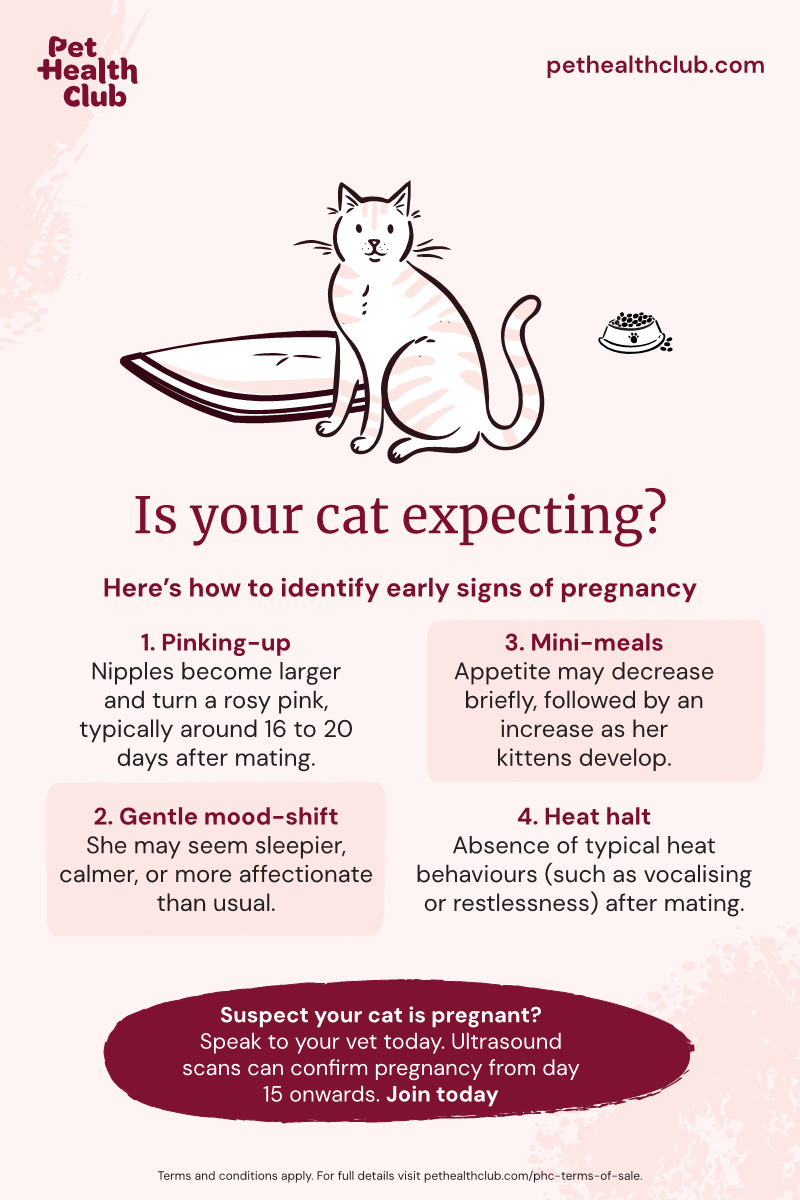
Signs Of Cat Pregnancy
Knowing the signs of cat pregnancy helps pet owners provide better care. Cats show different symptoms that signal pregnancy early on. These signs can be subtle or clear, depending on the cat.
Early Symptoms
- Swollen and pink nipples, usually within two weeks
- Increased appetite as the body prepares for kittens
- Mild morning sickness, including vomiting or nausea
- Weight gain starting around three weeks
- Small belly growth after about four weeks
Behavioral Changes
- More affectionate and wanting extra attention
- Seeking quiet, cozy places to rest
- Reduced activity or playing less than usual
- Occasional mood swings or irritability
- Increased grooming to keep clean
Credit: www.petscare.com
Preventing Unplanned Pregnancies
Preventing unplanned pregnancies is crucial if you want to keep your cat healthy and avoid the challenges of unexpected litters. Cats can mate multiple times during their heat cycles, but not every mating leads to pregnancy. Taking proactive steps helps you control your cat’s reproductive health effectively.
Spaying And Neutering
Spaying your female cat is the most reliable way to prevent pregnancy. It involves removing the ovaries and uterus, which stops heat cycles and eliminates the chance of mating. Neutering male cats reduces their desire to roam and mate, lowering the risk of unwanted litters.
I once had a neighbor whose cat kept coming back pregnant despite their efforts to keep her indoors. After spaying, the problem vanished completely. This shows how surgery can be a game changer in managing your cat’s reproductive health.
Besides preventing pregnancy, spaying and neutering reduce health risks like uterine infections and certain cancers. It can also improve behavior, making your cat calmer and less likely to spray or yowl.
Managing Outdoor Access
Keeping your cat indoors during her heat cycle limits exposure to male cats. This simple step cuts down the chances of accidental mating and pregnancy. If your cat enjoys the outdoors, consider supervised playtime or a secure enclosed space.
Do you know when your cat’s heat cycles occur? Tracking these can help you plan outdoor access carefully. Some cats have heat cycles every few weeks, so staying alert is key.
Using collars with bells or other deterrents can also warn nearby males of your cat’s presence. Although not foolproof, these measures add extra layers of protection against unplanned encounters.
When To Consult A Vet
Knowing when to consult a vet about your cat’s pregnancy is key. Cats do not get pregnant every time they mate. Careful observation and timely vet visits ensure your cat stays healthy.
Pregnancy Concerns
Watch for signs like loss of appetite or unusual behavior. Vaginal discharge or bleeding needs immediate vet attention. If your cat seems weak or lethargic, do not wait. Sudden weight loss or difficulty breathing are urgent signs. Early checkups can prevent serious problems during pregnancy.
Health Checks Before Breeding
Always schedule a vet visit before breeding your cat. The vet will check for infections and parasites. Vaccinations should be up to date before mating. Blood tests help detect hidden diseases that could affect pregnancy. Healthy cats have a better chance of safe pregnancies and kittens.
Frequently Asked Questions
Do Cats Get Pregnant Every Time They Mate?
No, cats do not get pregnant every time they mate. Successful pregnancy depends on timing, health, and ovulation. Cats are induced ovulators, meaning mating triggers ovulation, but pregnancy is not guaranteed with every encounter.
How Long Is A Cat’s Pregnancy Period?
A cat’s pregnancy typically lasts about 63 to 65 days. This period can vary slightly, but most cats give birth within two months after conception.
Can Cats Mate Without Becoming Pregnant?
Yes, cats can mate without becoming pregnant. Factors like timing, fertility, and health affect pregnancy chances. Not all matings result in fertilization or pregnancy.
How Many Kittens Can A Cat Have Per Pregnancy?
A cat usually has 3 to 5 kittens per litter. However, the number can vary from one to more than eight kittens depending on breed and health.
Conclusion
Cats do not get pregnant every time they mate. Many factors affect whether pregnancy happens. Timing, health, and the cat’s cycle all play roles. Some matings lead to pregnancy, others do not. Understanding this helps in caring for cats better.
It also prevents unwanted litters and stress. Always watch your cat’s behavior after mating. Consult a vet for advice on cat reproduction. Knowing the facts keeps your cat healthy and happy. Simple care makes a big difference in their lives.

Lily Purrington is the founder of MyKittyPicks.com, a cozy corner of the web dedicated to helping cat lovers discover the best cat products, furniture, toys, and home decor ideas.
A lifelong cat enthusiast, Lily shares trusted tips, honest product recommendations, and stylish inspiration designed to keep kitties happy and homes beautiful.
Her mission is simple: to bring together practical advice and purr-fect picks that make life better for cats and the people who love them.


