
If your cat seems anxious or stressed, you might be wondering if giving them Benadryl could help. You want to do what’s best for your furry friend, but safety comes first.
Can you give a cat Benadryl for anxiety without risking their health? You’ll discover the truth about using Benadryl for your cat’s anxiety, what you need to watch out for, and safer ways to help your pet feel calm and happy.
Keep reading to learn how to protect your cat while easing their worries.
Credit: www.preventivevet.com
Benadryl And Cats
Many cat owners ask about using Benadryl for their pets. Understanding how Benadryl works and its effects on cats is important. This section explains key facts about Benadryl and its possible use for cats.
What Is Benadryl?
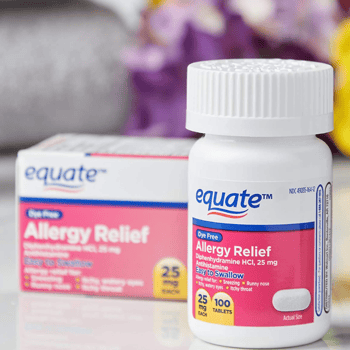
Benadryl is a brand name for diphenhydramine. It is an antihistamine medicine. It helps reduce allergic reactions by blocking histamine. Histamine causes symptoms like itching, swelling, and sneezing.
Benadryl comes in tablets, liquids, and creams. People use it to treat allergies, colds, and motion sickness. It also has a mild sedative effect.
Common Uses In Humans
Benadryl treats many conditions in humans:
- Allergic reactions
- Hay fever and seasonal allergies
- Cold symptoms like runny nose and sneezing
- Motion sickness and nausea
- Short-term sleep aid
Its ability to calm the nervous system helps with anxiety and sleep issues in some cases.
Why Consider Benadryl For Cats?
Veterinarians sometimes recommend Benadryl for cats. It may help with allergies causing itching and swelling. It can also reduce reactions to insect bites or stings.
Benadryl’s mild sedative effect can calm anxious cats. This helps during stressful events like travel or vet visits. Still, the dosage for cats differs from humans. Incorrect use can cause side effects or harm.
Always consult a vet before giving Benadryl to a cat. They can advise if it is safe and how much to give. Proper care ensures your cat’s health and comfort.
Cats And Anxiety
Cats can feel anxious just like people. Anxiety in cats affects their mood and behavior. It can cause stress and health problems. Understanding cat anxiety helps owners provide better care. Recognizing signs early improves a cat’s comfort and happiness.
Signs Of Anxiety In Cats
- Hiding more than usual
- Avoiding social interaction
- Excessive grooming or licking
- Loss of appetite
- Restlessness or pacing
- Vocalizing loudly or more often
- Aggressive behavior toward people or pets
- Changes in litter box habits
Common Causes Of Cat Anxiety
- New environments or changes at home
- Loud noises like thunderstorms or fireworks
- Separation from owners or other pets
- Strangers or unfamiliar animals nearby
- Health issues causing discomfort
- Past trauma or negative experiences
Non-medical Anxiety Solutions
- Create a quiet, safe space for the cat
- Maintain a regular feeding and play schedule
- Use calming pheromone diffusers or sprays
- Spend quality time petting and playing gently
- Provide hiding spots and vertical spaces
- Introduce changes slowly and carefully
- Use puzzle feeders to reduce boredom
Safety Of Benadryl For Cats
Benadryl is a common medication people use for allergies. Some pet owners wonder if it's safe for cats, especially for anxiety issues. Understanding the safety of Benadryl for cats is important before giving it to them. Cats have different body chemistry than humans. This means some human medicines can be harmful to cats. Always consider the risks and benefits carefully.
How Benadryl Works In Cats
Benadryl contains diphenhydramine, an antihistamine. It blocks histamine, a chemical causing allergy symptoms. In cats, diphenhydramine can also calm the nervous system. It may reduce mild anxiety by making cats feel sleepy. The drug affects the brain and body differently than in humans. The dose for cats must be precise and low. Too much can cause serious problems.
Potential Benefits For Anxiety
Benadryl may help some cats with mild anxiety. It can reduce restlessness and nervous energy. Some vets use it for short-term anxiety relief. It might help during stressful events like vet visits or travel. The calming effect is usually mild and temporary. It does not treat the root cause of anxiety. Behavioral changes and environment adjustments are still needed.
Possible Side Effects And Risks
- Drowsiness or excessive sleepiness
- Dry mouth or nose
- Increased heart rate
- Vomiting or diarrhea
- Loss of coordination or balance
- Allergic reactions in rare cases
Overdosing can lead to serious health issues. Cats with liver, kidney, or heart problems are at higher risk. Always consult a vet before giving Benadryl. Never use human doses without veterinary advice. Careful monitoring is essential after administration.
Proper Dosage And Administration
Giving Benadryl to your cat for anxiety requires careful attention to dosage and how you administer it. Too little might not ease your cat’s stress, while too much can be harmful. Understanding the correct dose and the best way to give it can make a big difference in your cat’s comfort and safety.
Consulting A Veterinarian
Never guess the right amount of Benadryl for your cat. Your veterinarian knows your cat’s health history and can recommend a safe dosage based on their weight and condition. They can also confirm if Benadryl is the best choice for your cat’s anxiety or suggest safer alternatives.
Have you ever tried giving your cat medication without professional advice? It often leads to frustration or worse, health risks. Getting a vet’s input first prevents these issues and keeps your cat safe.
Recommended Dosage Guidelines
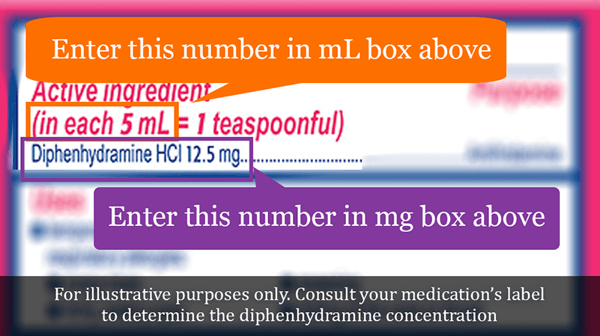
The typical Benadryl dose for cats is about 1 mg per pound of body weight, given two to three times a day. For example, a 10-pound cat might get 10 mg per dose. However, this can vary depending on your cat’s specific needs and health status.
Always use a precise measuring tool like a syringe or a pill cutter to ensure accuracy. Avoid estimating doses—it can be dangerous. Your vet will provide the exact dosing schedule, so follow it strictly.
Forms And Methods Of Giving Benadryl
Benadryl comes in several forms: tablets, liquid syrup, and even injectable forms. Tablets can be hidden in treats or crushed and mixed with food, but some cats may refuse if they taste it. Liquid forms can be easier to dose but require careful administration with a dropper or syringe.
- Tablets:Hide in a small amount of wet food or a pill pocket to help your cat take it without stress.
- Liquid:Use a syringe to gently squirt the medicine into the side of your cat’s mouth.
- Injectables:Usually administered by a vet for severe cases; not recommended for home use.
Have you noticed your cat’s reaction to medication? Sometimes it takes a bit of trial and error to find the best method that works for both of you. Patience and gentle handling go a long way here.
When To Avoid Benadryl
Benadryl is sometimes used to calm anxious cats, but it is not safe for every cat. Knowing when to avoid Benadryl helps keep your pet safe. Some health issues and other factors make Benadryl risky for cats. Watch for signs that your cat may react badly to the drug.
Pre-existing Health Conditions
Cats with certain health problems should not take Benadryl. This includes cats with:
- Heart disease
- High blood pressure
- Glaucoma
- Liver or kidney issues
- Seizure disorders
These conditions can get worse if Benadryl is given. Always check with a vet first.
Drug Interactions
Benadryl can interact badly with other medicines. Cats on these drugs may face risks:
- Other sedatives
- Antidepressants
- Blood pressure medicine
- Anti-seizure drugs
Mixing medicines can cause harmful effects. A vet must approve any new medication.
Signs Of Adverse Reactions
Watch your cat carefully after giving Benadryl. Stop the drug and see a vet if you notice:
- Vomiting or diarrhea
- Excessive sleepiness
- Rapid breathing or heart rate
- Loss of coordination
- Agitation or restlessness
Early action can prevent serious harm to your cat.

Credit: cats.com
Alternative Anxiety Treatments
Cats sometimes show signs of anxiety, and pet owners wonder about safe treatments. Benadryl is not recommended without a vet’s advice, as it may cause harm. Exploring gentle, vet-approved alternatives can help calm your cat safely.
When your beloved feline friend is grappling with anxiety, you may wonder about the best way to provide relief. While Benadryl is commonly mentioned, it’s crucial to explore alternative anxiety treatments that might be more suitable. These alternatives can offer effective solutions without the risks associated with certain medications. Let’s explore some viable options you might consider for your anxious cat.Prescription Medications
Sometimes, the anxiety your cat experiences may be severe enough to warrant prescription medications. These are specifically formulated for animals and can be prescribed by your vet. Medications like fluoxetine or amitriptyline are often used in these cases. When considering these options, it’s essential to maintain open communication with your vet. Regular check-ups can help monitor your cat’s response to the treatment. Always follow the dosage instructions meticulously to avoid potential side effects.Natural Remedies
For those inclined towards holistic solutions, natural remedies offer a range of possibilities. Products like CBD oil and pheromone diffusers are gaining popularity. They can provide a calming effect without causing sedation. Additionally, herbal supplements such as chamomile or valerian root can also help. It’s important to introduce these remedies gradually and observe any changes in your cat’s behavior. Are there specific natural products that have worked for your pet in the past?Behavioral Therapy Techniques
Behavioral therapy can be a powerful tool in managing feline anxiety. Techniques such as desensitization and counter-conditioning can help modify your cat’s response to stressors. Incorporating interactive toys and engaging activities can also distract and ease anxiety. Providing a safe, quiet space for your cat can significantly reduce stress levels. Are you ready to invest time in understanding what triggers your cat’s anxiety? By exploring these alternative treatments, you can find a balanced approach that ensures your cat’s well-being and peace of mind.Monitoring Your Cat’s Response
Monitoring your cat’s response after giving Benadryl is very important. Cats react differently to medications, so careful observation helps keep them safe. Watch for any behavior changes or side effects. This helps you decide if the medication is working or if you need to stop it.
Tracking Behavioral Changes
Look closely at your cat’s mood and activity levels. Note if your cat seems calmer or still anxious. Watch for signs like:
- Excessive sleepiness or lethargy
- Restlessness or pacing
- Changes in appetite or drinking habits
- Unusual vocalization or hiding
Keep a daily journal to track these changes. This record helps your vet understand your cat’s progress.
When To Seek Emergency Care
Some reactions need urgent attention. Contact a vet immediately if your cat shows:
- Severe vomiting or diarrhea
- Difficulty breathing or wheezing
- Swelling of the face or mouth
- Extreme weakness or collapse
- Seizures or tremors
Quick action can prevent serious harm. Never wait if your cat’s condition worsens suddenly.
Long-term Management Strategies
Benadryl may help short-term, but anxiety often needs ongoing care. Consider options like:
- Creating a calm, safe environment
- Using pheromone diffusers
- Regular play and exercise
- Consulting your vet about other medications
- Behavioral therapy or training
Consistent care improves your cat’s comfort over time.
Credit: cats.com
Frequently Asked Questions
Can Benadryl Safely Treat Cat Anxiety?
Benadryl may help mild anxiety in cats but only under veterinary guidance. Dosage and safety vary per cat. Always consult your vet before giving Benadryl to avoid risks or adverse effects.
What Are The Risks Of Benadryl For Cats?
Benadryl can cause side effects like drowsiness, dry mouth, or upset stomach. Overdosing may lead to serious health issues. Use only with vet approval to ensure your cat’s safety.
How Is Benadryl Dosage Determined For Cats?
A vet calculates Benadryl dosage based on your cat’s weight, age, and health. Never guess the dose yourself, as incorrect dosing can be harmful or ineffective.
Are There Alternatives To Benadryl For Cat Anxiety?
Yes, vets may recommend pheromone diffusers, calming supplements, or behavior therapy. These alternatives often have fewer risks and target anxiety more effectively than Benadryl.
Conclusion
Cats can feel anxious just like people do. Giving Benadryl might seem helpful, but it is not always safe. Always ask a vet before giving any medicine to your cat. The vet knows the right dose and if it fits your cat’s health.
Never guess or use human medicine without advice. There are better ways to help a scared cat feel calm. Patience, love, and proper care work best for your furry friend’s anxiety. Keep your cat safe and happy by choosing smart solutions.

Lily Purrington is the founder of MyKittyPicks.com, a cozy corner of the web dedicated to helping cat lovers discover the best cat products, furniture, toys, and home decor ideas.
A lifelong cat enthusiast, Lily shares trusted tips, honest product recommendations, and stylish inspiration designed to keep kitties happy and homes beautiful.
Her mission is simple: to bring together practical advice and purr-fect picks that make life better for cats and the people who love them.


