

Are you curious about when your cat’s behavior suddenly changes and they start acting restless or vocal? Understanding when the mating season for cats occurs can help you prepare for these shifts and take better care of your furry friend.
Whether you have a pet at home or spot strays in your neighborhood, knowing the timing and signs of cat mating season can make a big difference. Keep reading to discover exactly when cats enter this phase and what it means for you and your cat’s wellbeing.
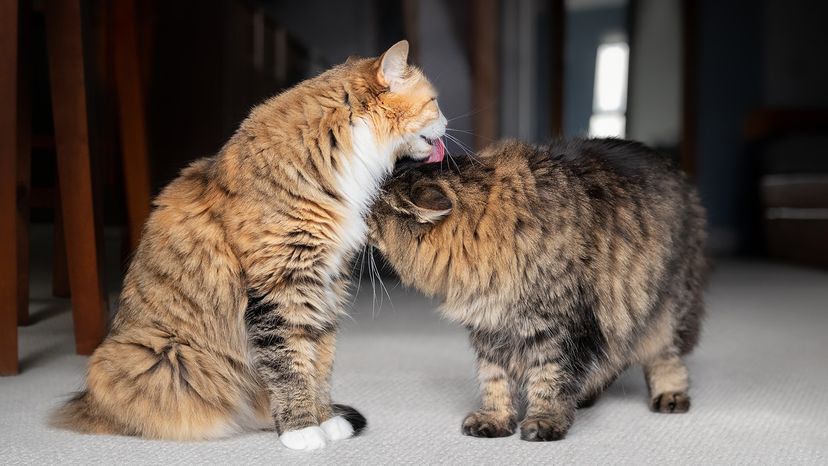
Credit: animals.howstuffworks.com
Cat Breeding Cycles
Cats have unique breeding cycles that affect their mating behavior. Understanding these cycles helps in knowing when cats are ready to mate. Female cats go through heat periods, which signal their fertility. These cycles depend on various factors like light and temperature. Male cats respond to females in heat, increasing their activity during these times.
Seasonal Patterns
Cat breeding often follows seasonal patterns. Most cats breed in spring and summer. These seasons have longer daylight hours, which trigger heat cycles. Indoor cats may experience heat anytime due to artificial light. Outdoor cats usually stop breeding in winter when days are short. This pattern helps kittens be born in warm weather.
Heat Period Duration
The heat period in female cats lasts about 5 to 10 days. During this time, females show clear signs of being in heat. They may be more vocal and affectionate. If the cat does not mate, the heat period ends but may return soon. This short duration is key to timing mating opportunities.
Frequency Of Heat Cycles
Female cats can go into heat every 2 to 3 weeks. This cycle repeats until the cat becomes pregnant or the season ends. The frequency allows many chances for mating. Some cats have more frequent heat cycles than others. This depends on health, age, and environment.
Signs Of Heat In Cats
Recognizing the signs of heat in cats is crucial for any cat owner. These signs signal that your feline friend is ready to mate, and understanding them helps you manage her comfort and behavior better. Let’s look at the key indicators you should watch for during this time.
Behavioral Changes
Your cat’s behavior shifts noticeably when she’s in heat. She may become unusually affectionate, rubbing against furniture, walls, or your legs more often than usual. Some cats also show restlessness, pacing around or trying to escape outdoors to find a mate.
Have you noticed your cat suddenly wanting constant attention or acting more playful? These changes aren’t random—they’re her way of signaling readiness for mating.
Vocalization
One of the most obvious signs is loud and persistent vocalizing. Cats in heat often yowl or meow loudly, especially at night. This vocalization serves to attract male cats and alert them to her availability.
Does your usually quiet cat suddenly become a night-time singer? This is her natural instinct kicking in, and it can be quite intense, sometimes lasting several days.
Physical Symptoms
Alongside behavior and vocal cues, physical signs also appear. Your cat might assume a mating posture, lowering her front half and raising her hindquarters, often with her tail to the side. You may also notice slight swelling or redness of the vulva.
Although these symptoms can be subtle, they provide clear evidence that your cat is in heat. Spotting these signs early can help you prepare and decide if you want to manage her cycle differently.
Factors Influencing Mating Season
Several factors influence when cats enter their mating season. These factors affect their reproductive cycles and mating behaviors. Understanding these can help cat owners and enthusiasts know what to expect during this time.
Geographical Location
Where a cat lives plays a big role in its mating season. Cats in warmer climates may have longer mating periods. In colder regions, mating season is shorter and tied to spring and summer. Outdoor cats follow natural environmental cues for reproduction.
Daylight Hours
Daylight length affects a cat’s hormone levels. Longer days trigger heat cycles in female cats. This usually happens as daylight increases in spring. Shorter days cause cats to pause or slow down mating activities. Light exposure helps regulate their reproductive system.
Breed Differences
Some cat breeds have different mating patterns. Domestic short-haired cats often follow natural seasons. Some breeds, like Siamese, can cycle year-round. Breed genetics influence how often and when cats go into heat. Knowing breed traits helps predict mating behavior.

Credit: www.purina.com
Impact On Cat Behavior
During the mating season, cats show clear changes in their behavior. These changes help them find mates and protect their territory. Understanding these behaviors can help cat owners manage their pets better.
Increased Activity
Cats become much more active during mating season. They may roam longer distances in search of a partner. This can lead to more night wandering and louder vocalizations. Their energy levels rise, making them restless and eager to explore.
Territorial Marking
Marking territory is common in mating season. Cats spray urine on objects to signal their presence. This behavior warns other cats to stay away. Both male and female cats use this method to claim space and attract mates.
Aggression And Restlessness
Aggression often increases during mating season. Cats may fight with others to defend territory or mates. Restlessness shows in pacing, meowing, and scratching. This behavior reflects their strong desire to mate and compete.
Managing Cats During Mating Season
Mating season can be a challenging time for cat owners. Managing your cats carefully during this period helps prevent stress, unwanted litters, and health risks. You have several options to keep your cats safe and comfortable while controlling their reproductive behavior.
Spaying And Neutering Benefits
Spaying and neutering your cats is the most effective way to manage mating season. It stops your pets from going into heat and reduces aggressive behaviors linked to mating instincts. You also protect your cats from certain cancers and infections.
Besides health benefits, spaying and neutering help control the stray and feral cat population. Have you ever considered how many kittens might be born if every cat went unspayed? Taking this step is a responsible choice for your cat and your community.
Keeping Cats Indoors
Keeping your cats indoors during mating season limits their exposure to other cats. It reduces the chance of fights and mating attempts. You can create a stimulating environment with toys and climbing spaces to keep them happy inside.
Try a window perch or a screened porch to let your cat enjoy fresh air safely. You might notice less vocalizing and restlessness when your cat feels safe and entertained indoors. What changes could you make to your home to better accommodate your cat during this time?
Handling Unwanted Litters
If your cat does have kittens, plan carefully how to manage the litter. Find trusted adopters or local shelters that can help place the kittens in good homes. Early socialization improves their chances of adoption and a happy life.
Be prepared for the extra care that kittens need—feeding, vaccinations, and monitoring health. Have you thought about how you would handle an unexpected litter? Being ready can make a huge difference for both you and your cats.
Health Considerations
Understanding the health considerations during your cat’s mating season is crucial for their well-being. Cats face unique challenges when they become pregnant, especially if it happens too early. Being aware of these factors helps you support your pet effectively and keep her healthy throughout the process.
Risks Of Early Pregnancy
Young cats that get pregnant before they are fully grown risk serious health problems. Their bodies might not be ready to support the pregnancy, leading to complications like miscarriage or difficult births.
Have you noticed how some cats seem smaller or less active? These could be signs that early pregnancy is stressing their bodies. Monitoring your cat’s behavior closely during mating season can help catch these risks early.
Nutritional Needs
Pregnant cats need more calories, protein, and vitamins to support themselves and their kittens. A diet lacking these essentials can weaken your cat and affect the health of the babies.
Adding high-quality kitten food to your cat’s diet during mating season can provide the extra nutrition she requires. You might also consider supplements, but always check with your vet before adding anything new.
Vet Checkups
Regular vet visits become even more important during and after mating season. Your vet can spot health issues early and guide you on vaccinations, parasite control, and proper care.
Scheduling a checkup as soon as you suspect pregnancy is a smart move. This way, you get professional advice tailored to your cat’s specific needs and can prepare for a safe delivery.
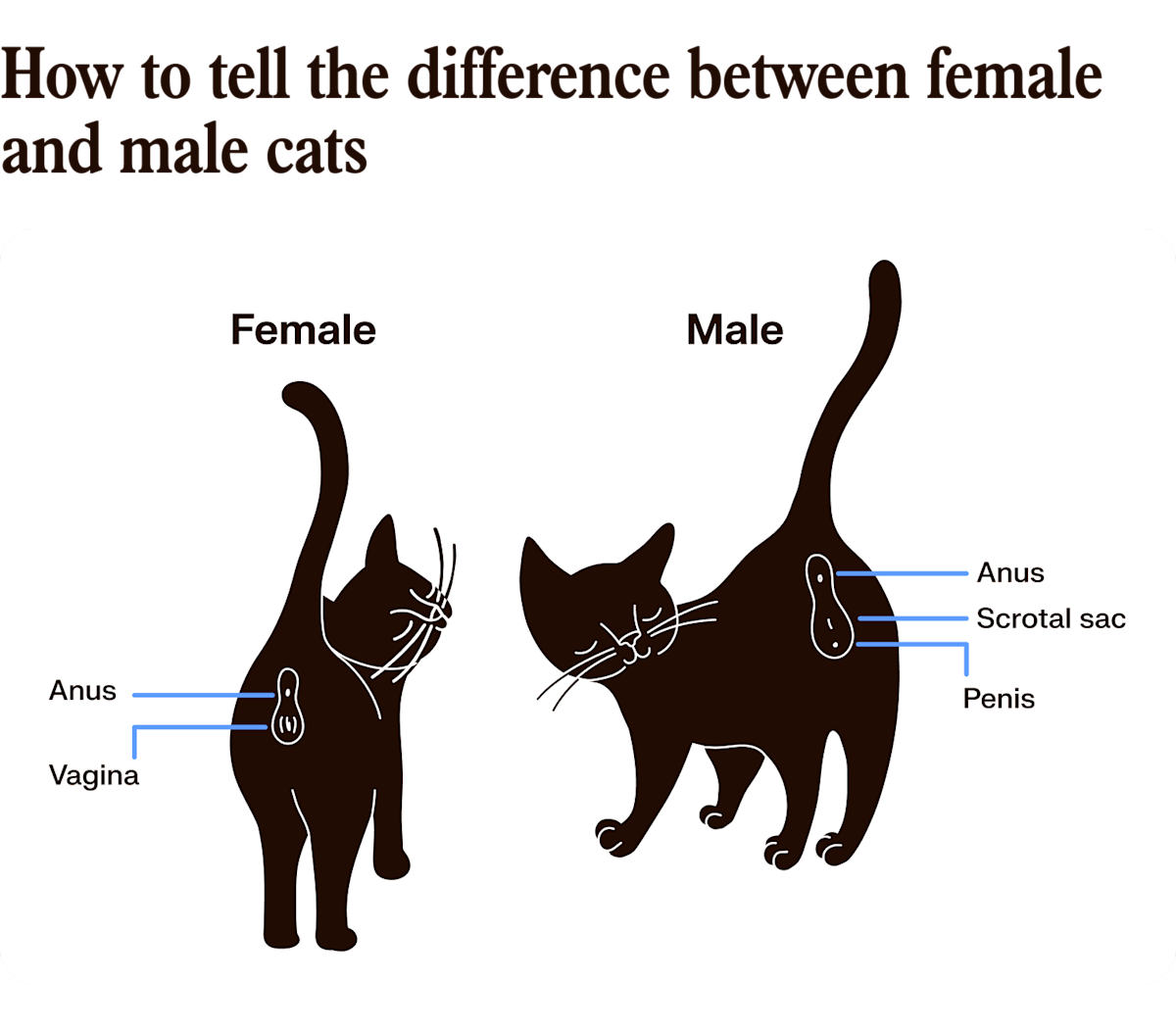
Credit: www.kinship.com
Frequently Asked Questions
When Is The Typical Mating Season For Cats?
Cats usually enter mating season during spring and summer months. This period lasts from February to September, depending on the climate and location. Warmer weather and longer daylight hours trigger their reproductive cycle, making these months the peak time for feline mating activities.
How Long Does A Cat’s Mating Season Last?
A cat’s mating season can last several months, typically from early spring to late summer. Female cats can go into heat every two to three weeks during this period until they mate. This extended season increases chances of successful reproduction.
What Signs Indicate A Cat Is In Heat?
Signs a cat is in heat include loud vocalizing, restlessness, and affectionate behavior. Female cats may also assume mating postures and try to escape outdoors. These behaviors signal readiness to mate and usually occur during mating season.
Can Indoor Cats Have A Mating Season?
Yes, indoor cats can experience a mating season. Artificial lighting and temperature control inside homes can trigger their reproductive cycles year-round. Indoor cats may exhibit heat behaviors without seasonal restrictions.
Conclusion
Understanding cat mating seasons helps in planning and care. Cats often mate in spring and summer. This increases the chances of kittens in warmer months. Knowing this can help pet owners prepare and manage their pets better. Spaying and neutering are important to control the cat population.
It ensures fewer homeless cats. Always consult your vet for more advice. They provide guidance on caring for your cats during this time. Being informed keeps your cats healthy and happy.

Lily Purrington is the founder of MyKittyPicks.com, a cozy corner of the web dedicated to helping cat lovers discover the best cat products, furniture, toys, and home decor ideas.
A lifelong cat enthusiast, Lily shares trusted tips, honest product recommendations, and stylish inspiration designed to keep kitties happy and homes beautiful.
Her mission is simple: to bring together practical advice and purr-fect picks that make life better for cats and the people who love them.


