

Have you ever spilled oil and wondered if your cat litter could clean it up? You might be surprised to learn that the same product you use for your cat’s needs can also tackle oily messes.
But does cat litter really absorb oil well? If you’re dealing with greasy spills and want a simple, effective solution, this article is for you. Keep reading to discover how cat litter works on oil, when it’s a good choice, and what you should watch out for.
Your cleanup game might just get a whole lot easier.
How Cat Litter Works
Understanding how cat litter works can help you decide if it’s suitable for absorbing oil spills around your home or garage. Cat litter is designed to trap moisture and odors effectively, but its performance depends on the type and material it’s made from. Let’s break down the basics so you can see if your cat’s litter box supplies might double as an oil absorber.
Types Of Cat Litter
Cat litter comes in various forms, each with unique traits:
- Clay-based litter:Made from bentonite clay, this type clumps when wet, making it easy to scoop. It’s heavy and absorbs moisture well but can be dusty.
- Silica gel litter:Contains silica beads that absorb moisture and control odor without clumping. It’s less dusty and lasts longer but doesn’t clump.
- Natural/biodegradable litter:Includes materials like corn, wheat, pine, or walnut shells. These are eco-friendly and vary in absorption capabilities.
Knowing the type you have is key because not all litters absorb oil the same way.
Absorption Properties
Cat litter’s main job is to absorb liquid and lock in odors. Clay-based litters excel at soaking up water-based liquids due to their porous structure. However, oil has a different chemical makeup, making it harder to absorb with typical clay litter.
Silica gel litters absorb moisture but are less effective with oily substances. Natural litters sometimes have better oil absorption because of their fibrous nature, but it varies by product. Have you ever noticed how some litters clump quickly while others stay loose? That’s a clue about their absorption style and effectiveness.
Next time you face an oil spill, consider testing a small amount of your cat litter. Watch how it interacts with the oil—does it soak it up quickly, or does the oil just pool on top? This simple experiment can save you time and frustration later.
Cat Litter And Oil Absorption
Cat litter is widely known for its ability to absorb moisture. Many people wonder if it can handle oil spills just as well. Understanding how cat litter works with different types of oil helps in choosing the right absorbent for cleaning up messes.
Effectiveness With Different Oil Types
Cat litter absorbs oil by trapping it in its porous structure. Clumping cat litter works best with light oils like cooking oil or motor oil. Non-clumping varieties may soak up oil but do not form solid clumps. Heavy oils, such as grease or thick lubricants, are harder to absorb fully. The litter can absorb some oil but may leave residue behind. Using fresh, dry cat litter improves absorption rates. Saturated litter loses its ability to absorb more oil quickly.
Comparison With Other Absorbents
Compared to other absorbents, cat litter is affordable and easy to find. Materials like sawdust, sand, and commercial absorbent pads also absorb oil well. Sawdust soaks up oil but can be messy to handle. Sand absorbs oil but does not clump, making cleanup harder. Commercial absorbents are designed specifically for oil and may perform better. Cat litter is a convenient choice for small spills and quick cleanup.
Practical Uses Of Cat Litter For Oil
Cat litter can absorb small oil spills effectively, making cleanup easier. It soaks up oil quickly, preventing stains on surfaces. Many use it to manage spills in garages or workshops.
Cat litter is not just for your feline friend’s bathroom needs. Its ability to absorb moisture makes it surprisingly useful in tackling oil spills. Whether it’s a small mishap in your garage or a slick spot on your driveway, cat litter can be a practical solution for oil cleanup.Cleaning Oil Spills At Home
Imagine spilling oil on your kitchen floor while cooking a delicious meal. A quick sprinkle of cat litter can prevent the mess from spreading. The absorbent properties of cat litter will soak up the oil, making it easier to sweep away. Simply pour enough litter to cover the spill, let it sit for a few minutes, and then sweep it up. This method is not only effective but also cost-efficient. Plus, you probably already have a bag of cat litter at home.Automotive Oil Cleanup
Dealing with oil leaks or spills in your garage? Cat litter can save the day. After fixing your car, you may notice oil spots left on the garage floor. Sprinkle cat litter over the spots and let it sit overnight. The next day, sweep it up and see how effectively it has absorbed the oil. This simple trick can keep your garage floor clean without the need for harsh chemicals. Have you tried using cat litter for oil cleanup before? Give it a try and see the difference it makes.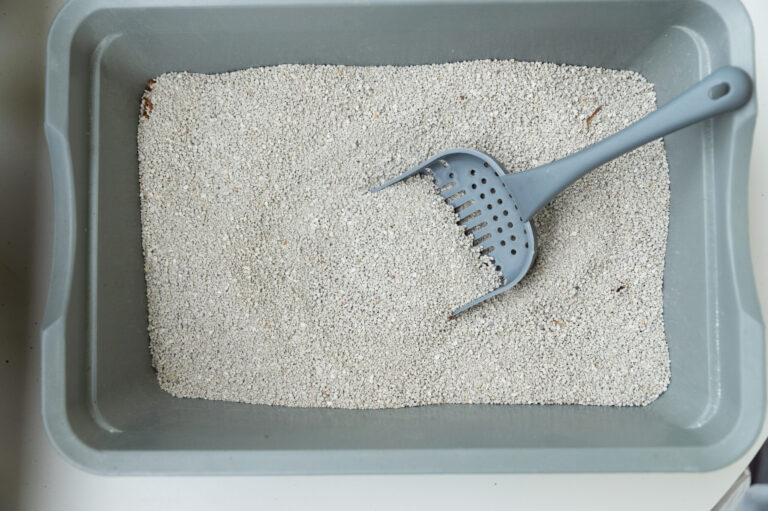
Credit: walkonice.com
Limitations And Considerations
Cat litter can soak up oil, but it has limits and important points to consider. It may not absorb all types of oil equally well. The material and texture affect how much oil it can hold. Using cat litter for oil spills might seem handy, but it comes with environmental and practical concerns. Understanding these helps in making better choices for cleanup tasks.
Environmental Impact
Most cat litters are made from clay or silica, which do not break down easily. Oil-soaked litter can harm soil and water if not handled properly. Chemicals in the oil may leak into the environment during disposal. Some litters contain additives that add to pollution. Using large amounts can increase waste and environmental strain.
Disposal Challenges
Oil-soaked cat litter is considered hazardous waste in many areas. It cannot be thrown in regular trash or flushed down drains. Special disposal methods are needed to avoid contamination. Improper disposal risks fines and environmental damage. Finding facilities that accept this waste can be difficult and costly.
Alternative Solutions For Oil Absorption
Finding the right solution for oil absorption can save you time, mess, and stress. While cat litter is often suggested, it’s not always the best fit. Exploring alternative options can help you tackle oil spills more effectively and keep your space cleaner.
Commercial Oil Absorbents
Commercial oil absorbents are specially designed to soak up oil quickly and efficiently. They come in various forms like pads, powders, and booms, made from materials engineered to trap oil without absorbing water.
One advantage is their reliability in different environments—whether indoors or outdoors. Have you ever tried using a commercial absorbent pad on a driveway spill? It can make cleanup less frustrating and more thorough.
These products often cost more than cat litter but are worth it for larger or more hazardous spills. Keep an eye out for options labeled biodegradable if you want an eco-friendly choice.
Natural Absorbents
Natural absorbents offer a cost-effective and environmentally friendly way to handle oil spills. Materials like sawdust, sand, and even coffee grounds can work well to soak up oil.
I once used sawdust in my garage after dropping motor oil while changing the car’s oil. It absorbed the mess quickly and was easy to sweep away afterwards. Have you ever considered what’s already in your home that could serve this purpose?
These options may require more effort to clean up but are great for smaller spills. Plus, they are often biodegradable and easy to dispose of safely, which is a big plus if you want to avoid harsh chemicals.

Credit: howsentong-pet.en.made-in-china.com
Credit: cats.com
Frequently Asked Questions
Does Cat Litter Effectively Absorb Oil Spills?
Yes, cat litter can absorb oil spills efficiently. Its porous structure traps oil particles quickly. However, it works best on small to moderate spills, not large-scale oil contamination.
What Type Of Cat Litter Absorbs Oil Best?
Clay-based cat litter, especially bentonite clay, absorbs oil best. It clumps well and traps oil effectively. Avoid silica gel or non-absorbent litters for oil cleanup.
Can Cat Litter Be Reused After Absorbing Oil?
No, cat litter saturated with oil should not be reused. It becomes contaminated and loses absorbency. Dispose of it properly according to local hazardous waste guidelines.
How To Use Cat Litter For Oil Spill Cleanup?
Sprinkle cat litter generously over the oil spill. Let it sit for 15-30 minutes to absorb oil. Then sweep or scoop it up carefully for disposal.
Conclusion
Cat litter can absorb some types of oil, but not all. It works best with small spills and light oils. For bigger or thicker oil messes, other materials may work better. Always test a small area first to see how well it absorbs.
Using cat litter is a simple and cheap way to handle minor oil spills. Keep in mind, it is not a perfect solution for every situation. Choose the right product based on your oil spill needs.

Lily Purrington is the founder of MyKittyPicks.com, a cozy corner of the web dedicated to helping cat lovers discover the best cat products, furniture, toys, and home decor ideas.
A lifelong cat enthusiast, Lily shares trusted tips, honest product recommendations, and stylish inspiration designed to keep kitties happy and homes beautiful.
Her mission is simple: to bring together practical advice and purr-fect picks that make life better for cats and the people who love them.


