

Have you ever wondered if those stray cats roaming your neighborhood could pose a health risk to you or your family? You might feel curious or even a little concerned about what diseases these animals could carry.
Understanding whether stray cats can transmit illnesses to humans is important for your safety and peace of mind. You’ll discover the facts behind common risks and learn simple steps to protect yourself. Keep reading—you might be surprised by what you don’t know.
Common Diseases From Stray Cats
Stray cats often carry diseases that can spread to humans. It is important to know which illnesses they might have.
These diseases come from bacteria, parasites, and viruses. Each type can cause different health problems.
Bacterial Infections
Stray cats can carry bacteria that cause infections in humans. These infections often happen from scratches or bites.
One common bacterial infection is cat scratch disease. It spreads through cat scratches or bites and causes fever and swollen lymph nodes.
- Cat Scratch Disease (Bartonella henselae)
- Salmonellosis (Salmonella bacteria)
- Pasteurellosis (Pasteurella bacteria)
Parasitic Risks
Parasites from stray cats can infect humans through contact with cat feces or fleas. These parasites cause different illnesses.
Toxoplasmosis is a well-known disease caused by a parasite found in cat feces. It can be serious for pregnant women and people with weak immune systems.
- Toxoplasmosis (Toxoplasma gondii)
- Flea-borne diseases
- Roundworms and hookworms
Viral Threats
Stray cats may carry viruses that can infect humans. These viruses are less common but still dangerous.
Rabies is a serious viral disease spread by cat bites. It affects the brain and is often fatal without treatment.
- Rabies virus
- Feline immunodeficiency virus (rare in humans)
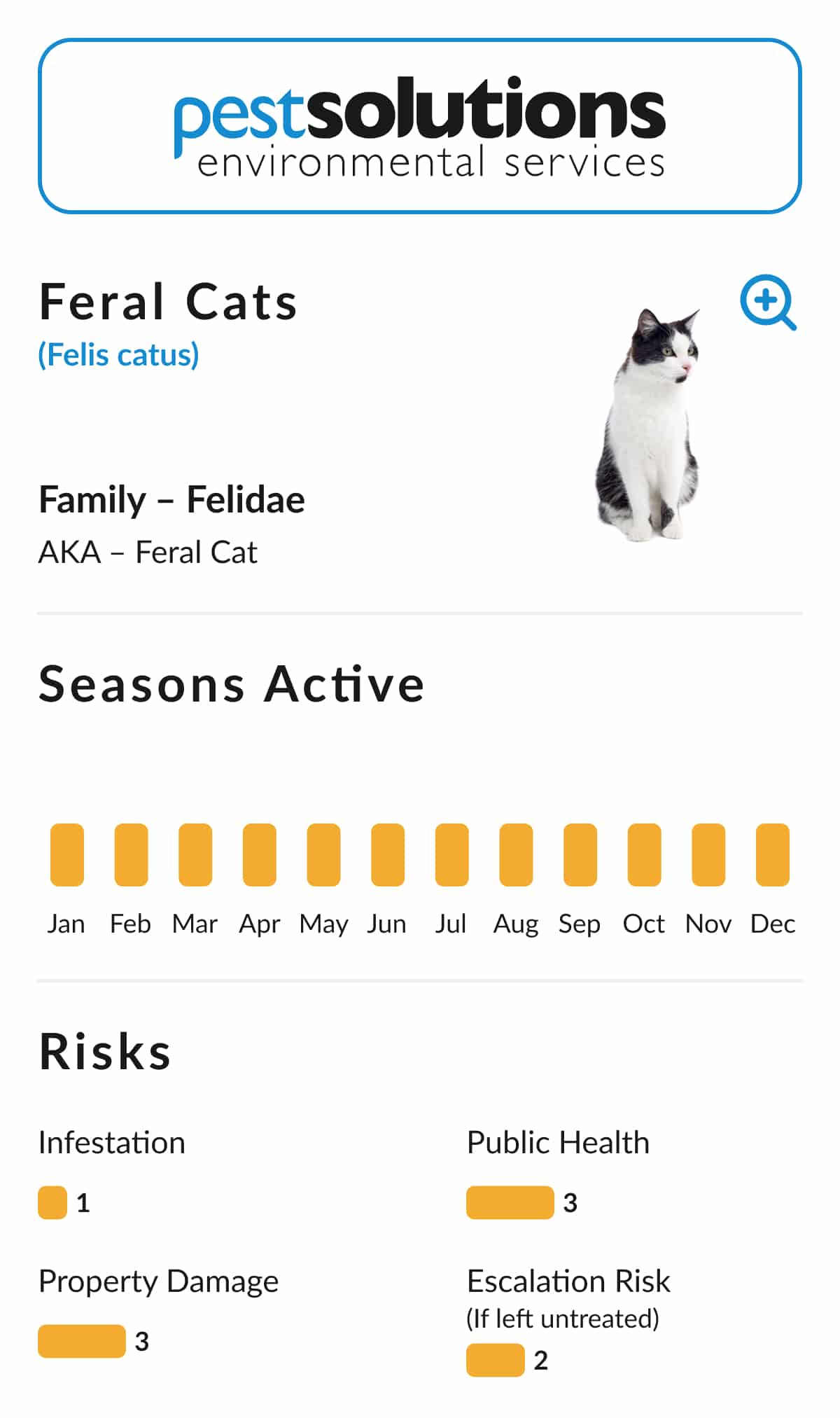
Credit: www.pestsolutions.co.uk
How Diseases Spread
Stray cats can carry diseases that may spread to humans. Understanding how these diseases pass on helps in staying safe. The main ways include bites, scratches, contact with dirty surfaces, and parasites like fleas and ticks.
Each method has its own risks and ways to prevent infection. Learning about them can reduce chances of illness from stray cats.
Bites And Scratches
Bites and scratches from stray cats can let germs enter the body. These wounds may cause infections if not cleaned well. Cat scratch disease is one illness spread this way.
- Cat scratch disease causes fever and swollen glands.
- Bacterial infections can develop at the bite or scratch site.
- Rabies is rare but possible if the cat is infected.
Contaminated Surfaces
Stray cats can leave germs on surfaces they touch. People may get sick by touching these surfaces and then touching their face. Cleaning surfaces helps stop disease spread.
| Surface Type | Risk Level | Cleaning Tip |
| Outdoor benches | Medium | Use disinfectant spray |
| Door handles | High | Wipe often with sanitizer |
| Garden tools | Low | Wash with soap and water |
Fleas And Ticks
Fleas and ticks live on stray cats and carry diseases. These parasites can bite humans and spread illness. It is important to avoid contact and use pest control when needed.
- Fleas can cause skin rashes and spread bacteria.
- Ticks may transmit Lyme disease and other infections.
- Wear protective clothing in areas with many stray cats.
Symptoms To Watch For
Stray cats can carry diseases that sometimes spread to humans. It is important to know the symptoms that may appear if you get infected.
Recognizing these signs early helps you get the right treatment fast. Some symptoms may be mild, while others need urgent care.
Signs In Humans
People infected by diseases from stray cats may show different symptoms. Watch for these common signs:
- Fever and chills
- Skin rashes or redness
- Headaches and muscle aches
- Swollen lymph nodes
- Nausea or vomiting
- Fatigue and weakness
- Difficulty breathing or cough
- Eye irritation or redness
When To Seek Medical Help
If you notice any symptoms after contact with a stray cat, see a doctor quickly. Some signs need immediate attention.
| Symptom | Reason to See Doctor |
| High fever lasting more than 3 days | Possible serious infection |
| Skin wounds that do not heal | Risk of bacterial infection |
| Breathing problems | Possible lung infection |
| Severe headache or stiff neck | Signs of meningitis |
| Swollen or painful lymph nodes | Infection spreading in the body |
Preventive Measures
Stray cats can carry diseases that may spread to humans. Taking safety steps helps lower this risk. Simple actions protect both you and the cats.
Learn how to handle stray cats safely. Cleanliness and medical care also play key roles in prevention.
Safe Handling Tips
Always use gloves when touching stray cats. Avoid direct contact with their saliva, urine, or feces. Do not try to catch or hold cats that seem sick or aggressive.
- Wear gloves and long sleeves
- Use a towel or blanket to pick up cats if needed
- Do not allow cats to lick open wounds
- Keep cats outside and away from living spaces
- Wash hands immediately after handling
Hygiene Practices
Cleaning your hands and home reduces chances of infection. Use soap and water after contact with cats or their areas. Disinfect surfaces that cats touch often.
| Hygiene Practice | Reason |
| Wash hands with soap and water | Removes germs and dirt |
| Disinfect floors and furniture | Kills bacteria and viruses |
| Clean cat litter boxes daily | Prevents parasite spread |
| Keep food areas separate from cats | Stops contamination |
Vaccination And Treatment
Stray cats may need vaccines to protect them and people. Contact animal health professionals for help. Treat cats for fleas, ticks, and worms to lower disease risks.
Vaccination and treatment reduce disease spread:
- Vaccinate against rabies and feline distemper
- Use flea and tick control regularly
- Check and treat for intestinal parasites
- Seek vet care for sick or injured cats
- Report unusual cat behavior to local authorities
Myths Vs Facts
Many people worry that stray cats can spread diseases to humans. There are myths about these risks that need clarification.
Understanding the truth helps in managing concerns about stray cats and health.
Common Misconceptions
Some believe that all stray cats carry harmful diseases. This is not entirely true. Not every stray cat is a health hazard.
- Myth: All stray cats have rabies.
- Myth: You can get sick just by touching a stray cat.
- Myth: Stray cats spread diseases more than pet cats.
Scientific Findings
Scientific studies provide facts about the actual risks from stray cats. These findings help separate myths from reality.
| Myth | Fact |
| All stray cats have rabies | Rabies is rare in stray cats |
| Touching a stray cat will make you sick | Disease transmission is uncommon through simple touch |
| Stray cats are more dangerous than pet cats | Both can carry similar risks, but proper care reduces them |

Credit: www.youtube.com
Protecting Stray Cats And Communities
Stray cats can carry diseases that may spread to people. Taking care of these cats helps keep communities safe. It also improves the cats’ health and well-being.
We need to balance the health of people and the lives of stray cats. Learning how to protect both is important for a healthy community.
Trap-neuter-return Programs
Trap-Neuter-Return (TNR) programs help control stray cat populations. Cats are caught, spayed or neutered, and then returned to where they were found.
This process lowers the number of stray cats over time. It also reduces fights and the spread of diseases among cats.
Community Awareness
Teaching people about stray cats helps reduce risks. Communities learn how to avoid contact with sick cats and keep their homes clean.
Awareness encourages people to feed cats safely and report sick animals. It also helps stop the spread of diseases to humans.
- Wash hands after touching cats
- Keep cats away from food areas
- Report injured or sick cats
- Do not try to catch stray cats alone
Collaboration With Animal Services
Working with animal services helps manage stray cat populations safely. They provide care and check cats for diseases before release.
Animal services also offer advice on how to handle stray cats in your area. This teamwork helps protect both cats and people.

Credit: weareallaboutcats.com
Frequently Asked Questions
Can Stray Cats Carry Diseases Harmful To Humans?
Yes, stray cats can carry diseases like toxoplasmosis, cat scratch fever, and ringworm. These diseases may spread through bites, scratches, or contact with feces. Practicing good hygiene and avoiding direct contact can reduce infection risk.
How Do Stray Cats Transmit Diseases To People?
Stray cats transmit diseases mainly through bites, scratches, saliva, or feces. Indirect transmission can occur by touching contaminated surfaces. Being cautious around strays and washing hands thoroughly helps prevent disease spread.
Are Stray Cat Diseases Common In Urban Areas?
Yes, stray cat diseases are more common in urban areas due to higher stray populations. Close human contact with strays increases transmission risk. Proper sanitation and stray control programs help reduce disease spread.
What Symptoms Indicate Disease From Stray Cats?
Symptoms include fever, swollen lymph nodes, skin rashes, or unusual fatigue. If bitten or scratched, watch for redness or swelling. Seek medical advice promptly if symptoms appear after contact with a stray cat.
Conclusion
Stray cats can carry some diseases that affect humans. Most risks come from bites, scratches, or close contact. Washing hands after touching cats helps reduce chances of illness. Avoid feeding or handling stray cats without protection. Keeping pets healthy also lowers disease spread.
Stay aware but don’t fear stray cats too much. Respect and care keep both humans and cats safe. Small steps make a big difference in staying healthy.

Lily Purrington is the founder of MyKittyPicks.com, a cozy corner of the web dedicated to helping cat lovers discover the best cat products, furniture, toys, and home decor ideas.
A lifelong cat enthusiast, Lily shares trusted tips, honest product recommendations, and stylish inspiration designed to keep kitties happy and homes beautiful.
Her mission is simple: to bring together practical advice and purr-fect picks that make life better for cats and the people who love them.


