
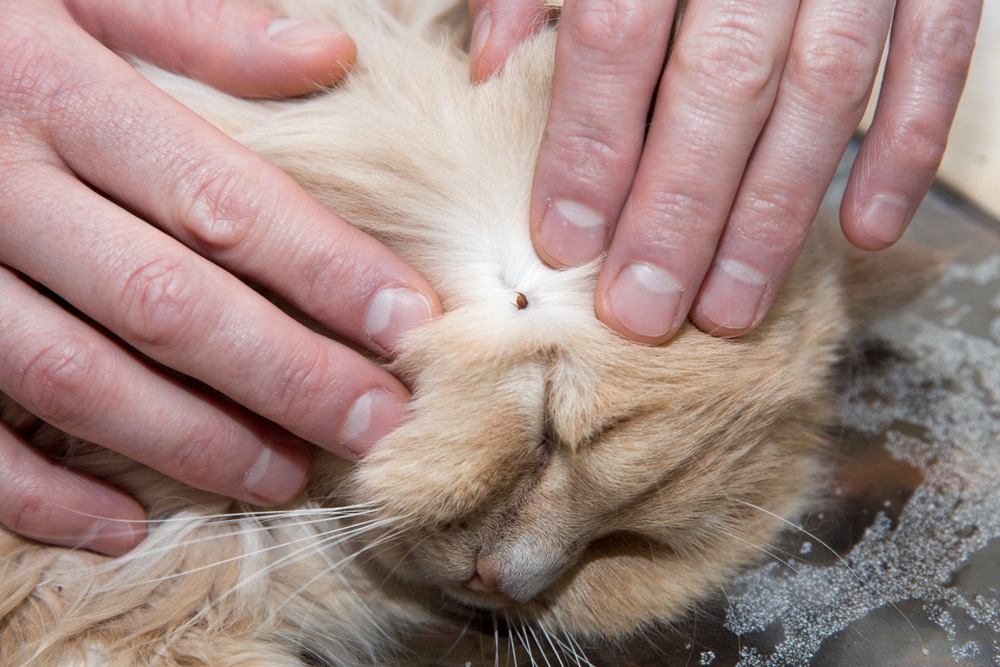
Have you ever wondered if your furry friend could be hiding something dangerous? Cats are lovable companions, but do they carry harmful diseases that could affect you or your family?
Understanding the risks is key to keeping yourself and your pets safe. You’ll discover the truth about the diseases cats might carry, how they spread, and simple steps you can take to protect your home. Keep reading—what you learn here could make all the difference for your health and happiness.
Common Diseases Transmitted By Cats
Cats can carry diseases that might affect humans. These illnesses spread through bites, scratches, or contact with cat waste.
It is important to know about these diseases to stay safe around cats. Proper hygiene and care can reduce the risks.
Bacterial Infections
Bacteria from cats can cause infections in humans. Cat scratches or bites often spread these germs.
One common example is Cat Scratch Disease. It happens after a scratch from an infected cat.
- Cat Scratch Disease – causes fever and swollen lymph nodes
- Pasteurella – leads to skin infections after a bite
- Salmonella – can spread from contact with cat feces
Parasitic Diseases
Cats can carry parasites that infect humans. These parasites live in or on the cat’s body.
Toxoplasmosis is a well-known parasite spread by cats. It can be dangerous for pregnant women.
- Toxoplasmosis – causes flu-like symptoms and risks during pregnancy
- Roundworms – may cause digestive problems in people
- Fleas – can carry other diseases and cause itching
Viral Risks
Some viruses can pass from cats to people. These viruses often spread through bites or close contact.
Rabies is a serious virus that cats can carry. It affects the brain and is often fatal without treatment.
- Rabies – causes severe brain infection, usually fatal
- Cowpox – a rare viral infection from cats to humans
Fungal Infections
Fungal infections can spread from cats to humans. These infections affect the skin and nails.
Ringworm is a common fungal disease passed by cats. It causes itchy, red patches on the skin.
- Ringworm – causes round, red, itchy skin patches
- Histoplasmosis – a lung infection from fungal spores in cat areas
How Cats Spread Diseases
Cats can carry diseases that may harm humans. They spread germs in many ways.
Knowing how cats pass diseases helps keep you safe and healthy.
Bites And Scratches
Cat bites and scratches can cause infections. Cats have bacteria in their mouths and claws.
These bacteria can enter the skin and cause illness if not treated.
- Cat scratch disease from Bartonella bacteria
- Pasteurella infection from cat bites
- Tetanus if wounds are deep and dirty
Fecal Contamination
Cat feces can carry harmful parasites and germs. These can infect people if touched.
Cleaning litter boxes without gloves can spread these diseases.
- Toxoplasmosis caused by a parasite in cat feces
- Roundworms and hookworms passed through fecal matter
- Bacterial infections like Salmonella
Direct Contact
Touching cats can spread germs if they carry diseases on their fur or skin.
Washing hands after petting cats lowers the chance of illness.
- Ringworm, a fungal infection on cat skin
- Allergic reactions and skin infections
- Parasites like fleas that bite humans
Environmental Factors
Cats can spread germs into the environment. These germs live on surfaces and in soil.
People can get sick by touching or breathing these germs.
- Toxoplasma parasites in soil contaminated by cat feces
- Bacteria on bedding or toys used by cats
- Fleas spreading other diseases through the home
Symptoms In Cats And Humans
Cats can carry diseases that affect both themselves and humans. Understanding the symptoms helps in keeping everyone healthy.
Some diseases are mild, but others can be serious. Knowing the signs is important for early treatment.
Signs In Cats
Cats may not show symptoms immediately. Watch for changes in behavior or health.
- Loss of appetite
- Fever
- Vomiting
- Diarrhea
- Coughing or sneezing
Symptoms In Humans
People can catch diseases from cats. Symptoms vary based on the disease.
- Fever and chills
- Muscle aches
- Swollen lymph nodes
- Fatigue
- Skin rashes
When To Seek Medical Help
If you notice symptoms in your cat or yourself, consult a doctor. Early treatment can prevent complications.
- Persistent fever
- Severe or worsening symptoms
- Unusual behavior in cats
- Exposure to a sick animal

Credit: justcatsclinic.com
Preventing Disease Transmission
Cats can carry some harmful diseases that affect humans and other pets. Preventing these diseases is important for your health and your cat’s health.
Good care and safe habits help stop diseases from spreading. Learn simple ways to keep everyone safe.
Regular Veterinary Care
Take your cat to the vet regularly. The vet checks for signs of illness and treats problems early.
Regular exams keep your cat healthy and reduce disease risks for your family.
Proper Hygiene Practices
Wash your hands after touching your cat or cleaning its litter box. This stops germs from spreading.
Keep your cat’s living area clean. Change litter often and clean food bowls daily.
- Use soap and water to wash hands
- Wear gloves when cleaning litter
- Clean bedding regularly
Safe Handling Techniques
Handle your cat gently to avoid bites and scratches. These can spread infections.
Teach children how to pet cats softly and to avoid rough play. This lowers injury risk.
- Hold your cat calmly and securely
- Do not disturb a cat that is eating or sleeping
- Trim your cat’s nails to reduce scratches
Vaccinations And Treatments
Keep your cat’s vaccinations up to date. Vaccines protect against common diseases that spread to humans and animals.
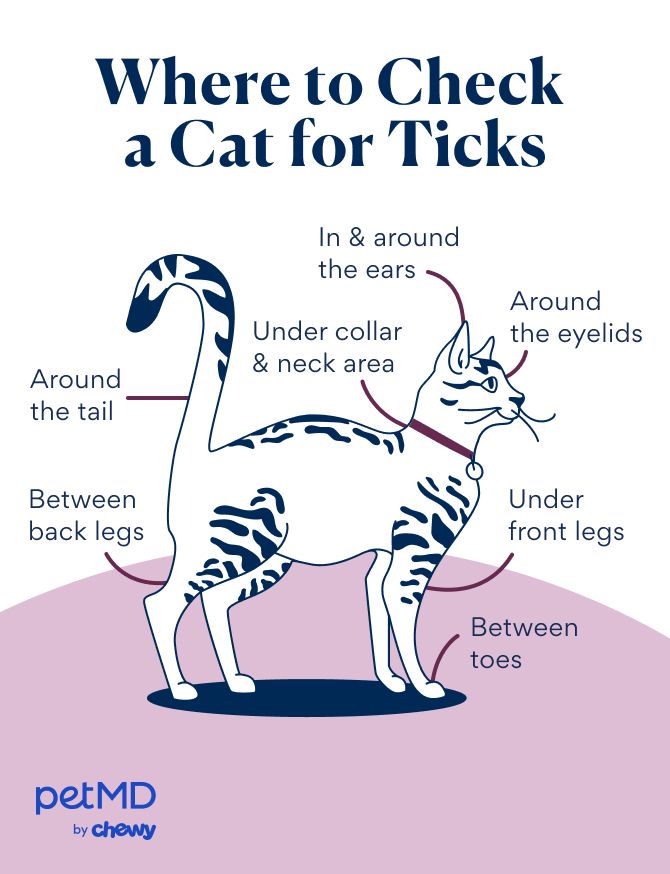
Use flea and tick treatments to prevent parasites. Parasites can carry serious diseases.
- Rabies vaccine is important for safety
- Flea control stops disease spread
- Regular deworming keeps your cat healthy
Risks For Vulnerable Groups
Cats can carry diseases that might affect certain people more. Some groups have weaker defenses against these illnesses.
Understanding these risks helps protect those who need it most from infections linked to cats.
Children And Elderly
Young children and older adults have weaker immune systems. They are more likely to get sick from cat-related diseases.
Common risks include infections from scratches or bites. Cats can also spread germs like ringworm and toxoplasmosis.
- Children might touch cat litter or soil with parasites.
- Older adults may have chronic illnesses reducing immunity.
- Both groups need careful hygiene around cats.
Pregnant Women
Pregnant women face special risks from cat diseases. Toxoplasmosis can harm the unborn baby if infected.
The disease spreads through cat feces or contaminated food. Pregnant women should avoid handling cat litter directly.
- Wear gloves when cleaning litter boxes.
- Wash hands thoroughly after touching cats.
- Keep cats indoors to reduce exposure to infected prey.
Immunocompromised Individuals
People with weak immune systems are at higher risk from cat diseases. They may get serious infections from common germs.
Diseases like cat scratch fever and toxoplasmosis can cause severe illness. Extra care is needed to avoid contact with cat waste.
- Keep cats healthy with regular vet visits.
- Practice good hygiene after handling cats or litter.
- Consult doctors about risks and prevention.
Myths About Cats And Diseases
Cats have been part of human homes for centuries. Many people worry about catching diseases from them. These worries often come from myths, not facts.
Understanding the truth about cats and diseases helps keep both cats and people safe. It also stops unnecessary fear about our furry friends.
Common Misconceptions
Many believe cats carry harmful diseases that easily spread to humans. This idea causes some to avoid cats or treat them unfairly. The truth is different for most cases.
- Cats do not spread diseases simply by being near people.
- Most cat illnesses cannot pass to humans without close contact.
- Regular vet care keeps cats healthy and lowers risks.
- Good hygiene helps prevent any rare infections from cats.
Separating Fact From Fiction
Some diseases linked to cats get too much attention. It is important to look at facts and avoid wrong ideas. Here is a simple table to compare myths and truths about cats and diseases.
| Myth | Fact |
| Cats often carry rabies and infect people. | Rabies in cats is rare due to vaccinations. |
| Cat scratches always cause serious infections. | Only some scratches may cause mild illness if not cleaned. |
| Cats spread ringworm easily to humans. | Ringworm is a fungal infection that can spread, but it is treatable. |
| All cats carry parasites that harm people. | Parasites can be treated and prevented with vet care. |
When To Consult Professionals
Cats are beloved pets, but they can carry diseases. It’s important to know when to seek professional help. This guide helps you decide when to consult veterinarians or healthcare providers.
Understanding the risks and knowing when to ask for assistance keeps both you and your cat healthy. Read on to learn more.
Veterinarians
Veterinarians are your go-to experts for cat health issues. They help diagnose and treat diseases that your cat might carry.
Here are some signs you should consult a veterinarian:
- Unusual behavior in your cat
- Sudden loss of appetite
- Visible signs of illness like coughing or sneezing
- Frequent vomiting or diarrhea
Healthcare Providers
Sometimes, diseases from cats can affect humans. In such cases, consulting a healthcare provider is wise.
| Symptom | When to See a Doctor |
| Fever | If it lasts more than two days |
| Rash | If it spreads quickly |
| Swollen glands | If they are painful or persist |
It’s crucial to act quickly if you notice any symptoms. Early intervention prevents complications and ensures peace of mind.

Credit: www.thecattopia.com
Credit: www.petmd.com
Frequently Asked Questions
Do Cats Carry Diseases Harmful To Humans?
Yes, cats can carry diseases like toxoplasmosis and cat scratch fever. These can affect humans, especially those with weak immune systems. Regular vet visits and proper hygiene reduce risks.
How Do Cats Transmit Diseases To People?
Cats transmit diseases mainly through bites, scratches, or contact with feces. Parasites like fleas also spread infections. Cleaning wounds and washing hands lower transmission chances.
Can Indoor Cats Spread Diseases?
Indoor cats have a lower risk but can still carry germs. They might transmit diseases through saliva or litter boxes. Maintaining cleanliness and health checkups helps prevent illness.
What Are Common Cat-borne Diseases?
Common diseases include toxoplasmosis, ringworm, cat scratch disease, and fleas. These can cause mild to severe symptoms in humans. Awareness and prevention are key to safety.
Conclusion
Cats can carry some diseases, but risks stay low with care. Regular vet visits help keep cats healthy and safe. Wash hands after playing or cleaning litter boxes. Avoid rough play that may cause scratches or bites. Most cats bring joy, not illness, to homes.
Simple steps protect both you and your pet well. Enjoy your cat with confidence and caution. Stay informed and care for your furry friend daily.

Lily Purrington is the founder of MyKittyPicks.com, a cozy corner of the web dedicated to helping cat lovers discover the best cat products, furniture, toys, and home decor ideas.
A lifelong cat enthusiast, Lily shares trusted tips, honest product recommendations, and stylish inspiration designed to keep kitties happy and homes beautiful.
Her mission is simple: to bring together practical advice and purr-fect picks that make life better for cats and the people who love them.


