

Have you ever wondered if the rats your cat chases could be more dangerous than just a pesky pest? You might be surprised to learn that rats can carry diseases that may affect your furry friend’s health.
Understanding the risks can help you protect your cat and keep it safe from hidden dangers. Keep reading to find out how rats can impact your cat’s well-being and what steps you can take to prevent any health problems.
Rats As Disease Carriers
Rats can carry many harmful germs. These germs can cause diseases in cats and other animals.
It is important to know how rats spread these diseases. This helps keep cats safe and healthy.
Common Rat-borne Pathogens
Rats carry several germs that can make cats sick. These include bacteria, viruses, and parasites.
- Leptospira: Bacteria causing leptospirosis, which affects kidneys and liver.
- Salmonella: Bacteria causing digestive problems and fever.
- Hantavirus: Virus that can harm lungs and cause serious illness.
- Toxoplasma gondii: Parasite that causes toxoplasmosis, affecting many organs.
- Rat-bite fever bacteria: Causes fever, rash, and joint pain.
How Rats Spread Diseases
Rats spread diseases to cats in many ways. They leave germs in their urine, droppings, and saliva.
Cats can get sick by touching or eating infected rats. Germs also spread through bites or scratches.
- Contact with rat urine or feces
- Eating or hunting infected rats
- Rat bites or scratches
- Contaminated food or water
Risks To Cats From Rat-borne Diseases
Rats can carry many diseases that might harm cats. Cats often catch these diseases by contact with rats or their droppings.
Knowing the risks helps cat owners protect their pets from serious health issues linked to rats.
Types Of Diseases Transmitted To Cats
Rats can spread several diseases to cats. These include bacterial, viral, and parasitic infections.
- Leptospirosis:A bacterial infection from rat urine that affects kidneys and liver.
- Salmonellosis:Caused by bacteria in rat feces, it leads to digestive problems.
- Rat-Bite Fever:Spread through bites or scratches, causing fever and joint pain.
- Toxoplasmosis:A parasitic disease from contact with infected rat feces.
- Hantavirus:A virus that can cause respiratory illness in cats.
Symptoms Cats May Show
Cats infected by rat-borne diseases can show different signs. Owners should watch for unusual behavior or illness.
| Symptom | Possible Disease |
|---|---|
| Fever | Leptospirosis, Rat-Bite Fever |
| Vomiting or Diarrhea | Salmonellosis, Toxoplasmosis |
| Weakness or Lethargy | Leptospirosis, Hantavirus |
| Joint Pain or Swelling | Rat-Bite Fever |
| Breathing Problems | Hantavirus |
Transmission Methods
Rats can carry germs that may infect cats. These germs spread in different ways. Understanding how rats pass diseases to cats helps keep pets safe.
Diseases can move from rats to cats through direct or indirect contact. Cats that hunt or live near rats have higher risks.
Direct Contact Risks
When cats touch or catch rats, they can get diseases directly. Rats may carry bacteria or viruses on their fur or skin.
Direct contact happens when cats sniff, lick, or play with rats. This close contact allows germs to move to cats quickly.
Contaminated Environment
Rats leave germs in places like food bowls, bedding, or soil. Cats can catch diseases by touching these spots.
Rats also spread germs through their urine and feces. These waste products can stay in the environment and infect cats later.
- Rat urine on floors or furniture
- Rat droppings near cat resting areas
- Contaminated food or water sources
Bites And Scratches
Bites or scratches from rats can directly pass infections to cats. Rats may bite if they feel threatened.
These wounds can cause wounds and introduce harmful bacteria. Cats with rat bite injuries need quick care to avoid illness.

Credit: www.reddit.com
Preventing Disease Transmission
Rats can carry diseases that might harm cats. Preventing contact helps keep cats safe. Understanding how to stop disease spread is important for pet owners.
Good habits and care lower the risk of illness. Keeping cats and rats apart protects both animals.
Keeping Rats Away From Cats
Keep your home clean to avoid rats. Remove food scraps and store pet food securely. Rats are less likely to enter a clean area.
Block holes and cracks where rats can enter. Use traps or call pest control if rats appear. This stops rats from meeting your cats.
- Keep food in sealed containers
- Seal openings in walls and floors
- Remove clutter where rats hide
- Use safe traps to catch rats
- Call professionals for big infestations
Safe Handling And Hygiene Tips
Always wash your hands after touching rats or their droppings. Use gloves when cleaning rat areas to avoid germs. Clean surfaces with disinfectant often.
Do not let your cat eat dead rats or touch rat waste. Keep your cat’s bedding and play areas clean. Regular vet check-ups help catch diseases early.
- Wear gloves when handling rats or cleaning
- Wash hands with soap and water
- Disinfect areas where rats were found
- Keep cats away from rat droppings
- Clean cat bedding regularly
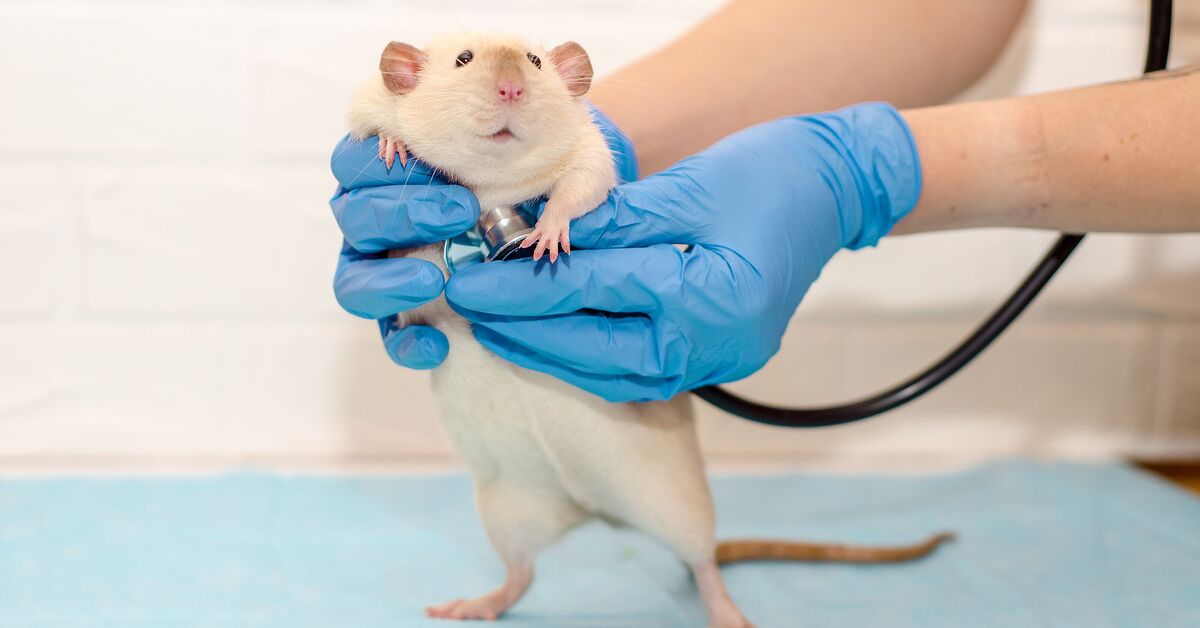
- Take cats to the vet for check-ups
When To Seek Veterinary Help
Rats can carry diseases that may harm cats. It is important to watch your cat closely after contact with rats. Getting veterinary help early can prevent serious health problems.
If your cat shows unusual signs or behavior after meeting a rat, do not wait to see a vet. Quick action helps your cat recover faster and stay healthy.
Warning Signs In Cats
Watch for changes in your cat’s health after possible rat exposure. Early signs may mean your cat is sick from a rat-related disease.
Common warning signs include:
- Fever or lethargy
- Loss of appetite
- Coughing or difficulty breathing
- Vomiting or diarrhea
- Swollen lymph nodes
- Unusual wounds or bites
Diagnostic Tests For Rat-related Diseases
Your vet may perform tests to find out if your cat has a disease from rats. These tests help diagnose and guide treatment.
Common diagnostic tests include blood tests, X-rays, and cultures from wounds. These tests check for infections and organ health.
- Blood tests to check for infection or inflammation
- X-rays to look for lung or organ damage
- Wound cultures to identify bacteria
- Urine tests to assess kidney function
- Serology tests to detect specific diseases
Credit: www.petguide.com
Long-term Health Implications
Rats can pose health risks to cats. Cats may catch diseases from rats, affecting their well-being over time.
These diseases can lead to chronic health issues. This may impact cats’ lives and cause ongoing problems.
Chronic Conditions From Infections
Cats can get diseases from rats like Leptospirosis. This can lead to kidney and liver problems.
Rats may carry parasites. These can cause infections that last a long time in cats.
- Leptospirosis affects kidney function
- Parasites cause ongoing infections
- Chronic conditions need regular vet visits
Impact On Cat Behavior And Well-being
Diseases from rats can change how cats act. Sick cats may become less active and playful.
Health issues from infections can make cats feel tired. This impacts their daily activities and mood.
| Behavior Change | Possible Cause |
| Lethargy | Chronic infection |
| Less playfulness | Feeling unwell |
| Increased sleep | Lack of energy |
Myths And Facts About Rats And Cats
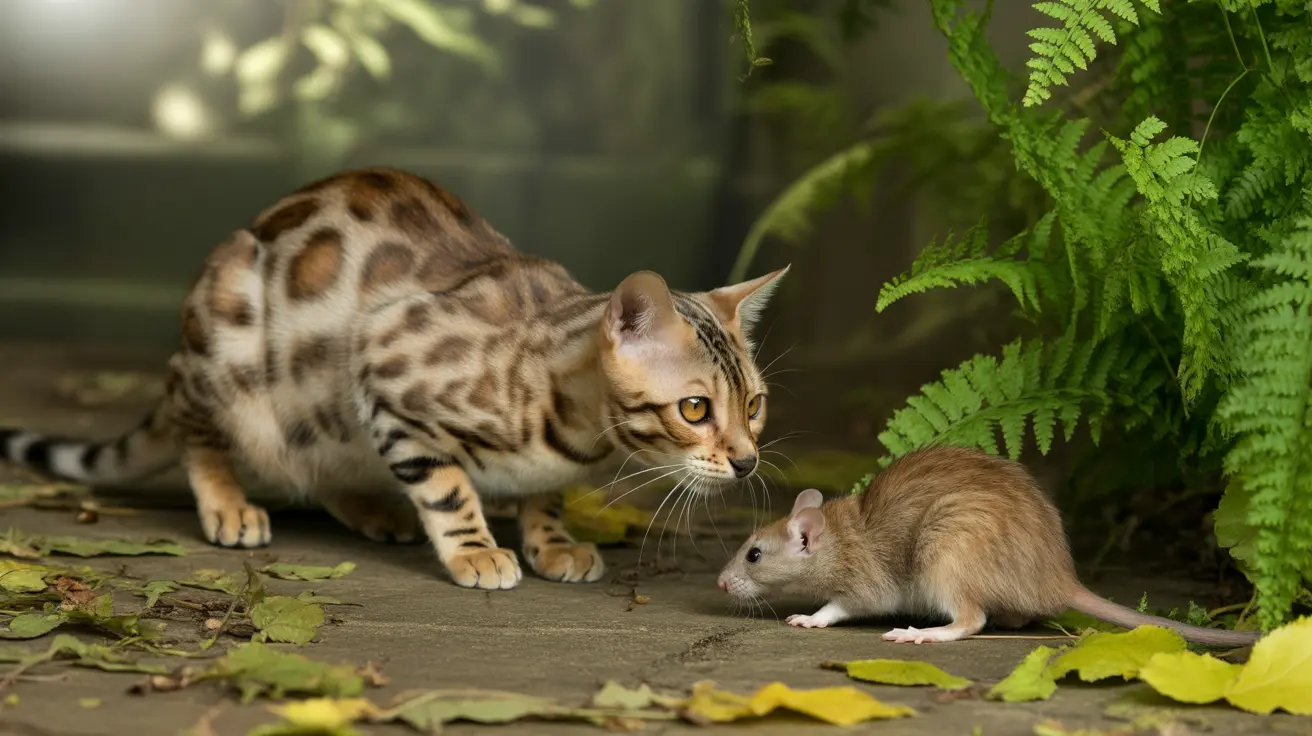
Rats and cats are often thought to be natural enemies. Many people worry about diseases spreading between them. Let’s explore some myths and facts to understand this better.
It’s important to know the truth about the interactions between these animals. We will look at common misconceptions and scientific evidence.
Common Misconceptions
Many people believe that rats are always dangerous to cats. They think rats can easily make cats sick.
- Myth: Rats always carry diseases that harm cats.
- Myth: All cats hunt and eat rats.
- Myth: Cats are immune to diseases from rats.
Scientific Evidence
Science shows that not all rats carry diseases. Cats may not always get sick from rats.
| Study | Finding |
| University of X | Rats carry some diseases, but not all affect cats. |
| Health Institute Y | Most cats are not infected by rat diseases. |
| Research Center Z | Both animals rarely interact directly. |
Credit: www.petscare.com
Frequently Asked Questions
Can Rats Transmit Diseases To Cats?
Yes, rats can transmit diseases like leptospirosis and parasites to cats. These infections occur through bites, scratches, or contact with rat urine and feces.
What Diseases Can Cats Get From Rats?
Cats can contract leptospirosis, rat-bite fever, and parasites such as fleas and ticks from rats. These can lead to serious health issues if untreated.
How Can Cats Avoid Diseases From Rats?
Prevent your cat from hunting or contact with rats. Maintain cleanliness, control rodent populations, and ensure your cat’s vaccinations are up to date.
Are Rat Bites Dangerous For Cats?
Yes, rat bites can cause infections and transmit diseases. Immediate veterinary care is essential if your cat is bitten by a rat.
Conclusion
Rats can carry germs that might make cats sick. Cats hunting or eating rats face some health risks. Keeping your cat away from rats helps reduce these dangers. Regular vet visits keep your cat healthy and safe. Watch your cat for any signs of illness after contact with rats.
Protect your pet by controlling rats around your home. Staying careful helps your cat live a long, happy life.

Lily Purrington is the founder of MyKittyPicks.com, a cozy corner of the web dedicated to helping cat lovers discover the best cat products, furniture, toys, and home decor ideas.
A lifelong cat enthusiast, Lily shares trusted tips, honest product recommendations, and stylish inspiration designed to keep kitties happy and homes beautiful.
Her mission is simple: to bring together practical advice and purr-fect picks that make life better for cats and the people who love them.


