

Have you ever wondered if your curious cat can catch diseases from rats? If your feline friend loves to chase or even catch these sneaky rodents, it’s important to know the risks involved.
Rats can carry harmful germs that might affect your cat’s health without you even realizing it. By understanding how these diseases spread and what signs to watch for, you can protect your furry companion from serious illness. Keep reading to discover everything you need to know about the connection between cats and rats—and how to keep your pet safe.
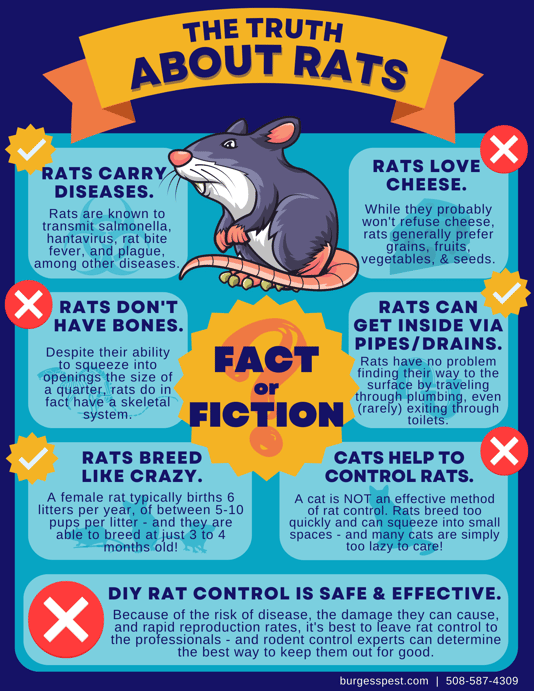
Credit: blog.burgesspest.com
Common Diseases Transmitted By Rats
Rats can carry many diseases that affect cats. These illnesses spread through bites, scratches, or contact with rat droppings. Knowing these diseases helps keep cats safe and healthy.
This guide explains common diseases cats get from rats. It focuses on bacterial, parasitic, and viral infections. Each section shows how these diseases affect cats.
Bacterial Infections
Bacteria from rats can cause serious infections in cats. These bacteria enter through wounds or contact with rat urine and feces.
- Leptospirosis:A bacterial infection spread through rat urine. It can cause fever, vomiting, and kidney damage in cats.
- Salmonellosis:Cats may get this from eating contaminated rats. It leads to diarrhea and dehydration.
- Bartonellosis (Cat Scratch Disease):Rats carry Bartonella bacteria. Cats can get it from bites or scratches, causing fever and swollen lymph nodes.
Parasitic Threats
Rats host parasites that can infect cats. Parasites often spread through contact or by eating infected rats.
| Parasite | Effect on Cats | Transmission |
| Toxoplasma gondii | Causes toxoplasmosis, which can harm cat’s organs. | Eating infected rats |
| Fleas | Lead to itching, hair loss, and anemia. | From rats carrying fleas |
| Ticks | Cause skin irritation and transmit other diseases. | From rat habitats |
Viral Diseases
Some viruses spread from rats to cats. These viruses can cause severe illness or death.
- Rat Bite Fever:A viral infection that causes fever and joint pain in cats after rat bites.
- Hantavirus:Though rare, this virus can infect cats through contact with rat droppings. It affects the lungs and kidneys.
How Cats Catch Diseases From Rats
Cats can get diseases from rats in several ways. Rats carry germs that can harm cats. Understanding how cats catch these diseases helps keep them safe.
Rats live in dirty places and carry infections. When cats meet rats, they risk catching illnesses through direct contact, bites, or the environment.
Direct Contact Risks
Cats often hunt or touch rats. This direct contact can pass diseases to cats. Germs on the rat’s fur or body can enter the cat’s skin or mouth.
- Handling or playing with rats
- Sniffing or licking rat fur
- Touching rat urine or droppings
Bites And Scratches
Rats may bite or scratch when scared. These wounds let germs enter the cat’s body. Bites and scratches are common ways for diseases to spread.
| Type of Injury | Risk of Infection |
| Rat Bite | High |
| Rat Scratch | Moderate |
| Open Wound Contact | High |
Contaminated Environment
Rats leave germs in places they live. Cats can catch diseases by touching or licking these areas. Dirt, water, and food can become contaminated.
Common contaminated spots include:
- Rat nests
- Places with rat urine or feces
- Trash bins and food storage areas
Symptoms Of Rat-related Illnesses In Cats
Cats can catch diseases from rats. These illnesses can affect their health in many ways.
Knowing the symptoms helps you act fast and keep your cat safe.
Behavioral Changes
Sick cats may act differently than usual. They might hide more or lose interest in playing.
Look for signs like less energy, unusual aggression, or changes in eating habits.
- Hiding or avoiding people
- Less active or playful
- Loss of appetite
- Increased irritability or aggression
- Unusual vocal sounds
Physical Signs
Physical symptoms show how the illness affects your cat’s body. These can include wounds or changes in breathing.
Watch for swelling, limping, or discharge from eyes and nose.
- Swelling or redness near bite marks
- Limping or difficulty walking
- Fever or shivering
- Runny eyes or nose
- Coughing or sneezing
- Vomiting or diarrhea
When To See A Vet
See a vet if your cat shows any symptoms after contact with rats. Early treatment is important.
If symptoms get worse or your cat stops eating, do not wait to get help.
- Behavior changes lasting more than 24 hours
- Visible wounds or swelling
- Breathing problems
- Vomiting or diarrhea over 12 hours
- High fever or weakness
Preventing Disease Transmission
Cats can catch diseases from rats. Rats carry germs that can harm cats. It is important to stop these diseases from spreading.
Keeping cats safe means controlling rats and watching your cat’s health. This guide shows how to prevent disease from rats.
Controlling Rat Populations
Reduce the number of rats near your home. Fewer rats mean less chance of your cat getting sick. Use safe traps or call pest control experts.
Keep food in sealed containers. Clean up crumbs and garbage quickly. Remove places where rats can hide, like piles of wood or trash.
- Seal holes and cracks in walls
- Store pet food indoors
- Keep garbage bins tightly closed
- Remove clutter and debris
Safe Outdoor Practices
Watch where your cat goes outside. Avoid areas where rats live or gather. Keep your cat’s play area clean and free of trash.
Do not leave pet food outside. Feed your cat indoors to avoid attracting rats. Use a leash or supervised playtime to control your cat’s outdoor activity.
- Keep cat food indoors
- Supervise outdoor time
- Block rat entry points outdoors
- Clean outdoor cat areas regularly
Regular Vet Checkups
Take your cat to the vet for regular checkups. Vets can spot signs of disease early. They can give shots and treatments to protect your cat.
Tell your vet if your cat hunts or plays outside. Ask about tests for diseases spread by rats. Early treatment helps keep your cat healthy.
- Schedule yearly health exams
- Vaccinate against common diseases
- Report unusual symptoms to your vet
- Discuss outdoor risks with your vet
Treatment Options For Infected Cats
Cats can get diseases from rats. It is important to treat infected cats quickly. Different methods help cats recover and stay healthy.
The right treatment can make a big difference. Here are some options to consider for cats with infections from rats.
Antibiotic Therapies
Antibiotics fight infections caused by bacteria. A vet will prescribe the right type for your cat. It’s important to follow the vet’s instructions for dosage and duration.
- Consult your veterinarian for a prescription.
- Ensure your cat completes the full course.
- Monitor for any side effects or allergic reactions.
Supportive Care
Supportive care helps your cat feel better. This includes keeping them comfortable and hydrated. Proper nutrition is also key to recovery.
| Supportive Care Method | Benefits |
| Hydration | Prevents dehydration and supports healing |
| Nutritional Support | Provides essential nutrients |
| Comfortable Environment | Reduces stress and promotes rest |
Follow-up And Recovery
Follow-up visits to the vet ensure your cat is healing properly. Regular check-ups can catch any ongoing issues early. Continued care is important for full recovery.

Credit: www.petscare.com
Risks To Humans And Other Pets
Cats often hunt rats and can get diseases from them. These diseases may also affect humans and other pets. It is important to know the risks and how to stay safe.
Rats carry germs that cause illness. When cats catch or eat rats, they can catch these germs. Humans and other animals can get sick too if they come in contact with infected cats or rats.
Zoonotic Concerns
Zoonotic diseases spread from animals to humans. Rats carry many germs that can pass to cats. Cats can then pass these germs to humans through bites, scratches, or close contact.
Some diseases cats can get from rats include toxoplasmosis, leptospirosis, and rat bite fever. These diseases can cause fever, weakness, and other health problems in humans and pets.
- Toxoplasmosis: a parasite spread through cat feces
- Leptospirosis: a bacteria from rat urine
- Rat bite fever: infection from bites or scratches
Cross-species Transmission
Diseases can pass between rats, cats, humans, and other pets. Cats catch germs from rats when they hunt or eat them. Then germs can spread to family members or other animals at home.
Other pets like dogs or small animals can also get sick if they touch infected cats or rats. It is important to watch for signs of illness in all pets and keep rats away.
- Watch for unusual behavior in cats and pets
- Keep pets indoors or supervised outside
- Control rat populations around your home
Protective Measures
Protect yourself, your cats, and other pets by keeping rats away. Clean areas where pets live and play. Use safe traps or call professionals to remove rats.
Take your cat to the vet for regular check-ups. Vaccinate your pets if possible. Wash your hands after handling pets or cleaning litter boxes. Avoid direct contact with wild rats.
- Seal holes and gaps to block rats
- Keep food stored in sealed containers
- Clean pet areas often
- Use gloves when cleaning litter or pet messes
- Seek veterinary care for sick pets
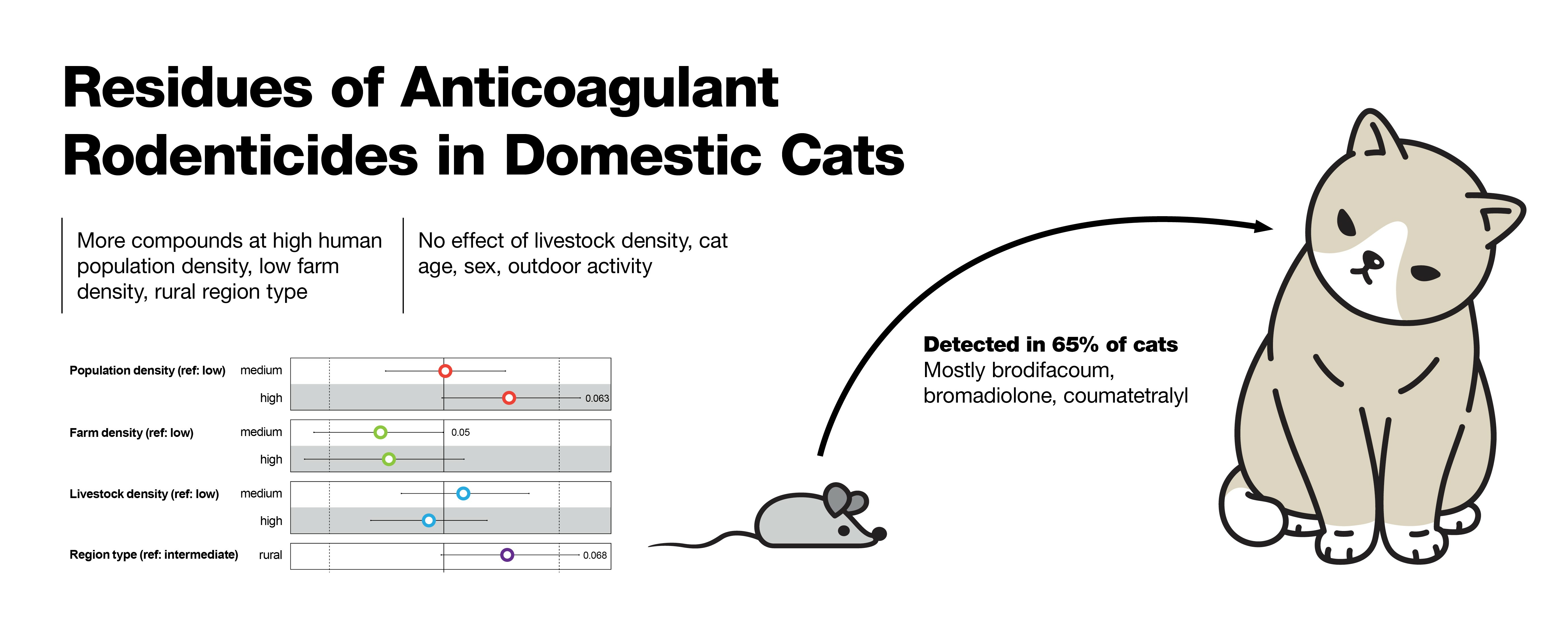
Credit: www.mdpi.com
Frequently Asked Questions
Can Cats Catch Diseases From Rats?
Yes, cats can catch diseases from rats through bites or contact with infected rats. Common diseases include rat-bite fever and toxoplasmosis. Proper veterinary care is essential if your cat interacts with rats.
What Diseases Do Rats Transmit To Cats?
Rats can transmit diseases like leptospirosis, toxoplasmosis, and rat-bite fever to cats. These infections can cause fever, lethargy, and other health issues. Early diagnosis and treatment are crucial for your cat’s well-being.
How Can I Protect My Cat From Rat Diseases?
Keep your home clean and rodent-free to protect your cat. Avoid letting your cat hunt or eat rats. Regular vet check-ups and vaccinations can also reduce disease risks from rats.
Are Rat Bites Dangerous For Cats?
Yes, rat bites can introduce harmful bacteria and viruses to cats. Infections from bites may lead to swelling, fever, or more severe illnesses. Immediate veterinary care is important to prevent complications.
Conclusion
Cats can catch diseases from rats, so watch their contact closely. Rats carry germs that might harm your cat’s health. Keep your home clean and control rodent problems well. Regular vet visits help spot any illness early. Protect your cat by limiting its exposure to wild rats.
Stay alert and act fast if your cat shows sickness signs. Healthy cats live happier, longer lives. Simple care steps make a big difference.

Lily Purrington is the founder of MyKittyPicks.com, a cozy corner of the web dedicated to helping cat lovers discover the best cat products, furniture, toys, and home decor ideas.
A lifelong cat enthusiast, Lily shares trusted tips, honest product recommendations, and stylish inspiration designed to keep kitties happy and homes beautiful.
Her mission is simple: to bring together practical advice and purr-fect picks that make life better for cats and the people who love them.


